CureVac Sues Moderna Over Patent Infringement
Written by Emily J. Thompson, Senior Investment Analyst
Updated: 1 day ago
0mins
Should l Buy MRNA?
Source: Newsfilter
- Patent Infringement Lawsuit: German biotech firm CureVac filed a lawsuit against Moderna in Delaware federal court, alleging that Moderna's COVID-19 vaccine Spikevax infringes CureVac's patents related to messenger RNA technology, seeking royalties from Spikevax sales, highlighting the intensifying patent disputes in the COVID-19 vaccine market.
- Technology Copying Allegations: CureVac claims that Moderna copied its technology for stabilizing fragile mRNA, and if proven, this could significantly impact Moderna's vaccine sales and market position, potentially leading to substantial damages.
- Intensifying Industry Competition: BioNTech, which acquired CureVac last year, filed a separate patent lawsuit against Moderna in February regarding its next-generation mNEXSPIKE COVID-19 shot, indicating escalating competition among biotech firms, particularly in the COVID-19 vaccine sector.
- Ongoing Legal Battles: Moderna previously sued Pfizer and BioNTech in 2022 for patent infringement over its Comirnaty vaccine, and the current lawsuit is part of a broader trend of biotech companies seeking a share of the tens of billions in revenue generated from COVID-19 vaccine sales, reflecting the ongoing legal struggles within the industry.
Trade with 70% Backtested Accuracy
Stop guessing "Should I Buy MRNA?" and start using high-conviction signals backed by rigorous historical data.
Sign up today to access powerful investing tools and make smarter, data-driven decisions.
Analyst Views on MRNA
Wall Street analysts forecast MRNA stock price to fall
20 Analyst Rating
1 Buy
16 Hold
3 Sell
Hold
Current: 52.850

Low
17.00
Averages
32.47
High
63.00
Current: 52.850
Low
17.00
Averages
32.47
High
63.00
About MRNA
Moderna, Inc. is a biotechnology company advancing a new class of medicines made of messenger ribonucleic acid (mRNA). It is engaged in developing medicines across infectious disease vaccines, oncology therapeutics and rare disease therapeutics. Its platform incorporates advances across three components, mRNA, delivery, and the manufacturing process, to advance its medicines. Its products are Spikevax and mNEXSPIKE (its COVID vaccines), and mRESVIA (its vaccine against respiratory syncytial virus (RSV)). It also has a diverse development pipeline that consists of 35 therapeutic and vaccine programs, six of which are in late-stage development. It has regulatory filings under review for its seasonal flu+COVID vaccine (mRNA-1083) in Europe and Canada and for its seasonal flu vaccine (mRNA-1010) in the United States, Europe, Canada and Australia. Its rare disease programs are Propionic acidemia (mRNA-3927); Methylmalonic acidemia (mRNA-3705), and Cystic Fibrosis (mRNA-3692/VX-522).
About the author

Emily J. Thompson
Emily J. Thompson, a Chartered Financial Analyst (CFA) with 12 years in investment research, graduated with honors from the Wharton School. Specializing in industrial and technology stocks, she provides in-depth analysis for Intellectia’s earnings and market brief reports.

CureVac Sues Moderna Over Patent Infringement


- Patent Infringement Lawsuit: German biotech firm CureVac filed a lawsuit against Moderna in Delaware federal court, alleging that Moderna's COVID-19 vaccine Spikevax infringes CureVac's patents related to messenger RNA technology, seeking royalties from Spikevax sales, highlighting the intensifying patent disputes in the COVID-19 vaccine market.
- Technology Copying Allegations: CureVac claims that Moderna copied its technology for stabilizing fragile mRNA, and if proven, this could significantly impact Moderna's vaccine sales and market position, potentially leading to substantial damages.
- Intensifying Industry Competition: BioNTech, which acquired CureVac last year, filed a separate patent lawsuit against Moderna in February regarding its next-generation mNEXSPIKE COVID-19 shot, indicating escalating competition among biotech firms, particularly in the COVID-19 vaccine sector.
- Ongoing Legal Battles: Moderna previously sued Pfizer and BioNTech in 2022 for patent infringement over its Comirnaty vaccine, and the current lawsuit is part of a broader trend of biotech companies seeking a share of the tens of billions in revenue generated from COVID-19 vaccine sales, reflecting the ongoing legal struggles within the industry.
See More

U.S. Stocks Near All-Time Highs as Investors Eye Tech Giants' Earnings


- Strong Market Performance: The S&P 500 and Nasdaq Composite indices reached new all-time highs in April, rising over 8% and 13% respectively, indicating robust market resilience despite ongoing geopolitical tensions and AI disruption concerns, reflecting investor confidence in tech stocks.
- Earnings Pressure on Tech Giants: Next week, five of the 'Magnificent Seven' companies will report earnings, with market expectations for them to demonstrate sufficient revenue growth to justify their high AI expenditures; Alphabet, Amazon, Meta, and Microsoft have all seen stock price increases of over 10% this month, highlighting the market's keen interest in their performance.
- Federal Reserve Meeting Impact: This is expected to be Jerome Powell's last meeting as chair, with the market widely anticipating that the Fed will keep interest rates unchanged, although rising oil prices could complicate future monetary policy, necessitating close attention to how this dynamic may affect the market.
- Cautious Investor Sentiment: As the traditional market adage 'Sell in May' approaches, investors remain wary of potential downside risks, particularly in light of poor software stock performance and rising oil prices, which could further dampen market sentiment.
See More

Three Healthcare Stocks with Durable Competitive Moats


- Eli Lilly's Market Edge: Eli Lilly (LLY) solidifies its market share with popular weight loss drugs like Mounjaro and Zepbound, while the recent approval of the oral weight loss drug Foundayo is expected to drive future earnings growth.
- Vertex Pharmaceuticals' Patent Protection: Vertex Pharmaceuticals (VRTX) leads globally in cystic fibrosis drugs, with patent protection extending into the late 2030s, and ongoing innovation positions it for strong profitability and potential new product launches.
- Intuitive Surgical's Robotic Surgery Dominance: Intuitive Surgical (ISRG) maintains a dominant position with its Da Vinci surgical robots, as hospitals investing in these high-cost devices are likely to continue using them, reinforcing its market position.
- Training Advantage in the Industry: Most surgeons are trained on the Da Vinci system, creating a familiarity that leads hospitals to prefer this platform, thereby strengthening Intuitive Surgical's competitive moat.
See More

Company Moats Support Earnings Growth
- Importance of Moats: Company moats, such as brand strength and patent portfolios, help firms maintain competitive advantages, thereby supporting future earnings growth and attracting investor interest.
- Eli Lilly's Competitive Edge: Eli Lilly's weight loss drugs like Mounjaro and Zepbound benefit from strong physician trust and patient satisfaction, creating a robust market moat, with patent protection extending to 2036, ensuring long-term profitability.
- Vertex Pharmaceuticals' Innovation: Vertex Pharmaceuticals leads in cystic fibrosis drugs, with patent protection lasting into the late 2030s, and its collaboration with Moderna on mRNA therapies could further solidify its market position, potentially treating the entire CF population.
- Intuitive Surgical's Market Leadership: Intuitive Surgical's Da Vinci surgical robots create a solid moat due to high investment costs and surgeon familiarity, driving continuous growth and ensuring its leading position in the healthcare industry.
See More
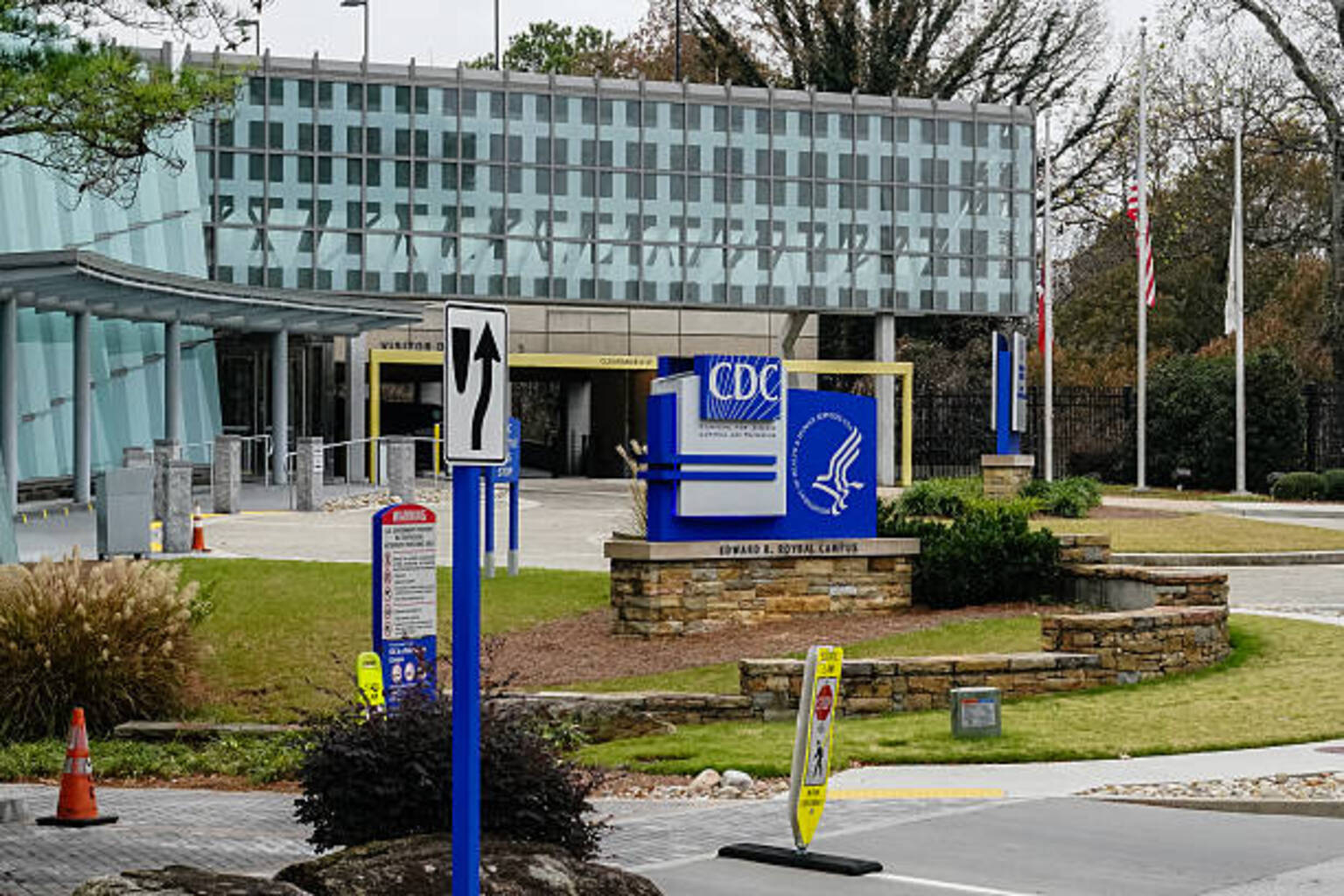
CDC Blocks Publication of COVID Vaccine Study Despite Review
- Publication Blocked: The CDC has blocked the publication of a report on COVID-19 vaccines reducing hospitalization risk after it passed scientific review, a highly unusual action that indicates internal sensitivity regarding vaccine efficacy research.
- Methodology Controversy: HHS spokesperson noted that CDC leadership routinely flags concerns about MMWR papers, particularly regarding methodology, and the current study's observational method has raised doubts, potentially undermining public trust in vaccines.
- Vaccine Effectiveness Comparison: While the COVID vaccine study is on hold, a flu vaccine effectiveness study using the same methodology was published in March, highlighting inconsistencies in CDC's handling of vaccine research that may raise public skepticism about vaccine policies.
- Policy Changes Impact: Under HHS Secretary RFK Jr., the CDC has removed vaccine recommendations for healthy children and pregnant women and paused federal funding for mRNA vaccine research, a series of policy shifts that could affect vaccination rates and public health strategies.
See More

Moderna Initiates Phase 3 Trial for H5 Influenza Vaccine
- Vaccine Development Progress: Moderna announced the initiation of a Phase 3 trial for its mRNA-1018 H5 influenza vaccine in the U.S. and U.K., targeting nearly 4,000 healthy adults, which aims to support global regulatory submissions and marks a significant milestone in the company's pandemic preparedness efforts.
- Funding Support: The trial is backed by up to $54.3 million from the Coalition for Epidemic Preparedness Innovations (CEPI), highlighting the international commitment to vaccine research and providing Moderna with essential financial resources to advance its development plans.
- Pandemic Threat Response: CEO Stéphane Bancel emphasized that H5 influenza remains a potential global pandemic threat, and the start of the Phase 3 trial not only validates the vaccine's efficacy but also represents a strategic move in global public health safety.
- Policy Context: The trial's initiation follows the Trump administration's termination of a $766 million contract with Moderna, reflecting the company's ongoing efforts and adaptability in vaccine development despite challenges posed by policy changes.
See More
CureVac Sues Moderna Over Patent Infringement
- Patent Infringement Lawsuit: German biotech firm CureVac filed a lawsuit against Moderna in Delaware federal court, alleging that Moderna's COVID-19 vaccine Spikevax infringes CureVac's patents related to messenger RNA technology, seeking royalties from Spikevax sales, highlighting the intensifying patent disputes in the COVID-19 vaccine market.
- Technology Copying Allegations: CureVac claims that Moderna copied its technology for stabilizing fragile mRNA, and if proven, this could significantly impact Moderna's vaccine sales and market position, potentially leading to substantial damages.
- Intensifying Industry Competition: BioNTech, which acquired CureVac last year, filed a separate patent lawsuit against Moderna in February regarding its next-generation mNEXSPIKE COVID-19 shot, indicating escalating competition among biotech firms, particularly in the COVID-19 vaccine sector.
- Ongoing Legal Battles: Moderna previously sued Pfizer and BioNTech in 2022 for patent infringement over its Comirnaty vaccine, and the current lawsuit is part of a broader trend of biotech companies seeking a share of the tens of billions in revenue generated from COVID-19 vaccine sales, reflecting the ongoing legal struggles within the industry.
See More
U.S. Stocks Near All-Time Highs as Investors Eye Tech Giants' Earnings
- Strong Market Performance: The S&P 500 and Nasdaq Composite indices reached new all-time highs in April, rising over 8% and 13% respectively, indicating robust market resilience despite ongoing geopolitical tensions and AI disruption concerns, reflecting investor confidence in tech stocks.
- Earnings Pressure on Tech Giants: Next week, five of the 'Magnificent Seven' companies will report earnings, with market expectations for them to demonstrate sufficient revenue growth to justify their high AI expenditures; Alphabet, Amazon, Meta, and Microsoft have all seen stock price increases of over 10% this month, highlighting the market's keen interest in their performance.
- Federal Reserve Meeting Impact: This is expected to be Jerome Powell's last meeting as chair, with the market widely anticipating that the Fed will keep interest rates unchanged, although rising oil prices could complicate future monetary policy, necessitating close attention to how this dynamic may affect the market.
- Cautious Investor Sentiment: As the traditional market adage 'Sell in May' approaches, investors remain wary of potential downside risks, particularly in light of poor software stock performance and rising oil prices, which could further dampen market sentiment.
See More
Three Healthcare Stocks with Durable Competitive Moats
- Eli Lilly's Market Edge: Eli Lilly (LLY) solidifies its market share with popular weight loss drugs like Mounjaro and Zepbound, while the recent approval of the oral weight loss drug Foundayo is expected to drive future earnings growth.
- Vertex Pharmaceuticals' Patent Protection: Vertex Pharmaceuticals (VRTX) leads globally in cystic fibrosis drugs, with patent protection extending into the late 2030s, and ongoing innovation positions it for strong profitability and potential new product launches.
- Intuitive Surgical's Robotic Surgery Dominance: Intuitive Surgical (ISRG) maintains a dominant position with its Da Vinci surgical robots, as hospitals investing in these high-cost devices are likely to continue using them, reinforcing its market position.
- Training Advantage in the Industry: Most surgeons are trained on the Da Vinci system, creating a familiarity that leads hospitals to prefer this platform, thereby strengthening Intuitive Surgical's competitive moat.
See More
Company Moats Support Earnings Growth
- Importance of Moats: Company moats, such as brand strength and patent portfolios, help firms maintain competitive advantages, thereby supporting future earnings growth and attracting investor interest.
- Eli Lilly's Competitive Edge: Eli Lilly's weight loss drugs like Mounjaro and Zepbound benefit from strong physician trust and patient satisfaction, creating a robust market moat, with patent protection extending to 2036, ensuring long-term profitability.
- Vertex Pharmaceuticals' Innovation: Vertex Pharmaceuticals leads in cystic fibrosis drugs, with patent protection lasting into the late 2030s, and its collaboration with Moderna on mRNA therapies could further solidify its market position, potentially treating the entire CF population.
- Intuitive Surgical's Market Leadership: Intuitive Surgical's Da Vinci surgical robots create a solid moat due to high investment costs and surgeon familiarity, driving continuous growth and ensuring its leading position in the healthcare industry.
See More
CDC Blocks Publication of COVID Vaccine Study Despite Review
- Publication Blocked: The CDC has blocked the publication of a report on COVID-19 vaccines reducing hospitalization risk after it passed scientific review, a highly unusual action that indicates internal sensitivity regarding vaccine efficacy research.
- Methodology Controversy: HHS spokesperson noted that CDC leadership routinely flags concerns about MMWR papers, particularly regarding methodology, and the current study's observational method has raised doubts, potentially undermining public trust in vaccines.
- Vaccine Effectiveness Comparison: While the COVID vaccine study is on hold, a flu vaccine effectiveness study using the same methodology was published in March, highlighting inconsistencies in CDC's handling of vaccine research that may raise public skepticism about vaccine policies.
- Policy Changes Impact: Under HHS Secretary RFK Jr., the CDC has removed vaccine recommendations for healthy children and pregnant women and paused federal funding for mRNA vaccine research, a series of policy shifts that could affect vaccination rates and public health strategies.
See More
Moderna Initiates Phase 3 Trial for H5 Influenza Vaccine
- Vaccine Development Progress: Moderna announced the initiation of a Phase 3 trial for its mRNA-1018 H5 influenza vaccine in the U.S. and U.K., targeting nearly 4,000 healthy adults, which aims to support global regulatory submissions and marks a significant milestone in the company's pandemic preparedness efforts.
- Funding Support: The trial is backed by up to $54.3 million from the Coalition for Epidemic Preparedness Innovations (CEPI), highlighting the international commitment to vaccine research and providing Moderna with essential financial resources to advance its development plans.
- Pandemic Threat Response: CEO Stéphane Bancel emphasized that H5 influenza remains a potential global pandemic threat, and the start of the Phase 3 trial not only validates the vaccine's efficacy but also represents a strategic move in global public health safety.
- Policy Context: The trial's initiation follows the Trump administration's termination of a $766 million contract with Moderna, reflecting the company's ongoing efforts and adaptability in vaccine development despite challenges posed by policy changes.
See More