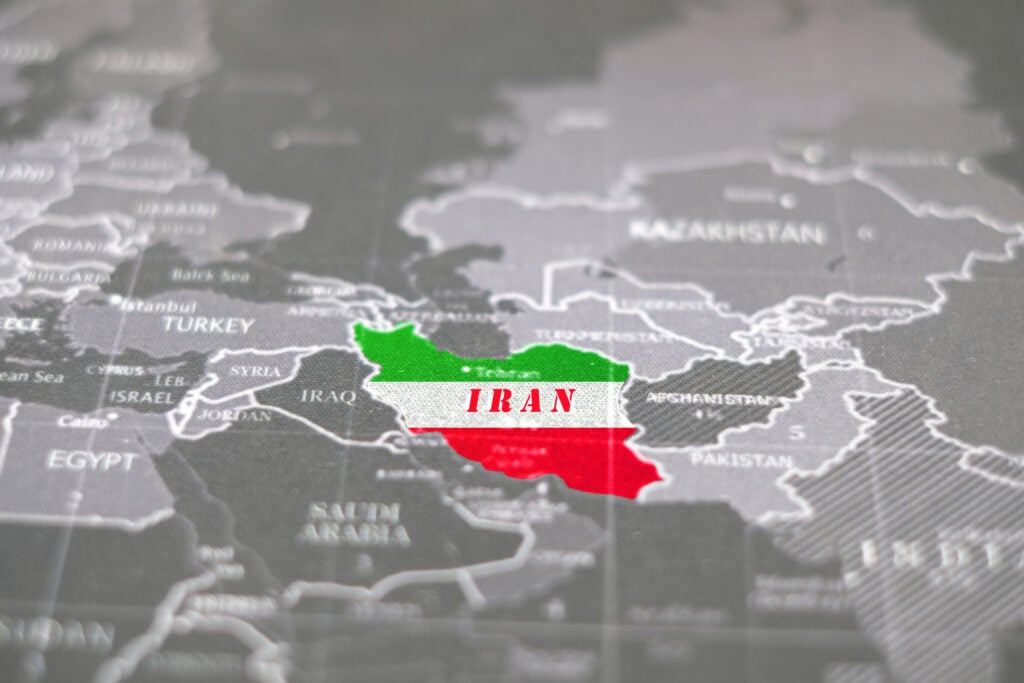
Crude Shipping Costs Surge to $170K/Day Amid Middle East Tensions
- Surge in Shipping Costs: The daily charter rate for very large crude carriers (VLCCs) from the Middle East to China has surged to over $170K, more than tripling since the start of the year and reaching the highest level since April 2020, indicating strong demand and the impact of geopolitical tensions.
- Record Export Volumes: Middle Eastern crude exports in February exceeded 19 million barrels per day, marking the highest level since April 2020, as traders rush shipments ahead of potential military conflict between the U.S. and Iran, while India's demand rises due to reduced Russian imports.
- Tight Market Conditions: VLCC freight rates have been on the rise since late 2025 due to increased supply, longer voyages, and disruptions from sanctions and altered shipping routes, intensifying the urgency for securing tonnage in the market.
- Consolidation Impact: South Korean shipping firm Sinokor has emerged as a major buyer of VLCCs, reducing overall supply in the market and allowing owners to raise rates for typical 30-day charters, which could exacerbate the rush for tonnage if U.S.-Iran tensions escalate.
Trade with 70% Backtested Accuracy
Analyst Views on FRO

About FRO
About the author


Frontline Reports Significant Q4 Profit Surge Amid Tanker Rate Increases

- Profitability Surge: Frontline reported a net profit of $228 million for Q4 2025, translating to $1.02 per share, which marks an increase of $188 million from the previous quarter, primarily driven by a significant rise in TCE earnings, demonstrating the company's robust profitability amidst market volatility.
- TCE Earnings Growth: The company achieved TCE earnings of $424.5 million in Q4, up from $248 million in the prior quarter, reflecting strong demand for VLCC and Suezmax tankers, which further solidifies Frontline's competitive position in the global shipping market.
- Strong Liquidity Position: As of December 31, 2025, Frontline reported liquidity of $705 million with no significant debt maturities, indicating ample financial flexibility to navigate market fluctuations in the coming years.
- Fleet Renewal Strategy: In January 2026, Frontline sold eight older Eco VLCCs for approximately $477 million in net cash proceeds while acquiring nine latest-generation Eco VLCC newbuildings, showcasing the company's strategic focus on fleet modernization to enhance operational efficiency.

Iran Might Block the Strait of Hormuz: Implications for Shipping Stocks.


Iran's Actions: Iran has effectively closed the Strait of Hormuz in response to U.S. and Israeli attacks.
Impact on Oil Prices: This closure could lead to a spike in oil prices.
Shipping Stocks: The situation may benefit shipping stocks, particularly companies like Frontline and DHT Holdings.
Geopolitical Tensions: The ongoing tensions in the region are influencing both oil markets and shipping industries.
Insurers Plan Major Policy Changes for Gulf Shipping Amid Rising Tensions

- Policy Cancellations: Following U.S.-Israeli attacks on Iran, insurers have informed shipowners of their plans to cancel shipping insurance policies for vessels transiting the Strait of Hormuz, reflecting escalating regional tensions.
- Rising Insurance Costs: Insurance rates for ships traveling through the Gulf could increase by up to 50%, from the current rate of 0.25% of a vessel's replacement cost, imposing significant cost pressures on shipowners.
- Cargo Insurance Changes: Cargo war risk insurers are also looking to cancel coverage for ships sailing through the region on Monday, indicating concerns over future shipping safety amid rising geopolitical risks.
- Potential Blockade Risks: Amid fears of a blockade by Iran, an official from the EU naval mission reported that vessels transiting the Strait of Hormuz have received warnings from Iran's Revolutionary Guards, further heightening shipping uncertainties.
Frontline Reports Q4 2025 Earnings with Mixed Results
- Earnings Overview: Frontline's Q4 2025 non-GAAP EPS of $1.03 missed expectations by $0.10, indicating pressure on profitability; however, revenue reached $624.5 million, up 46.7% year-over-year, surpassing estimates by $167.6 million, reflecting strong market performance.
- Profit Performance: The net profit for Q4 was $227.9 million, or $1.02 per share, which, despite falling short of market expectations, demonstrates the company's profitability in a high oil price environment, indicating its competitive position in the tanker market.
- Daily Charter Earnings: In Q4 2025, Frontline achieved average daily spot time charter equivalent earnings of $74,200 for VLCCs, $53,800 for Suezmax, and $33,500 for LR2/Aframax tankers, indicating that charter rates are at six-year highs, enhancing revenue potential.
- Market Outlook: With escalating tensions between the U.S. and Iran, tanker rates have surged to six-year highs, positioning Frontline favorably for future growth, potentially attracting investor interest due to its 17% yield, which could further drive stock price appreciation.
Frontline Scheduled to Announce Q4 Earnings on February 27
- Earnings Announcement Date: Frontline (FRO) is set to release its Q4 earnings on February 27 before market open, with a consensus EPS estimate of $1.13, reflecting a substantial year-over-year increase of 465%, indicating a significant enhancement in the company's profitability.
- Revenue Expectations: The revenue is projected at $456.9 million, representing a 7.4% year-over-year growth, which highlights the company's stable growth in the tanker transportation market despite facing market volatility challenges.
- Historical Performance Review: Over the past two years, FRO has only beaten EPS estimates 25% of the time, yet has exceeded revenue expectations 100% of the time, demonstrating strong performance in revenue management and bolstering investor confidence.
- Estimate Revision Dynamics: In the last three months, EPS estimates have seen one upward and one downward revision, while revenue estimates experienced one upward and two downward revisions, indicating market divergence and uncertainty regarding the company's future performance.
Crude Shipping Costs Surge to $170K/Day Amid Middle East Tensions

- Surge in Shipping Costs: The daily charter rate for very large crude carriers (VLCCs) from the Middle East to China has surged to over $170K, more than tripling since the start of the year and reaching the highest level since April 2020, indicating strong demand and the impact of geopolitical tensions.
- Record Export Volumes: Middle Eastern crude exports in February exceeded 19 million barrels per day, marking the highest level since April 2020, as traders rush shipments ahead of potential military conflict between the U.S. and Iran, while India's demand rises due to reduced Russian imports.
- Tight Market Conditions: VLCC freight rates have been on the rise since late 2025 due to increased supply, longer voyages, and disruptions from sanctions and altered shipping routes, intensifying the urgency for securing tonnage in the market.
- Consolidation Impact: South Korean shipping firm Sinokor has emerged as a major buyer of VLCCs, reducing overall supply in the market and allowing owners to raise rates for typical 30-day charters, which could exacerbate the rush for tonnage if U.S.-Iran tensions escalate.
Frontline Reports Significant Q4 Profit Surge Amid Tanker Rate Increases
- Profitability Surge: Frontline reported a net profit of $228 million for Q4 2025, translating to $1.02 per share, which marks an increase of $188 million from the previous quarter, primarily driven by a significant rise in TCE earnings, demonstrating the company's robust profitability amidst market volatility.
- TCE Earnings Growth: The company achieved TCE earnings of $424.5 million in Q4, up from $248 million in the prior quarter, reflecting strong demand for VLCC and Suezmax tankers, which further solidifies Frontline's competitive position in the global shipping market.
- Strong Liquidity Position: As of December 31, 2025, Frontline reported liquidity of $705 million with no significant debt maturities, indicating ample financial flexibility to navigate market fluctuations in the coming years.
- Fleet Renewal Strategy: In January 2026, Frontline sold eight older Eco VLCCs for approximately $477 million in net cash proceeds while acquiring nine latest-generation Eco VLCC newbuildings, showcasing the company's strategic focus on fleet modernization to enhance operational efficiency.
Iran Might Block the Strait of Hormuz: Implications for Shipping Stocks.
Iran's Actions: Iran has effectively closed the Strait of Hormuz in response to U.S. and Israeli attacks.
Impact on Oil Prices: This closure could lead to a spike in oil prices.
Shipping Stocks: The situation may benefit shipping stocks, particularly companies like Frontline and DHT Holdings.
Geopolitical Tensions: The ongoing tensions in the region are influencing both oil markets and shipping industries.
Insurers Plan Major Policy Changes for Gulf Shipping Amid Rising Tensions
- Policy Cancellations: Following U.S.-Israeli attacks on Iran, insurers have informed shipowners of their plans to cancel shipping insurance policies for vessels transiting the Strait of Hormuz, reflecting escalating regional tensions.
- Rising Insurance Costs: Insurance rates for ships traveling through the Gulf could increase by up to 50%, from the current rate of 0.25% of a vessel's replacement cost, imposing significant cost pressures on shipowners.
- Cargo Insurance Changes: Cargo war risk insurers are also looking to cancel coverage for ships sailing through the region on Monday, indicating concerns over future shipping safety amid rising geopolitical risks.
- Potential Blockade Risks: Amid fears of a blockade by Iran, an official from the EU naval mission reported that vessels transiting the Strait of Hormuz have received warnings from Iran's Revolutionary Guards, further heightening shipping uncertainties.
Frontline Reports Q4 2025 Earnings with Mixed Results
- Earnings Overview: Frontline's Q4 2025 non-GAAP EPS of $1.03 missed expectations by $0.10, indicating pressure on profitability; however, revenue reached $624.5 million, up 46.7% year-over-year, surpassing estimates by $167.6 million, reflecting strong market performance.
- Profit Performance: The net profit for Q4 was $227.9 million, or $1.02 per share, which, despite falling short of market expectations, demonstrates the company's profitability in a high oil price environment, indicating its competitive position in the tanker market.
- Daily Charter Earnings: In Q4 2025, Frontline achieved average daily spot time charter equivalent earnings of $74,200 for VLCCs, $53,800 for Suezmax, and $33,500 for LR2/Aframax tankers, indicating that charter rates are at six-year highs, enhancing revenue potential.
- Market Outlook: With escalating tensions between the U.S. and Iran, tanker rates have surged to six-year highs, positioning Frontline favorably for future growth, potentially attracting investor interest due to its 17% yield, which could further drive stock price appreciation.
Frontline Scheduled to Announce Q4 Earnings on February 27
- Earnings Announcement Date: Frontline (FRO) is set to release its Q4 earnings on February 27 before market open, with a consensus EPS estimate of $1.13, reflecting a substantial year-over-year increase of 465%, indicating a significant enhancement in the company's profitability.
- Revenue Expectations: The revenue is projected at $456.9 million, representing a 7.4% year-over-year growth, which highlights the company's stable growth in the tanker transportation market despite facing market volatility challenges.
- Historical Performance Review: Over the past two years, FRO has only beaten EPS estimates 25% of the time, yet has exceeded revenue expectations 100% of the time, demonstrating strong performance in revenue management and bolstering investor confidence.
- Estimate Revision Dynamics: In the last three months, EPS estimates have seen one upward and one downward revision, while revenue estimates experienced one upward and two downward revisions, indicating market divergence and uncertainty regarding the company's future performance.
Crude Shipping Costs Surge to $170K/Day Amid Middle East Tensions
- Surge in Shipping Costs: The daily charter rate for very large crude carriers (VLCCs) from the Middle East to China has surged to over $170K, more than tripling since the start of the year and reaching the highest level since April 2020, indicating strong demand and the impact of geopolitical tensions.
- Record Export Volumes: Middle Eastern crude exports in February exceeded 19 million barrels per day, marking the highest level since April 2020, as traders rush shipments ahead of potential military conflict between the U.S. and Iran, while India's demand rises due to reduced Russian imports.
- Tight Market Conditions: VLCC freight rates have been on the rise since late 2025 due to increased supply, longer voyages, and disruptions from sanctions and altered shipping routes, intensifying the urgency for securing tonnage in the market.
- Consolidation Impact: South Korean shipping firm Sinokor has emerged as a major buyer of VLCCs, reducing overall supply in the market and allowing owners to raise rates for typical 30-day charters, which could exacerbate the rush for tonnage if U.S.-Iran tensions escalate.