Cramer Warns of Speculative Excess in IPO Market Ahead of SpaceX Debut
Written by Emily J. Thompson, Senior Investment Analyst
Updated: 49 minutes ago
0mins
Should l Buy CBRS?
Source: Newsfilter
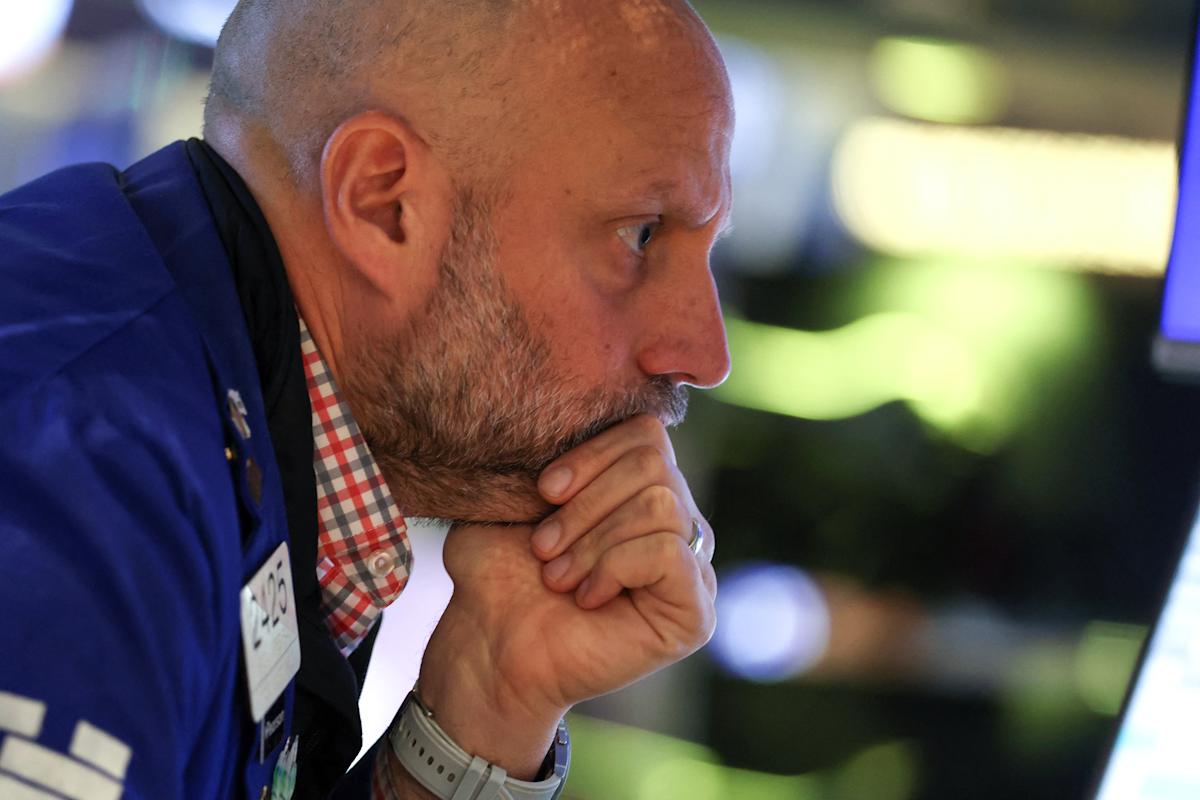
- Market Speculation Risk: CNBC's Jim Cramer expressed growing concern over speculative excess in the IPO market, particularly regarding the potential bubble behavior that could arise from SpaceX's upcoming debut, urging investors to exercise caution.
- SpaceX Valuation Expectations: Cramer noted that SpaceX's IPO could value the company between $1.75 trillion and $2 trillion, and while enthusiasm for Elon Musk and his ventures is high, he warned that the stock could quickly detach from fundamentals.
- Supply-Demand Impact: Cramer emphasized that if SpaceX issues only a small amount of stock, it could lead to a valuation surge to $5 trillion, creating a bubble of its own, which may also set a precedent for other high-profile AI companies like OpenAI and Anthropic.
- Underwriter Responsibility: Cramer urged underwriters to act responsibly in structuring the deal to avoid engineering explosive first-day pops reminiscent of the dot-com era, which could destabilize the overall market.
Trade with 70% Backtested Accuracy
Stop guessing "Should I Buy CBRS?" and start using high-conviction signals backed by rigorous historical data.
Sign up today to access powerful investing tools and make smarter, data-driven decisions.
Analyst Views on CBRS
Wall Street analysts forecast CBRS stock price to rise
0 Analyst Rating
0 Buy
0 Hold
0 Sell
Current: 311.070

Low
Averages
High
Current: 311.070
Low
Averages
High

No data
About the author

Emily J. Thompson
Emily J. Thompson, a Chartered Financial Analyst (CFA) with 12 years in investment research, graduated with honors from the Wharton School. Specializing in industrial and technology stocks, she provides in-depth analysis for Intellectia’s earnings and market brief reports.
Cerebras Systems Shares Volatile Post-IPO

- IPO Performance: Cerebras Systems priced its IPO at $185 per share, opening at $350 with an 89% gain, but saw shares drop over 5% on the second trading day, indicating market concerns about its valuation.
- Capital Raised: The company offered 30 million shares, raising $5.55 billion, capitalizing on strong investor demand for AI-related stocks, although the volatility may affect future investor confidence.
- Revenue Growth Comparison: Cerebras reported a 96% year-over-year revenue increase to $171 million, while Nvidia's data center revenue reached $62.13 billion in its latest quarter, up 75%, highlighting both the potential and challenges for Cerebras in the AI market.
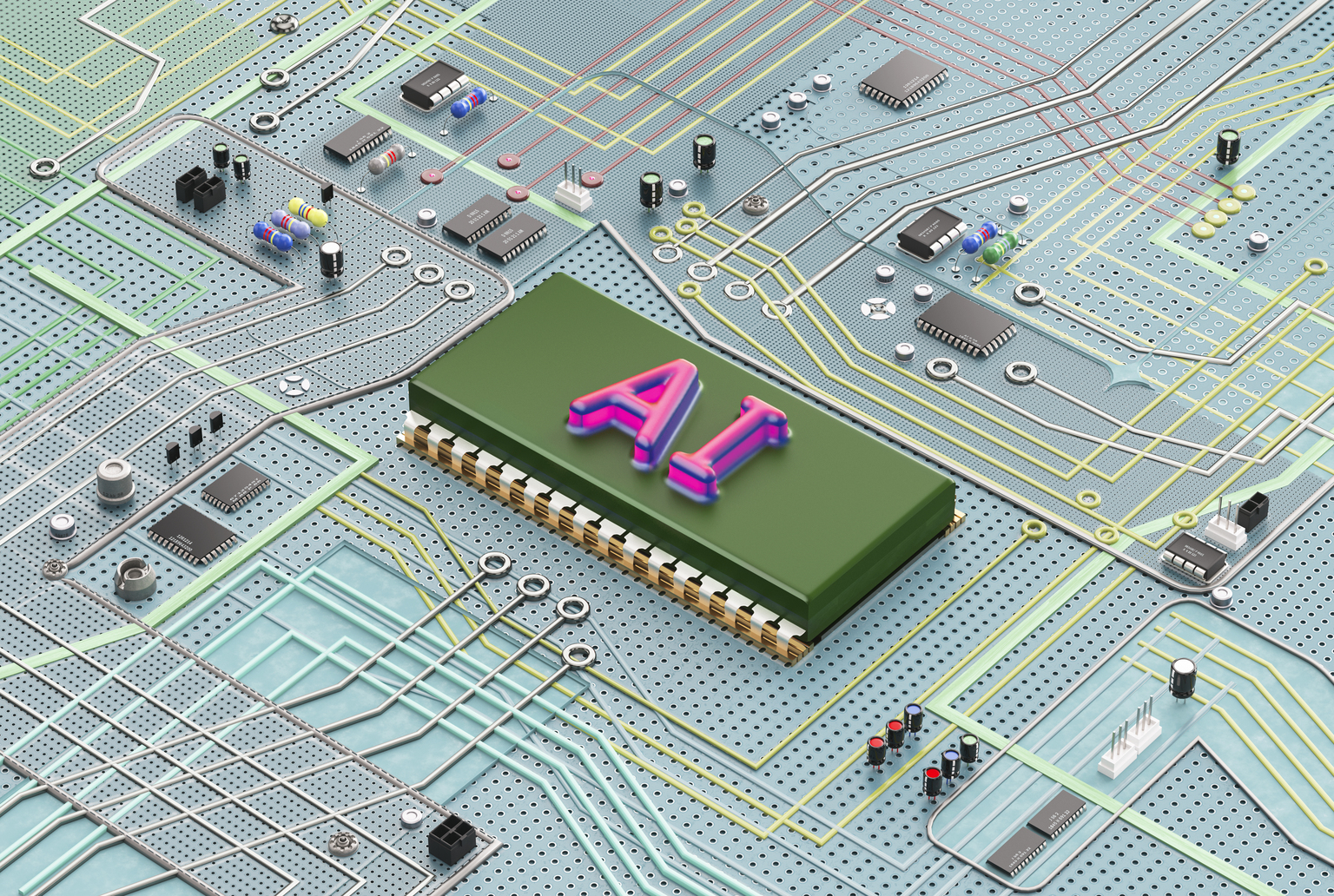
- Technological Edge: The Wafer-Scale Engine 3 is touted as the fastest commercial AI processor globally, being 58 times larger than leading GPU chips and outperforming Nvidia's solutions in power efficiency and inference speed, attracting top clients like OpenAI and Amazon.
See More
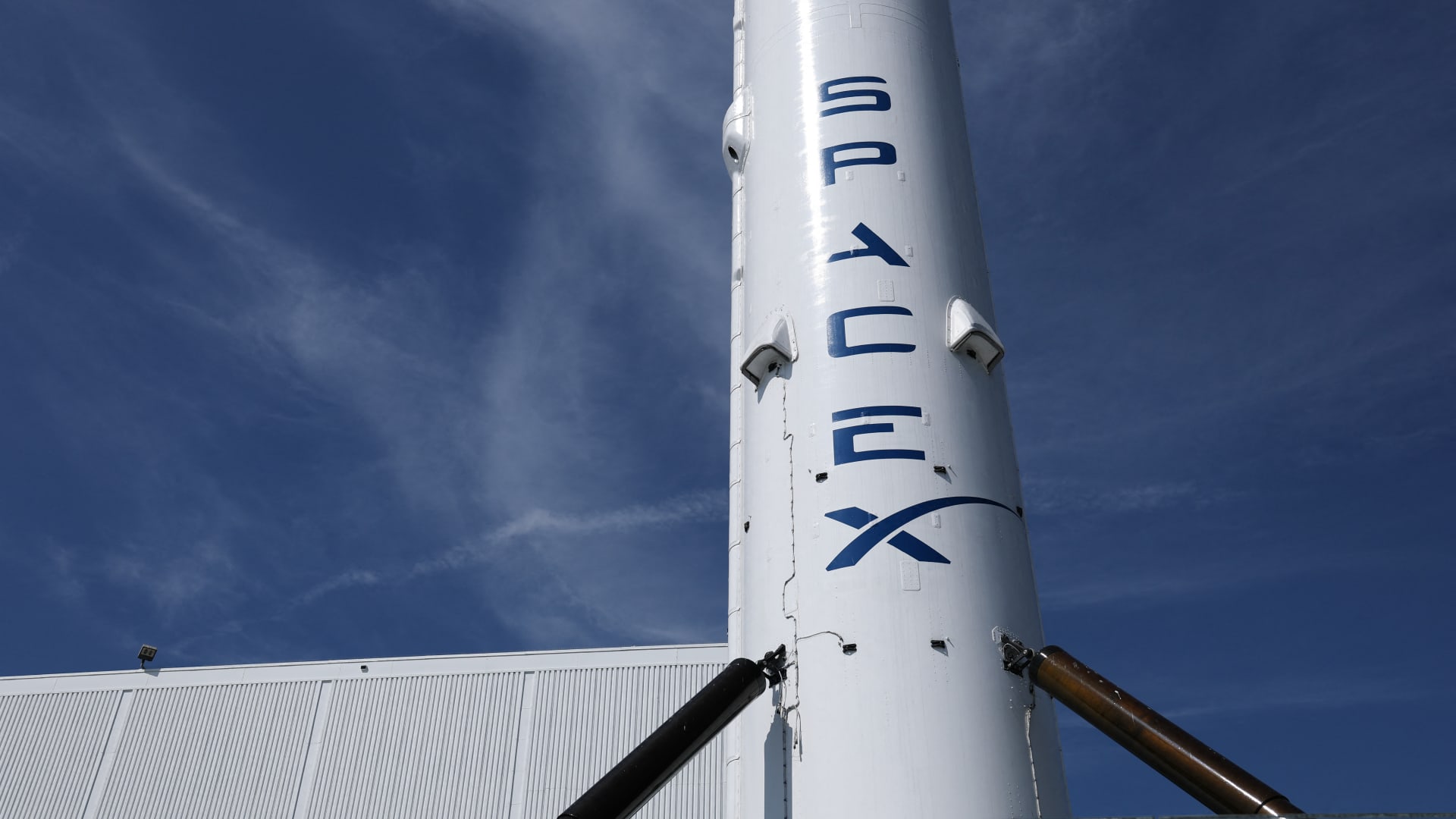
Jim Cramer Warns of SpaceX IPO Bubble Risks
- Speculative Concerns: Jim Cramer expresses growing worries about speculative excess in the IPO market, particularly following the successful debut of Cerebras Systems, which could lead to excessive demand for SpaceX shares and a detachment from fundamentals.
- SpaceX Valuation Expectations: Media reports suggest that SpaceX could be valued between $1.75 trillion and $2 trillion, with Cramer warning that if too few shares are issued, the valuation could soar to $5 trillion, creating a bubble of its own.
- Potential Market Impact: Cramer notes that a wave of massive tech IPOs could weigh on the overall market, as investors may need to sell existing holdings to raise cash for new issues, potentially destabilizing market conditions.
- Underwriters' Critical Role: Cramer emphasizes the importance of underwriters acting responsibly in structuring the deal to avoid explosive first-day pops reminiscent of the dot-com era, which could lead to significant market breakdowns.
See More

Cramer Warns of Speculative Excess in IPO Market Ahead of SpaceX Debut
- Market Speculation Risk: CNBC's Jim Cramer expressed growing concern over speculative excess in the IPO market, particularly regarding the potential bubble behavior that could arise from SpaceX's upcoming debut, urging investors to exercise caution.
- SpaceX Valuation Expectations: Cramer noted that SpaceX's IPO could value the company between $1.75 trillion and $2 trillion, and while enthusiasm for Elon Musk and his ventures is high, he warned that the stock could quickly detach from fundamentals.
- Supply-Demand Impact: Cramer emphasized that if SpaceX issues only a small amount of stock, it could lead to a valuation surge to $5 trillion, creating a bubble of its own, which may also set a precedent for other high-profile AI companies like OpenAI and Anthropic.
- Underwriter Responsibility: Cramer urged underwriters to act responsibly in structuring the deal to avoid engineering explosive first-day pops reminiscent of the dot-com era, which could destabilize the overall market.
See More

Historic Largest AI IPO Deal Completed


- Cerebras Systems IPO: Cerebras Systems successfully went public, raising $5.55 billion with a market cap of $54.9 billion, featuring its innovative Wafer-Scale Engine chip that is 58 times larger than NVIDIA's B200 and boasts 2,625 times more memory bandwidth; while currently unprofitable, multi-year agreements with OpenAI and AWS provide revenue visibility for the future.
- Fervo Energy Financing: Fervo Energy raised $1.9 billion in its IPO, achieving an $8.8 billion market cap, focusing on expanding the scalability and geographic reach of geothermal energy, with commercial operations expected to start by late 2026, indicating significant potential in the renewable energy sector due to its capital-intensive projects.
- GMR Solutions Performance: After scaling back its offering, GMR Solutions raised $479 million with a market cap of $3.8 billion, being the largest EMS provider in the US; its extensive operational network serves as a critical entry point into the healthcare system, although a post-IPO leverage of 3.5x raises market concerns, reflected in an 11% drop in stock price.
- EagleRock Land Acquisition: EagleRock Land priced its IPO at $320 million, achieving a market cap of $2.4 billion, controlling approximately 236,000 acres for oil and gas activities, demonstrating strong profitability with a 17% stock price increase, highlighting its robust market position in the Permian Basin.
See More
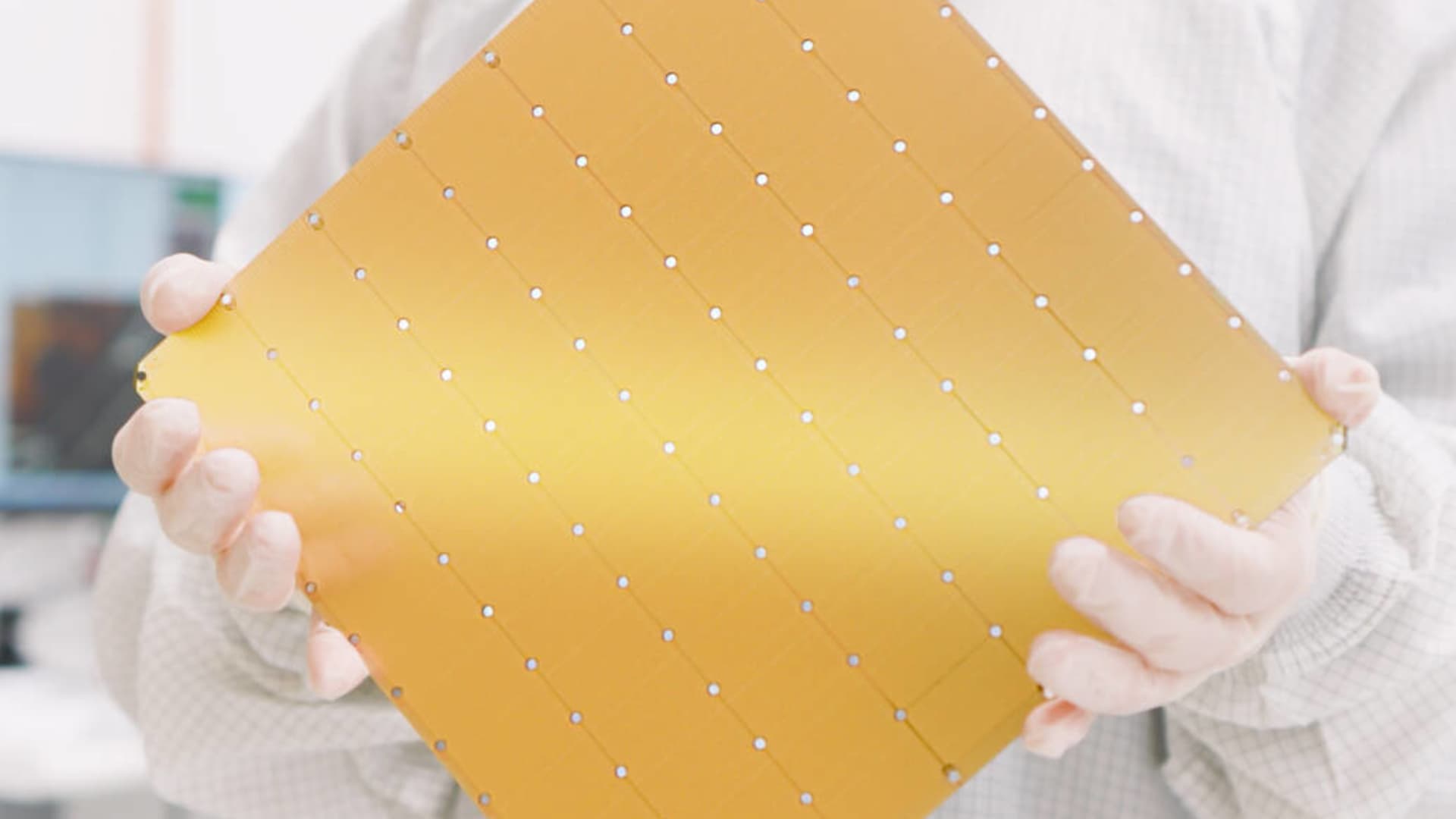
Cerebras IPO Surges, Nears $100 Billion Market Cap


- Strong IPO Performance: Cerebras closed its first day of trading with a market cap nearing $100 billion, marking it as one of the largest IPOs in tech history and signaling robust market demand for AI chips.
- Chip Technology Innovation: The WSE-3 chip from Cerebras is 57 times larger than traditional GPUs and contains 50 times the number of transistors, providing a competitive edge in AI applications despite using a less advanced 5-nanometer process.
- Robust Market Demand: The CFO of Cerebras noted that the overwhelming demand for their fast inference products has led to supply challenges, with expectations of tight capacity until 2027, highlighting the immense potential of the AI chip market.
- Intensifying Industry Competition: The successful IPO of Cerebras paves the way for other custom ASIC startups, particularly as demand for AI chips surges, with competitors like Groq and SambaNova actively vying for market share.
See More
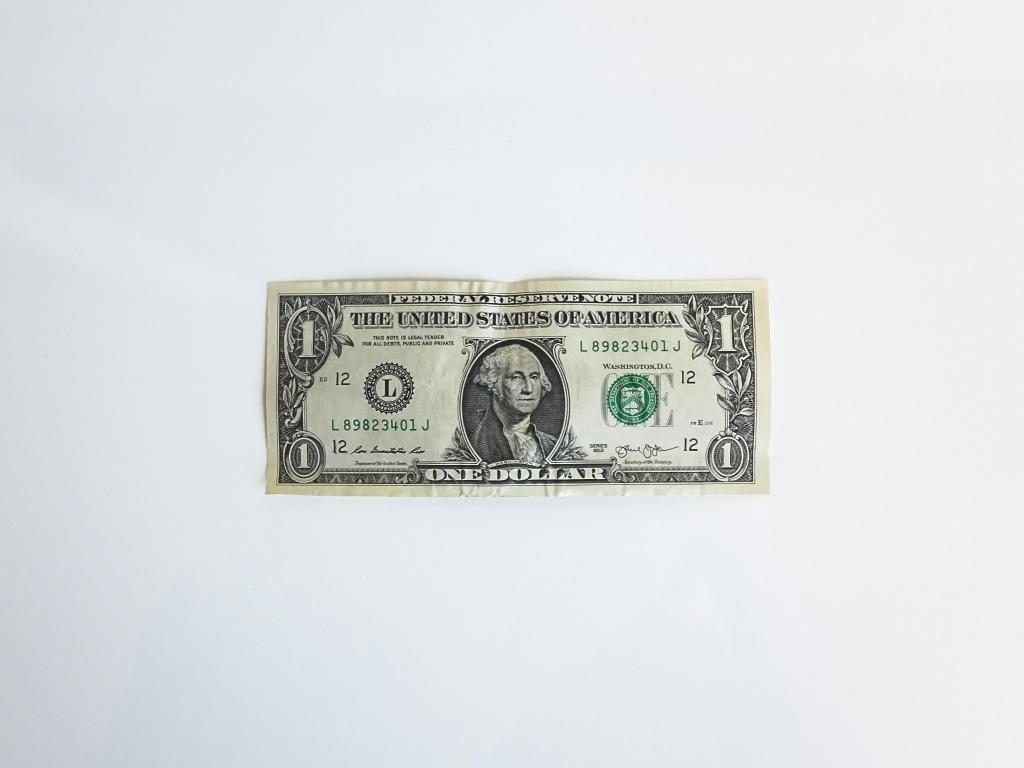
Cerebras' Successful IPO Signals Surge in AI Chip Demand
- Strong IPO Performance: Cerebras closed its first trading day on Wall Street with a market cap nearing $100 billion, marking it as one of the largest IPOs in tech history, reflecting the robust demand for AI chips amid Nvidia's GPU shortages.
- Chip Innovation Advantage: The WSE-3 chip from Cerebras is the size of a dinner plate and boasts 50 times the number of transistors compared to the largest GPU, enabling it to process more information in less time, highlighting its technological leadership in the custom ASIC market.
- Intensifying Market Competition: With Cerebras' successful IPO, other custom ASIC startups like SambaNova and Rebellions are also gearing up for public offerings, indicating a rapidly intensifying competition in the AI chip market and a sustained demand for high-performance chips.
- Cloud Service Expansion: Cerebras primarily operates its chips within its own data centers and has signed a $20 billion cloud service agreement with OpenAI, facing a supply-demand imbalance expected to persist until 2027, further solidifying its market position in cloud computing.
See More
Cerebras Systems Shares Volatile Post-IPO
- IPO Performance: Cerebras Systems priced its IPO at $185 per share, opening at $350 with an 89% gain, but saw shares drop over 5% on the second trading day, indicating market concerns about its valuation.
- Capital Raised: The company offered 30 million shares, raising $5.55 billion, capitalizing on strong investor demand for AI-related stocks, although the volatility may affect future investor confidence.
- Revenue Growth Comparison: Cerebras reported a 96% year-over-year revenue increase to $171 million, while Nvidia's data center revenue reached $62.13 billion in its latest quarter, up 75%, highlighting both the potential and challenges for Cerebras in the AI market.
- Technological Edge: The Wafer-Scale Engine 3 is touted as the fastest commercial AI processor globally, being 58 times larger than leading GPU chips and outperforming Nvidia's solutions in power efficiency and inference speed, attracting top clients like OpenAI and Amazon.
See More
Jim Cramer Warns of SpaceX IPO Bubble Risks
- Speculative Concerns: Jim Cramer expresses growing worries about speculative excess in the IPO market, particularly following the successful debut of Cerebras Systems, which could lead to excessive demand for SpaceX shares and a detachment from fundamentals.
- SpaceX Valuation Expectations: Media reports suggest that SpaceX could be valued between $1.75 trillion and $2 trillion, with Cramer warning that if too few shares are issued, the valuation could soar to $5 trillion, creating a bubble of its own.
- Potential Market Impact: Cramer notes that a wave of massive tech IPOs could weigh on the overall market, as investors may need to sell existing holdings to raise cash for new issues, potentially destabilizing market conditions.
- Underwriters' Critical Role: Cramer emphasizes the importance of underwriters acting responsibly in structuring the deal to avoid explosive first-day pops reminiscent of the dot-com era, which could lead to significant market breakdowns.
See More
Cramer Warns of Speculative Excess in IPO Market Ahead of SpaceX Debut
- Market Speculation Risk: CNBC's Jim Cramer expressed growing concern over speculative excess in the IPO market, particularly regarding the potential bubble behavior that could arise from SpaceX's upcoming debut, urging investors to exercise caution.
- SpaceX Valuation Expectations: Cramer noted that SpaceX's IPO could value the company between $1.75 trillion and $2 trillion, and while enthusiasm for Elon Musk and his ventures is high, he warned that the stock could quickly detach from fundamentals.
- Supply-Demand Impact: Cramer emphasized that if SpaceX issues only a small amount of stock, it could lead to a valuation surge to $5 trillion, creating a bubble of its own, which may also set a precedent for other high-profile AI companies like OpenAI and Anthropic.
- Underwriter Responsibility: Cramer urged underwriters to act responsibly in structuring the deal to avoid engineering explosive first-day pops reminiscent of the dot-com era, which could destabilize the overall market.
See More
Historic Largest AI IPO Deal Completed
- Cerebras Systems IPO: Cerebras Systems successfully went public, raising $5.55 billion with a market cap of $54.9 billion, featuring its innovative Wafer-Scale Engine chip that is 58 times larger than NVIDIA's B200 and boasts 2,625 times more memory bandwidth; while currently unprofitable, multi-year agreements with OpenAI and AWS provide revenue visibility for the future.
- Fervo Energy Financing: Fervo Energy raised $1.9 billion in its IPO, achieving an $8.8 billion market cap, focusing on expanding the scalability and geographic reach of geothermal energy, with commercial operations expected to start by late 2026, indicating significant potential in the renewable energy sector due to its capital-intensive projects.
- GMR Solutions Performance: After scaling back its offering, GMR Solutions raised $479 million with a market cap of $3.8 billion, being the largest EMS provider in the US; its extensive operational network serves as a critical entry point into the healthcare system, although a post-IPO leverage of 3.5x raises market concerns, reflected in an 11% drop in stock price.
- EagleRock Land Acquisition: EagleRock Land priced its IPO at $320 million, achieving a market cap of $2.4 billion, controlling approximately 236,000 acres for oil and gas activities, demonstrating strong profitability with a 17% stock price increase, highlighting its robust market position in the Permian Basin.
See More
Cerebras IPO Surges, Nears $100 Billion Market Cap
- Strong IPO Performance: Cerebras closed its first day of trading with a market cap nearing $100 billion, marking it as one of the largest IPOs in tech history and signaling robust market demand for AI chips.
- Chip Technology Innovation: The WSE-3 chip from Cerebras is 57 times larger than traditional GPUs and contains 50 times the number of transistors, providing a competitive edge in AI applications despite using a less advanced 5-nanometer process.
- Robust Market Demand: The CFO of Cerebras noted that the overwhelming demand for their fast inference products has led to supply challenges, with expectations of tight capacity until 2027, highlighting the immense potential of the AI chip market.
- Intensifying Industry Competition: The successful IPO of Cerebras paves the way for other custom ASIC startups, particularly as demand for AI chips surges, with competitors like Groq and SambaNova actively vying for market share.
See More
Cerebras' Successful IPO Signals Surge in AI Chip Demand
- Strong IPO Performance: Cerebras closed its first trading day on Wall Street with a market cap nearing $100 billion, marking it as one of the largest IPOs in tech history, reflecting the robust demand for AI chips amid Nvidia's GPU shortages.
- Chip Innovation Advantage: The WSE-3 chip from Cerebras is the size of a dinner plate and boasts 50 times the number of transistors compared to the largest GPU, enabling it to process more information in less time, highlighting its technological leadership in the custom ASIC market.
- Intensifying Market Competition: With Cerebras' successful IPO, other custom ASIC startups like SambaNova and Rebellions are also gearing up for public offerings, indicating a rapidly intensifying competition in the AI chip market and a sustained demand for high-performance chips.
- Cloud Service Expansion: Cerebras primarily operates its chips within its own data centers and has signed a $20 billion cloud service agreement with OpenAI, facing a supply-demand imbalance expected to persist until 2027, further solidifying its market position in cloud computing.
See More