

Costco (COST) Membership Revenue Hits $5.3 Billion in 2026 with Nearly 90% Renewal Rate
Written by Emily J. Thompson, Senior Investment Analyst
Updated: Jan 21 2026
0mins
Source: Fool
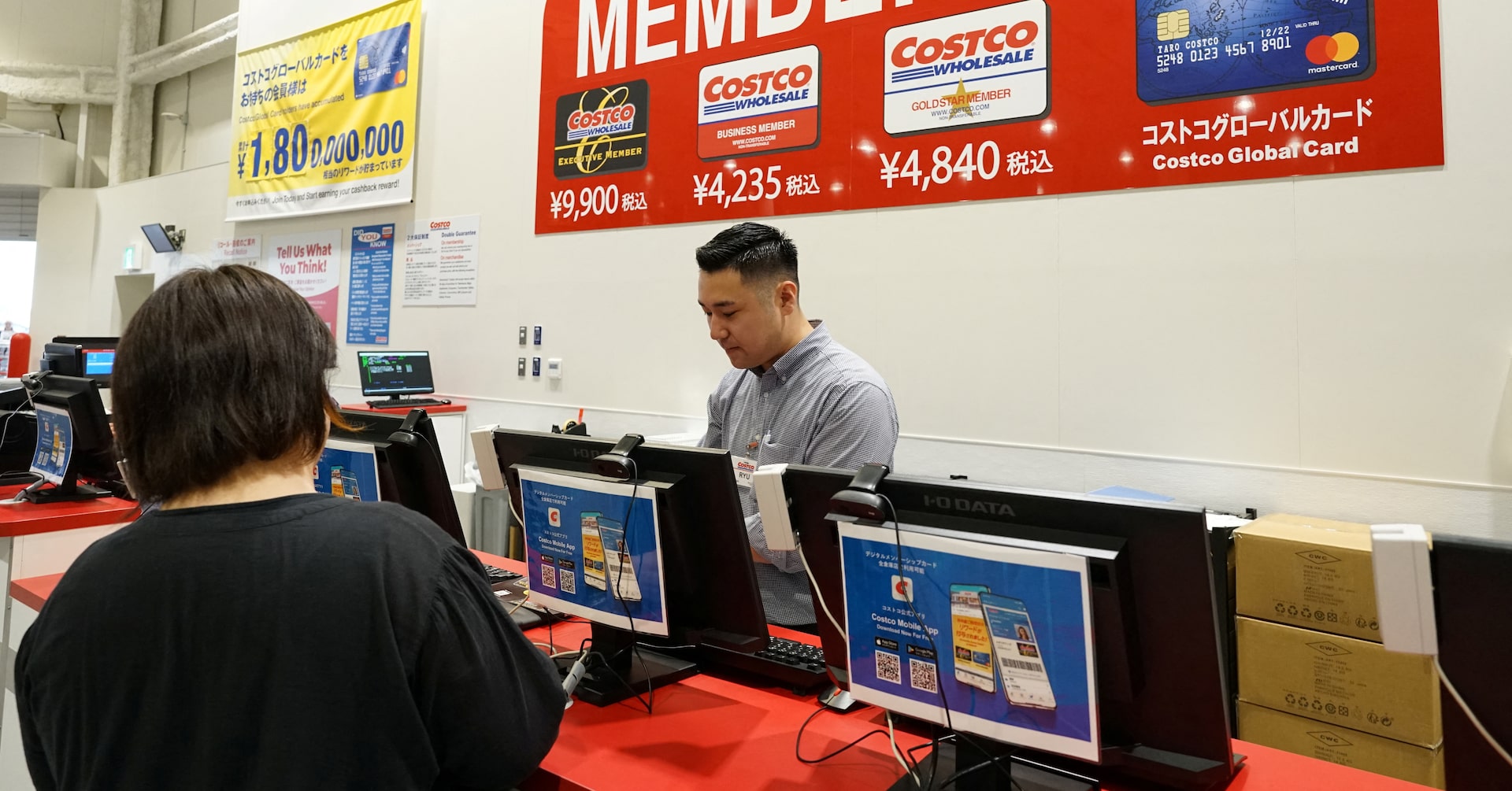
- Membership Revenue Growth: In 2025, Costco's membership revenue reached $5.3 billion, driven by an increase in paid memberships and a fee hike implemented in late 2024, with renewal rates nearing 90% globally, showcasing strong brand appeal and customer loyalty.
- International Expansion Potential: Operating over 900 warehouses globally, Costco has seen strong performance in markets like China, with future success hinging on converting international locations into high-quality membership bases that maintain North American renewal rates, thereby driving long-term growth.
- Profitability and Valuation: Costco's stock trades at a premium valuation above retail peers and historical averages, with investors looking for continued earnings growth in 2026 driven by operating leverage, steady sales growth, and expanding membership income to justify its high valuation.
- Execution Challenge: 2026 will serve as a test of Costco's execution capabilities, as investors seek evidence of the company's performance in global expansion, sustained membership growth, and profitability to reinforce its status as a reliable compounder in the market.
Trade with 70% Backtested Accuracy
Stop guessing "Should I Buy COST?" and start using high-conviction signals backed by rigorous historical data.
Sign up today to access powerful investing tools and make smarter, data-driven decisions.
Analyst Views on COST
Wall Street analysts forecast COST stock price to rise
24 Analyst Rating
19 Buy
4 Hold
1 Sell
Strong Buy
Current: 965.590

Low
769.00
Averages
1061
High
1205
Current: 965.590
Low
769.00
Averages
1061
High
1205
About COST
Costco Wholesale Corporation (Costco) operates membership warehouses and e-commerce sites that offer a selection of nationally branded and private-label products in a wide range of categories. The Company buys the majority of its merchandise directly from suppliers and route it to cross-docking consolidation points (depots) or directly to its warehouses. It operates 891 warehouses, including 614 in the United States and Puerto Rico, 108 in Canada, 40 in Mexico, 35 in Japan, 29 in the United Kingdom, 19 in Korea, 15 in Australia, 14 in Taiwan, seven in China, five in Spain, two in France, and one each in Iceland, New Zealand and Sweden. It also operates e-commerce sites in the United States, Canada, the United Kingdom, Mexico, Korea, Taiwan, Japan and Australia. The Company provides wide selection of merchandise, plus the convenience of specialty departments and exclusive member services.
About the author

Emily J. Thompson
Emily J. Thompson, a Chartered Financial Analyst (CFA) with 12 years in investment research, graduated with honors from the Wharton School. Specializing in industrial and technology stocks, she provides in-depth analysis for Intellectia’s earnings and market brief reports.
IWF Stock Price Analysis and ETF Dynamics


- Price Fluctuation Analysis: IWF's 52-week low is $100.4703 per share, with a high of $129.14, while the last trade was at $122.79, indicating price volatility near the high point that may influence investor buying decisions.
- Technical Analysis Tool: Comparing the latest share price to the 200-day moving average provides valuable insights for investors, aiding in market trend assessment and potential buying opportunities.
- ETF Trading Mechanism: Exchange-traded funds (ETFs) trade like stocks, where investors buy and sell 'units' that can be created or destroyed based on demand, impacting liquidity and market performance.
- Inflows and Outflows Monitoring: Weekly monitoring of changes in ETF shares outstanding focuses on those experiencing notable inflows (new units created) or outflows (old units destroyed), assessing their impact on underlying assets and market sentiment.
See More

New Fed Chair Speaks, Apple Price Hike Looms


- New Fed Chair: Kevin Warsh's assertive tone at his first press conference indicates a potential shift in monetary policy, leading to an overreaction in the market, as evidenced by rising futures this morning, which may influence investor sentiment moving forward.
- Apple Price Increase: Apple plans to raise prices on its iPhone Pro model by approximately $270 due to surging memory costs, while carriers may still offer attractive deals to cushion the impact on consumers, which could affect Apple's competitive positioning in the market.
- Intel Collaboration News: President Trump announced on social media that Apple has agreed to collaborate with Intel to design and manufacture chips in America, resulting in a surge in Intel's stock price, reflecting a strong support for domestic manufacturing and potential growth opportunities.
- Marvell Price Target Increase: KeyBanc raised Marvell's price target from $260 to $385, with analysts expressing optimism about the company's prospects in server networking, indicating strong confidence in its future growth potential.
See More

Target Approves 55th Consecutive Dividend Increase


- Dividend Growth: Target has approved an annual dividend of $4.64 per share, reflecting a modest 1.8% increase, the smallest in 55 years, which may disappoint some investors but still demonstrates the company's commitment to shareholders.
- Sales Recovery: In Q1 of fiscal 2026, Target's net sales surged nearly 7%, contrasting sharply with a 2% decline in fiscal 2025, indicating a gradual recovery under the new CEO's leadership.
- Investment and Costs: Despite a 25% drop in Q1 profit to $781 million, the company's $5 billion investment in technology and product mix led to a 21% increase in selling, general, and administrative expenses, explaining the modest dividend hike.
- Liquidity Assurance: With $3.5 billion in liquidity, Target can cover its $516 million dividend payments in the near term, even though it reported negative free cash flow of $319 million, as its $2.8 billion free cash flow in fiscal 2025 sufficiently covered nearly $2.1 billion in dividend costs.
See More

Retail Winners Amid Inflationary Pressures
- Strong Performance by TJX: In the first quarter of fiscal 2027, TJX reported a 9% year-over-year sales increase, with comparable sales up 6% and earnings per share rising 29% to $1.29, reflecting robust performance in a high-inflation environment, prompting management to raise full-year guidance.
- Diverse Business Model: With over 5,000 stores across 10 countries and six e-commerce sites, TJX attracts a large number of value-seeking consumers by purchasing overstock and post-season merchandise, enhancing its market share and competitive edge.
- Costco's Price Advantage: Costco's sales grew 11.6% year-over-year in the third quarter of fiscal 2026, with comparable sales up 9.8% and e-commerce sales rising 21.5%, demonstrating its strong appeal and profitability during inflationary periods.
- Long-Term Growth Potential: Costco aims to open 30 new stores annually, currently operating only 639 locations in the U.S. and not yet in every state, indicating significant future growth opportunities, with a dividend yield of 0.6% at present.
See More

Target Announces Smallest Dividend Hike in 55 Years Amid Challenges
- Sales Recovery: Target's net sales surged nearly 7% in Q1, contrasting with a 2% decline in fiscal 2025, indicating a gradual recovery under new CEO leadership, although overall profitability remains under pressure.
- Dividend Policy: The company approved an annual dividend of $4.64 per share, with a modest 1.8% increase marking the smallest hike in 55 years, yet it maintains its 'Dividend King' status, reflecting a commitment to shareholders.
- Investment Commitment: The new CEO has pledged $5 billion to upgrade stores and improve product mix, aiming to enhance long-term competitiveness and market share despite challenges like high inventory and rising operational costs.
- Financial Position: Although Q1 free cash flow was negative at $319 million, the company holds $3.5 billion in liquidity, sufficient to cover quarterly dividend expenses, indicating short-term financial stability.
See More

TJX and Costco Thrive Amid High Inflation Environment
- TJX Sales Growth: In the first quarter of fiscal 2027, TJX reported a 9% year-over-year sales increase and a 6% rise in comparable store sales, with earnings per share (EPS) up 29% to $1.29, demonstrating strong performance during high inflation and an expectation to capture more market share.
- Costco Pricing Strategy: Costco is lowering prices on staple items to attract customers, reporting an 11.6% year-over-year sales increase and a 9.8% rise in comparable sales for the third quarter of fiscal 2026, along with a 21.5% growth in e-commerce sales, showcasing its strong market appeal.
- Long-Term Growth Potential: Costco aims to open 30 new stores annually, currently operating only 639 locations in the U.S. and just beginning its international expansion, providing a robust growth trajectory that will further solidify its market position.
- Dividend Yields: Both TJX and Costco offer growing dividends, with current yields of 1% and 0.6% respectively, providing additional returns for shareholders and bolstering investor confidence amid economic uncertainties.
See More
IWF Stock Price Analysis and ETF Dynamics
- Price Fluctuation Analysis: IWF's 52-week low is $100.4703 per share, with a high of $129.14, while the last trade was at $122.79, indicating price volatility near the high point that may influence investor buying decisions.
- Technical Analysis Tool: Comparing the latest share price to the 200-day moving average provides valuable insights for investors, aiding in market trend assessment and potential buying opportunities.
- ETF Trading Mechanism: Exchange-traded funds (ETFs) trade like stocks, where investors buy and sell 'units' that can be created or destroyed based on demand, impacting liquidity and market performance.
- Inflows and Outflows Monitoring: Weekly monitoring of changes in ETF shares outstanding focuses on those experiencing notable inflows (new units created) or outflows (old units destroyed), assessing their impact on underlying assets and market sentiment.
See More
New Fed Chair Speaks, Apple Price Hike Looms
- New Fed Chair: Kevin Warsh's assertive tone at his first press conference indicates a potential shift in monetary policy, leading to an overreaction in the market, as evidenced by rising futures this morning, which may influence investor sentiment moving forward.
- Apple Price Increase: Apple plans to raise prices on its iPhone Pro model by approximately $270 due to surging memory costs, while carriers may still offer attractive deals to cushion the impact on consumers, which could affect Apple's competitive positioning in the market.
- Intel Collaboration News: President Trump announced on social media that Apple has agreed to collaborate with Intel to design and manufacture chips in America, resulting in a surge in Intel's stock price, reflecting a strong support for domestic manufacturing and potential growth opportunities.
- Marvell Price Target Increase: KeyBanc raised Marvell's price target from $260 to $385, with analysts expressing optimism about the company's prospects in server networking, indicating strong confidence in its future growth potential.
See More
Target Approves 55th Consecutive Dividend Increase
- Dividend Growth: Target has approved an annual dividend of $4.64 per share, reflecting a modest 1.8% increase, the smallest in 55 years, which may disappoint some investors but still demonstrates the company's commitment to shareholders.
- Sales Recovery: In Q1 of fiscal 2026, Target's net sales surged nearly 7%, contrasting sharply with a 2% decline in fiscal 2025, indicating a gradual recovery under the new CEO's leadership.
- Investment and Costs: Despite a 25% drop in Q1 profit to $781 million, the company's $5 billion investment in technology and product mix led to a 21% increase in selling, general, and administrative expenses, explaining the modest dividend hike.
- Liquidity Assurance: With $3.5 billion in liquidity, Target can cover its $516 million dividend payments in the near term, even though it reported negative free cash flow of $319 million, as its $2.8 billion free cash flow in fiscal 2025 sufficiently covered nearly $2.1 billion in dividend costs.
See More
Retail Winners Amid Inflationary Pressures
- Strong Performance by TJX: In the first quarter of fiscal 2027, TJX reported a 9% year-over-year sales increase, with comparable sales up 6% and earnings per share rising 29% to $1.29, reflecting robust performance in a high-inflation environment, prompting management to raise full-year guidance.
- Diverse Business Model: With over 5,000 stores across 10 countries and six e-commerce sites, TJX attracts a large number of value-seeking consumers by purchasing overstock and post-season merchandise, enhancing its market share and competitive edge.
- Costco's Price Advantage: Costco's sales grew 11.6% year-over-year in the third quarter of fiscal 2026, with comparable sales up 9.8% and e-commerce sales rising 21.5%, demonstrating its strong appeal and profitability during inflationary periods.
- Long-Term Growth Potential: Costco aims to open 30 new stores annually, currently operating only 639 locations in the U.S. and not yet in every state, indicating significant future growth opportunities, with a dividend yield of 0.6% at present.
See More
Target Announces Smallest Dividend Hike in 55 Years Amid Challenges
- Sales Recovery: Target's net sales surged nearly 7% in Q1, contrasting with a 2% decline in fiscal 2025, indicating a gradual recovery under new CEO leadership, although overall profitability remains under pressure.
- Dividend Policy: The company approved an annual dividend of $4.64 per share, with a modest 1.8% increase marking the smallest hike in 55 years, yet it maintains its 'Dividend King' status, reflecting a commitment to shareholders.
- Investment Commitment: The new CEO has pledged $5 billion to upgrade stores and improve product mix, aiming to enhance long-term competitiveness and market share despite challenges like high inventory and rising operational costs.
- Financial Position: Although Q1 free cash flow was negative at $319 million, the company holds $3.5 billion in liquidity, sufficient to cover quarterly dividend expenses, indicating short-term financial stability.
See More
TJX and Costco Thrive Amid High Inflation Environment
- TJX Sales Growth: In the first quarter of fiscal 2027, TJX reported a 9% year-over-year sales increase and a 6% rise in comparable store sales, with earnings per share (EPS) up 29% to $1.29, demonstrating strong performance during high inflation and an expectation to capture more market share.
- Costco Pricing Strategy: Costco is lowering prices on staple items to attract customers, reporting an 11.6% year-over-year sales increase and a 9.8% rise in comparable sales for the third quarter of fiscal 2026, along with a 21.5% growth in e-commerce sales, showcasing its strong market appeal.
- Long-Term Growth Potential: Costco aims to open 30 new stores annually, currently operating only 639 locations in the U.S. and just beginning its international expansion, providing a robust growth trajectory that will further solidify its market position.
- Dividend Yields: Both TJX and Costco offer growing dividends, with current yields of 1% and 0.6% respectively, providing additional returns for shareholders and bolstering investor confidence amid economic uncertainties.
See More




