Corporate Earnings Disconnected from Economic Reality
Written by Emily J. Thompson, Senior Investment Analyst
Updated: 48 minutes ago
0mins
Source: Fool
- Earnings Beat Expectations: Approximately 84% of S&P 500 companies exceeded analysts' earnings-per-share (EPS) estimates in Q1, showcasing their success in cost control and efficiency improvements despite a challenging economic backdrop.
- Cost Protection Measures: Many large corporations have implemented cost-cutting, automation, and streamlined supply chains over the past few years to protect margins, and these measures have persisted even as inflation moderated, enhancing their resilience against economic pressures.
- Consumer Spending Resilience: While consumer spending has slowed, U.S. retail sales still exceeded $757 billion in April, with unemployment remaining at 4.3%, indicating that consumers continue to spend on travel, entertainment, and technology, supporting certain sectors of the economy.
- Strong Tech Performance: Major tech companies like Microsoft and Nvidia continue to benefit from AI-related spending and cloud infrastructure demand, with Microsoft reporting an 18% revenue growth, significantly impacting overall S&P 500 earnings results.
Trade with 70% Backtested Accuracy
Stop guessing "Should I Buy MSFT?" and start using high-conviction signals backed by rigorous historical data.
Sign up today to access powerful investing tools and make smarter, data-driven decisions.
Analyst Views on MSFT
Wall Street analysts forecast MSFT stock price to rise
34 Analyst Rating
32 Buy
2 Hold
0 Sell
Strong Buy
Current: 426.990

Low
500.00
Averages
631.36
High
678.00
Current: 426.990
Low
500.00
Averages
631.36
High
678.00
About MSFT
Microsoft Corporation is a technology company. The Company develops and supports software, services, devices, and solutions. The Company’s segments include Productivity and Business Processes, Intelligent Cloud, and More Personal Computing. The Productivity and Business Processes segment consists of products and services in its portfolio of productivity, communication, and information services. This segment primarily comprises: Office Commercial, Office Consumer, LinkedIn, and Dynamics business solutions. The Intelligent Cloud segment consists of server products and cloud services, including Azure and other cloud services, SQL Server, Windows Server, Visual Studio, System Center, and related Client Access Licenses (CALs), and Nuance and GitHub; and Enterprise Services, including enterprise support services, industry solutions and Nuance professional services. The More Personal Computing segment primarily comprises Windows, Devices, Gaming, and search and news advertising.
About the author

Emily J. Thompson
Emily J. Thompson, a Chartered Financial Analyst (CFA) with 12 years in investment research, graduated with honors from the Wharton School. Specializing in industrial and technology stocks, she provides in-depth analysis for Intellectia’s earnings and market brief reports.
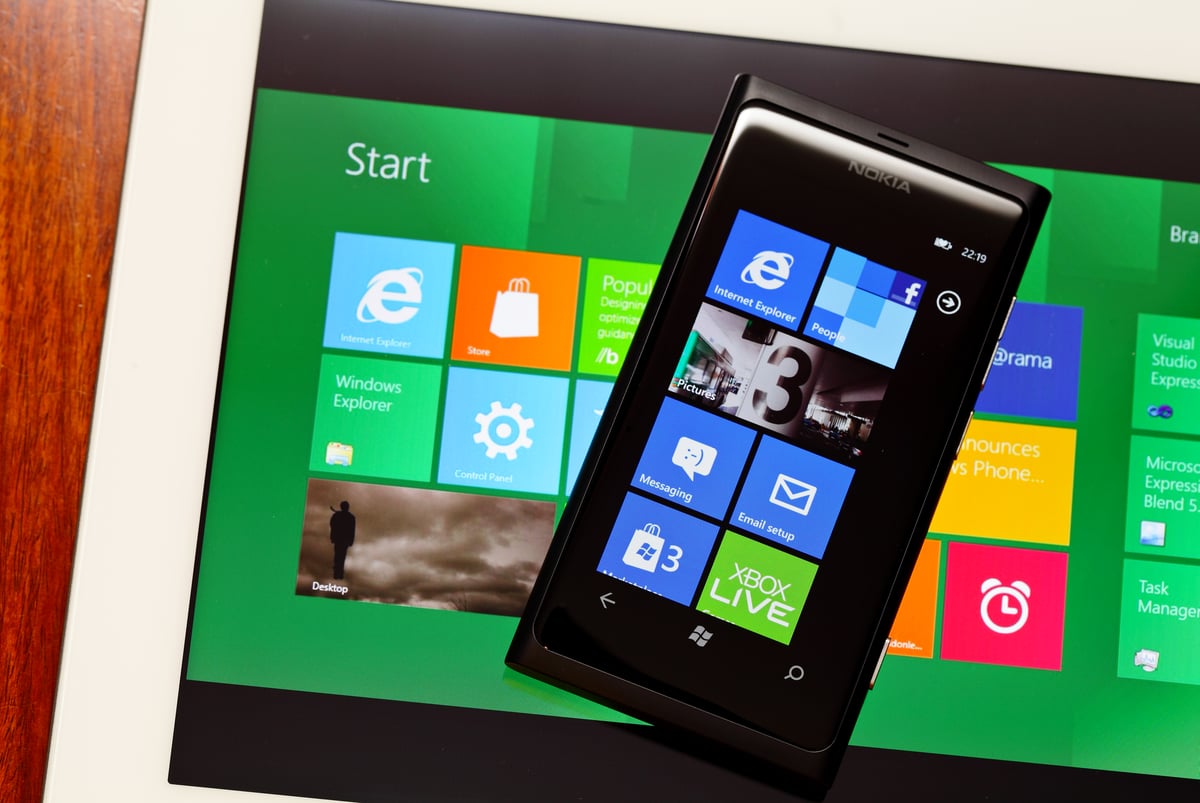
Microsoft Stock Investment Opportunity Arises

- Historically Cheap: Microsoft stock is currently trading at around 24 times earnings, significantly lower than its historical average over the past decade, making it an attractive investment opportunity, especially after the bear market of 2022, which has drawn investor interest.
- New Agreement with OpenAI: Microsoft is set to benefit from its new agreement with OpenAI in the next fiscal quarter, with projected income rising to $6 billion from the previously anticipated $4 billion, alleviating investor concerns about cash flow while reducing overall exposure to OpenAI.
- Launch of E7 Platform: On May 1, Microsoft launched Microsoft 365 E7 at $99 per user per month, expected to boost revenue by 2.4% to 2.5%, integrating various products and enhancing enterprise management of AI agents, which could lead to significant revenue increases.
- Analyst Optimism: With 95% of analysts rating Microsoft as a buy and a median 12-month price target of $550, approximately 30% above its current price, there is strong market confidence in Microsoft's growth potential moving forward.
See More

Corporate Earnings Disconnected from Economic Reality

- Earnings Beat Expectations: Approximately 84% of S&P 500 companies exceeded analysts' earnings-per-share (EPS) estimates in Q1, showcasing their success in cost control and efficiency improvements despite a challenging economic backdrop.
- Cost Protection Measures: Many large corporations have implemented cost-cutting, automation, and streamlined supply chains over the past few years to protect margins, and these measures have persisted even as inflation moderated, enhancing their resilience against economic pressures.
- Consumer Spending Resilience: While consumer spending has slowed, U.S. retail sales still exceeded $757 billion in April, with unemployment remaining at 4.3%, indicating that consumers continue to spend on travel, entertainment, and technology, supporting certain sectors of the economy.
- Strong Tech Performance: Major tech companies like Microsoft and Nvidia continue to benefit from AI-related spending and cloud infrastructure demand, with Microsoft reporting an 18% revenue growth, significantly impacting overall S&P 500 earnings results.
See More

Corporate Earnings Show Disconnect from Economic Reality
- Earnings Growth Drivers: Despite a challenging economic environment, 84% of S&P 500 companies exceeded analysts' earnings expectations in Q1, showcasing their success in cost-cutting and efficiency improvements, indicating a significant enhancement in large corporations' ability to protect margins.
- Consumer Spending Resilience: Although consumer spending has slowed, U.S. retail sales still exceeded $757 billion in April, with unemployment remaining low at 4.3%, indicating that consumers continue to spend actively on travel, entertainment, and technology, supporting profitability in related sectors.
- Tech-Driven Growth: Major tech companies like Microsoft and Nvidia benefit from AI-related spending and cloud infrastructure demand, with Microsoft reporting an 18% revenue growth and Nvidia's data center revenue nearly doubling year-over-year, highlighting the tech sector's importance in overall earnings results.
- Economic Outlook Uncertainty: While the current earnings season shows strong performance, economic activity remains weak, with a sluggish housing market and high borrowing costs, suggesting that the gap between corporate earnings and the broader economy may narrow in the future, especially if consumer spending weakens further.
See More

Nvidia Launches N1X Processor to Enter PC Market

- Processor Launch: Nvidia unveiled the N1X processor at the Computex conference in Taipei, marking its entry into the PC market with plans to collaborate with Microsoft, Dell, HP, and others to launch over 30 laptops and 10 desktops, showcasing Nvidia's strong influence in the AI chip sector.
- Technological Innovation: The N1X processor combines Nvidia's Blackwell GPU with an Arm-based CPU designed by MediaTek, featuring 128GB of unified memory and manufactured using TSMC's 3-nanometer technology, which is expected to significantly enhance PC performance, particularly in AI applications.
- Market Potential: Nvidia anticipates the PC market will reach $200 billion, and the launch of the N1X could disrupt Intel and AMD's dominance in the traditional x86 processor market, promoting the widespread adoption of Arm architecture to meet the needs of creators and AI developers.
- Vera CPU Production: Nvidia's Vera CPU is now in full production and set to launch in the fall, with early customers including OpenAI and SpaceX, boasting performance 1.8 times that of current x86 processors, indicating Nvidia's strong growth potential in the data center market.
See More
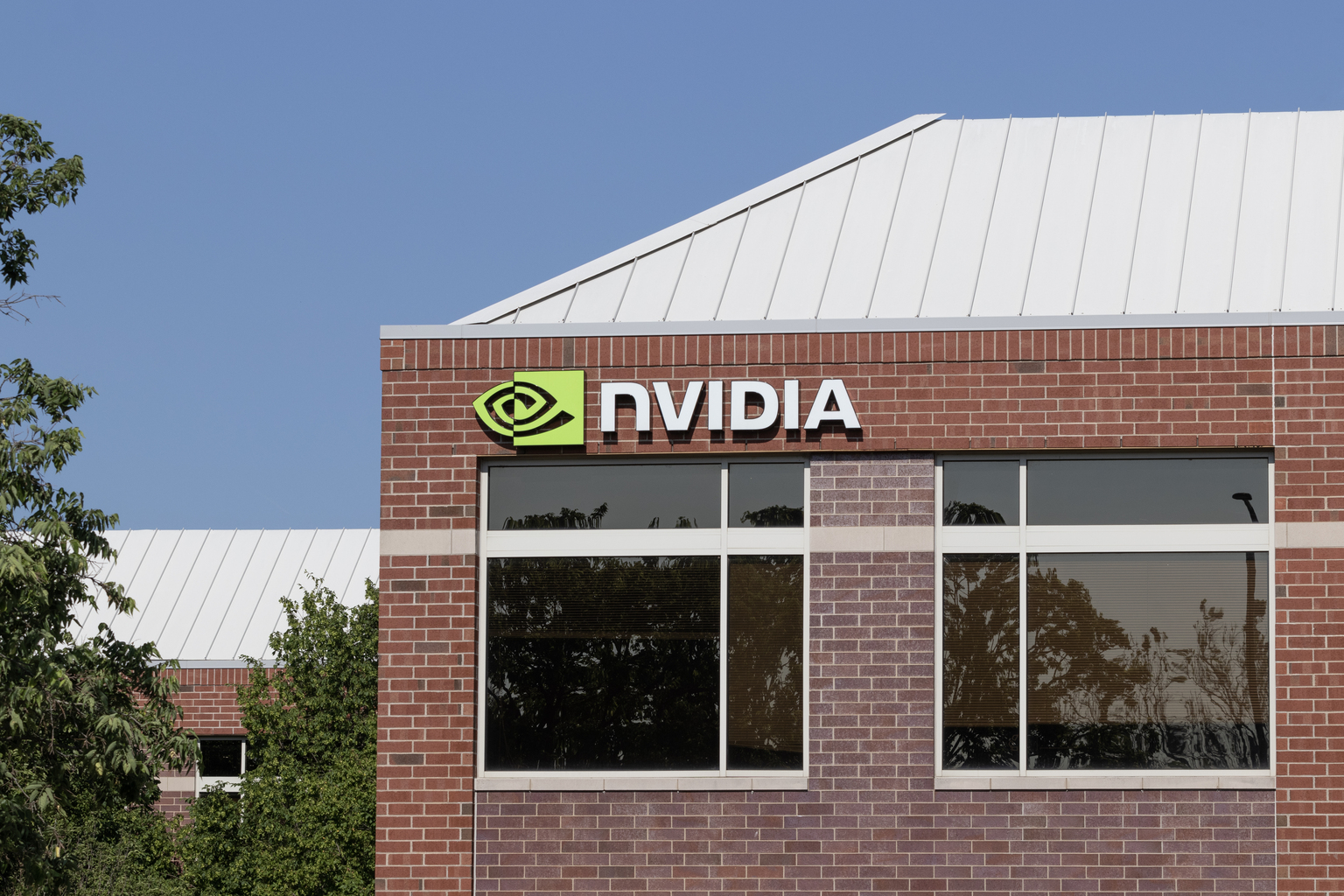
NVIDIA Unveils RTX Spark Superchip, Redefining Personal AI Era for Windows PCs
- Supercharged AI Performance: The NVIDIA RTX Spark superchip boasts 1 petaflop of AI performance, integrating full-stack NVIDIA AI and graphics technology to enhance personal AI agent capabilities on Windows PCs, significantly improving user experience.
- Content Creation and Gaming Optimization: This chip enables creators and game developers to render ultra-large 90GB+ 3D scenes, edit 12K video, and run AAA games at over 100 frames per second, greatly enhancing performance in content creation and gaming.
- Shifting Competitive Landscape: The launch of RTX Spark positions NVIDIA and Microsoft to directly challenge the market dominance of Apple, Intel, and others, driving technological innovation in the personal computing sector and strengthening market competitiveness.
- Collaborations and Market Launch: NVIDIA is collaborating with Adobe to rearchitect Photoshop and Premiere for 2x faster AI and graphics performance, with new products expected to debut this fall alongside major PC brands like Dell and Lenovo, further expanding market share.
See More
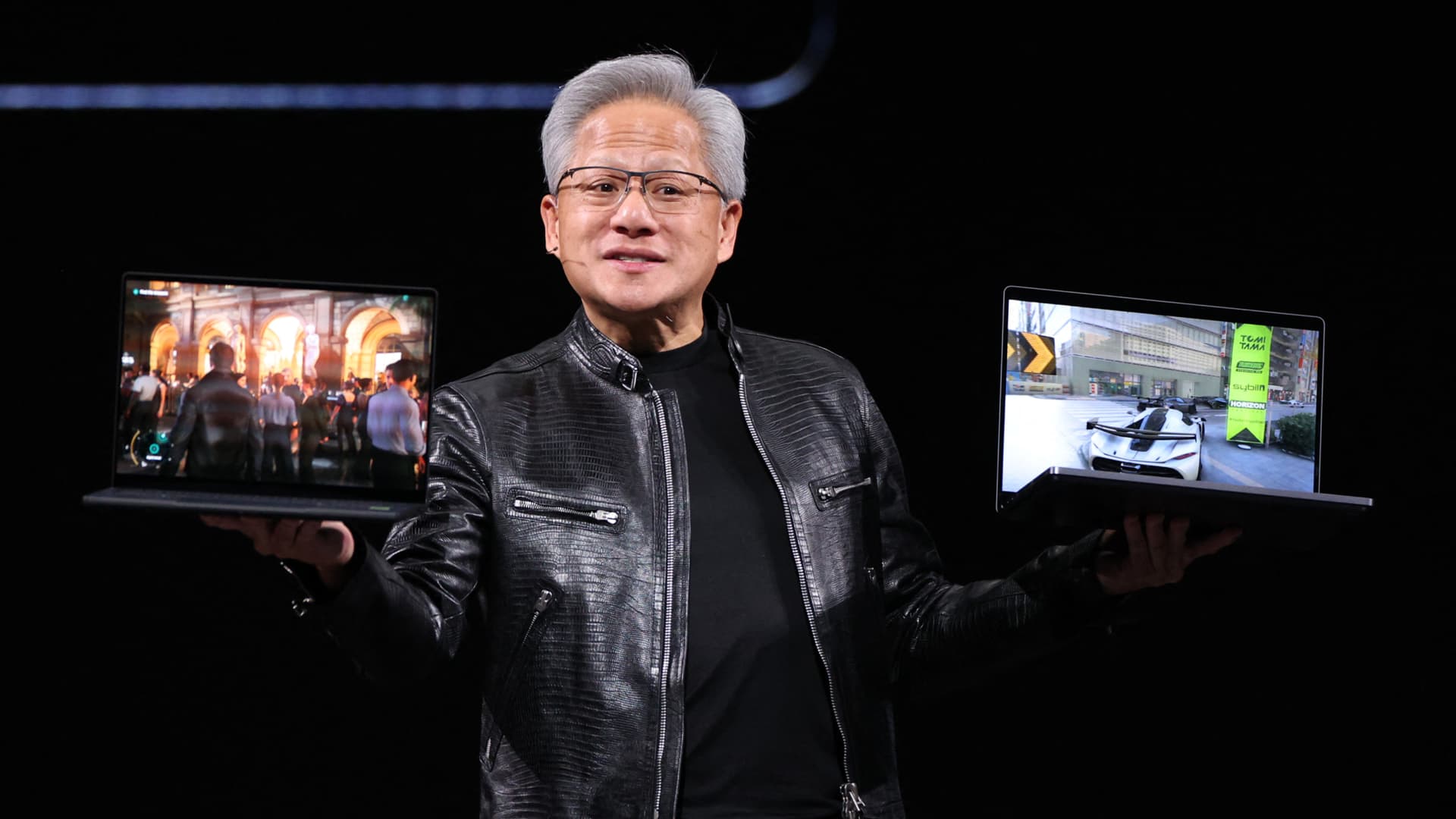
Nvidia Unveils N1X Processor, Set to Transform Personal Computing Market


- Processor Launch: Nvidia unveiled the N1X processor developed in collaboration with Microsoft at Computex in Taipei, marking its entry into the personal computer market with plans to release over 30 laptops and 10 desktops, significantly enhancing its competitive edge.
- Technological Innovation: The new processor integrates Nvidia's Blackwell GPU with an Arm-based N1X CPU designed by MediaTek, manufactured using TSMC's 3-nanometer technology, which is expected to drive a shift in the PC industry towards Arm architecture, challenging traditional x86 processors from Intel and AMD.
- Market Potential: Nvidia anticipates the PC processor market will reach $200 billion, and the introduction of the N1X processor not only addresses the high-performance computing needs of AI workloads but also reinforces the company's leadership position in the rapidly growing AI market.
- Energy Efficiency Improvement: Nvidia's Vera CPU is now in full production, capable of generating data center tokens 1.8 times faster than x86, showcasing exceptional energy efficiency and performance, positioning it as a key growth driver for future AI factories.
See More
Microsoft Stock Investment Opportunity Arises
- Historically Cheap: Microsoft stock is currently trading at around 24 times earnings, significantly lower than its historical average over the past decade, making it an attractive investment opportunity, especially after the bear market of 2022, which has drawn investor interest.
- New Agreement with OpenAI: Microsoft is set to benefit from its new agreement with OpenAI in the next fiscal quarter, with projected income rising to $6 billion from the previously anticipated $4 billion, alleviating investor concerns about cash flow while reducing overall exposure to OpenAI.
- Launch of E7 Platform: On May 1, Microsoft launched Microsoft 365 E7 at $99 per user per month, expected to boost revenue by 2.4% to 2.5%, integrating various products and enhancing enterprise management of AI agents, which could lead to significant revenue increases.
- Analyst Optimism: With 95% of analysts rating Microsoft as a buy and a median 12-month price target of $550, approximately 30% above its current price, there is strong market confidence in Microsoft's growth potential moving forward.
See More
Corporate Earnings Disconnected from Economic Reality
- Earnings Beat Expectations: Approximately 84% of S&P 500 companies exceeded analysts' earnings-per-share (EPS) estimates in Q1, showcasing their success in cost control and efficiency improvements despite a challenging economic backdrop.
- Cost Protection Measures: Many large corporations have implemented cost-cutting, automation, and streamlined supply chains over the past few years to protect margins, and these measures have persisted even as inflation moderated, enhancing their resilience against economic pressures.
- Consumer Spending Resilience: While consumer spending has slowed, U.S. retail sales still exceeded $757 billion in April, with unemployment remaining at 4.3%, indicating that consumers continue to spend on travel, entertainment, and technology, supporting certain sectors of the economy.
- Strong Tech Performance: Major tech companies like Microsoft and Nvidia continue to benefit from AI-related spending and cloud infrastructure demand, with Microsoft reporting an 18% revenue growth, significantly impacting overall S&P 500 earnings results.
See More
Corporate Earnings Show Disconnect from Economic Reality
- Earnings Growth Drivers: Despite a challenging economic environment, 84% of S&P 500 companies exceeded analysts' earnings expectations in Q1, showcasing their success in cost-cutting and efficiency improvements, indicating a significant enhancement in large corporations' ability to protect margins.
- Consumer Spending Resilience: Although consumer spending has slowed, U.S. retail sales still exceeded $757 billion in April, with unemployment remaining low at 4.3%, indicating that consumers continue to spend actively on travel, entertainment, and technology, supporting profitability in related sectors.
- Tech-Driven Growth: Major tech companies like Microsoft and Nvidia benefit from AI-related spending and cloud infrastructure demand, with Microsoft reporting an 18% revenue growth and Nvidia's data center revenue nearly doubling year-over-year, highlighting the tech sector's importance in overall earnings results.
- Economic Outlook Uncertainty: While the current earnings season shows strong performance, economic activity remains weak, with a sluggish housing market and high borrowing costs, suggesting that the gap between corporate earnings and the broader economy may narrow in the future, especially if consumer spending weakens further.
See More
Nvidia Launches N1X Processor to Enter PC Market
- Processor Launch: Nvidia unveiled the N1X processor at the Computex conference in Taipei, marking its entry into the PC market with plans to collaborate with Microsoft, Dell, HP, and others to launch over 30 laptops and 10 desktops, showcasing Nvidia's strong influence in the AI chip sector.
- Technological Innovation: The N1X processor combines Nvidia's Blackwell GPU with an Arm-based CPU designed by MediaTek, featuring 128GB of unified memory and manufactured using TSMC's 3-nanometer technology, which is expected to significantly enhance PC performance, particularly in AI applications.
- Market Potential: Nvidia anticipates the PC market will reach $200 billion, and the launch of the N1X could disrupt Intel and AMD's dominance in the traditional x86 processor market, promoting the widespread adoption of Arm architecture to meet the needs of creators and AI developers.
- Vera CPU Production: Nvidia's Vera CPU is now in full production and set to launch in the fall, with early customers including OpenAI and SpaceX, boasting performance 1.8 times that of current x86 processors, indicating Nvidia's strong growth potential in the data center market.
See More
NVIDIA Unveils RTX Spark Superchip, Redefining Personal AI Era for Windows PCs
- Supercharged AI Performance: The NVIDIA RTX Spark superchip boasts 1 petaflop of AI performance, integrating full-stack NVIDIA AI and graphics technology to enhance personal AI agent capabilities on Windows PCs, significantly improving user experience.
- Content Creation and Gaming Optimization: This chip enables creators and game developers to render ultra-large 90GB+ 3D scenes, edit 12K video, and run AAA games at over 100 frames per second, greatly enhancing performance in content creation and gaming.
- Shifting Competitive Landscape: The launch of RTX Spark positions NVIDIA and Microsoft to directly challenge the market dominance of Apple, Intel, and others, driving technological innovation in the personal computing sector and strengthening market competitiveness.
- Collaborations and Market Launch: NVIDIA is collaborating with Adobe to rearchitect Photoshop and Premiere for 2x faster AI and graphics performance, with new products expected to debut this fall alongside major PC brands like Dell and Lenovo, further expanding market share.
See More
Nvidia Unveils N1X Processor, Set to Transform Personal Computing Market
- Processor Launch: Nvidia unveiled the N1X processor developed in collaboration with Microsoft at Computex in Taipei, marking its entry into the personal computer market with plans to release over 30 laptops and 10 desktops, significantly enhancing its competitive edge.
- Technological Innovation: The new processor integrates Nvidia's Blackwell GPU with an Arm-based N1X CPU designed by MediaTek, manufactured using TSMC's 3-nanometer technology, which is expected to drive a shift in the PC industry towards Arm architecture, challenging traditional x86 processors from Intel and AMD.
- Market Potential: Nvidia anticipates the PC processor market will reach $200 billion, and the introduction of the N1X processor not only addresses the high-performance computing needs of AI workloads but also reinforces the company's leadership position in the rapidly growing AI market.
- Energy Efficiency Improvement: Nvidia's Vera CPU is now in full production, capable of generating data center tokens 1.8 times faster than x86, showcasing exceptional energy efficiency and performance, positioning it as a key growth driver for future AI factories.
See More