Corning's Optical Fiber Business Sees Strong Growth
Written by Emily J. Thompson, Senior Investment Analyst
Updated: 1 hour ago
0mins

Should l Buy GLW?
Source: Fool
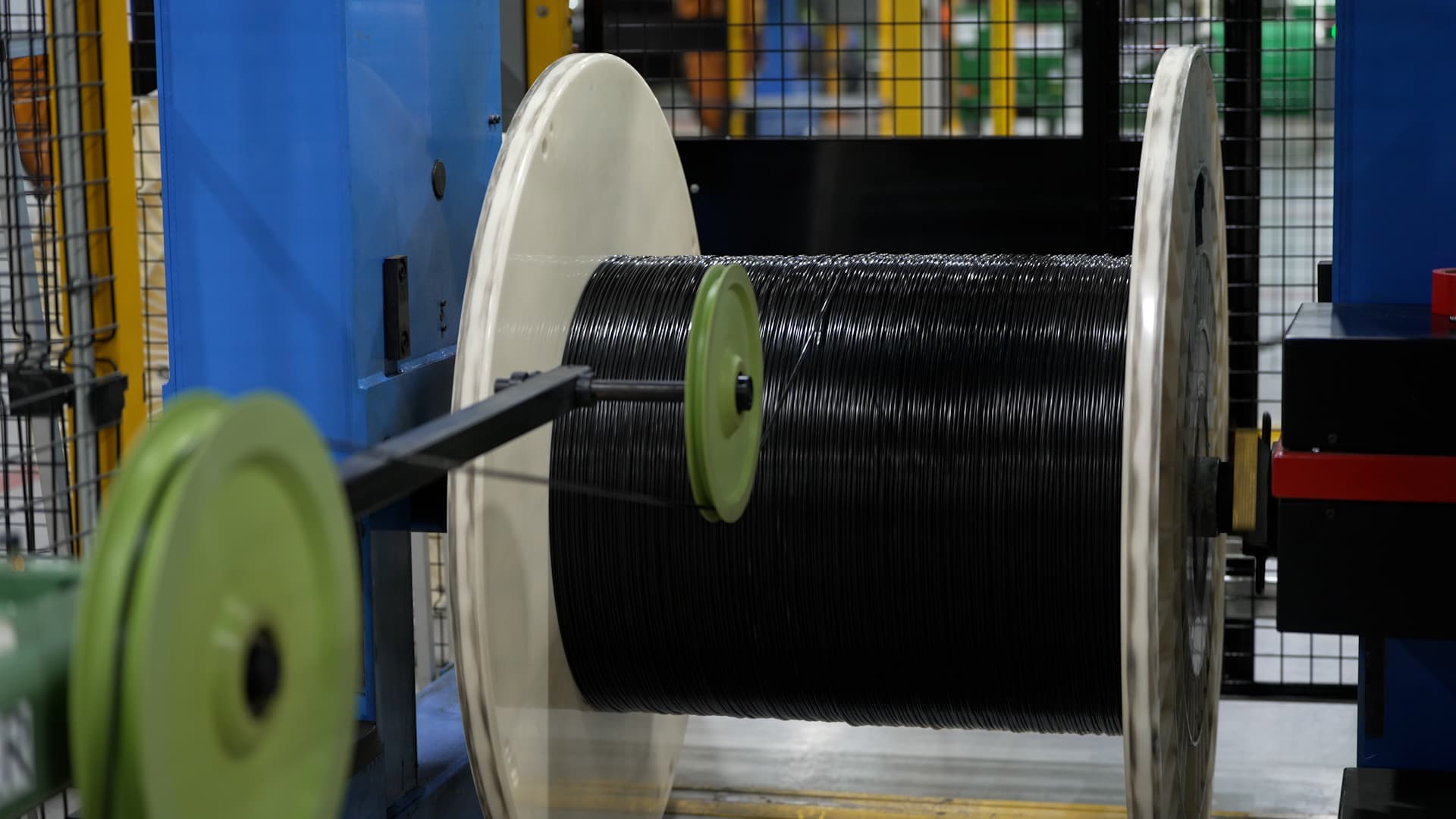
- Surging Fiber Demand: Corning's optical communications business generated $1.8 billion in revenue in Q1, reflecting a 36% year-over-year growth, underscoring the strong demand for optical fiber driven by the AI industry and solidifying its market leadership.
- New Major Contracts: Corning signed long-term agreements with two hyperscale customers, expected to bring in billions of dollars in revenue over the next few years, further propelling stock price growth.
- Cost Efficiency Improvement: The newly launched Multicore Fiber product allows data center operators to achieve the same performance with 75% fewer cables, significantly reducing operational costs and enhancing processing speeds, thereby increasing customer competitiveness.
- Enhanced Profitability: The enterprise communications segment reported a net income of $387 million in Q1, up 93% year-over-year, indicating that the surge in AI demand is significantly boosting Corning's profit margins and enhancing its market appeal.
Trade with 70% Backtested Accuracy
Stop guessing "Should I Buy GLW?" and start using high-conviction signals backed by rigorous historical data.
Sign up today to access powerful investing tools and make smarter, data-driven decisions.
Analyst Views on GLW
Wall Street analysts forecast GLW stock price to fall
10 Analyst Rating
8 Buy
2 Hold
0 Sell
Strong Buy
Current: 153.050

Low
83.00
Averages
99.00
High
110.00
Current: 153.050
Low
83.00
Averages
99.00
High
110.00
About GLW
Corning Incorporated operates as an innovator in materials science. Its segments include Optical Communications, Display, Specialty Materials, Automotive, and Life Sciences. Its Optical Communications segment manufactures carrier network and enterprise network components for the telecommunications industry. Its Display segment manufactures glass substrates for flat-panel displays, including liquid crystal displays and organic light-emitting diodes. Its Specialty Materials segment manufactures products that provide material formulations for glass, glass ceramics and crystals, precision metrology instruments and software for customer needs. Its Automotive segment manufactures ceramic substrates and filter products for emissions control systems in mobile applications as well as technical glass and optic products and solutions for the interior and exterior of vehicles. Its Life Sciences segment develops, manufactures, and supplies laboratory products.
About the author

Emily J. Thompson
Emily J. Thompson, a Chartered Financial Analyst (CFA) with 12 years in investment research, graduated with honors from the Wharton School. Specializing in industrial and technology stocks, she provides in-depth analysis for Intellectia’s earnings and market brief reports.

Corning Incorporated Q1 2026 Earnings Call Highlights

- Significant Sales Growth: Corning reported an 18% year-over-year sales increase in Q1, reaching $4.35 billion, exceeding expectations and demonstrating strong market performance and sustained customer demand.
- Improved Profitability: Earnings per share (EPS) grew by 30% to $0.70, with operating margin expanding by 220 basis points to 20.2%, indicating substantial progress in cost control and efficiency improvements.
- Long-Term Agreements Signed: The company concluded two new long-term agreements with hyperscale customers, similar in size and duration to the Meta agreement, further solidifying its leadership position in the optical communications market.
- Optimistic Future Outlook: For Q2, sales are expected to grow approximately 14% year-over-year to about $4.6 billion, with EPS projected between $0.73 and $0.77, despite an additional $30 million expense due to maintenance shutdowns at the solar wafer plant.
See More
Data Centers Drive AI Infrastructure Revolution
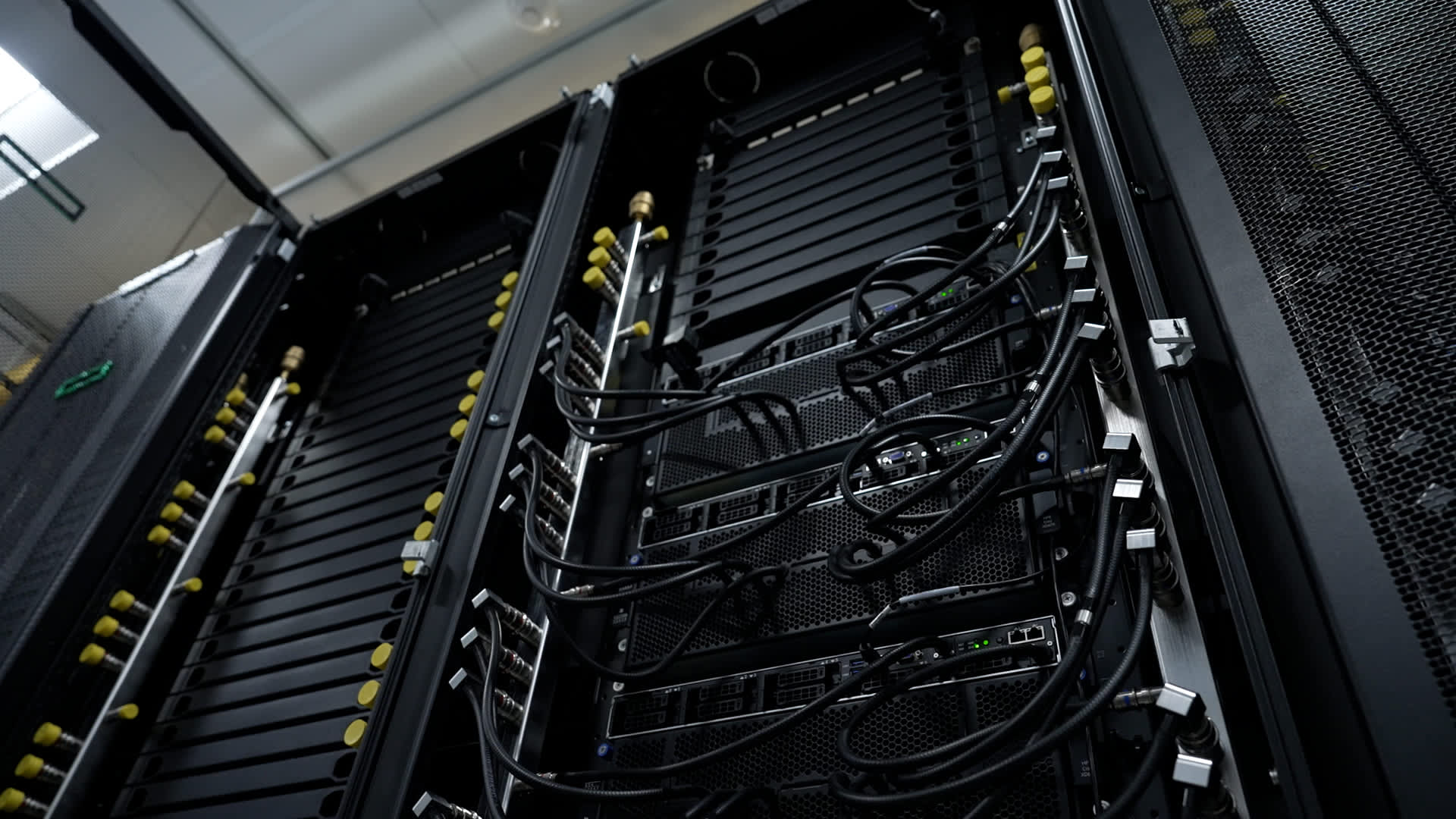
- Surge in Data Center Demand: As technology companies increasingly crave high-performance computing capacity, CoreSite's facilities near New York exemplify the emerging data center trend, with major tech firms expected to invest at least $608 billion in data center buildouts in 2023, highlighting the fierce competition in AI.
- Soaring Power Needs: The power demand for data centers has skyrocketed from tens of megawatts three years ago to hundreds and even thousands of megawatts, reflecting the immense energy requirements driven by AI technologies, prompting exploration of renewable energy and new power solutions.
- Strong Performance from GE Vernova: GE Vernova reported a 16% year-over-year revenue increase to $9.3 billion in Q1, with robust equipment orders and an anticipated backlog of $200 billion by 2027, indicating that AI's demand for energy products is driving sustained growth for the company.
- Innovation in Liquid Cooling: CoreSite's NY3 data center is adopting liquid cooling systems to manage high-density heat issues, while Eaton's strategic acquisition of liquid cooling leader Boyd Thermal is expected to enhance its market position in data center cooling solutions.
See More

Graybar Awards Inaugural WINGS Luminary Award to Corning's Angela Haneklau
- Inaugural WINGS Award: Graybar presented the first WINGS Luminary Award at its National Training Conference, recognizing Angela Haneklau for her outstanding contributions to advancing women's careers, highlighting the company's commitment to gender equality.
- Industry Leader Recognition: As Vice President of Sales at Corning Optical Communications, Haneklau leverages over 30 years of industry experience to actively support the WINGS initiative, fostering collaboration and shared learning across companies to elevate women's status in the industry.
- Impact of WINGS Initiative: Since its establishment in 2008, the WINGS program has focused on connecting and supporting women, with Haneklau's leadership and influence laying the groundwork for its success and promoting a more inclusive future.
- Graybar's Corporate Mission: As a Fortune 500 company, Graybar is committed to providing high-quality electrical and automation products through its 355 North American distribution centers, further driving innovation and development within the industry.
See More

Corning's Optical Fiber Business Sees Strong Growth

- Surging Fiber Demand: Corning's optical communications business generated $1.8 billion in revenue in Q1, reflecting a 36% year-over-year growth, underscoring the strong demand for optical fiber driven by the AI industry and solidifying its market leadership.
- New Major Contracts: Corning signed long-term agreements with two hyperscale customers, expected to bring in billions of dollars in revenue over the next few years, further propelling stock price growth.
- Cost Efficiency Improvement: The newly launched Multicore Fiber product allows data center operators to achieve the same performance with 75% fewer cables, significantly reducing operational costs and enhancing processing speeds, thereby increasing customer competitiveness.
- Enhanced Profitability: The enterprise communications segment reported a net income of $387 million in Q1, up 93% year-over-year, indicating that the surge in AI demand is significantly boosting Corning's profit margins and enhancing its market appeal.
See More
Market Dynamics Ahead of Fed's Rate Decision


- Fed Policy Meeting: Ahead of the Federal Reserve's interest rate decision on Wednesday afternoon, the S&P 500 showed little change, with no rate change expected; if confirmed, Kevin Warsh will take over as Fed chair in May, leaving the market uncertain about future policy directions.
- Bond Yield Impact: Rising oil prices have led to increasing bond yields, causing Home Depot's stock to decline over 7% year-to-date, indicating that high yields may pressure the housing market recovery and overall economic revival.
- Microsoft Earnings Expectations: Investors are anticipating earnings from Microsoft, one of the 'Magnificent Seven', with Jim Cramer expressing concern that the company may overlook Wall Street's worries about its Copilot product; if it fails to address these concerns, the stock could drop further, having already fallen about 12% year-to-date.
- Corning Stock Performance: Corning shares fell another 3% on Wednesday, following a nearly 9% drop the previous day, and Jim sees this as an opportunity to start a position in Corning, which, despite a 70% rise in 2026, faced high market expectations leading to its recent decline.
See More

U.S. Stocks Close Lower, Weighed Down by Tech Sector

- Tech Sector Decline: Technology stocks fell broadly as concerns about the return on massive AI investments grew, with OpenAI missing its new user and sales targets, putting pressure on shares of partners like Nvidia and Oracle, which negatively impacted market sentiment.
- Positive Economic Data: Despite the market downturn, the U.S. consumer confidence index unexpectedly rose to 92.8, surpassing expectations, indicating economic resilience that could provide support for the market.
- Surging Oil Prices: WTI crude oil prices jumped over 3% to a two-week high amid escalating tensions between the U.S. and Iran in the Strait of Hormuz, potentially exacerbating the global energy crisis and pushing inflation expectations higher.
- Fed Policy Expectations: The market anticipates that the Federal Reserve will keep interest rates unchanged at the upcoming meeting, focusing on oil prices and inflation dynamics, reflecting a cautious outlook on the economic landscape.
See More
Corning Incorporated Q1 2026 Earnings Call Highlights
- Significant Sales Growth: Corning reported an 18% year-over-year sales increase in Q1, reaching $4.35 billion, exceeding expectations and demonstrating strong market performance and sustained customer demand.
- Improved Profitability: Earnings per share (EPS) grew by 30% to $0.70, with operating margin expanding by 220 basis points to 20.2%, indicating substantial progress in cost control and efficiency improvements.
- Long-Term Agreements Signed: The company concluded two new long-term agreements with hyperscale customers, similar in size and duration to the Meta agreement, further solidifying its leadership position in the optical communications market.
- Optimistic Future Outlook: For Q2, sales are expected to grow approximately 14% year-over-year to about $4.6 billion, with EPS projected between $0.73 and $0.77, despite an additional $30 million expense due to maintenance shutdowns at the solar wafer plant.
See More
Data Centers Drive AI Infrastructure Revolution
- Surge in Data Center Demand: As technology companies increasingly crave high-performance computing capacity, CoreSite's facilities near New York exemplify the emerging data center trend, with major tech firms expected to invest at least $608 billion in data center buildouts in 2023, highlighting the fierce competition in AI.
- Soaring Power Needs: The power demand for data centers has skyrocketed from tens of megawatts three years ago to hundreds and even thousands of megawatts, reflecting the immense energy requirements driven by AI technologies, prompting exploration of renewable energy and new power solutions.
- Strong Performance from GE Vernova: GE Vernova reported a 16% year-over-year revenue increase to $9.3 billion in Q1, with robust equipment orders and an anticipated backlog of $200 billion by 2027, indicating that AI's demand for energy products is driving sustained growth for the company.
- Innovation in Liquid Cooling: CoreSite's NY3 data center is adopting liquid cooling systems to manage high-density heat issues, while Eaton's strategic acquisition of liquid cooling leader Boyd Thermal is expected to enhance its market position in data center cooling solutions.
See More
Graybar Awards Inaugural WINGS Luminary Award to Corning's Angela Haneklau
- Inaugural WINGS Award: Graybar presented the first WINGS Luminary Award at its National Training Conference, recognizing Angela Haneklau for her outstanding contributions to advancing women's careers, highlighting the company's commitment to gender equality.
- Industry Leader Recognition: As Vice President of Sales at Corning Optical Communications, Haneklau leverages over 30 years of industry experience to actively support the WINGS initiative, fostering collaboration and shared learning across companies to elevate women's status in the industry.
- Impact of WINGS Initiative: Since its establishment in 2008, the WINGS program has focused on connecting and supporting women, with Haneklau's leadership and influence laying the groundwork for its success and promoting a more inclusive future.
- Graybar's Corporate Mission: As a Fortune 500 company, Graybar is committed to providing high-quality electrical and automation products through its 355 North American distribution centers, further driving innovation and development within the industry.
See More
Corning's Optical Fiber Business Sees Strong Growth
- Surging Fiber Demand: Corning's optical communications business generated $1.8 billion in revenue in Q1, reflecting a 36% year-over-year growth, underscoring the strong demand for optical fiber driven by the AI industry and solidifying its market leadership.
- New Major Contracts: Corning signed long-term agreements with two hyperscale customers, expected to bring in billions of dollars in revenue over the next few years, further propelling stock price growth.
- Cost Efficiency Improvement: The newly launched Multicore Fiber product allows data center operators to achieve the same performance with 75% fewer cables, significantly reducing operational costs and enhancing processing speeds, thereby increasing customer competitiveness.
- Enhanced Profitability: The enterprise communications segment reported a net income of $387 million in Q1, up 93% year-over-year, indicating that the surge in AI demand is significantly boosting Corning's profit margins and enhancing its market appeal.
See More
Market Dynamics Ahead of Fed's Rate Decision
- Fed Policy Meeting: Ahead of the Federal Reserve's interest rate decision on Wednesday afternoon, the S&P 500 showed little change, with no rate change expected; if confirmed, Kevin Warsh will take over as Fed chair in May, leaving the market uncertain about future policy directions.
- Bond Yield Impact: Rising oil prices have led to increasing bond yields, causing Home Depot's stock to decline over 7% year-to-date, indicating that high yields may pressure the housing market recovery and overall economic revival.
- Microsoft Earnings Expectations: Investors are anticipating earnings from Microsoft, one of the 'Magnificent Seven', with Jim Cramer expressing concern that the company may overlook Wall Street's worries about its Copilot product; if it fails to address these concerns, the stock could drop further, having already fallen about 12% year-to-date.
- Corning Stock Performance: Corning shares fell another 3% on Wednesday, following a nearly 9% drop the previous day, and Jim sees this as an opportunity to start a position in Corning, which, despite a 70% rise in 2026, faced high market expectations leading to its recent decline.
See More
U.S. Stocks Close Lower, Weighed Down by Tech Sector
- Tech Sector Decline: Technology stocks fell broadly as concerns about the return on massive AI investments grew, with OpenAI missing its new user and sales targets, putting pressure on shares of partners like Nvidia and Oracle, which negatively impacted market sentiment.
- Positive Economic Data: Despite the market downturn, the U.S. consumer confidence index unexpectedly rose to 92.8, surpassing expectations, indicating economic resilience that could provide support for the market.
- Surging Oil Prices: WTI crude oil prices jumped over 3% to a two-week high amid escalating tensions between the U.S. and Iran in the Strait of Hormuz, potentially exacerbating the global energy crisis and pushing inflation expectations higher.
- Fed Policy Expectations: The market anticipates that the Federal Reserve will keep interest rates unchanged at the upcoming meeting, focusing on oil prices and inflation dynamics, reflecting a cautious outlook on the economic landscape.
See More