Constellation Brands Shares Rise 4.66% Following Relaxation of Alcohol Guidelines
Written by Emily J. Thompson, Senior Investment Analyst
Updated: Jan 08 2026
0mins
Should l Buy STZ?
Source: Benzinga
- Stock Price Increase: Constellation Brands' shares rose 4.66% to $147.57 on Thursday, reflecting market optimism following the Trump administration's relaxation of alcohol consumption guidelines, despite potential public health risks.
- Policy Shift: The new guidelines released by the Trump administration avoid specific serving limits and simply advise Americans to drink less, effectively ending a 35-year recommendation, which could influence consumer drinking behavior and company sales.
- Health Impact Warnings: Public health experts caution that loosening the guidelines may encourage increased drinking, leading to more alcohol-related illnesses and deaths, posing potential risks to the company's future market performance.
- Market Reaction: Despite the health risks, the market's positive response to the new guidelines indicates investor optimism regarding Constellation Brands' market opportunities under the relaxed policy.
Trade with 70% Backtested Accuracy
Stop guessing "Should I Buy STZ?" and start using high-conviction signals backed by rigorous historical data.
Sign up today to access powerful investing tools and make smarter, data-driven decisions.
Analyst Views on STZ
Wall Street analysts forecast STZ stock price to fall over the next 12 months. According to Wall Street analysts, the average 1-year price target for STZ is 163.00 USD with a low forecast of 135.00 USD and a high forecast of 209.00 USD. However, analyst price targets are subjective and often lag stock prices, so investors should focus on the objective reasons behind analyst rating changes, which better reflect the company's fundamentals.
15 Analyst Rating
7 Buy
7 Hold
1 Sell
Moderate Buy
Current: 165.570

Low
135.00
Averages
163.00
High
209.00
Current: 165.570
Low
135.00
Averages
163.00
High
209.00
About STZ
Constellation Brands, Inc. is a producer and marketer of beer, wine, and spirits with operations in the United States, Mexico, New Zealand, and Italy with brands, such as Corona Extra, Modelo Especial, Robert Mondavi Winery, Kim Crawford, The Prisoner Wine Company, High West, Casa Noble, and Mi CAMPO. Its segments include Beer, Wine and Spirits, and Corporate Operations and Other. In the Beer segment, its portfolio consists of high-end imported beer brands and ABAs. It has a perpetual brand license to produce its Mexican beer portfolio and to import, market, and sell such a portfolio in the United States. In the Wine and Spirits segment, it sells a portfolio that includes higher-end wine brands complemented by certain higher-end spirits brands. Its Corporate Operations and Other segment consists of costs of corporate development, corporate finance, corporate strategy, executive management, growth, human resources, internal audit, investor relations, IT, legal and public relations.
About the author

Emily J. Thompson
Emily J. Thompson, a Chartered Financial Analyst (CFA) with 12 years in investment research, graduated with honors from the Wharton School. Specializing in industrial and technology stocks, she provides in-depth analysis for Intellectia’s earnings and market brief reports.

Super Bowl Celebrations Call for Beer and Snacks: These Stocks Are Set to Score Big.


Super Bowl Significance: The Super Bowl is the most-watched annual televised sporting event in the U.S., making it a crucial time for retail sales.
Retail Peak for Snacks and Beverages: The week leading up to the Super Bowl sees a surge in sales for snack and beverage brands as Americans prepare for gatherings.
See More
2025 U.S. Spirits Market Review: Revenue Decline Amid Changing Consumer Preferences
- Revenue Decline: According to the Distilled Spirits Council, U.S. spirits supplier revenue fell 2.2% to $36.4 billion in 2025, reflecting the impact of economic pressures and weakened consumer confidence on discretionary spending.
- Volume Growth and Consumer Shift: While overall volumes rose 1.9% to 318.1 million 9-liter cases, the revenue decline indicates a shift towards lower-priced spirits as consumers cut back on premium purchases, highlighting a significant change in market consumption patterns.
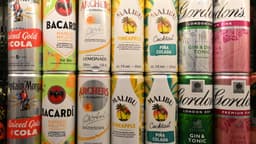
- Premixed Cocktails Surge: Sales of premixed cocktails increased over 16% year-on-year to $3.8 billion, indicating a consumer preference for lower-priced options, with this category more than doubling its market share since 2021.
- Export Challenges: U.S. spirits exports fell 9% year-over-year in Q2 2025, primarily due to trade tensions and tariff uncertainties, prompting industry leaders to call for the reinstatement of zero tariffs to foster growth.
See More

Three Stocks Recommended by Buffett

- Amazon Investment: Berkshire Hathaway holds 10 million shares of Amazon, valued at approximately $2.4 billion, representing only 0.1% of its portfolio; however, with over 200 million Prime members and $530 billion in sales, the company shows strong market potential, likely maintaining a 10% growth rate into 2025.
- Alcohol Market Dynamics: Despite U.S. alcohol consumption hitting a multi-decade low, Berkshire's increased stake in Constellation Brands indicates a long-term bullish outlook on premium brands, anticipating a recovery in consumption as the economy stabilizes.
- Oil Giant Investment: Berkshire's 264.9 million shares in Occidental Petroleum are valued at nearly $12 billion, making it one of its top six holdings, reflecting confidence in the traditional energy sector, especially as oil demand is expected to persist for decades.
- Market Outlook Analysis: The International Energy Agency predicts global oil consumption will peak by 2050; while renewable energy is the future, the oil industry still presents profitable opportunities in the short term, particularly as prices are expected to recover.
See More

Consumer Staples Sector Sees Best Start in 25 Years

- Strong Market Performance: The Consumer Staples Index has risen 6.6% year-to-date, outperforming the S&P 500 by over 500 basis points, indicating the sector's defensive strength amid market volatility and reflecting investors' preference for stable returns.
- Fundamental Improvement: Despite facing headwinds such as elevated input costs and shifting consumer behavior during the 2023-2025 period, these pressures are beginning to ease, setting the stage for a more sustainable recovery with better performance expected ahead.
- Emerging Investment Opportunities: Analysts at Wells Fargo highlight household and personal care as areas of interest, although clearer evidence of improving data is needed to confirm trends, with Church & Dwight, Procter & Gamble, and Edgewell Personal Care receiving overweight ratings.
- Positive Beverage Stock Outlook: Beverage stocks are expected to show sustained recovery into the summer, particularly beer companies like Constellation Brands and Anheuser-Busch InBev, which are viewed as the most attractive recovery trades, reflecting market confidence in consumer staples.
See More

Constellation Brands Faces Challenges Amid Stock Decline
- Brand Strength: Constellation Brands' Modelo and Corona beers account for 90% of its total revenue, and despite a historic low of 54% in U.S. adult alcohol consumption, the demand for premium brands remains strong, indicating the company's competitive advantage in future market recovery.
- Focus on Premium Products: The company has divested its lower-end wine brands like Woodbridge, with CEO Bill Newlands stating that focusing on high-end products will enhance performance, suggesting that this strategy will lead to higher profit margins in the future.
- Attractive Stock Valuation: The stock is currently valued at only 14 times the projected earnings of $11.61 per share for fiscal 2026, which is lower than most peers in the industry, while the dividend yield stands at 2.5%, indicating investment value and attracting investor interest.
- Buffett's Endorsement: Berkshire Hathaway purchased 5.6 million shares of Constellation Brands in late 2024 and subsequently increased its stake, reflecting confidence in the company's future despite ongoing market challenges.
See More
Procter & Gamble Shares Decline Amid Concerns Over Sluggish Sales Growth.
- Stock Performance: Procter & Gamble's stock declined on Thursday following disappointing revenue results for its fiscal second quarter.
- Consumer Spending Impact: The company is experiencing a slowdown in consumer spending, which is negatively affecting demand for its products.
See More
Super Bowl Celebrations Call for Beer and Snacks: These Stocks Are Set to Score Big.
Super Bowl Significance: The Super Bowl is the most-watched annual televised sporting event in the U.S., making it a crucial time for retail sales.
Retail Peak for Snacks and Beverages: The week leading up to the Super Bowl sees a surge in sales for snack and beverage brands as Americans prepare for gatherings.
See More
2025 U.S. Spirits Market Review: Revenue Decline Amid Changing Consumer Preferences
- Revenue Decline: According to the Distilled Spirits Council, U.S. spirits supplier revenue fell 2.2% to $36.4 billion in 2025, reflecting the impact of economic pressures and weakened consumer confidence on discretionary spending.
- Volume Growth and Consumer Shift: While overall volumes rose 1.9% to 318.1 million 9-liter cases, the revenue decline indicates a shift towards lower-priced spirits as consumers cut back on premium purchases, highlighting a significant change in market consumption patterns.
- Premixed Cocktails Surge: Sales of premixed cocktails increased over 16% year-on-year to $3.8 billion, indicating a consumer preference for lower-priced options, with this category more than doubling its market share since 2021.
- Export Challenges: U.S. spirits exports fell 9% year-over-year in Q2 2025, primarily due to trade tensions and tariff uncertainties, prompting industry leaders to call for the reinstatement of zero tariffs to foster growth.
See More
Three Stocks Recommended by Buffett
- Amazon Investment: Berkshire Hathaway holds 10 million shares of Amazon, valued at approximately $2.4 billion, representing only 0.1% of its portfolio; however, with over 200 million Prime members and $530 billion in sales, the company shows strong market potential, likely maintaining a 10% growth rate into 2025.
- Alcohol Market Dynamics: Despite U.S. alcohol consumption hitting a multi-decade low, Berkshire's increased stake in Constellation Brands indicates a long-term bullish outlook on premium brands, anticipating a recovery in consumption as the economy stabilizes.
- Oil Giant Investment: Berkshire's 264.9 million shares in Occidental Petroleum are valued at nearly $12 billion, making it one of its top six holdings, reflecting confidence in the traditional energy sector, especially as oil demand is expected to persist for decades.
- Market Outlook Analysis: The International Energy Agency predicts global oil consumption will peak by 2050; while renewable energy is the future, the oil industry still presents profitable opportunities in the short term, particularly as prices are expected to recover.
See More
Consumer Staples Sector Sees Best Start in 25 Years
- Strong Market Performance: The Consumer Staples Index has risen 6.6% year-to-date, outperforming the S&P 500 by over 500 basis points, indicating the sector's defensive strength amid market volatility and reflecting investors' preference for stable returns.
- Fundamental Improvement: Despite facing headwinds such as elevated input costs and shifting consumer behavior during the 2023-2025 period, these pressures are beginning to ease, setting the stage for a more sustainable recovery with better performance expected ahead.
- Emerging Investment Opportunities: Analysts at Wells Fargo highlight household and personal care as areas of interest, although clearer evidence of improving data is needed to confirm trends, with Church & Dwight, Procter & Gamble, and Edgewell Personal Care receiving overweight ratings.
- Positive Beverage Stock Outlook: Beverage stocks are expected to show sustained recovery into the summer, particularly beer companies like Constellation Brands and Anheuser-Busch InBev, which are viewed as the most attractive recovery trades, reflecting market confidence in consumer staples.
See More
Constellation Brands Faces Challenges Amid Stock Decline
- Brand Strength: Constellation Brands' Modelo and Corona beers account for 90% of its total revenue, and despite a historic low of 54% in U.S. adult alcohol consumption, the demand for premium brands remains strong, indicating the company's competitive advantage in future market recovery.
- Focus on Premium Products: The company has divested its lower-end wine brands like Woodbridge, with CEO Bill Newlands stating that focusing on high-end products will enhance performance, suggesting that this strategy will lead to higher profit margins in the future.
- Attractive Stock Valuation: The stock is currently valued at only 14 times the projected earnings of $11.61 per share for fiscal 2026, which is lower than most peers in the industry, while the dividend yield stands at 2.5%, indicating investment value and attracting investor interest.
- Buffett's Endorsement: Berkshire Hathaway purchased 5.6 million shares of Constellation Brands in late 2024 and subsequently increased its stake, reflecting confidence in the company's future despite ongoing market challenges.
See More
Procter & Gamble Shares Decline Amid Concerns Over Sluggish Sales Growth.
- Stock Performance: Procter & Gamble's stock declined on Thursday following disappointing revenue results for its fiscal second quarter.
- Consumer Spending Impact: The company is experiencing a slowdown in consumer spending, which is negatively affecting demand for its products.
See More