ConocoPhillips plans layoffs as part of broad restructuring By Reuters


ConocoPhillips Job Cuts: ConocoPhillips plans to reduce its workforce as part of a restructuring initiative called "Competitive Edge," following its $23 billion acquisition of Marathon Oil, amid challenges in the oil and gas industry due to low prices and rising costs.
Operational Restructuring: The company is centralizing operations and exploring asset divestitures, including potential sales of inherited assets from the Marathon Oil takeover, with details on layoffs expected in the fourth quarter of this year.
Trade with 70% Backtested Accuracy
Analyst Views on MPC

About MPC
About the author


U.S. Independent Refiners Expected to Report Strong Q1 Results


- Profit Growth Expectations: U.S. independent refiners are anticipated to report significantly stronger first-quarter results compared to last year, driven by supply disruptions from the Middle East conflict that have sharply increased diesel and jet fuel margins, enhancing overall profitability.
- Diesel Margin Surge: The ultra-low sulfur diesel futures crack spread soared 105% to a record high of $86.25 per barrel on March 20, indicating the strong market position of refiners amid global supply constraints.
- Gasoline Price Increase: Although gasoline margins were capped, the U.S. gasoline futures crack spread rose to $37.62 per barrel on March 27, the highest level in over two years, pushing the average U.S. pump price above $4 per gallon for the first time in over three years, marking the sharpest monthly rise in decades.
- Optimistic Future Outlook: Analysts expect that as fuel margins begin to more clearly feed into earnings over the coming months, U.S. refiners will continue to benefit from a favorable margin environment in the next few quarters, with the market likely focusing more on full-year earnings.
Iran War Causes Surge in Oil Prices


- Price Fluctuations: Since the onset of the Iran war on February 28, Brent crude prices have fluctuated between $90 and $112 per barrel, with an average price of $103 in March, indicating the war's direct impact on the global oil market.
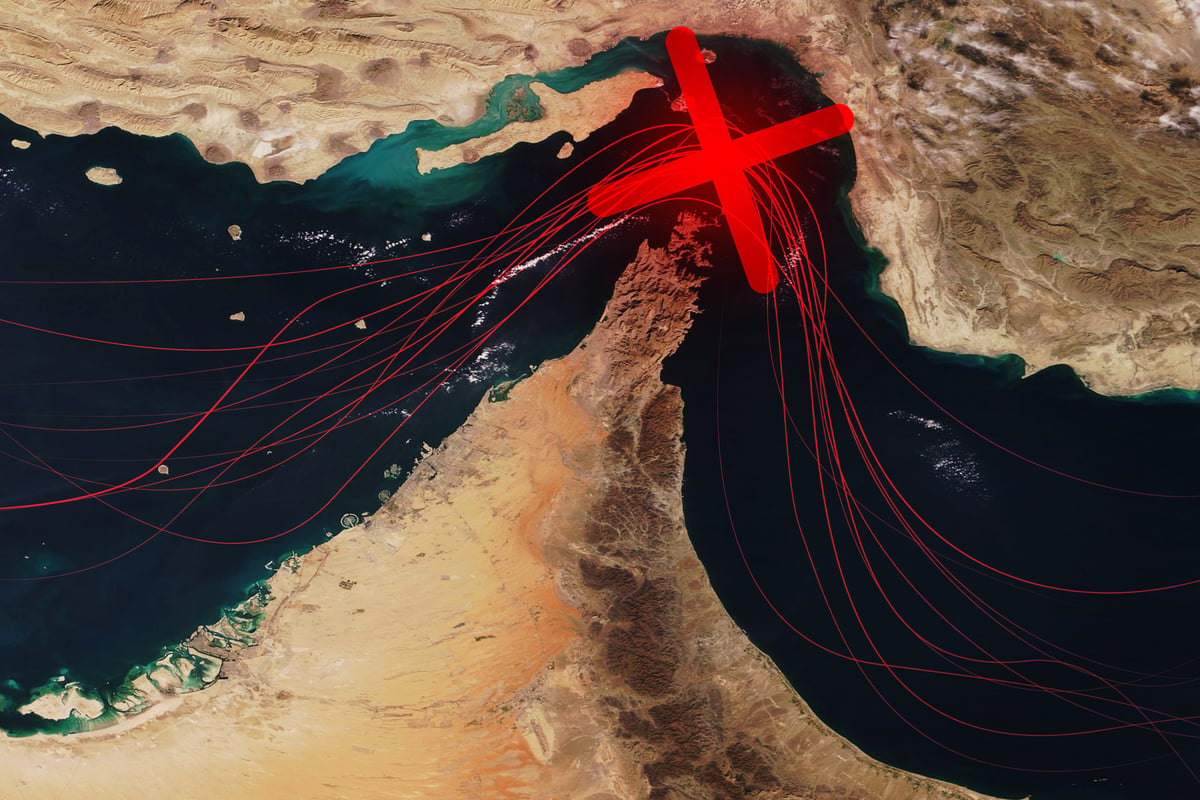
- Supply Disruption: Iran's ability to halt oil flow through the Strait of Hormuz has severely limited global supply, with experts predicting that even after the war ends, oil prices may stabilize between $75 and $95 per barrel, significantly above prewar levels.
- Infrastructure Damage: The war has inflicted substantial damage on oil and gas infrastructure in the Middle East, with repair costs estimated between $34 billion and $58 billion, and it will take months to restore production to prewar levels, exacerbating supply constraints.
- Economic Impact: While the U.S. economy is less reliant on oil than in the past, and most stocks remain unaffected, energy sector stocks have shown significant volatility, highlighting potential investment opportunities as oil prices are likely to remain elevated for some time.

Oil Price Fluctuations and Infrastructure Damage Impact
- Infrastructure Repair Costs: Energy consultancy Rystad Energy estimates that repairing damaged oil infrastructure will cost between $34 billion and $58 billion and take many months, which will have a long-term impact on global oil supply.
- Oil Price Fluctuation Analysis: Since the outbreak of the Iran war on February 28, Brent crude prices have fluctuated between $90 and $112 per barrel, with an average price of $103 in March, indicating the direct impact of the war on the market.
- Market Response and Investment Opportunities: Although energy stocks surged at the onset of the war, major energy stocks like ExxonMobil and Chevron have recently returned to near prewar levels, reflecting cautious market expectations regarding future oil prices.
- Economic Impact Assessment: While the U.S. economy is less reliant on oil than in the past, the rise in oil prices could still significantly affect the energy sector, especially given the slow recovery in production, prompting investors to carefully evaluate market opportunities.

Iran: No Agreement Reached for Next Round of Talks with the United States


Iran's Stance on Talks: Iran has not agreed to hold the next round of talks with the United States, as reported by Tasnim News Agency.
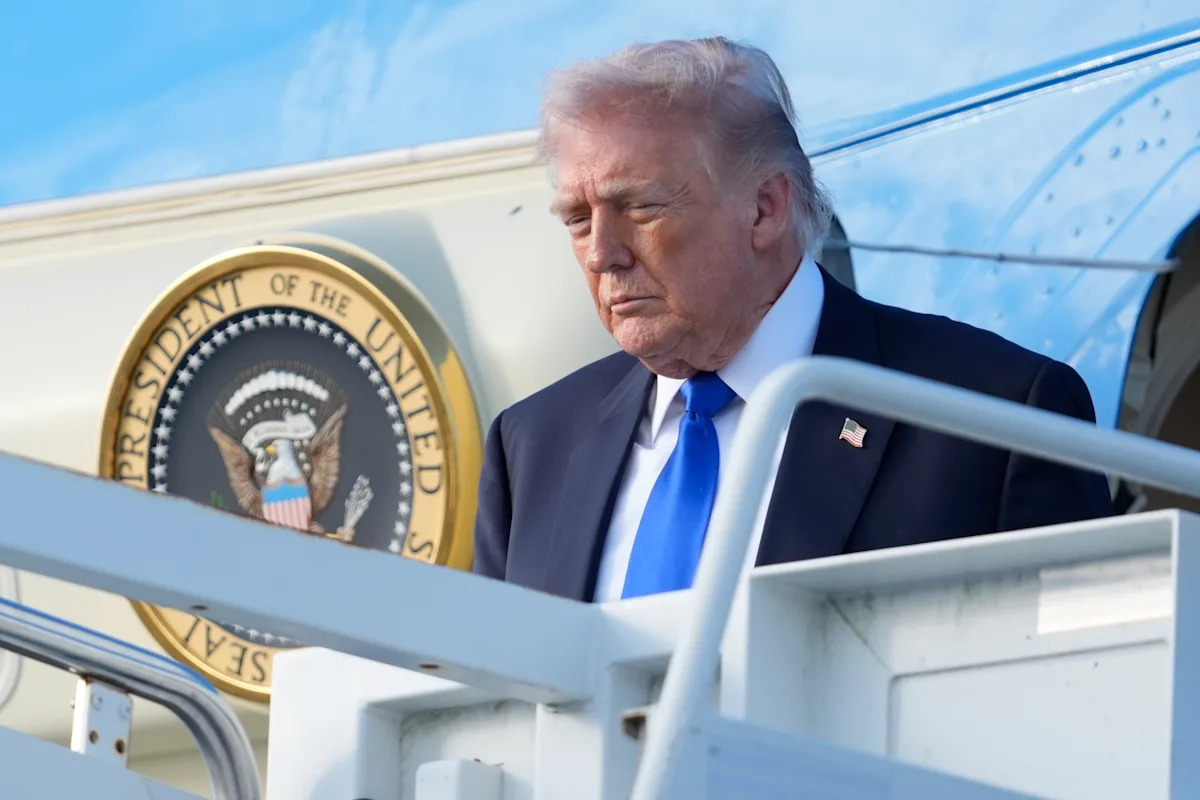
Trump's Expectations: Former U.S. President Trump mentioned that U.S.-Iran negotiation representatives may meet this weekend, anticipating a final agreement to end the war.
Timeline for Agreement: Trump expressed confidence that an agreement could be reached within one or two days.
Context of Negotiations: The discussions are part of ongoing efforts to resolve tensions between the U.S. and Iran.

US Stocks Surge as Oil Prices Plunge Amid Peace Talks


- Market Rally: The S&P 500 rose 1.20% and the Nasdaq 100 increased by 1.29%, reaching all-time highs, reflecting investor optimism regarding US-Iran peace talks, which may enhance risk appetite in the markets.
- Oil Price Plunge: WTI crude prices fell over 11% to a five-week low after Iran announced the Strait of Hormuz is fully open, easing inflation concerns and causing the 10-year T-note yield to drop 7 basis points to 4.24%.
- Strong Earnings Season: The earnings season started robustly, with 81% of the 48 S&P 500 companies reporting Q1 earnings exceeding estimates, projecting a 12% year-over-year increase in earnings, providing strong support for the stock market.
- Airline Stocks Surge: Airline stocks surged as fuel costs decreased, with Alaska Air Group (ALK) rising over 10% and Royal Caribbean Cruises Ltd (RCL) up more than 7%, indicating market confidence in the recovery of the airline industry.

US Stocks Rally as Oil Prices Plunge Amid Peace Talks
- Market Surge: The S&P 500 rose by 1.28% and the Nasdaq 100 reached an all-time high, reflecting investor optimism driven by peace talks between the US and Iran, which may enhance risk appetite and bolster overall market confidence.
- Oil Price Plunge: WTI crude oil prices fell over 13% to a five-week low after the Strait of Hormuz reopened, easing inflation concerns and causing the 10-year Treasury yield to drop by 8 basis points, further supporting the bond market.
- Earnings Growth Expectations: Q1 earnings for the S&P 500 are projected to increase by 12% year-over-year, although excluding the tech sector, growth is only 3%, indicating resilience in corporate performance amid economic recovery and providing market support.
- Airline Stocks Soar: With reduced fuel costs, Alaska Air Group and United Airlines surged by over 14% and 11%, respectively, demonstrating the positive impact of falling oil prices on the airline industry, which could enhance profitability for related companies.
U.S. Independent Refiners Expected to Report Strong Q1 Results
- Profit Growth Expectations: U.S. independent refiners are anticipated to report significantly stronger first-quarter results compared to last year, driven by supply disruptions from the Middle East conflict that have sharply increased diesel and jet fuel margins, enhancing overall profitability.
- Diesel Margin Surge: The ultra-low sulfur diesel futures crack spread soared 105% to a record high of $86.25 per barrel on March 20, indicating the strong market position of refiners amid global supply constraints.
- Gasoline Price Increase: Although gasoline margins were capped, the U.S. gasoline futures crack spread rose to $37.62 per barrel on March 27, the highest level in over two years, pushing the average U.S. pump price above $4 per gallon for the first time in over three years, marking the sharpest monthly rise in decades.
- Optimistic Future Outlook: Analysts expect that as fuel margins begin to more clearly feed into earnings over the coming months, U.S. refiners will continue to benefit from a favorable margin environment in the next few quarters, with the market likely focusing more on full-year earnings.
Iran War Causes Surge in Oil Prices
- Price Fluctuations: Since the onset of the Iran war on February 28, Brent crude prices have fluctuated between $90 and $112 per barrel, with an average price of $103 in March, indicating the war's direct impact on the global oil market.
- Supply Disruption: Iran's ability to halt oil flow through the Strait of Hormuz has severely limited global supply, with experts predicting that even after the war ends, oil prices may stabilize between $75 and $95 per barrel, significantly above prewar levels.
- Infrastructure Damage: The war has inflicted substantial damage on oil and gas infrastructure in the Middle East, with repair costs estimated between $34 billion and $58 billion, and it will take months to restore production to prewar levels, exacerbating supply constraints.
- Economic Impact: While the U.S. economy is less reliant on oil than in the past, and most stocks remain unaffected, energy sector stocks have shown significant volatility, highlighting potential investment opportunities as oil prices are likely to remain elevated for some time.
Oil Price Fluctuations and Infrastructure Damage Impact
- Infrastructure Repair Costs: Energy consultancy Rystad Energy estimates that repairing damaged oil infrastructure will cost between $34 billion and $58 billion and take many months, which will have a long-term impact on global oil supply.
- Oil Price Fluctuation Analysis: Since the outbreak of the Iran war on February 28, Brent crude prices have fluctuated between $90 and $112 per barrel, with an average price of $103 in March, indicating the direct impact of the war on the market.
- Market Response and Investment Opportunities: Although energy stocks surged at the onset of the war, major energy stocks like ExxonMobil and Chevron have recently returned to near prewar levels, reflecting cautious market expectations regarding future oil prices.
- Economic Impact Assessment: While the U.S. economy is less reliant on oil than in the past, the rise in oil prices could still significantly affect the energy sector, especially given the slow recovery in production, prompting investors to carefully evaluate market opportunities.
Iran: No Agreement Reached for Next Round of Talks with the United States
Iran's Stance on Talks: Iran has not agreed to hold the next round of talks with the United States, as reported by Tasnim News Agency.
Trump's Expectations: Former U.S. President Trump mentioned that U.S.-Iran negotiation representatives may meet this weekend, anticipating a final agreement to end the war.
Timeline for Agreement: Trump expressed confidence that an agreement could be reached within one or two days.
Context of Negotiations: The discussions are part of ongoing efforts to resolve tensions between the U.S. and Iran.
US Stocks Surge as Oil Prices Plunge Amid Peace Talks
- Market Rally: The S&P 500 rose 1.20% and the Nasdaq 100 increased by 1.29%, reaching all-time highs, reflecting investor optimism regarding US-Iran peace talks, which may enhance risk appetite in the markets.
- Oil Price Plunge: WTI crude prices fell over 11% to a five-week low after Iran announced the Strait of Hormuz is fully open, easing inflation concerns and causing the 10-year T-note yield to drop 7 basis points to 4.24%.
- Strong Earnings Season: The earnings season started robustly, with 81% of the 48 S&P 500 companies reporting Q1 earnings exceeding estimates, projecting a 12% year-over-year increase in earnings, providing strong support for the stock market.
- Airline Stocks Surge: Airline stocks surged as fuel costs decreased, with Alaska Air Group (ALK) rising over 10% and Royal Caribbean Cruises Ltd (RCL) up more than 7%, indicating market confidence in the recovery of the airline industry.
US Stocks Rally as Oil Prices Plunge Amid Peace Talks
- Market Surge: The S&P 500 rose by 1.28% and the Nasdaq 100 reached an all-time high, reflecting investor optimism driven by peace talks between the US and Iran, which may enhance risk appetite and bolster overall market confidence.
- Oil Price Plunge: WTI crude oil prices fell over 13% to a five-week low after the Strait of Hormuz reopened, easing inflation concerns and causing the 10-year Treasury yield to drop by 8 basis points, further supporting the bond market.
- Earnings Growth Expectations: Q1 earnings for the S&P 500 are projected to increase by 12% year-over-year, although excluding the tech sector, growth is only 3%, indicating resilience in corporate performance amid economic recovery and providing market support.
- Airline Stocks Soar: With reduced fuel costs, Alaska Air Group and United Airlines surged by over 14% and 11%, respectively, demonstrating the positive impact of falling oil prices on the airline industry, which could enhance profitability for related companies.