

Comparative Growth Analysis of Walmart and Costco
Written by Emily J. Thompson, Senior Investment Analyst
Updated: May 05 2026
0mins

Source: NASDAQ.COM
- Membership Revenue Dominance: Costco boasts 147.2 million cardholders, with 83.1 million paid memberships contributing 50% of its operating income, highlighting its reliance on membership fees for profitability.
- Sales Model Differences: Walmart reported $190.7 billion in revenue for the latest quarter compared to Costco's $68.2 billion, with Walmart's omnichannel strategy allowing it to reach a broader customer base, enhancing its competitive edge.
- Dividend Stability: Walmart's quarterly dividend stands at $0.2475, having increased for 53 consecutive years, while Costco's dividend of $1.47, although growing faster, lacks the same level of stability, reflecting differing shareholder return strategies.
- Valuation and Growth Potential: As of April 29, Walmart's P/E ratio is 45.1, more attractive than Costco's 49.4, and Walmart's stock has risen 33% over the past 12 months, indicating stronger market momentum.
Trade with 70% Backtested Accuracy
Stop guessing "Should I Buy WMT?" and start using high-conviction signals backed by rigorous historical data.
Sign up today to access powerful investing tools and make smarter, data-driven decisions.
Analyst Views on WMT
Wall Street analysts forecast WMT stock price to rise
26 Analyst Rating
25 Buy
1 Hold
0 Sell
Strong Buy
Current: 118.130

Low
119.00
Averages
125.75
High
136.00
Current: 118.130
Low
119.00
Averages
125.75
High
136.00
About WMT
Walmart Inc. is a technology-powered omnichannel retailer. The Company is engaged in the operation of retail and wholesale stores and clubs, as well as eCommerce Websites and mobile applications, located throughout the United States (U.S.), Africa, Canada, Central America, Chile, China, India and Mexico. It operates in three reportable segments: Walmart U.S., Walmart International and Sam's Club U.S. The Walmart U.S. segment includes the Company's mass merchandising concept in the U.S., as well as eCommerce, which includes omni-channel initiatives and certain other business offerings such as advertising services. The Walmart International segment consists of the Company's operations outside of the U.S. through its subsidiaries, as well as eCommerce and omni-channel initiatives. The Sam's Club U.S. segment includes the warehouse membership clubs in the U.S., as well as samsclub.com and omni-channel initiatives.
About the author

Emily J. Thompson
Emily J. Thompson, a Chartered Financial Analyst (CFA) with 12 years in investment research, graduated with honors from the Wharton School. Specializing in industrial and technology stocks, she provides in-depth analysis for Intellectia’s earnings and market brief reports.
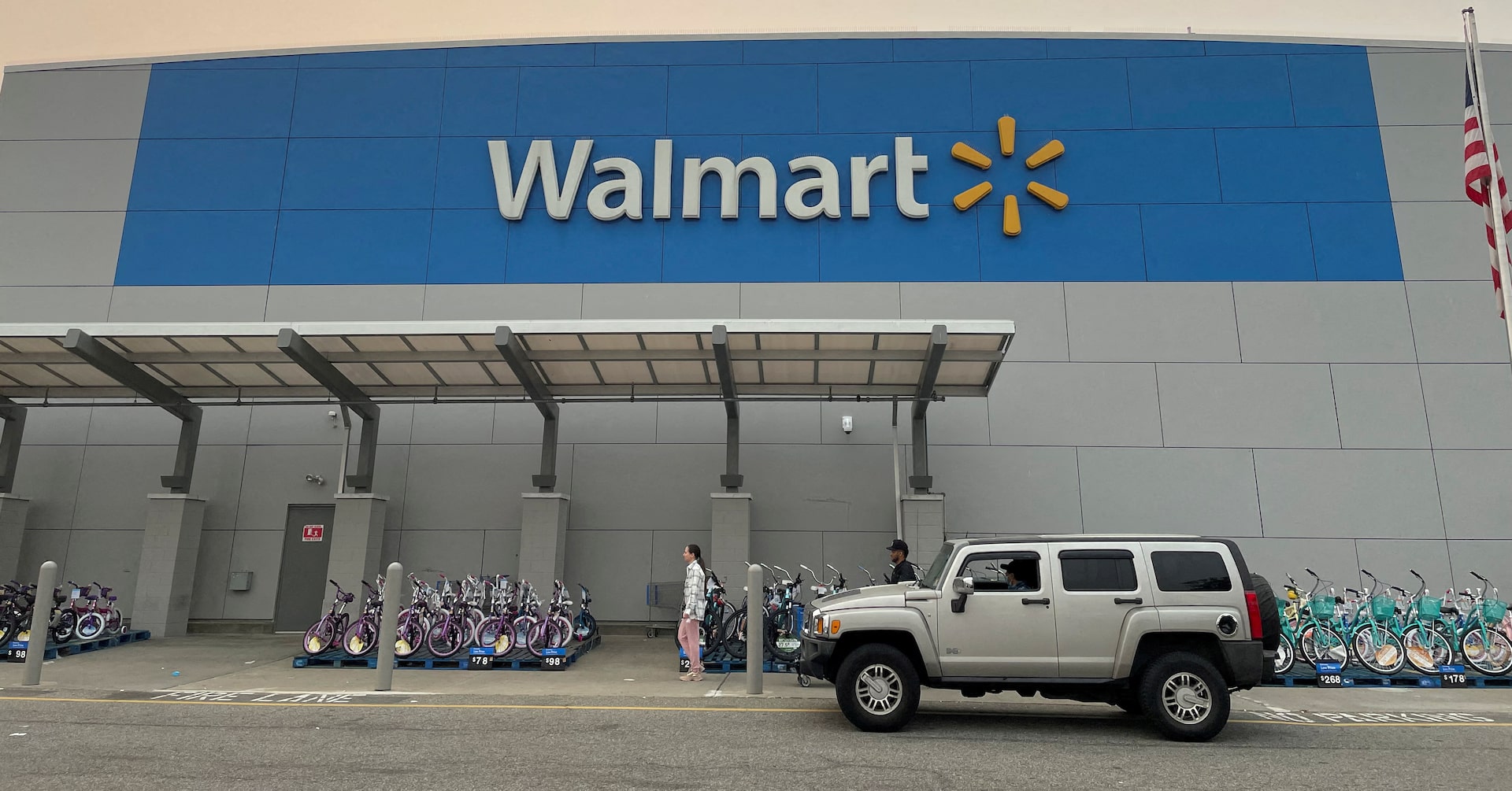
Walmart's Major Summer Sales Event Set to Launch Soon

- Event Timing: Walmart's summer sales event, branded as 'Walmart Deals', is scheduled from June 22 to 28, allowing consumers to shop online, via the mobile app, and in stores nationwide, with the online launch at 12:01 a.m. ET on June 22 and in-store sales starting at local opening times, concluding at 11:59 p.m. ET on June 28.
- Member Benefits: Walmart+ members will receive a 24-hour early access window to select online offers, enhancing the shopping experience for members and potentially attracting more consumers to join the membership program, thereby increasing customer loyalty.
- Diverse Product Range: The promotional event will feature markdowns across various categories including electronics, fashion, toys, furniture, skincare, and everyday essentials, with Walmart promoting both national brands and private-label value, aiming to meet diverse consumer needs and enhance market competitiveness.
- Limited Financial Impact: While the event will shift some sales from July to June, both months fall within Walmart's fiscal second quarter, meaning the financial reporting impact will be limited, prompting investors to focus on the long-term sales growth potential.
See More
AI Developers Push for Usage-Based Pricing Amid Rising Demand


- Pricing Model Shift: OpenAI, Anthropic, and Microsoft's GitHub are transitioning from simple flat-fee subscriptions to usage-based pricing, where heavy users may pay more for generating slide decks, drafting emails, and debugging code, reflecting the rising pressure on AI labs due to high spending on chips, data centers, and talent.
- Customer Transition: Anthropic has shifted some business customers to actual-usage billing, while GitHub has introduced a new usage-based system after monthly allotments, which may compel companies to reassess their AI spending returns and impact budget allocations.
- Corporate Limitation Measures: Walmart has capped employee use of an in-house AI agent, while Uber has limited monthly employee spending on certain AI coding tools to $1,500, indicating a more cautious approach from companies in response to rising costs.
- Intensified Market Competition: As businesses may route simpler tasks to lower-cost alternatives like Alibaba's Qwen and DeepSeek, competition in the market will intensify, putting greater pressure on high-priced AI models.
See More

Federal Reserve Holds Rates Steady, Market Reaction Muted


- Fed Rate Decision: The Federal Reserve decided to keep its benchmark interest rate steady at 3.5%-3.75% during its latest meeting, with new chairman Kevin Warsh's first statement being notably shorter and lacking forward guidance, indicating a potentially cautious policy approach moving forward.
- Middle East Peace Agreement: President Trump and Iranian President signed a 14-point memorandum of understanding aimed at fostering a lasting peace, including plans to reopen the Strait of Hormuz toll-free for 60 days, which could significantly impact global energy market stability.
- JetBlue Strategic Shift: JetBlue announced plans to reduce its footprint in New York City by closing tech operations at Newark and LaGuardia airports and ceasing seasonal flights to Los Angeles and Las Vegas, reallocating resources to its expansion in Florida, reflecting a flexible response to market demand.
- Intel-Apple Partnership: Intel shares rose 9% after Trump announced a new partnership with Apple to design and manufacture chips in the U.S., marking a significant recovery for Intel following years of decline and restoring market confidence in the chipmaker.
See More
Hollister Partners with Target for Dorm Decor Launch

- Market Opportunity: Hollister's partnership with Target marks its first foray into dorm and home decor, aiming to tap into the $88.8 billion back-to-college shopping market, which is expected to attract more young consumers.
- Product Variety: Launching on June 28, the collection will feature nearly 60 items across men's and women's apparel and bedding, designed to enhance customer loyalty and drive sales through a diversified product offering.
- Strategic Expansion: Hollister aims to evolve into a lifestyle brand by broadening its product line, attracting new customers, and encouraging existing shoppers to spend more, thereby achieving organic growth.
- Collaboration Model: Hollister and Target are co-designing products, with Target handling manufacturing; the collaboration is set to last at least through next year, with new drops planned for the fall, holiday, and spring seasons to enhance brand visibility.
See More

Target Approves 55th Consecutive Dividend Increase
- Dividend Growth: Target has approved an annual dividend of $4.64 per share, reflecting a modest 1.8% increase, the smallest in 55 years, which may disappoint some investors but still demonstrates the company's commitment to shareholders.
- Sales Recovery: In Q1 of fiscal 2026, Target's net sales surged nearly 7%, contrasting sharply with a 2% decline in fiscal 2025, indicating a gradual recovery under the new CEO's leadership.
- Investment and Costs: Despite a 25% drop in Q1 profit to $781 million, the company's $5 billion investment in technology and product mix led to a 21% increase in selling, general, and administrative expenses, explaining the modest dividend hike.
- Liquidity Assurance: With $3.5 billion in liquidity, Target can cover its $516 million dividend payments in the near term, even though it reported negative free cash flow of $319 million, as its $2.8 billion free cash flow in fiscal 2025 sufficiently covered nearly $2.1 billion in dividend costs.
See More

Target Announces Smallest Dividend Hike in 55 Years Amid Challenges
- Sales Recovery: Target's net sales surged nearly 7% in Q1, contrasting with a 2% decline in fiscal 2025, indicating a gradual recovery under new CEO leadership, although overall profitability remains under pressure.
- Dividend Policy: The company approved an annual dividend of $4.64 per share, with a modest 1.8% increase marking the smallest hike in 55 years, yet it maintains its 'Dividend King' status, reflecting a commitment to shareholders.
- Investment Commitment: The new CEO has pledged $5 billion to upgrade stores and improve product mix, aiming to enhance long-term competitiveness and market share despite challenges like high inventory and rising operational costs.
- Financial Position: Although Q1 free cash flow was negative at $319 million, the company holds $3.5 billion in liquidity, sufficient to cover quarterly dividend expenses, indicating short-term financial stability.
See More
Walmart's Major Summer Sales Event Set to Launch Soon
- Event Timing: Walmart's summer sales event, branded as 'Walmart Deals', is scheduled from June 22 to 28, allowing consumers to shop online, via the mobile app, and in stores nationwide, with the online launch at 12:01 a.m. ET on June 22 and in-store sales starting at local opening times, concluding at 11:59 p.m. ET on June 28.
- Member Benefits: Walmart+ members will receive a 24-hour early access window to select online offers, enhancing the shopping experience for members and potentially attracting more consumers to join the membership program, thereby increasing customer loyalty.
- Diverse Product Range: The promotional event will feature markdowns across various categories including electronics, fashion, toys, furniture, skincare, and everyday essentials, with Walmart promoting both national brands and private-label value, aiming to meet diverse consumer needs and enhance market competitiveness.
- Limited Financial Impact: While the event will shift some sales from July to June, both months fall within Walmart's fiscal second quarter, meaning the financial reporting impact will be limited, prompting investors to focus on the long-term sales growth potential.
See More
AI Developers Push for Usage-Based Pricing Amid Rising Demand
- Pricing Model Shift: OpenAI, Anthropic, and Microsoft's GitHub are transitioning from simple flat-fee subscriptions to usage-based pricing, where heavy users may pay more for generating slide decks, drafting emails, and debugging code, reflecting the rising pressure on AI labs due to high spending on chips, data centers, and talent.
- Customer Transition: Anthropic has shifted some business customers to actual-usage billing, while GitHub has introduced a new usage-based system after monthly allotments, which may compel companies to reassess their AI spending returns and impact budget allocations.
- Corporate Limitation Measures: Walmart has capped employee use of an in-house AI agent, while Uber has limited monthly employee spending on certain AI coding tools to $1,500, indicating a more cautious approach from companies in response to rising costs.
- Intensified Market Competition: As businesses may route simpler tasks to lower-cost alternatives like Alibaba's Qwen and DeepSeek, competition in the market will intensify, putting greater pressure on high-priced AI models.
See More
Federal Reserve Holds Rates Steady, Market Reaction Muted
- Fed Rate Decision: The Federal Reserve decided to keep its benchmark interest rate steady at 3.5%-3.75% during its latest meeting, with new chairman Kevin Warsh's first statement being notably shorter and lacking forward guidance, indicating a potentially cautious policy approach moving forward.
- Middle East Peace Agreement: President Trump and Iranian President signed a 14-point memorandum of understanding aimed at fostering a lasting peace, including plans to reopen the Strait of Hormuz toll-free for 60 days, which could significantly impact global energy market stability.
- JetBlue Strategic Shift: JetBlue announced plans to reduce its footprint in New York City by closing tech operations at Newark and LaGuardia airports and ceasing seasonal flights to Los Angeles and Las Vegas, reallocating resources to its expansion in Florida, reflecting a flexible response to market demand.
- Intel-Apple Partnership: Intel shares rose 9% after Trump announced a new partnership with Apple to design and manufacture chips in the U.S., marking a significant recovery for Intel following years of decline and restoring market confidence in the chipmaker.
See More
Hollister Partners with Target for Dorm Decor Launch
- Market Opportunity: Hollister's partnership with Target marks its first foray into dorm and home decor, aiming to tap into the $88.8 billion back-to-college shopping market, which is expected to attract more young consumers.
- Product Variety: Launching on June 28, the collection will feature nearly 60 items across men's and women's apparel and bedding, designed to enhance customer loyalty and drive sales through a diversified product offering.
- Strategic Expansion: Hollister aims to evolve into a lifestyle brand by broadening its product line, attracting new customers, and encouraging existing shoppers to spend more, thereby achieving organic growth.
- Collaboration Model: Hollister and Target are co-designing products, with Target handling manufacturing; the collaboration is set to last at least through next year, with new drops planned for the fall, holiday, and spring seasons to enhance brand visibility.
See More
Target Approves 55th Consecutive Dividend Increase
- Dividend Growth: Target has approved an annual dividend of $4.64 per share, reflecting a modest 1.8% increase, the smallest in 55 years, which may disappoint some investors but still demonstrates the company's commitment to shareholders.
- Sales Recovery: In Q1 of fiscal 2026, Target's net sales surged nearly 7%, contrasting sharply with a 2% decline in fiscal 2025, indicating a gradual recovery under the new CEO's leadership.
- Investment and Costs: Despite a 25% drop in Q1 profit to $781 million, the company's $5 billion investment in technology and product mix led to a 21% increase in selling, general, and administrative expenses, explaining the modest dividend hike.
- Liquidity Assurance: With $3.5 billion in liquidity, Target can cover its $516 million dividend payments in the near term, even though it reported negative free cash flow of $319 million, as its $2.8 billion free cash flow in fiscal 2025 sufficiently covered nearly $2.1 billion in dividend costs.
See More
Target Announces Smallest Dividend Hike in 55 Years Amid Challenges
- Sales Recovery: Target's net sales surged nearly 7% in Q1, contrasting with a 2% decline in fiscal 2025, indicating a gradual recovery under new CEO leadership, although overall profitability remains under pressure.
- Dividend Policy: The company approved an annual dividend of $4.64 per share, with a modest 1.8% increase marking the smallest hike in 55 years, yet it maintains its 'Dividend King' status, reflecting a commitment to shareholders.
- Investment Commitment: The new CEO has pledged $5 billion to upgrade stores and improve product mix, aiming to enhance long-term competitiveness and market share despite challenges like high inventory and rising operational costs.
- Financial Position: Although Q1 free cash flow was negative at $319 million, the company holds $3.5 billion in liquidity, sufficient to cover quarterly dividend expenses, indicating short-term financial stability.
See More





