Coinbase Reports Q4 Revenue Decline of 5%
Written by Emily J. Thompson, Senior Investment Analyst
Updated: Feb 13 2026
0mins


Source: Benzinga
- Revenue Decline: Coinbase reported total Q4 revenue of $1.78 billion, down 5% quarter-over-quarter, missing the Street consensus estimate of $1.85 billion, indicating potential market demand weakness that could impact future growth.
- Earnings Beat: Despite the revenue drop, Coinbase's adjusted earnings per share were 66 cents, surpassing the Street consensus estimate of 64 cents, demonstrating the company's strong performance in cost management and operational efficiency.
- Stock Price Surge: Coinbase shares jumped 13% to $159.44 on Friday, reflecting investor confidence in the company's profitability, even though overall revenue fell short of expectations.
- Market Environment Impact: The broader U.S. stock market declined, with the Dow Jones falling around 0.2% on Friday, indicating macroeconomic pressures on tech stocks that may affect Coinbase's future market performance.
Trade with 70% Backtested Accuracy
Stop guessing "Should I Buy AMAT?" and start using high-conviction signals backed by rigorous historical data.
Sign up today to access powerful investing tools and make smarter, data-driven decisions.
Analyst Views on AMAT
Wall Street analysts forecast AMAT stock price to fall
22 Analyst Rating
18 Buy
4 Hold
0 Sell
Strong Buy
Current: 426.850

Low
190.00
Averages
288.05
High
425.00
Current: 426.850
Low
190.00
Averages
288.05
High
425.00
About AMAT
Applied Materials, Inc. is a materials engineering solution company. The Company provides equipment, services and software to the semiconductor, display, and related industries. It operates through two segments: Semiconductor Systems and Applied Global Services (AGS). The Semiconductor Systems segment includes semiconductor capital equipment to enable materials engineering steps including etch, rapid thermal processing, deposition, chemical mechanical planarization, metrology and inspection, wafer packaging, and ion implantation. The AGS segment provides integrated solutions to optimize equipment and fab performance and productivity, including services, spares and factory automation software for semiconductor and other products. Its products include personal computing devices, mobile phones, artificial intelligence (AI) and data center servers, automobiles, connected devices, industrial applications and consumer electronics.
About the author

Emily J. Thompson
Emily J. Thompson, a Chartered Financial Analyst (CFA) with 12 years in investment research, graduated with honors from the Wharton School. Specializing in industrial and technology stocks, she provides in-depth analysis for Intellectia’s earnings and market brief reports.

U.S. Stocks Surge as Oil Prices Plunge, Boosting Market Sentiment


- Market Recovery: The S&P 500 Index rose by 1.08%, the Dow Jones Industrial Average increased by 1.31%, and the Nasdaq 100 Index climbed by 1.66%, reflecting renewed investor confidence in economic recovery, particularly amid a significant drop in oil prices.
- Oil Price Plunge: Crude oil prices fell by over 5% due to hopes for an end to the Iran conflict, which not only lowered inflation expectations but also caused the 10-year Treasury yield to drop by 10 basis points to 4.57%, providing support for the bond market.
- Semiconductor Stocks Rally: Nvidia rose more than 1% ahead of its earnings report, with Q1 sales expected to increase by 80%, drawing market attention to its production ramp-up and competitive strategies, positively impacting the overall tech sector.
- Mortgage Applications Decline: U.S. MBA mortgage applications fell by 2.3% for the week ending May 1, with the purchase mortgage sub-index down 4.1%, indicating pressure on the housing market from high interest rates, as the average 30-year fixed mortgage rate rose to 6.56%.
See More

US Stocks Rebound Led by Semiconductor Gains

- Market Rebound: The S&P 500 index rose by 0.78%, the Dow Jones Industrial Average increased by 0.75%, and the Nasdaq 100 climbed by 1.24%, indicating a recovery amid lower bond yields and strong semiconductor stock performance, reflecting investor confidence in economic recovery.
- Bond Yield Decline: The 10-year T-note yield fell by 5 basis points to 4.62% as inflation expectations weakened, driven by a more than 3% drop in WTI crude oil prices, which provides support for the bond market and may prompt investors to reassess risk assets.
- Semiconductor Sector Strength: Nvidia's stock rose over 1% ahead of its earnings report, with Q1 sales expected to increase by 80% year-over-year, drawing market attention to its production ramp-up and competitive strategies, which could significantly impact its stock price and the broader AI economy.
- Mortgage Applications Drop: US MBA mortgage applications fell by 2.3% in the week ending May 1, with the purchase mortgage sub-index down 4.1%, indicating pressure on the housing market from high interest rates, which may lead to a slowdown in future consumer spending and investment.
See More

U.S. Stocks Edge Up, Led by Semiconductor Gains

- Market Recovery: The S&P 500 index rose by 0.27%, the Dow Jones Industrial Average increased by 0.09%, and the Nasdaq 100 index climbed by 0.55%, indicating a gradual recovery of some losses this week, driven by lower bond yields and strong semiconductor stock performance.
- Bond Yield Decline: The 10-year Treasury note yield fell by 2 basis points to 4.65%, as inflation expectations weakened due to a more than 2% drop in WTI crude oil prices, providing support for the bond market and potentially influencing future interest rate decisions.
- Semiconductor Sector Strength: Nvidia's stock rose by 0.6%, with the market keenly awaiting its upcoming earnings report, which is expected to show an 80% year-over-year increase in Q1 sales, providing crucial insights into the state of the AI economy and potentially impacting industry competition.
- Mortgage Applications Drop: U.S. MBA mortgage applications fell by 2.3% in the week ending May 1, with the purchase mortgage sub-index down 4.1%, reflecting that despite the average 30-year fixed mortgage rate rising to 6.56%, housing demand remains weak, which could have long-term implications for the real estate market.
See More

Applied Materials and Broadcom Form R&D Partnership for AI Chip Packaging


- Partnership Announcement: Applied Materials (AMAT) and Broadcom (AVGO) have announced a new R&D partnership aimed at developing advanced packaging technologies for AI chips, addressing the surging demand for AI and driving innovation in the semiconductor industry.
- Resource Utilization: Broadcom will leverage resources from Applied's global network of innovation centers, including the upcoming EPIC Center in Silicon Valley, which is considered the largest-ever U.S. investment in advanced semiconductor equipment R&D.
- Market Reaction: Following the partnership announcement, shares of Applied Materials rose over 2% in early trading, while Broadcom's shares saw a slight increase, indicating a positive market sentiment towards the collaboration.
- Industry Outlook: With strong ongoing demand for AI-driven chips, particularly in advanced logic, DRAM, and high-bandwidth memory, the partnership is viewed as crucial for enabling sustainable progress in the industry, expected to enhance chip performance and energy efficiency.
See More
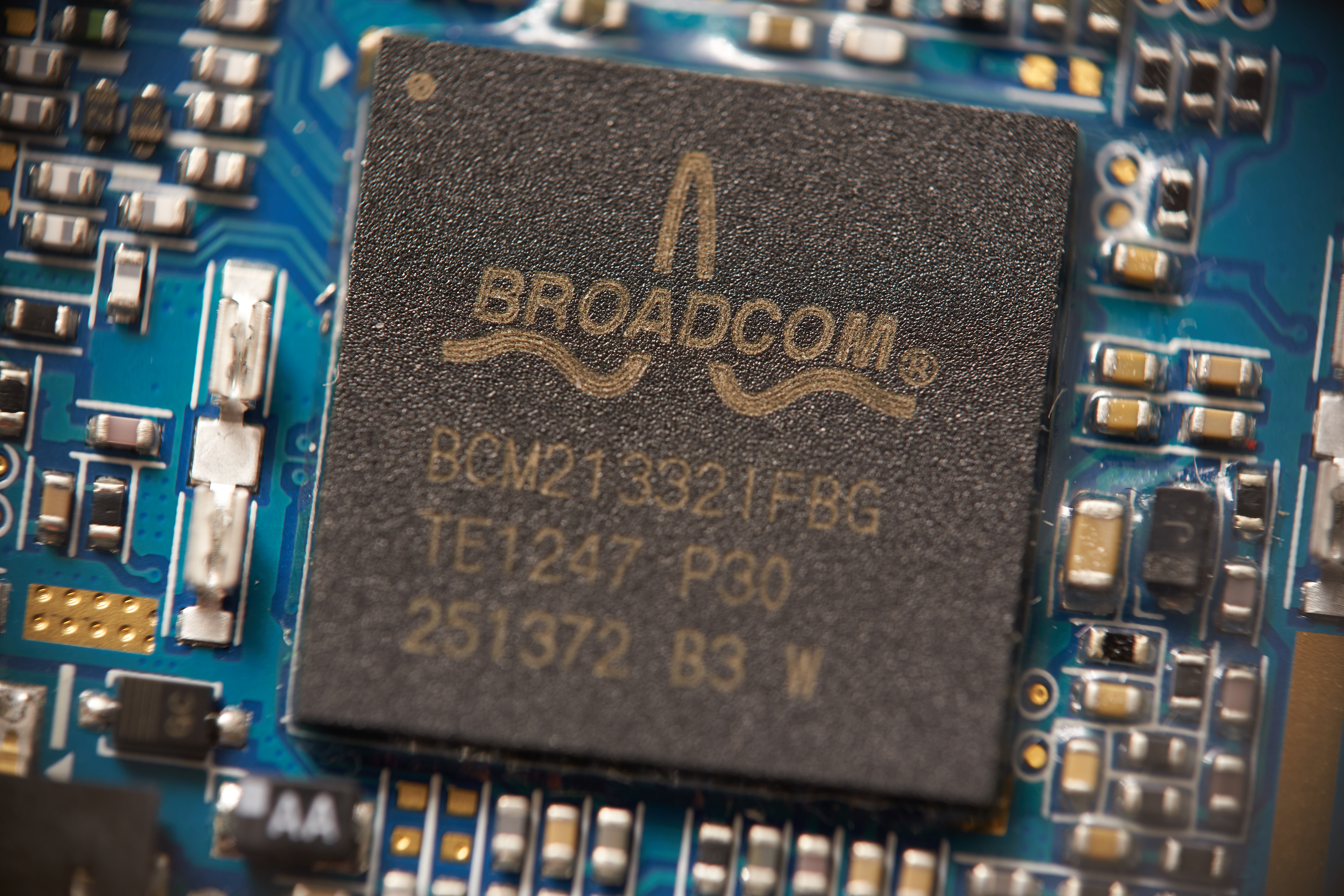
Broadcom Joins Applied Materials' EPIC Platform
- Partnership Announcement: Broadcom (AVGO) will join Applied Materials' (AMAT) EPIC platform as an innovation partner, aiming to accelerate the development of advanced chip packaging technologies for next-generation AI systems by leveraging R&D resources across global innovation centers.
- R&D Focus: This collaboration will enable Broadcom to tap into research efforts at Applied Materials' new EPIC Center in Silicon Valley, advancing chip packaging technologies that enhance inter-chip connectivity, thereby improving overall computing system performance to meet rising AI demands.
- Market Reaction: Following the announcement, Applied Materials' shares rose by 2% in premarket trading, while Broadcom's stock gained 1.8%, indicating a positive market response amid a broader rally in the semiconductor sector, reflecting investor optimism about future growth prospects.
- Industry Context: As Samsung's strike risk threatens chip supply, companies like Micron, Nvidia, and AMD have also seen stock price increases, indicating a wave of positive market sentiment across the semiconductor industry, further driving demand for advanced packaging technologies.
See More

Lam Research Opens New Lab in Austria to Advance Chip Packaging Technology

- New Lab Launch: Lam Research has opened a research lab in Salzburg, Austria, focusing on the development of panel-level packaging technology aimed at increasing chip density and reducing costs to address the challenges posed by surging AI demand.
- Technological Innovation: The lab will utilize square panels instead of traditional circular silicon wafers, eliminating edge material waste, thereby enabling chipmakers to produce more chips per surface at a lower cost, enhancing market competitiveness.
- Surging Market Demand: The growing need for more complex and powerful chips has led to a sharp increase in demand for wafer fabrication equipment provided by Lam Research and competitors like Applied Materials, ASML, and KLA, driving technological advancements across the industry.
- Strategic Acquisition: The new lab builds on the expertise of Semsysco GmbH, a Salzburg chip equipment firm acquired by Lam Research in 2022, marking the company's first foray into panel-level processing and further solidifying its leadership position in the semiconductor industry.
See More
U.S. Stocks Surge as Oil Prices Plunge, Boosting Market Sentiment
- Market Recovery: The S&P 500 Index rose by 1.08%, the Dow Jones Industrial Average increased by 1.31%, and the Nasdaq 100 Index climbed by 1.66%, reflecting renewed investor confidence in economic recovery, particularly amid a significant drop in oil prices.
- Oil Price Plunge: Crude oil prices fell by over 5% due to hopes for an end to the Iran conflict, which not only lowered inflation expectations but also caused the 10-year Treasury yield to drop by 10 basis points to 4.57%, providing support for the bond market.
- Semiconductor Stocks Rally: Nvidia rose more than 1% ahead of its earnings report, with Q1 sales expected to increase by 80%, drawing market attention to its production ramp-up and competitive strategies, positively impacting the overall tech sector.
- Mortgage Applications Decline: U.S. MBA mortgage applications fell by 2.3% for the week ending May 1, with the purchase mortgage sub-index down 4.1%, indicating pressure on the housing market from high interest rates, as the average 30-year fixed mortgage rate rose to 6.56%.
See More
US Stocks Rebound Led by Semiconductor Gains
- Market Rebound: The S&P 500 index rose by 0.78%, the Dow Jones Industrial Average increased by 0.75%, and the Nasdaq 100 climbed by 1.24%, indicating a recovery amid lower bond yields and strong semiconductor stock performance, reflecting investor confidence in economic recovery.
- Bond Yield Decline: The 10-year T-note yield fell by 5 basis points to 4.62% as inflation expectations weakened, driven by a more than 3% drop in WTI crude oil prices, which provides support for the bond market and may prompt investors to reassess risk assets.
- Semiconductor Sector Strength: Nvidia's stock rose over 1% ahead of its earnings report, with Q1 sales expected to increase by 80% year-over-year, drawing market attention to its production ramp-up and competitive strategies, which could significantly impact its stock price and the broader AI economy.
- Mortgage Applications Drop: US MBA mortgage applications fell by 2.3% in the week ending May 1, with the purchase mortgage sub-index down 4.1%, indicating pressure on the housing market from high interest rates, which may lead to a slowdown in future consumer spending and investment.
See More
U.S. Stocks Edge Up, Led by Semiconductor Gains
- Market Recovery: The S&P 500 index rose by 0.27%, the Dow Jones Industrial Average increased by 0.09%, and the Nasdaq 100 index climbed by 0.55%, indicating a gradual recovery of some losses this week, driven by lower bond yields and strong semiconductor stock performance.
- Bond Yield Decline: The 10-year Treasury note yield fell by 2 basis points to 4.65%, as inflation expectations weakened due to a more than 2% drop in WTI crude oil prices, providing support for the bond market and potentially influencing future interest rate decisions.
- Semiconductor Sector Strength: Nvidia's stock rose by 0.6%, with the market keenly awaiting its upcoming earnings report, which is expected to show an 80% year-over-year increase in Q1 sales, providing crucial insights into the state of the AI economy and potentially impacting industry competition.
- Mortgage Applications Drop: U.S. MBA mortgage applications fell by 2.3% in the week ending May 1, with the purchase mortgage sub-index down 4.1%, reflecting that despite the average 30-year fixed mortgage rate rising to 6.56%, housing demand remains weak, which could have long-term implications for the real estate market.
See More
Applied Materials and Broadcom Form R&D Partnership for AI Chip Packaging
- Partnership Announcement: Applied Materials (AMAT) and Broadcom (AVGO) have announced a new R&D partnership aimed at developing advanced packaging technologies for AI chips, addressing the surging demand for AI and driving innovation in the semiconductor industry.
- Resource Utilization: Broadcom will leverage resources from Applied's global network of innovation centers, including the upcoming EPIC Center in Silicon Valley, which is considered the largest-ever U.S. investment in advanced semiconductor equipment R&D.
- Market Reaction: Following the partnership announcement, shares of Applied Materials rose over 2% in early trading, while Broadcom's shares saw a slight increase, indicating a positive market sentiment towards the collaboration.
- Industry Outlook: With strong ongoing demand for AI-driven chips, particularly in advanced logic, DRAM, and high-bandwidth memory, the partnership is viewed as crucial for enabling sustainable progress in the industry, expected to enhance chip performance and energy efficiency.
See More
Broadcom Joins Applied Materials' EPIC Platform
- Partnership Announcement: Broadcom (AVGO) will join Applied Materials' (AMAT) EPIC platform as an innovation partner, aiming to accelerate the development of advanced chip packaging technologies for next-generation AI systems by leveraging R&D resources across global innovation centers.
- R&D Focus: This collaboration will enable Broadcom to tap into research efforts at Applied Materials' new EPIC Center in Silicon Valley, advancing chip packaging technologies that enhance inter-chip connectivity, thereby improving overall computing system performance to meet rising AI demands.
- Market Reaction: Following the announcement, Applied Materials' shares rose by 2% in premarket trading, while Broadcom's stock gained 1.8%, indicating a positive market response amid a broader rally in the semiconductor sector, reflecting investor optimism about future growth prospects.
- Industry Context: As Samsung's strike risk threatens chip supply, companies like Micron, Nvidia, and AMD have also seen stock price increases, indicating a wave of positive market sentiment across the semiconductor industry, further driving demand for advanced packaging technologies.
See More
Lam Research Opens New Lab in Austria to Advance Chip Packaging Technology
- New Lab Launch: Lam Research has opened a research lab in Salzburg, Austria, focusing on the development of panel-level packaging technology aimed at increasing chip density and reducing costs to address the challenges posed by surging AI demand.
- Technological Innovation: The lab will utilize square panels instead of traditional circular silicon wafers, eliminating edge material waste, thereby enabling chipmakers to produce more chips per surface at a lower cost, enhancing market competitiveness.
- Surging Market Demand: The growing need for more complex and powerful chips has led to a sharp increase in demand for wafer fabrication equipment provided by Lam Research and competitors like Applied Materials, ASML, and KLA, driving technological advancements across the industry.
- Strategic Acquisition: The new lab builds on the expertise of Semsysco GmbH, a Salzburg chip equipment firm acquired by Lam Research in 2022, marking the company's first foray into panel-level processing and further solidifying its leadership position in the semiconductor industry.
See More