Coca-Cola Launches New Marketing Campaign to Boost Restaurant Sales
Written by Emily J. Thompson, Senior Investment Analyst
Updated: Apr 02 2026
0mins

Source: CNBC
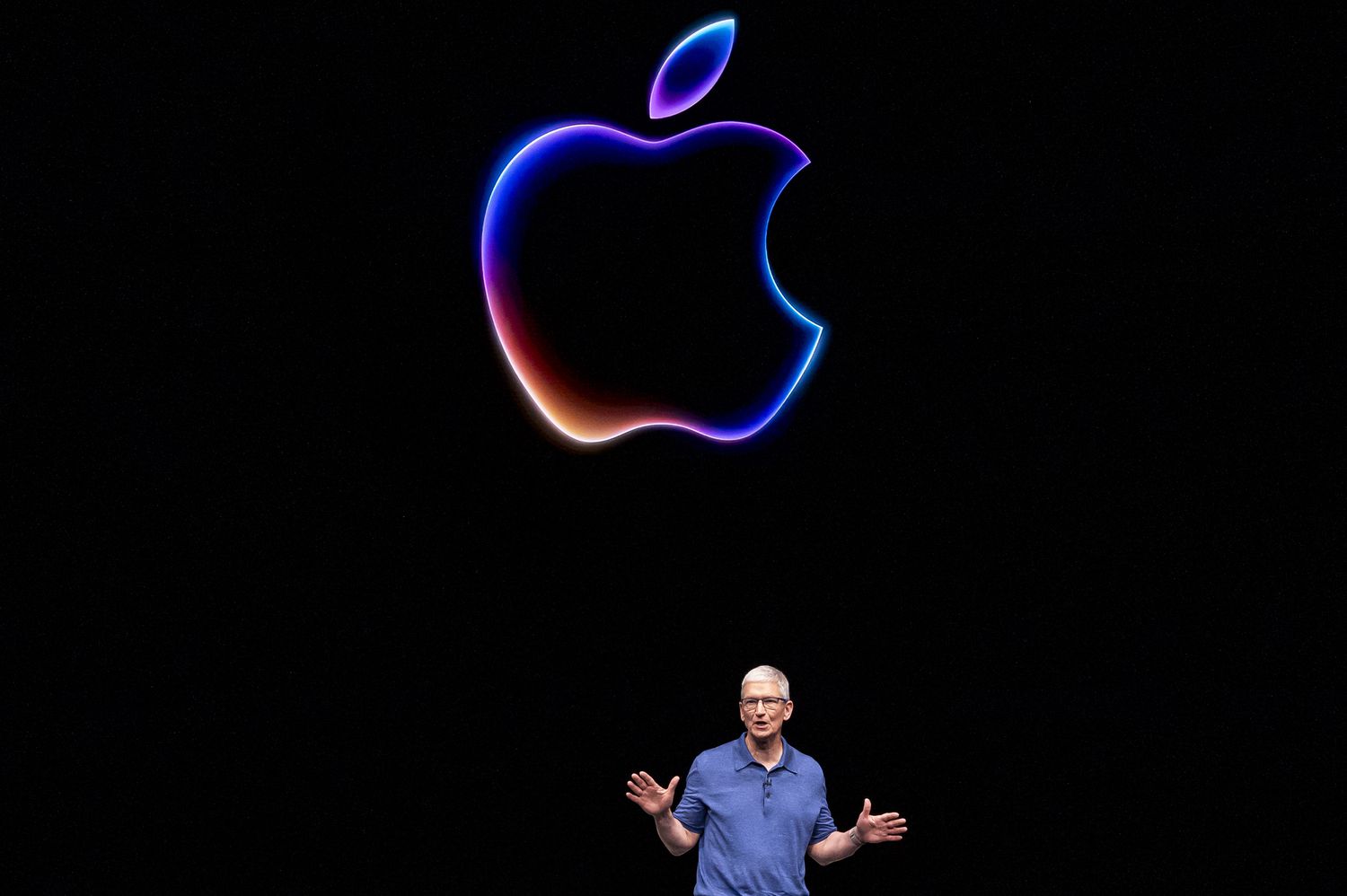
- Campaign Launch: Coca-Cola unveiled a new marketing campaign on Thursday aimed at boosting beverage sales in restaurants to tackle challenges posed by declining traffic and sluggish sales growth, marking the first time it has partnered with multiple restaurant chains for ads.
- Wide Advertising Reach: The campaign features commercials showcasing 13 different chains, including Arby's, Domino's, and Wendy's, emphasizing the importance of drinks as high-margin menu items, particularly as consumers cut back on dining out.
- Deepening Partnerships: Coca-Cola collaborates with restaurants to market combo meals, providing marketing funds to attract customers, especially amid intensified value competition in the fast-food sector, highlighting its role as a “business partner.”
- Sales Outlook: Despite a 4% organic sales growth in North America in 2025, Coca-Cola's domestic unit case volume fell by 1%, indicating weak demand, with modest sales growth projected for 2026, reflecting a challenging market environment.
Trade with 70% Backtested Accuracy
Stop guessing "Should I Buy KO?" and start using high-conviction signals backed by rigorous historical data.
Sign up today to access powerful investing tools and make smarter, data-driven decisions.
Analyst Views on KO
Wall Street analysts forecast KO stock price to fall
14 Analyst Rating
13 Buy
1 Hold
0 Sell
Strong Buy
Current: 82.530

Low
71.00
Averages
79.33
High
85.00
Current: 82.530
Low
71.00
Averages
79.33
High
85.00
About KO
The Coca-Cola Company is a beverage company. The Company's segments include Europe, Middle East and Africa (EMEA); Latin America; North America; Asia Pacific, and Bottling Investments. It sells multiple brands across several beverage categories worldwide. Its portfolio of sparkling soft drink brands includes Coca-Cola, Sprite and Fanta. Its water, sports, coffee and tea brands include Dasani, smartwater, vitaminwater, Topo Chico, BODYARMOR, Powerade, Costa, Georgia, Fuze Tea, Gold Peak and Ayataka. Its juice, value-added dairy and plant-based beverage brands include Minute Maid, Simply, innocent, Del Valle, fairlife and Santa Clara. It operates in two lines of business: concentrate operations and finished product operations. Its concentrate operations sell beverage concentrates, syrups, including fountain syrups, and certain finished beverages to authorized bottling operations. Its finished product operations sell sparkling soft drinks and a variety of other finished beverages.
About the author

Emily J. Thompson
Emily J. Thompson, a Chartered Financial Analyst (CFA) with 12 years in investment research, graduated with honors from the Wharton School. Specializing in industrial and technology stocks, she provides in-depth analysis for Intellectia’s earnings and market brief reports.

Coca-Cola Sales Improve, Morgan Stanley Maintains Bullish Outlook

- Sales Growth Trend: Morgan Stanley highlighted improving sales for Coca-Cola's Fairlife premium dairy brand, with demand significantly rising in recent weeks based on U.S. retail scanner data, indicating enhanced growth potential in the premium market.
- Price Target Maintenance: The firm maintained an ‘Overweight’ rating on Coca-Cola with a price target of $89, implying a 6% upside from the stock's last closing price, reflecting analysts' optimistic outlook on the company's future performance.
- World Cup Marketing Strategy: Ahead of the upcoming FIFA World Cup, Coca-Cola is rolling out tech-driven fan experiences aimed at enhancing engagement with younger consumers in North America, alongside launching new ads and limited-edition packaging to boost brand visibility.
- Retail Sentiment Optimism: On Stocktwits, retail sentiment around Coca-Cola remains bullish, with message volume surging 550% over the past month, indicating strong market interest and confidence in the stock's performance.
See More

Retail and Beverage Stocks Hit New Highs Amid Market Volatility
- TJX Strong Performance: TJX reported a 9% year-over-year increase in net sales to $14.3 billion for Q1 FY2027, with comparable sales up 6%, showcasing its resilience in a diverse customer base, and raised its full-year EPS outlook to $5.08-$5.15, indicating optimism for future growth.
- Coca-Cola's Steady Growth: Coca-Cola's organic revenue grew 10% year-over-year in Q1, with unit case volume up 3%, while operating margin expanded from 32.9% to 35%, reflecting strong demand and profitability, alongside a 64th consecutive dividend increase, demonstrating stable cash flow and shareholder return strategy.
- Monster Beverage Sales Surge: Monster Beverage's Q1 net sales jumped 26.9% year-over-year to over $2 billion for the first time, with international sales soaring 44.9% to 45% of total sales, indicating robust global performance despite a slight decline in gross margin, showcasing strong profitability.
- Market Diversification Effect: Despite pressure on tech stocks, companies like TJX and Coca-Cola reached new highs, indicating that investors are seeking stability in diversified portfolios, reflecting the ongoing rotation of market leadership, suggesting that investors should focus on these resilient consumer goods companies to balance risk.
See More

22 S&P 500 Stocks Hit New 52-Week Highs Amid Market Decline
- Divergent Market Performance: Despite a 1.6% drop in the S&P 500, 22 stocks reached new 52-week highs, including TJX, Coca-Cola, and Monster Beverage, indicating strong investor confidence in these companies amidst overall market volatility.
- TJX's Strong Results: TJX reported a 9% year-over-year increase in net sales to $14.3 billion for Q1 FY2027, with earnings per share jumping 29% to $1.19, prompting management to raise its full-year earnings outlook, showcasing its robust competitiveness in the retail sector.
- Coca-Cola's Steady Growth: Coca-Cola's organic revenue grew 10% year-over-year in Q1, with unit case volume up 3% and operating margin expanding to 35%, reflecting stable demand and profitability in the beverage market, further solidifying its market position.
- Monster Beverage's Sales Surge: Monster Beverage's net sales soared 26.9% year-over-year to $2.35 billion in Q1, with international sales up 44.9%, demonstrating strong global performance despite a slight decline in gross margin, yet overall profitability remains robust.
See More

Analysis of High-Yield Stock Investment Opportunities

- Coca-Cola vs. PepsiCo: While Coca-Cola excels in sales and brand recognition, PepsiCo offers a forward-looking dividend yield of 4.1%, significantly higher than Coca-Cola's 2.6%, making it more attractive to income investors.
- PepsiCo's Growth Potential: PepsiCo's recent organic revenue growth of 2.6% year-over-year, driven by product innovation and smarter pricing strategies, suggests that despite its recent stock underperformance, it may rebound as interest in growth stocks wanes.
- Enbridge's Stability: Enbridge operates over 18,000 miles of crude oil pipelines and 19,000 miles of natural gas pipelines, allowing it to maintain profitability amid fluctuating oil and gas prices, with a nearly 5% dividend yield appealing to long-term investors.
- Brookfield Asset Management's Growth Target: Brookfield Asset Management boasts a dividend yield of 4.4%, with a 57% increase in quarterly dividends since 2023, and targets an average annual growth rate of 15% to 20%, indicating strong cash flow and long-term investment potential.
See More
SNDK, KO, and M Stocks Reach Annual Highs Amid Market Optimism

- SNDK Stock Surge: SanDisk shares soared to an all-time high of $1,881.51 on Thursday, driven by optimism surrounding AI-driven demand and easing geopolitical tensions in the Middle East, resulting in a staggering 583.59% increase year-to-date in 2026.
- Coca-Cola's Wall Street Approval: Coca-Cola's stock climbed to a fresh 52-week high of $84.04 on Thursday, buoyed by a series of favorable analyst updates, although caution was expressed regarding Mexico's upcoming 2026 excise tax, the outlook for its North American business remains positive.
- Macy's Financial Strength: Macy's shares rose to a new annual high of $25.05 on Thursday, supported by stronger-than-expected first-quarter results and the launch of its
See More
Market Update: Stock Movements and IPO Outlook
- Market Movements: Stock futures are up but have retreated after President Trump's threats against Iran caused oil prices to rise, indicating market sensitivity to geopolitical risks that could affect investor sentiment.
- SpaceX IPO Update: Orders for SpaceX's IPO are in, with underwriters like Goldman Sachs determining allocations; strong demand could push the stock's valuation to $5 trillion, reflecting investor optimism in the space industry.
- Oracle Earnings Impact: Oracle's stock fell post-earnings despite a decent quarter, as the company plans to raise another $20 billion for data center construction, which may lead to shareholder dilution and increased debt, causing cautious reactions from investors.
- Intel Rating Upgrade: Bank of America upgraded Intel from sell to buy, citing increased confidence in its third-party foundry business, emphasizing that execution is key, which suggests a positive outlook on the chipmaker's future profitability.
See More
Coca-Cola Sales Improve, Morgan Stanley Maintains Bullish Outlook
- Sales Growth Trend: Morgan Stanley highlighted improving sales for Coca-Cola's Fairlife premium dairy brand, with demand significantly rising in recent weeks based on U.S. retail scanner data, indicating enhanced growth potential in the premium market.
- Price Target Maintenance: The firm maintained an ‘Overweight’ rating on Coca-Cola with a price target of $89, implying a 6% upside from the stock's last closing price, reflecting analysts' optimistic outlook on the company's future performance.
- World Cup Marketing Strategy: Ahead of the upcoming FIFA World Cup, Coca-Cola is rolling out tech-driven fan experiences aimed at enhancing engagement with younger consumers in North America, alongside launching new ads and limited-edition packaging to boost brand visibility.
- Retail Sentiment Optimism: On Stocktwits, retail sentiment around Coca-Cola remains bullish, with message volume surging 550% over the past month, indicating strong market interest and confidence in the stock's performance.
See More
Retail and Beverage Stocks Hit New Highs Amid Market Volatility
- TJX Strong Performance: TJX reported a 9% year-over-year increase in net sales to $14.3 billion for Q1 FY2027, with comparable sales up 6%, showcasing its resilience in a diverse customer base, and raised its full-year EPS outlook to $5.08-$5.15, indicating optimism for future growth.
- Coca-Cola's Steady Growth: Coca-Cola's organic revenue grew 10% year-over-year in Q1, with unit case volume up 3%, while operating margin expanded from 32.9% to 35%, reflecting strong demand and profitability, alongside a 64th consecutive dividend increase, demonstrating stable cash flow and shareholder return strategy.
- Monster Beverage Sales Surge: Monster Beverage's Q1 net sales jumped 26.9% year-over-year to over $2 billion for the first time, with international sales soaring 44.9% to 45% of total sales, indicating robust global performance despite a slight decline in gross margin, showcasing strong profitability.
- Market Diversification Effect: Despite pressure on tech stocks, companies like TJX and Coca-Cola reached new highs, indicating that investors are seeking stability in diversified portfolios, reflecting the ongoing rotation of market leadership, suggesting that investors should focus on these resilient consumer goods companies to balance risk.
See More
22 S&P 500 Stocks Hit New 52-Week Highs Amid Market Decline
- Divergent Market Performance: Despite a 1.6% drop in the S&P 500, 22 stocks reached new 52-week highs, including TJX, Coca-Cola, and Monster Beverage, indicating strong investor confidence in these companies amidst overall market volatility.
- TJX's Strong Results: TJX reported a 9% year-over-year increase in net sales to $14.3 billion for Q1 FY2027, with earnings per share jumping 29% to $1.19, prompting management to raise its full-year earnings outlook, showcasing its robust competitiveness in the retail sector.
- Coca-Cola's Steady Growth: Coca-Cola's organic revenue grew 10% year-over-year in Q1, with unit case volume up 3% and operating margin expanding to 35%, reflecting stable demand and profitability in the beverage market, further solidifying its market position.
- Monster Beverage's Sales Surge: Monster Beverage's net sales soared 26.9% year-over-year to $2.35 billion in Q1, with international sales up 44.9%, demonstrating strong global performance despite a slight decline in gross margin, yet overall profitability remains robust.
See More
Analysis of High-Yield Stock Investment Opportunities
- Coca-Cola vs. PepsiCo: While Coca-Cola excels in sales and brand recognition, PepsiCo offers a forward-looking dividend yield of 4.1%, significantly higher than Coca-Cola's 2.6%, making it more attractive to income investors.
- PepsiCo's Growth Potential: PepsiCo's recent organic revenue growth of 2.6% year-over-year, driven by product innovation and smarter pricing strategies, suggests that despite its recent stock underperformance, it may rebound as interest in growth stocks wanes.
- Enbridge's Stability: Enbridge operates over 18,000 miles of crude oil pipelines and 19,000 miles of natural gas pipelines, allowing it to maintain profitability amid fluctuating oil and gas prices, with a nearly 5% dividend yield appealing to long-term investors.
- Brookfield Asset Management's Growth Target: Brookfield Asset Management boasts a dividend yield of 4.4%, with a 57% increase in quarterly dividends since 2023, and targets an average annual growth rate of 15% to 20%, indicating strong cash flow and long-term investment potential.
See More
SNDK, KO, and M Stocks Reach Annual Highs Amid Market Optimism
- SNDK Stock Surge: SanDisk shares soared to an all-time high of $1,881.51 on Thursday, driven by optimism surrounding AI-driven demand and easing geopolitical tensions in the Middle East, resulting in a staggering 583.59% increase year-to-date in 2026.
- Coca-Cola's Wall Street Approval: Coca-Cola's stock climbed to a fresh 52-week high of $84.04 on Thursday, buoyed by a series of favorable analyst updates, although caution was expressed regarding Mexico's upcoming 2026 excise tax, the outlook for its North American business remains positive.
- Macy's Financial Strength: Macy's shares rose to a new annual high of $25.05 on Thursday, supported by stronger-than-expected first-quarter results and the launch of its
See More
Market Update: Stock Movements and IPO Outlook
- Market Movements: Stock futures are up but have retreated after President Trump's threats against Iran caused oil prices to rise, indicating market sensitivity to geopolitical risks that could affect investor sentiment.
- SpaceX IPO Update: Orders for SpaceX's IPO are in, with underwriters like Goldman Sachs determining allocations; strong demand could push the stock's valuation to $5 trillion, reflecting investor optimism in the space industry.
- Oracle Earnings Impact: Oracle's stock fell post-earnings despite a decent quarter, as the company plans to raise another $20 billion for data center construction, which may lead to shareholder dilution and increased debt, causing cautious reactions from investors.
- Intel Rating Upgrade: Bank of America upgraded Intel from sell to buy, citing increased confidence in its third-party foundry business, emphasizing that execution is key, which suggests a positive outlook on the chipmaker's future profitability.
See More