

Coca-Cola and Walmart Welcome New AI-Driven CEOs as Retail Leaders Prepare for Major Transformation


AI Adoption in Retail: Both Coca-Cola and Walmart have integrated AI into various aspects of their operations, including product marketing, development, and customer engagement, reflecting a significant shift in the retail industry towards artificial intelligence.
Leadership Changes: Coca-Cola's CEO James Quincey is stepping down, with COO Henrique Braun set to succeed him, a move influenced by organizational and market shifts as the company prepares for a new era of AI-driven transformation.
Stock Performance: Coca-Cola's shares have increased by 7.6% year-to-date, while Walmart's shares have gained 10%, contrasting with broader market trends where both companies have bucked the downward trajectory seen in other retail stocks.
AI Applications: Coca-Cola is utilizing AI for marketing campaigns and product development, while Walmart has implemented AI shopping assistants and personalized recommendations, showcasing the diverse applications of AI in enhancing customer experience and operational efficiency.
Trade with 70% Backtested Accuracy
Analyst Views on KO

About KO
About the author


Coca-Cola Shares Surge 20% to All-Time High Amid Earnings Anticipation

- Stock Performance: Coca-Cola (KO) shares have surged nearly 20% this year, hitting an all-time high on Monday, reflecting strong investor interest despite its high valuation.
- Earnings Expectations: The company is set to report its second-quarter earnings on July 28, and while net revenue rose 12% year-over-year in Q1, the previous year's decline of 2% may create a low comparative base, potentially inflating market expectations.
- Valuation Risks: With a current P/E ratio of 26, significantly above the S&P 500's average of 25, investors should be cautious of the risks associated with high valuations, especially as the dividend yield has fallen to 2.5%.
- Future Outlook: Although Coca-Cola's business remains strong, if it fails to exceed earnings expectations, a stock price pullback could occur post-earnings release, necessitating careful evaluation of its current investment value.

Smurfit Westrock and Coca-Cola Collaborate on World Cup Paper Packaging

- World Cup Packaging Innovation: Smurfit Westrock has partnered with Coca-Cola China to create innovative paper packaging for the 2026 World Cup, aiming to enhance brand visibility in stores and online, which is expected to significantly boost consumer spending.
- Gift Pack Highlight: A key feature of this collaboration is the introduction of an eight-can (330 ml) gift pack designed for supermarket shelves, which includes space for a World Cup souvenir, further enticing consumer purchases.
- Diverse Packaging Formats: In addition to the flagship gift pack, Smurfit Westrock has developed a variety of packaging formats tailored for different channels and occasions, including an octagonal seven mini-can pack, a basket-style pack, and an e-commerce solution to meet diverse market demands.
- Positive Market Reaction: Smurfit Westrock (SW) shares rose 1.4% in premarket trading, indicating a positive market response to the collaboration with Coca-Cola, reflecting investor confidence in this strategic partnership.
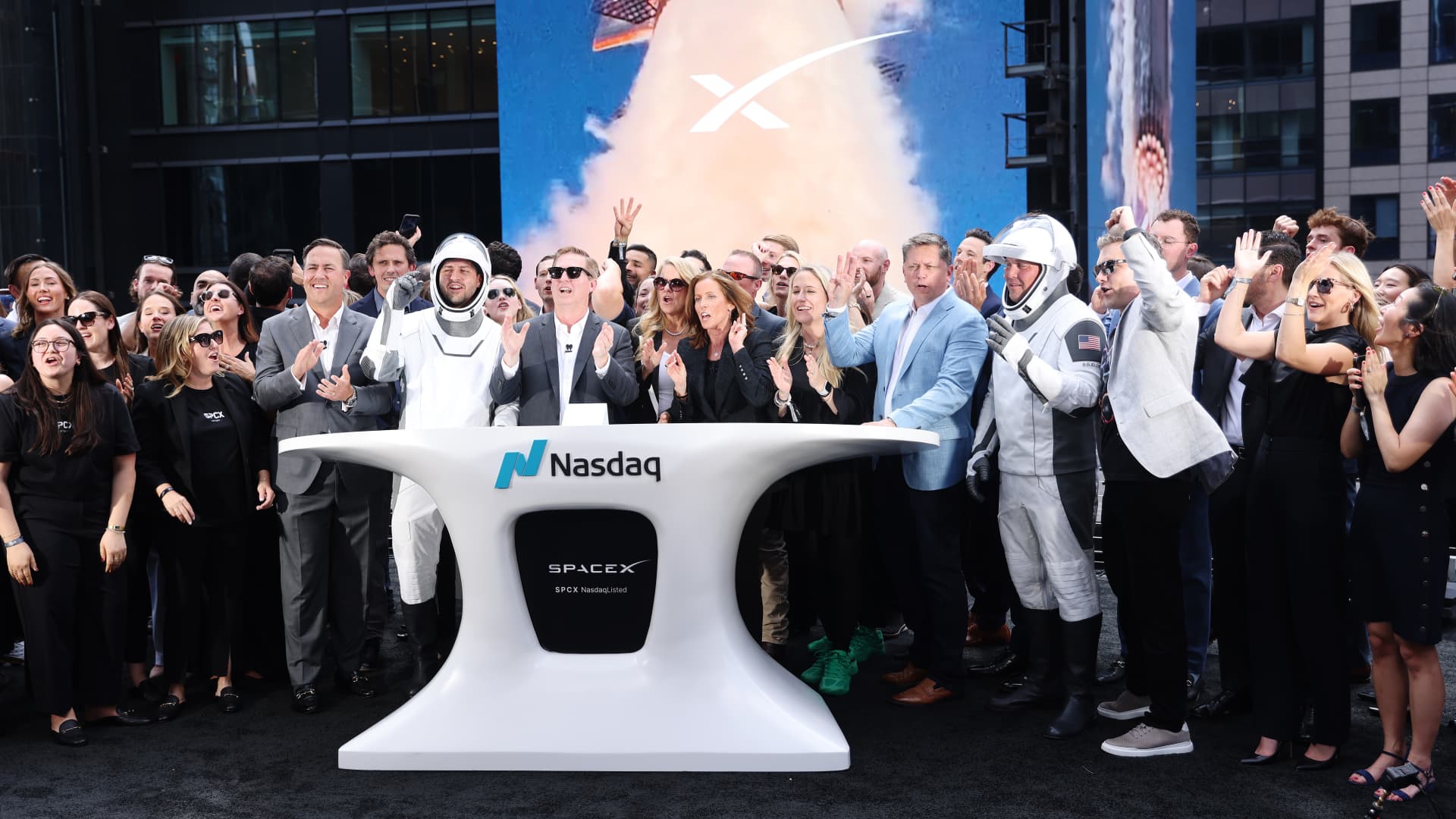
Market Update: SpaceX and Coca-Cola Reach New Highs


- SpaceX Joins Nasdaq: SpaceX was fast-tracked into the Nasdaq-100 on Tuesday, closing its first trading day at $160.95, approximately 30% below its June 16 high of $225.64, indicating strong market interest despite the decline.
- Financial Sector Surge: The S&P Financials sector surged 4.5% in the past week and 7.6% over the month, with 82 out of 85 stocks rising last week, led by Robinhood's impressive 43% increase over three months, reflecting renewed investor confidence in financial stocks.
- Coca-Cola Hits New High: Coca-Cola shares have risen 7.4% over the past three months, reaching a new high, while the S&P Staples sector remained flat, showcasing Coca-Cola's robust performance and stable consumer demand in a challenging market.
- Cybersecurity Stocks Reach All-Time Highs: CrowdStrike, Fortinet, and Palo Alto Networks all achieved record highs on Monday, with CrowdStrike up 100%, Fortinet up 97%, and Palo Alto Networks up 121% over three months, highlighting strong market interest and investment in cybersecurity solutions.

Retirement Investment Strategies: Adjusting Your Portfolio This Summer

- Defensive Stock Investment: Given Nvidia's (NVDA) impressive 16,510% growth, retirees are advised to shift some funds into blue-chip stocks like Coca-Cola (KO) to enhance retirement income and mitigate risks, particularly during market fluctuations.
- Fixed-Income Investment Opportunities: With the Fed's benchmark rate steady at 3.50%-3.75%, retirees should consider increasing their purchases of CDs, T-bills, and investment-grade bonds to secure stable, low-risk income, especially since municipal bonds offer tax exemptions.
- Assessing Passive Income Needs: Retirees should evaluate whether they need to withdraw Social Security benefits or funds from retirement accounts, as claiming Social Security early reduces annual payments by 30%, and withdrawing from IRAs before age 59.5 incurs a 10% penalty, making liquidity management crucial.
- Summer Investment Adjustments: As trading activity slows in the summer, retirees should take advantage of this period to adjust their portfolios, maximizing retirement income and positioning themselves for opportunities arising from future market recoveries.

Coca-Cola vs. PepsiCo: Investment Choices Amid Diverging Performance

- Coca-Cola's Strong Performance: In Q1 2026, Coca-Cola reported a 10% organic revenue growth, with concentrate sales up 8% and earnings per share rising 18% to $0.86, demonstrating the company's ability to attract investors amid market volatility.
- Consistent Dividend Growth: Coca-Cola raised its quarterly dividend to $0.53 per share in February, marking the 64th consecutive year of increases, providing an attractive yield of approximately 2.5% for income-seeking investors.
- PepsiCo's Challenges and Opportunities: PepsiCo's organic revenue grew only 2.6% in Q1, but its North American food business showed signs of recovery, with management attributing this to innovation and affordability initiatives, which could shift market perceptions if sustained in upcoming reports.
- Dividend Appeal: PepsiCo increased its dividend by 4% to $5.92 per share this year, yielding about 4.1%, offering a higher income cushion for investors waiting for a turnaround, despite its lower valuation compared to Coca-Cola.

Coca-Cola vs. PepsiCo: A Financial Comparison
- Coca-Cola's Strong Performance: In its latest quarter, Coca-Cola achieved a 10% organic revenue growth, primarily driven by an 8% increase in concentrate sales, although the quarter was slightly flattered by six additional calendar days, indicating the company's robust execution amidst market volatility.
- PepsiCo's Lackluster Growth: In contrast, PepsiCo's first-quarter organic revenue rose only 2.6%, significantly lagging behind Coca-Cola's pace, with full-year guidance suggesting growth of just 2% to 4%, raising concerns about its future prospects in the market.
- Dividend Appeal Comparison: Coca-Cola's quarterly dividend stands at $0.53 per share, yielding approximately 2.5%, while PepsiCo raised its dividend by 4% to $5.92 annually, yielding about 4.1%, providing investors with a more attractive income option during uncertain times.
- Divergent Market Reactions: Despite Coca-Cola's stock price climbing about 20% in 2026 to a record high of $84.14, PepsiCo's stock remains 16% below its 52-week high, reflecting differing market expectations for the two companies, prompting investors to choose wisely.
Coca-Cola Shares Surge 20% to All-Time High Amid Earnings Anticipation
- Stock Performance: Coca-Cola (KO) shares have surged nearly 20% this year, hitting an all-time high on Monday, reflecting strong investor interest despite its high valuation.
- Earnings Expectations: The company is set to report its second-quarter earnings on July 28, and while net revenue rose 12% year-over-year in Q1, the previous year's decline of 2% may create a low comparative base, potentially inflating market expectations.
- Valuation Risks: With a current P/E ratio of 26, significantly above the S&P 500's average of 25, investors should be cautious of the risks associated with high valuations, especially as the dividend yield has fallen to 2.5%.
- Future Outlook: Although Coca-Cola's business remains strong, if it fails to exceed earnings expectations, a stock price pullback could occur post-earnings release, necessitating careful evaluation of its current investment value.
Smurfit Westrock and Coca-Cola Collaborate on World Cup Paper Packaging
- World Cup Packaging Innovation: Smurfit Westrock has partnered with Coca-Cola China to create innovative paper packaging for the 2026 World Cup, aiming to enhance brand visibility in stores and online, which is expected to significantly boost consumer spending.
- Gift Pack Highlight: A key feature of this collaboration is the introduction of an eight-can (330 ml) gift pack designed for supermarket shelves, which includes space for a World Cup souvenir, further enticing consumer purchases.
- Diverse Packaging Formats: In addition to the flagship gift pack, Smurfit Westrock has developed a variety of packaging formats tailored for different channels and occasions, including an octagonal seven mini-can pack, a basket-style pack, and an e-commerce solution to meet diverse market demands.
- Positive Market Reaction: Smurfit Westrock (SW) shares rose 1.4% in premarket trading, indicating a positive market response to the collaboration with Coca-Cola, reflecting investor confidence in this strategic partnership.
Market Update: SpaceX and Coca-Cola Reach New Highs
- SpaceX Joins Nasdaq: SpaceX was fast-tracked into the Nasdaq-100 on Tuesday, closing its first trading day at $160.95, approximately 30% below its June 16 high of $225.64, indicating strong market interest despite the decline.
- Financial Sector Surge: The S&P Financials sector surged 4.5% in the past week and 7.6% over the month, with 82 out of 85 stocks rising last week, led by Robinhood's impressive 43% increase over three months, reflecting renewed investor confidence in financial stocks.
- Coca-Cola Hits New High: Coca-Cola shares have risen 7.4% over the past three months, reaching a new high, while the S&P Staples sector remained flat, showcasing Coca-Cola's robust performance and stable consumer demand in a challenging market.
- Cybersecurity Stocks Reach All-Time Highs: CrowdStrike, Fortinet, and Palo Alto Networks all achieved record highs on Monday, with CrowdStrike up 100%, Fortinet up 97%, and Palo Alto Networks up 121% over three months, highlighting strong market interest and investment in cybersecurity solutions.
Retirement Investment Strategies: Adjusting Your Portfolio This Summer
- Defensive Stock Investment: Given Nvidia's (NVDA) impressive 16,510% growth, retirees are advised to shift some funds into blue-chip stocks like Coca-Cola (KO) to enhance retirement income and mitigate risks, particularly during market fluctuations.
- Fixed-Income Investment Opportunities: With the Fed's benchmark rate steady at 3.50%-3.75%, retirees should consider increasing their purchases of CDs, T-bills, and investment-grade bonds to secure stable, low-risk income, especially since municipal bonds offer tax exemptions.
- Assessing Passive Income Needs: Retirees should evaluate whether they need to withdraw Social Security benefits or funds from retirement accounts, as claiming Social Security early reduces annual payments by 30%, and withdrawing from IRAs before age 59.5 incurs a 10% penalty, making liquidity management crucial.
- Summer Investment Adjustments: As trading activity slows in the summer, retirees should take advantage of this period to adjust their portfolios, maximizing retirement income and positioning themselves for opportunities arising from future market recoveries.
Coca-Cola vs. PepsiCo: Investment Choices Amid Diverging Performance
- Coca-Cola's Strong Performance: In Q1 2026, Coca-Cola reported a 10% organic revenue growth, with concentrate sales up 8% and earnings per share rising 18% to $0.86, demonstrating the company's ability to attract investors amid market volatility.
- Consistent Dividend Growth: Coca-Cola raised its quarterly dividend to $0.53 per share in February, marking the 64th consecutive year of increases, providing an attractive yield of approximately 2.5% for income-seeking investors.
- PepsiCo's Challenges and Opportunities: PepsiCo's organic revenue grew only 2.6% in Q1, but its North American food business showed signs of recovery, with management attributing this to innovation and affordability initiatives, which could shift market perceptions if sustained in upcoming reports.
- Dividend Appeal: PepsiCo increased its dividend by 4% to $5.92 per share this year, yielding about 4.1%, offering a higher income cushion for investors waiting for a turnaround, despite its lower valuation compared to Coca-Cola.
Coca-Cola vs. PepsiCo: A Financial Comparison
- Coca-Cola's Strong Performance: In its latest quarter, Coca-Cola achieved a 10% organic revenue growth, primarily driven by an 8% increase in concentrate sales, although the quarter was slightly flattered by six additional calendar days, indicating the company's robust execution amidst market volatility.
- PepsiCo's Lackluster Growth: In contrast, PepsiCo's first-quarter organic revenue rose only 2.6%, significantly lagging behind Coca-Cola's pace, with full-year guidance suggesting growth of just 2% to 4%, raising concerns about its future prospects in the market.
- Dividend Appeal Comparison: Coca-Cola's quarterly dividend stands at $0.53 per share, yielding approximately 2.5%, while PepsiCo raised its dividend by 4% to $5.92 annually, yielding about 4.1%, providing investors with a more attractive income option during uncertain times.
- Divergent Market Reactions: Despite Coca-Cola's stock price climbing about 20% in 2026 to a record high of $84.14, PepsiCo's stock remains 16% below its 52-week high, reflecting differing market expectations for the two companies, prompting investors to choose wisely.





