Cloud Giants Shift to Custom Chips for AI Workloads
Written by Emily J. Thompson, Senior Investment Analyst
Updated: 2 days ago
0mins

Source: NASDAQ.COM
- Market Shift: As AI workloads become more predictable, cloud giants are increasingly turning to custom-designed application-specific integrated circuits (ASICs), with shipments of AI ASICs expected to grow about 44.6% by 2026, compared to a mere 16.1% growth for GPUs.
- Marvell's Rapid Growth: Marvell reported record revenue of $2.42 billion in its fiscal Q1 2027, up 28% year-over-year, with data center revenue climbing to $1.83 billion, highlighting its rising importance in AI infrastructure.
- Broadcom's Strong Performance: Broadcom generated $10.8 billion in AI semiconductor revenue in its most recent fiscal quarter, a staggering 143% increase from the previous year, indicating surging demand for its custom AI accelerators and networking products, further solidifying its market position.
- Nvidia's Investment: Nvidia's $2 billion investment in Marvell and collaboration on future AI technologies underscore Marvell's critical role in the AI ecosystem, reflecting the growing emphasis on custom chips in the market.
Trade with 70% Backtested Accuracy
Stop guessing "Should I Buy MRVL?" and start using high-conviction signals backed by rigorous historical data.
Sign up today to access powerful investing tools and make smarter, data-driven decisions.
Analyst Views on MRVL
Wall Street analysts forecast MRVL stock price to fall
30 Analyst Rating
22 Buy
8 Hold
0 Sell
Moderate Buy
Current: 266.880

Low
85.00
Averages
120.12
High
156.00
Current: 266.880
Low
85.00
Averages
120.12
High
156.00
About MRVL
Marvell Technology, Inc. together with its consolidated subsidiaries, is a supplier of data infrastructure semiconductor solutions, spanning the data center core to network edge. It is engaged in the design, development and sale of integrated circuits. Its product offerings include custom application-specific integrated circuits (ASICs), interconnects, ethernet solutions, fiber channel adapters, processors and storage controllers. In addition, it is also developing Ultra Accelerator LinkTM (UALinkTM) switches and ethernet for scale-up networking (ESUN) switches for the emerging scale-out artificial intelligence market. Its solutions integrate multiple analogs, mixed-signal and digital intellectual property components incorporating hardware, firmware and software technologies and its system knowledge to provide its customers with integrated solutions for their end products. It designs and manufactures photonic integrated circuits for ultra-high-bandwidth and low-power applications.
About the author

Emily J. Thompson
Emily J. Thompson, a Chartered Financial Analyst (CFA) with 12 years in investment research, graduated with honors from the Wharton School. Specializing in industrial and technology stocks, she provides in-depth analysis for Intellectia’s earnings and market brief reports.
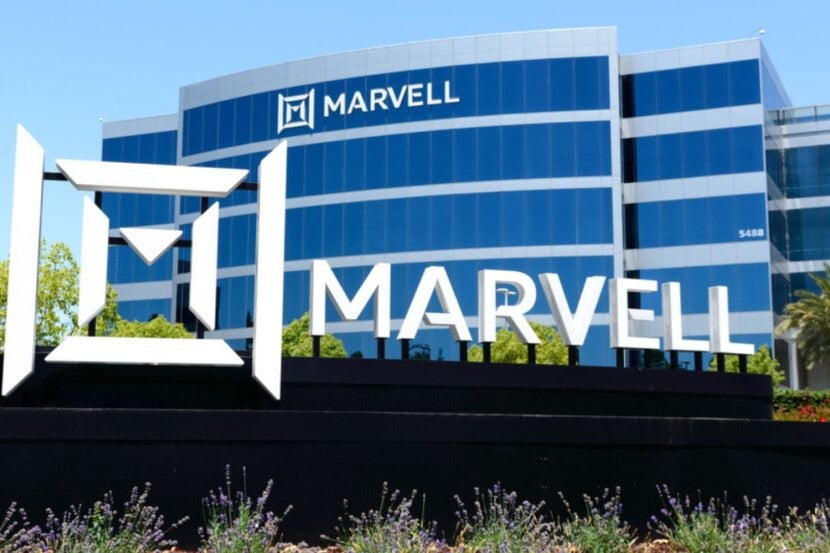
Marvell Technology Could Become Next Trillion-Dollar Company

- Growth in AI Infrastructure Spending: As AI hyperscalers expand capital expenditure budgets to include networking and storage controllers, Marvell's custom silicon and interconnect businesses are poised to benefit, driving anticipated revenue growth for the company.
- Increased Market Confidence: Nvidia CEO Jensen Huang's endorsement of Marvell highlights its potential to become the next trillion-dollar AI chip company, further boosting investor confidence in its future performance.
- Enhanced Revenue Visibility: Marvell's chip components are consumed at scale with each new deployment, positioning the company for consistent double-digit revenue growth and margin expansion, supporting its trillion-dollar valuation target.
- Shift to Core Position: Marvell is transitioning from a peripheral chip supplier to a core enabler of the AI economy, providing patient investors with opportunities for multibagger returns as the next phase of AI infrastructure spending unfolds.
See More

US Inflation Hits Three-Year High Amid Geopolitical Tensions


- Rising Inflation: The US consumer price index rose to an annual rate of 4.2% in May, with Trump expressing optimism that prices will drop sharply once the conflict with Iran concludes, reflecting a potentially misleading confidence in economic stability amidst rising costs.
- Geopolitical Tensions: US airstrikes on Iran have escalated tensions in the Strait of Hormuz, driving oil prices higher, with July crude futures increasing by 2.94% to $92.68 per barrel and Brent futures rising by 2.52% to $95.45, indicating market sensitivity to energy price fluctuations.
- Market Volatility: Amid rising inflation and energy prices, Wall Street faced significant declines on Wednesday, with the Dow dropping over 900 points, highlighting investor concerns about future economic prospects, particularly as chip stocks experienced substantial sell-offs.
- Meta's Investment in India: Meta has agreed to lease an AI-enabled data center with a capacity of 168 megawatts from Reliance Industries in India, expected to be delivered within two years, which will enhance Meta's global AI infrastructure and demonstrate its long-term commitment to the Indian market.
See More

China's Export Restrictions on Indium Phosphide Raise Global Concerns


- Indium Phosphide Shortage Warning: Coherent CEO Jim Anderson highlighted delays in export licenses for indium phosphide during his trip to China with President Trump, indicating the material's critical role in AI data center manufacturing, which could disrupt global AI infrastructure development.
- Price Surge: Since China implemented export restrictions on indium phosphide in 2025, the average price for a 6-inch indium phosphide wafer has surged by 250% to $5,000, putting dual pressure on U.S. photonics chipmakers facing rising costs and supply chain disruptions.
- Increased Market Competition: China's export restrictions on indium phosphide have created opportunities for domestic manufacturers like Yunnan Germanium and Guangdong Xiandao, which are rapidly scaling production capacity to meet domestic market demand, likely having profound effects on the global supply chain.
- Technological Investment and Expansion: Coherent announced plans to double its indium phosphide wafer capacity at its Texas plant this year and aims to double it again by the end of 2027, demonstrating a proactive strategy to address supply chain challenges and meet market demand.
See More

Marvell Technology Stock Declines Amid Inflation Concerns
- Stock Decline: Marvell Technology (MRVL) saw its stock price drop by 5.4% on Wednesday, reflecting investor aversion to growth-dependent tech stocks, although it remains up 197% in 2026.
- Deteriorating Market Conditions: Following the release of the latest Consumer Price Index (CPI) data, the S&P 500 and Nasdaq Composite fell by 1.6% and 2%, respectively, indicating market concerns over rising inflation.
- Increased Inflation Pressure: The BLS reported a May CPI annual inflation rate of 4.2% and core CPI at 2.9%, both at their highest levels in three years, causing investor unease about sustained high inflation potentially impacting Marvell's valuation.
- Interest Rate Hike Expectations: With strong job reports and accelerating inflation, the market anticipates that the Federal Reserve may raise interest rates, which could negatively affect the valuation of growth stocks and potentially weaken Marvell's bullish momentum.
See More

US Stocks Plunge Amid Rising Geopolitical Tensions


- Market Decline: On Wednesday, the S&P 500 Index fell by 1.62%, the Dow Jones Industrial Average dropped by 1.87%, and the Nasdaq 100 Index decreased by 1.98%, indicating a significant market reaction to rising geopolitical tensions that undermined investor confidence.
- Oil Price Surge: Crude oil prices rose over 2% due to escalating tensions in the Middle East, which not only exacerbated losses in stocks and bonds but also pressured airline and trucking companies, highlighting the profound impact of energy price fluctuations on the overall market.
- Stable Inflation Data: The US May Consumer Price Index rose 4.2% year-over-year, in line with expectations, while core CPI increased by 2.9%, alleviating some inflation concerns, although rising oil prices may reignite scrutiny over inflationary pressures.
- Tech Stock Retreat: Chipmakers and AI infrastructure stocks experienced significant declines, with Nvidia and Tesla both dropping over 3%, reflecting a waning confidence in tech stocks that could influence future investment strategies.
See More

US Stocks Decline as Chip and Airline Stocks Weigh Down Market

- Market Decline: The S&P 500 Index fell by 0.61%, the Dow Jones Industrial Average dropped by 0.88%, and the Nasdaq 100 Index decreased by 0.80%, indicating investor concerns over chipmakers and AI infrastructure stocks, which reflects a weakening confidence in technology stocks.
- Inflation Data Impact: The US May Consumer Price Index rose by 4.2% year-on-year, meeting expectations and marking the fastest increase in three years, which, while easing inflation concerns, still affects market sentiment and leads to more cautious expectations regarding future interest rate policies.
- Pressure on Airlines and Transport: Trucking companies are under pressure as Amazon expanded its LTL freight service, with Old Dominion Freight Line and FedEx Freight down over 4% and 3% respectively, indicating growing concerns about increased competition in the transportation sector.
- Energy Stocks Rise: WTI crude oil prices increased by over 1%, boosting energy producers like Devon Energy by more than 5%, suggesting that despite overall market weakness, the energy sector's profit outlook remains optimistic amid geopolitical tensions.
See More
Marvell Technology Could Become Next Trillion-Dollar Company
- Growth in AI Infrastructure Spending: As AI hyperscalers expand capital expenditure budgets to include networking and storage controllers, Marvell's custom silicon and interconnect businesses are poised to benefit, driving anticipated revenue growth for the company.
- Increased Market Confidence: Nvidia CEO Jensen Huang's endorsement of Marvell highlights its potential to become the next trillion-dollar AI chip company, further boosting investor confidence in its future performance.
- Enhanced Revenue Visibility: Marvell's chip components are consumed at scale with each new deployment, positioning the company for consistent double-digit revenue growth and margin expansion, supporting its trillion-dollar valuation target.
- Shift to Core Position: Marvell is transitioning from a peripheral chip supplier to a core enabler of the AI economy, providing patient investors with opportunities for multibagger returns as the next phase of AI infrastructure spending unfolds.
See More
US Inflation Hits Three-Year High Amid Geopolitical Tensions
- Rising Inflation: The US consumer price index rose to an annual rate of 4.2% in May, with Trump expressing optimism that prices will drop sharply once the conflict with Iran concludes, reflecting a potentially misleading confidence in economic stability amidst rising costs.
- Geopolitical Tensions: US airstrikes on Iran have escalated tensions in the Strait of Hormuz, driving oil prices higher, with July crude futures increasing by 2.94% to $92.68 per barrel and Brent futures rising by 2.52% to $95.45, indicating market sensitivity to energy price fluctuations.
- Market Volatility: Amid rising inflation and energy prices, Wall Street faced significant declines on Wednesday, with the Dow dropping over 900 points, highlighting investor concerns about future economic prospects, particularly as chip stocks experienced substantial sell-offs.
- Meta's Investment in India: Meta has agreed to lease an AI-enabled data center with a capacity of 168 megawatts from Reliance Industries in India, expected to be delivered within two years, which will enhance Meta's global AI infrastructure and demonstrate its long-term commitment to the Indian market.
See More
China's Export Restrictions on Indium Phosphide Raise Global Concerns
- Indium Phosphide Shortage Warning: Coherent CEO Jim Anderson highlighted delays in export licenses for indium phosphide during his trip to China with President Trump, indicating the material's critical role in AI data center manufacturing, which could disrupt global AI infrastructure development.
- Price Surge: Since China implemented export restrictions on indium phosphide in 2025, the average price for a 6-inch indium phosphide wafer has surged by 250% to $5,000, putting dual pressure on U.S. photonics chipmakers facing rising costs and supply chain disruptions.
- Increased Market Competition: China's export restrictions on indium phosphide have created opportunities for domestic manufacturers like Yunnan Germanium and Guangdong Xiandao, which are rapidly scaling production capacity to meet domestic market demand, likely having profound effects on the global supply chain.
- Technological Investment and Expansion: Coherent announced plans to double its indium phosphide wafer capacity at its Texas plant this year and aims to double it again by the end of 2027, demonstrating a proactive strategy to address supply chain challenges and meet market demand.
See More
Marvell Technology Stock Declines Amid Inflation Concerns
- Stock Decline: Marvell Technology (MRVL) saw its stock price drop by 5.4% on Wednesday, reflecting investor aversion to growth-dependent tech stocks, although it remains up 197% in 2026.
- Deteriorating Market Conditions: Following the release of the latest Consumer Price Index (CPI) data, the S&P 500 and Nasdaq Composite fell by 1.6% and 2%, respectively, indicating market concerns over rising inflation.
- Increased Inflation Pressure: The BLS reported a May CPI annual inflation rate of 4.2% and core CPI at 2.9%, both at their highest levels in three years, causing investor unease about sustained high inflation potentially impacting Marvell's valuation.
- Interest Rate Hike Expectations: With strong job reports and accelerating inflation, the market anticipates that the Federal Reserve may raise interest rates, which could negatively affect the valuation of growth stocks and potentially weaken Marvell's bullish momentum.
See More
US Stocks Plunge Amid Rising Geopolitical Tensions
- Market Decline: On Wednesday, the S&P 500 Index fell by 1.62%, the Dow Jones Industrial Average dropped by 1.87%, and the Nasdaq 100 Index decreased by 1.98%, indicating a significant market reaction to rising geopolitical tensions that undermined investor confidence.
- Oil Price Surge: Crude oil prices rose over 2% due to escalating tensions in the Middle East, which not only exacerbated losses in stocks and bonds but also pressured airline and trucking companies, highlighting the profound impact of energy price fluctuations on the overall market.
- Stable Inflation Data: The US May Consumer Price Index rose 4.2% year-over-year, in line with expectations, while core CPI increased by 2.9%, alleviating some inflation concerns, although rising oil prices may reignite scrutiny over inflationary pressures.
- Tech Stock Retreat: Chipmakers and AI infrastructure stocks experienced significant declines, with Nvidia and Tesla both dropping over 3%, reflecting a waning confidence in tech stocks that could influence future investment strategies.
See More
US Stocks Decline as Chip and Airline Stocks Weigh Down Market
- Market Decline: The S&P 500 Index fell by 0.61%, the Dow Jones Industrial Average dropped by 0.88%, and the Nasdaq 100 Index decreased by 0.80%, indicating investor concerns over chipmakers and AI infrastructure stocks, which reflects a weakening confidence in technology stocks.
- Inflation Data Impact: The US May Consumer Price Index rose by 4.2% year-on-year, meeting expectations and marking the fastest increase in three years, which, while easing inflation concerns, still affects market sentiment and leads to more cautious expectations regarding future interest rate policies.
- Pressure on Airlines and Transport: Trucking companies are under pressure as Amazon expanded its LTL freight service, with Old Dominion Freight Line and FedEx Freight down over 4% and 3% respectively, indicating growing concerns about increased competition in the transportation sector.
- Energy Stocks Rise: WTI crude oil prices increased by over 1%, boosting energy producers like Devon Energy by more than 5%, suggesting that despite overall market weakness, the energy sector's profit outlook remains optimistic amid geopolitical tensions.
See More