Chip Equipment Spending Surge Benefits Lam Research Significantly
- Surge in Spending: Chip equipment spending surged in 2025, with Lam Research emerging as a major beneficiary in etching and process control, as the industry is projected to reach $250 billion by 2030, indicating robust market demand.
- Market Share Gains: Lam Research recorded an impressive 800 basis point increase in market share in etch/deposition, showcasing its competitive edge in the rapidly growing semiconductor equipment market, while KLA also saw a 150 basis point gain due to metrology advancements.
- Industry Growth Forecast: Semiconductor sales are expected to hit $1.38 trillion in 2026, a 74% year-over-year increase, with further growth to $1.58 trillion in 2027, reflecting strong recovery and investment confidence in the sector.
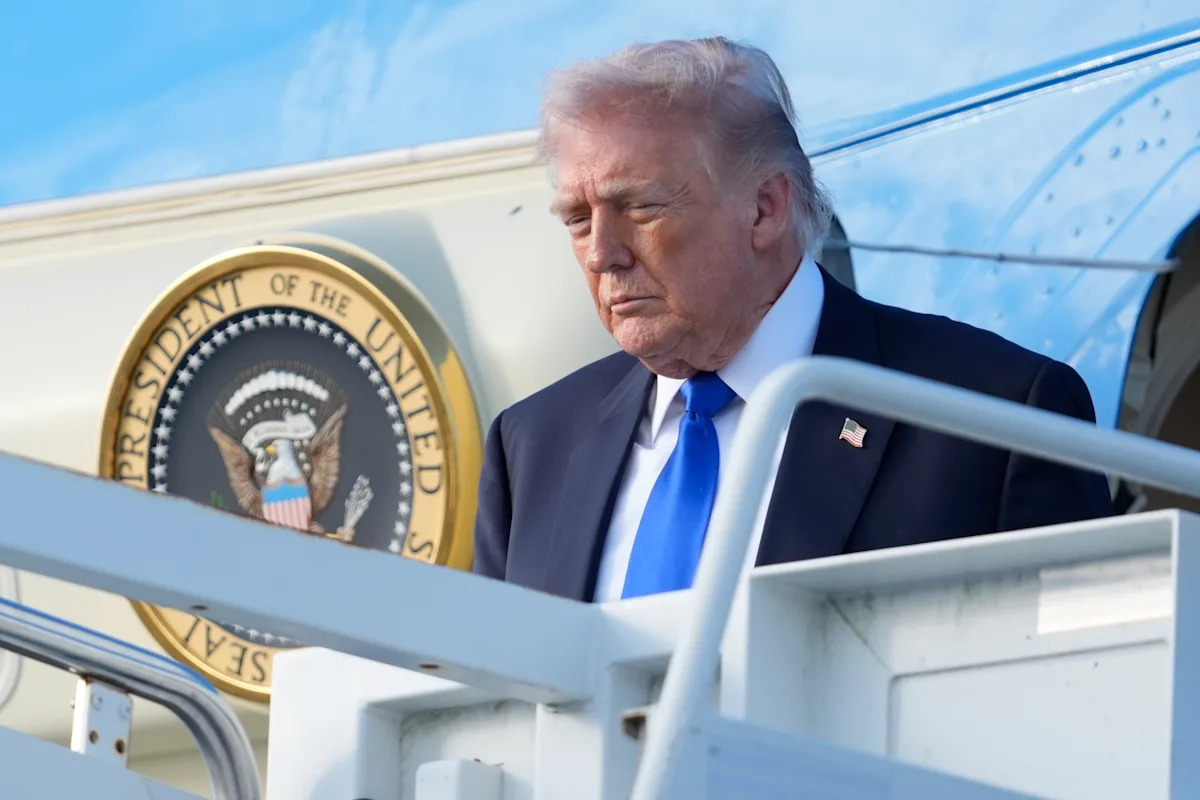
- Policy Risks: The Trump Administration's push for chip equipment makers to halt shipments to the Hua Hong region of China introduces uncertainty for companies like Lam Research, necessitating close monitoring of policy changes and their market impacts.
Trade with 70% Backtested Accuracy
Analyst Views on LRCX

About LRCX
About the author

Chip Equipment Spending Surge Benefits Lam Research Significantly

- Surge in Spending: Chip equipment spending surged in 2025, with Lam Research emerging as a major beneficiary in etching and process control, as the industry is projected to reach $250 billion by 2030, indicating robust market demand.
- Market Share Gains: Lam Research recorded an impressive 800 basis point increase in market share in etch/deposition, showcasing its competitive edge in the rapidly growing semiconductor equipment market, while KLA also saw a 150 basis point gain due to metrology advancements.
- Industry Growth Forecast: Semiconductor sales are expected to hit $1.38 trillion in 2026, a 74% year-over-year increase, with further growth to $1.58 trillion in 2027, reflecting strong recovery and investment confidence in the sector.
- Policy Risks: The Trump Administration's push for chip equipment makers to halt shipments to the Hua Hong region of China introduces uncertainty for companies like Lam Research, necessitating close monitoring of policy changes and their market impacts.

U.S. Restricts Chip Equipment Exports to Hua Hong

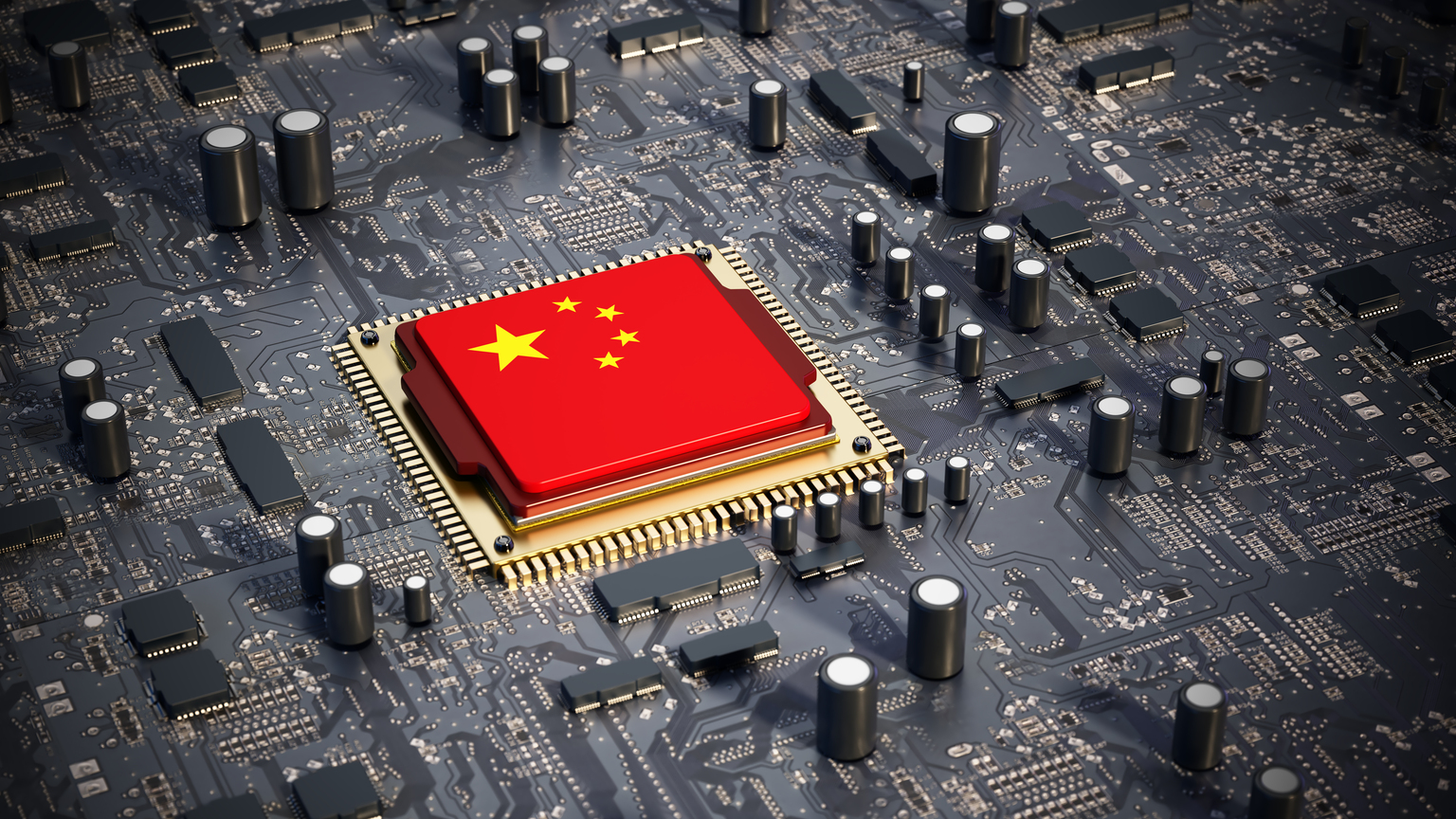
- Export Restrictions: The U.S. Department of Commerce has ordered several chip equipment companies to halt shipments of certain tools to China's second-largest chipmaker, Hua Hong, reflecting a strong commitment to safeguarding U.S. technological leadership, potentially resulting in billions in lost sales for affected companies.
- Self-Sufficiency Challenges: Hua Hong Group has developed advanced manufacturing technologies for producing AI chips, and despite facing export restrictions, its subsidiary Huali Microelectronics is preparing a 7-nanometer chipmaking process in Shanghai, indicating ongoing efforts in China's high-end chip manufacturing.
- Market Impact Assessment: The restrictions could significantly slow China's domestic chipmaking drive, particularly affecting plants under construction or retooling for advanced chip production, posing substantial market risks for U.S. chip equipment companies.
- U.S.-China Tensions: This policy could escalate tensions between the U.S. and China ahead of President Trump's scheduled meeting with President Xi Jinping, further impacting cooperation and competition in the technology sector.

US Stock Market Volatility Amid Economic Data

- Tech Stock Pressure: Technology stocks are under pressure due to concerns over the return on massive investments in artificial intelligence, as OpenAI recently failed to meet its new user and sales targets, leading to declines in shares of partners like Nvidia and Oracle, reflecting market caution regarding the future of the AI sector.
- Positive Economic Data: The US consumer confidence index unexpectedly rose to 92.8, surpassing expectations of 89.0, indicating an increase in consumer confidence that could positively impact the stock market, although overall market pressures remain.
- Surging Oil Prices: WTI crude oil prices jumped over 3% to a two-week high amid escalating tensions between the US and Iran over the Strait of Hormuz, potentially deepening the global energy crisis and impacting inflation expectations and stock performance.
- Fed Policy Expectations: The market anticipates that the Federal Reserve will maintain interest rates at the upcoming meeting, despite increased uncertainty regarding future policy adjustments due to inflation and oil price volatility, reflecting investor caution about the economic outlook.
U.S. Restricts Chip Equipment Exports to Hua Hong
- Export Restrictions: The U.S. Department of Commerce has ordered several chip equipment companies to halt shipments of certain tools to China's second-largest chipmaker, Hua Hong, underscoring the U.S. commitment to protecting its technological lead.
- Widespread Impact: Major U.S. chip equipment firms, including Lam Research, Applied Materials, and KLA, have received notifications that could result in billions of dollars in lost sales, particularly affecting those supplying plants under construction or retooling for advanced chip production.
- Challenges to Tech Self-Sufficiency: Hua Hong Group is developing advanced chip manufacturing technologies, notably a 7-nanometer process, and while U.S. restrictions may slow China's domestic chipmaking efforts, Hua Hong could seek alternative tools to sustain production.
- Rising U.S.-China Tensions: The restrictions could escalate tensions between the U.S. and China ahead of President Trump's meeting with President Xi Jinping, reflecting stringent U.S. controls on high-tech exports for national security reasons.
U.S. Measures Implemented Amid Concerns About Hua Hong Facilities' Role in Advanced Chip Manufacturing: Sources

U.S. Action Taken: The U.S. has taken action regarding concerns over the facilities operated by HUA HONG, which may be involved in advanced chip production.
Implications for Technology: This action could have significant implications for the semiconductor industry and technology supply chains.
U.S. Instructs Multiple Chip Equipment Firms to Stop Tool Deliveries to Two Facilities of Hua Hong, China's Second-Largest Chip Manufacturer: Sources
U.S. Orders Impact on Chip Equipment: The U.S. has issued orders that require numerous chip equipment companies to halt shipments to two facilities in Huahong, China, which is the second-largest chip maker in the country.
Significance of Huahong: Huahong plays a crucial role in the global semiconductor supply chain, and the restrictions could significantly impact its production capabilities.
Chip Equipment Spending Surge Benefits Lam Research Significantly
- Surge in Spending: Chip equipment spending surged in 2025, with Lam Research emerging as a major beneficiary in etching and process control, as the industry is projected to reach $250 billion by 2030, indicating robust market demand.
- Market Share Gains: Lam Research recorded an impressive 800 basis point increase in market share in etch/deposition, showcasing its competitive edge in the rapidly growing semiconductor equipment market, while KLA also saw a 150 basis point gain due to metrology advancements.
- Industry Growth Forecast: Semiconductor sales are expected to hit $1.38 trillion in 2026, a 74% year-over-year increase, with further growth to $1.58 trillion in 2027, reflecting strong recovery and investment confidence in the sector.
- Policy Risks: The Trump Administration's push for chip equipment makers to halt shipments to the Hua Hong region of China introduces uncertainty for companies like Lam Research, necessitating close monitoring of policy changes and their market impacts.
U.S. Restricts Chip Equipment Exports to Hua Hong
- Export Restrictions: The U.S. Department of Commerce has ordered several chip equipment companies to halt shipments of certain tools to China's second-largest chipmaker, Hua Hong, reflecting a strong commitment to safeguarding U.S. technological leadership, potentially resulting in billions in lost sales for affected companies.
- Self-Sufficiency Challenges: Hua Hong Group has developed advanced manufacturing technologies for producing AI chips, and despite facing export restrictions, its subsidiary Huali Microelectronics is preparing a 7-nanometer chipmaking process in Shanghai, indicating ongoing efforts in China's high-end chip manufacturing.
- Market Impact Assessment: The restrictions could significantly slow China's domestic chipmaking drive, particularly affecting plants under construction or retooling for advanced chip production, posing substantial market risks for U.S. chip equipment companies.
- U.S.-China Tensions: This policy could escalate tensions between the U.S. and China ahead of President Trump's scheduled meeting with President Xi Jinping, further impacting cooperation and competition in the technology sector.
US Stock Market Volatility Amid Economic Data
- Tech Stock Pressure: Technology stocks are under pressure due to concerns over the return on massive investments in artificial intelligence, as OpenAI recently failed to meet its new user and sales targets, leading to declines in shares of partners like Nvidia and Oracle, reflecting market caution regarding the future of the AI sector.
- Positive Economic Data: The US consumer confidence index unexpectedly rose to 92.8, surpassing expectations of 89.0, indicating an increase in consumer confidence that could positively impact the stock market, although overall market pressures remain.
- Surging Oil Prices: WTI crude oil prices jumped over 3% to a two-week high amid escalating tensions between the US and Iran over the Strait of Hormuz, potentially deepening the global energy crisis and impacting inflation expectations and stock performance.
- Fed Policy Expectations: The market anticipates that the Federal Reserve will maintain interest rates at the upcoming meeting, despite increased uncertainty regarding future policy adjustments due to inflation and oil price volatility, reflecting investor caution about the economic outlook.
U.S. Restricts Chip Equipment Exports to Hua Hong
- Export Restrictions: The U.S. Department of Commerce has ordered several chip equipment companies to halt shipments of certain tools to China's second-largest chipmaker, Hua Hong, underscoring the U.S. commitment to protecting its technological lead.
- Widespread Impact: Major U.S. chip equipment firms, including Lam Research, Applied Materials, and KLA, have received notifications that could result in billions of dollars in lost sales, particularly affecting those supplying plants under construction or retooling for advanced chip production.
- Challenges to Tech Self-Sufficiency: Hua Hong Group is developing advanced chip manufacturing technologies, notably a 7-nanometer process, and while U.S. restrictions may slow China's domestic chipmaking efforts, Hua Hong could seek alternative tools to sustain production.
- Rising U.S.-China Tensions: The restrictions could escalate tensions between the U.S. and China ahead of President Trump's meeting with President Xi Jinping, reflecting stringent U.S. controls on high-tech exports for national security reasons.
U.S. Measures Implemented Amid Concerns About Hua Hong Facilities' Role in Advanced Chip Manufacturing: Sources
U.S. Action Taken: The U.S. has taken action regarding concerns over the facilities operated by HUA HONG, which may be involved in advanced chip production.
Implications for Technology: This action could have significant implications for the semiconductor industry and technology supply chains.
U.S. Instructs Multiple Chip Equipment Firms to Stop Tool Deliveries to Two Facilities of Hua Hong, China's Second-Largest Chip Manufacturer: Sources
U.S. Orders Impact on Chip Equipment: The U.S. has issued orders that require numerous chip equipment companies to halt shipments to two facilities in Huahong, China, which is the second-largest chip maker in the country.
Significance of Huahong: Huahong plays a crucial role in the global semiconductor supply chain, and the restrictions could significantly impact its production capabilities.