Chinese Startups Drive AI Hardware Development
Written by Emily J. Thompson, Senior Investment Analyst
Updated: Apr 28 2026
0mins

Source: CNBC
- Startup Innovation: Hangzhou-based EinClaw shipped its first 100 clip-on mics priced at 430 yuan, enabling users to interact with OpenClaw AI via voice commands, marking a significant shift towards AI hardware that could reshape industry competition.
- Robotics Advancement: JoyIn's Zeroth M1 humanoid robot, which supports OpenClaw functions, is set to begin pre-orders in July, highlighting the trend of AI technology expanding into hardware applications.
- Localized AI Solutions: OpenPie is developing devices to run AI tools locally, aiming to produce 10,000 units priced at 100,000 yuan by year-end, addressing manufacturers' concerns over data sovereignty and promoting AI adoption in Chinese factories.
- Market Demand Driven: Style3D's launch of the robotics platform SynReal reflects a strategic shift into hardware to meet customer demands for physical material data, indicating that AI software companies are evolving to fulfill market needs for efficient production.
Trade with 70% Backtested Accuracy
Stop guessing "Should I Buy BABA?" and start using high-conviction signals backed by rigorous historical data.
Sign up today to access powerful investing tools and make smarter, data-driven decisions.
Analyst Views on BABA
Wall Street analysts forecast BABA stock price to rise
15 Analyst Rating
15 Buy
0 Hold
0 Sell
Strong Buy
Current: 124.220

Low
180.00
Averages
203.09
High
230.00
Current: 124.220
Low
180.00
Averages
203.09
High
230.00
About BABA
Alibaba Group Holding Ltd is an investment holding company mainly engaged in the provision of technology infrastructure and marketing platforms. The Company operates its business through four segments. The Alibaba China E-commerce Group segment is mainly engaged in E-commerce business, including operating Tmall Supermarket and Tmall Global, providing customer management services, product sales, as well as logistics services. It also operates quick commerce business such as Taobao Instant Commerce and Ele.me, as well as the China commerce wholesale business through 1688.com. The Alibaba International Digital Commerce Group segment is mainly engaged in international commerce retail and wholesale business, operating platforms such as AliExpress, Trendyol, Lazada and Alibaba.com. The Cloud Intelligence Group segment mainly provides public and non-public cloud services. The Other segments primarily include the operations of Freshippo, Cainiao, Alibaba Health and other business.
About the author

Emily J. Thompson
Emily J. Thompson, a Chartered Financial Analyst (CFA) with 12 years in investment research, graduated with honors from the Wharton School. Specializing in industrial and technology stocks, she provides in-depth analysis for Intellectia’s earnings and market brief reports.
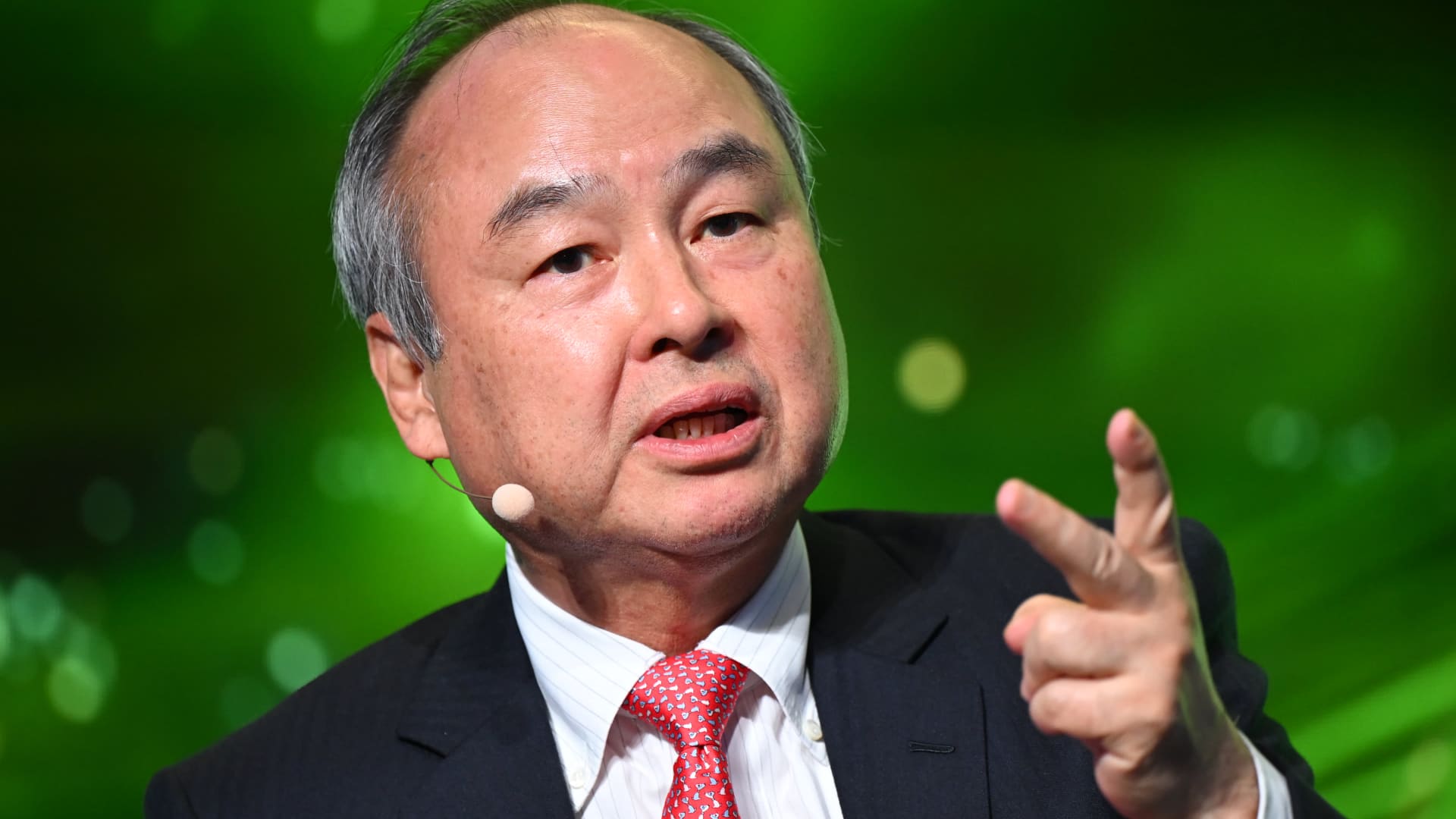
Softbank's Masayoshi Son Sees Trillion-Dollar Opportunity in Physical AI and Robotics


- New Investment Opportunities: Softbank's CEO Masayoshi Son has identified physical AI and robotics as the next trillion-dollar business opportunity, indicating the company's forward-looking strategy and confidence in future markets.
- Capital Deployment: Softbank's landmark investments in Alibaba, OpenAI, and ARM have transformed it into an AI platform, allowing it to surpass Toyota as Japan's most valuable company, showcasing its influence in the global tech market.
- Infrastructure Investment: Softbank plans to invest $75 billion in AI infrastructure in France, including 5 GW of AI data center capacity, aimed at enhancing its competitiveness and market share in the global AI sector.
- Market Outlook: Son believes AI's potential is 50 times greater than the dot-com bubble, asserting that while market corrections may occur, they will present the best investment opportunities, emphasizing the strategic significance of long-term investments.
See More
Alibaba Stock Declines Amid AI Expansion and Travel Restrictions
- Stock Decline: Alibaba (BABA) shares fell nearly 4% over the past week to around $124.46, marking a 15.1% drop in 2026, significantly underperforming the S&P 500's 10.49% gain, indicating investor concerns over the company's profitability.
- Policy Impact: China's tightening of overseas travel restrictions for AI professionals, affecting firms like Alibaba and DeepSeek, reflects Beijing's intent to protect strategic AI technologies amid escalating U.S.-China tensions, leading to a cautious investor sentiment.
- AI Chip Launch: Alibaba's semiconductor unit, T-Head, launched the “Zhenwu M890” AI chip, boasting 3x better performance than its predecessor, with over 560K units shipped across 20 industries, showcasing the company's aggressive expansion in the AI ecosystem.
- Deteriorating Financials: Despite the surge in AI and cloud spending, Alibaba's free cash flow swung from a positive RMB 73.87B to a negative RMB 46.61B, with quarterly operating results showing an RMB 848M loss, highlighting ongoing market concerns regarding its profitability.
See More
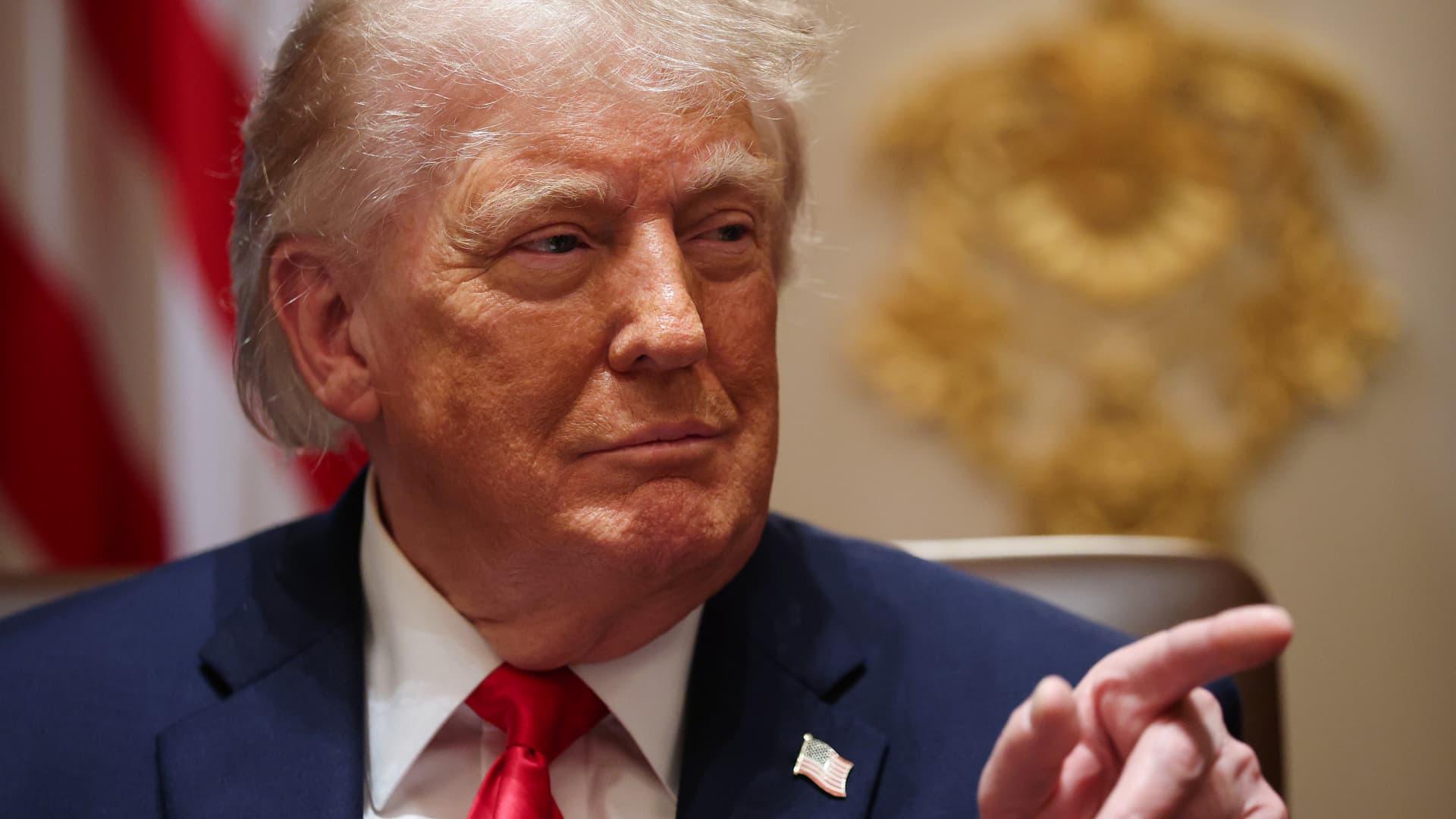
US-Iran Conflict Escalates, Oil Prices Surge Amid Economic Uncertainty


- Escalation of US-Iran Conflict: Following weeks of paused action, the US and Iran have resumed airstrikes, complicating hopes for a permanent resolution to the conflict, which is impacting global oil supplies and market sentiment.
- Strong Stock Market Performance: Despite rising geopolitical tensions, both the S&P 500 and Nasdaq Composite closed at record highs, primarily driven by a surge in AI-related stocks, indicating strong market confidence in the technology sector.
- Oil Price Warning: ExxonMobil has warned that oil inventories are on track to reach dangerously low levels in the coming weeks, forcing prices to spike and curbing demand, reflecting market concerns over energy supply.
- Wealthy Investors Pulling Out: According to the UBS Global Family Office Report, 60% of family offices plan to adjust their investment allocations in the next year, with many reducing US holdings and increasing exposure to emerging markets, highlighting a growing trend of 'de-dollarization'.
See More
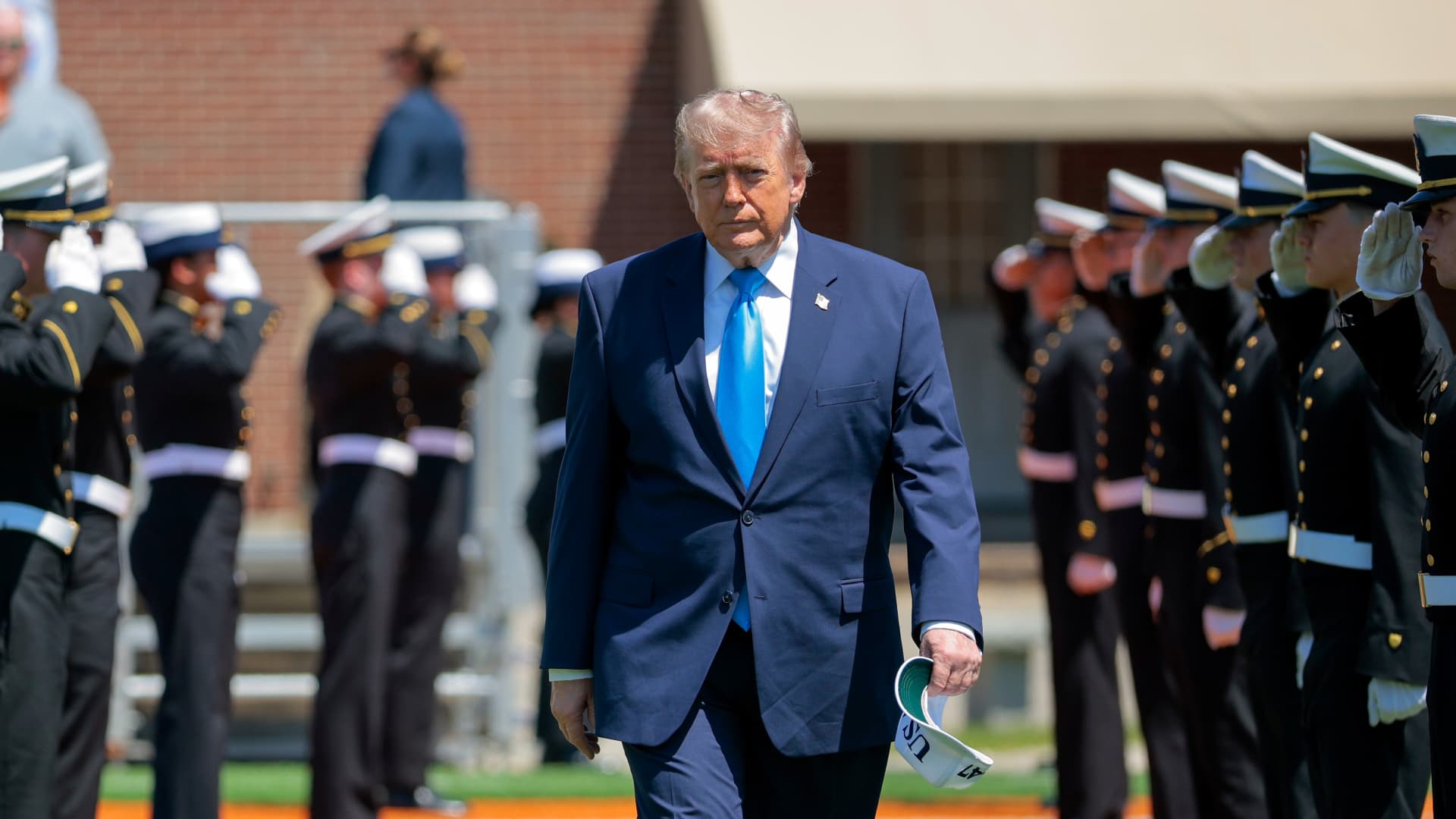
U.S.-Iran Negotiation Fluctuations Impact Markets
- Oil Price Plunge: Oil prices dropped over 5% on Wednesday after Secretary of State Marco Rubio indicated that Washington was giving Iran talks 'every chance to succeed,' reflecting market sensitivity to diplomatic efforts and potentially impacting energy sector profitability.
- Escalation of Military Actions: New U.S. airstrikes in Iran targeted a military site deemed a threat to U.S. forces and commercial maritime traffic, adding uncertainty to the ongoing diplomatic negotiations and prompting investors to reassess risk levels in the market.
- Strong Tech Stock Performance: Shares of cloud-based AI and data platform company Snowflake surged 36% following a strong earnings report and a $6 billion investment plan in Amazon Web Services, showcasing investment enthusiasm and market confidence in the tech sector amid rising AI demand.
- Inflation Data Focus: Investors are closely watching the upcoming April inflation reading, which is expected to influence the Fed's future rate decisions, as Minneapolis Fed President Neel Kashkari emphasized that lowering inflation remains a top priority, indicating market sensitivity to economic policy.
See More

SpaceX Plans Record-Breaking IPO on Nasdaq as SPCX

- Revenue and Profitability: SpaceX anticipates a revenue of $18.7 billion in 2025, a 33% increase, yet faces a net loss of $4.9 billion, highlighting significant challenges in profitability, particularly as its only profitable segment, Starlink, experiences declining user revenue.
- Starlink Performance: As the core business, Starlink generated $11.4 billion in revenue last year, accounting for 61% of total revenue and achieving $4.4 billion in operating profit, but the average monthly revenue per user has dropped from $99 in 2023 to $66 in Q1 2026, indicating increased market competition.
- IPO Valuation and Risks: Targeting a valuation near $2 trillion, SpaceX's IPO could become the largest in history, but this high valuation carries risks associated with its unprofitable business model and the uncertainties surrounding the Starship program, potentially leading to significant investor losses.
- Historical Lessons and Investment Caution: Historically, the largest IPOs tend to underperform, as seen with Saudi Aramco's shares trading below their listing price post-2019, prompting investors to exercise caution and consider observing SpaceX's performance post-listing before making investment decisions.
See More

SpaceX Plans to Launch Historic IPO Targeting $2 Trillion Valuation
- IPO Overview: SpaceX filed to go public earlier this month, planning to list on Nasdaq under the ticker SPCX with a valuation target of around $1.75 trillion, potentially exceeding $2 trillion, which would make it the largest IPO in history, aiming to raise approximately $75 billion, significantly surpassing the record set by Saudi Aramco in 2019.
- Complex Financials: According to the prospectus, SpaceX's revenue reached about $18.7 billion in 2025, a 33% increase year-over-year, yet it reported a net loss of $4.9 billion, highlighting challenges in profitability, particularly as its only profitable segment, Starlink, faces declining average revenue per user while relying on cash from other loss-making segments.
- Starlink Performance: As SpaceX's primary revenue driver, Starlink generated $11.4 billion last year, accounting for 61% of total revenue, but its average monthly revenue per user dropped from $99 in 2023 to $66 by Q1 2026, reflecting increased market competition and pricing strategy adjustments.
- Historical Lessons and Risks: Despite SpaceX's valuation nearing $2 trillion, history shows that the largest IPOs often fail to meet expectations, as evidenced by Saudi Aramco and Alibaba's lackluster post-IPO performance, prompting investors to carefully assess SpaceX's future performance and the inherent risks associated with its unproven Starship program.
See More
Softbank's Masayoshi Son Sees Trillion-Dollar Opportunity in Physical AI and Robotics
- New Investment Opportunities: Softbank's CEO Masayoshi Son has identified physical AI and robotics as the next trillion-dollar business opportunity, indicating the company's forward-looking strategy and confidence in future markets.
- Capital Deployment: Softbank's landmark investments in Alibaba, OpenAI, and ARM have transformed it into an AI platform, allowing it to surpass Toyota as Japan's most valuable company, showcasing its influence in the global tech market.
- Infrastructure Investment: Softbank plans to invest $75 billion in AI infrastructure in France, including 5 GW of AI data center capacity, aimed at enhancing its competitiveness and market share in the global AI sector.
- Market Outlook: Son believes AI's potential is 50 times greater than the dot-com bubble, asserting that while market corrections may occur, they will present the best investment opportunities, emphasizing the strategic significance of long-term investments.
See More
Alibaba Stock Declines Amid AI Expansion and Travel Restrictions
- Stock Decline: Alibaba (BABA) shares fell nearly 4% over the past week to around $124.46, marking a 15.1% drop in 2026, significantly underperforming the S&P 500's 10.49% gain, indicating investor concerns over the company's profitability.
- Policy Impact: China's tightening of overseas travel restrictions for AI professionals, affecting firms like Alibaba and DeepSeek, reflects Beijing's intent to protect strategic AI technologies amid escalating U.S.-China tensions, leading to a cautious investor sentiment.
- AI Chip Launch: Alibaba's semiconductor unit, T-Head, launched the “Zhenwu M890” AI chip, boasting 3x better performance than its predecessor, with over 560K units shipped across 20 industries, showcasing the company's aggressive expansion in the AI ecosystem.
- Deteriorating Financials: Despite the surge in AI and cloud spending, Alibaba's free cash flow swung from a positive RMB 73.87B to a negative RMB 46.61B, with quarterly operating results showing an RMB 848M loss, highlighting ongoing market concerns regarding its profitability.
See More
US-Iran Conflict Escalates, Oil Prices Surge Amid Economic Uncertainty
- Escalation of US-Iran Conflict: Following weeks of paused action, the US and Iran have resumed airstrikes, complicating hopes for a permanent resolution to the conflict, which is impacting global oil supplies and market sentiment.
- Strong Stock Market Performance: Despite rising geopolitical tensions, both the S&P 500 and Nasdaq Composite closed at record highs, primarily driven by a surge in AI-related stocks, indicating strong market confidence in the technology sector.
- Oil Price Warning: ExxonMobil has warned that oil inventories are on track to reach dangerously low levels in the coming weeks, forcing prices to spike and curbing demand, reflecting market concerns over energy supply.
- Wealthy Investors Pulling Out: According to the UBS Global Family Office Report, 60% of family offices plan to adjust their investment allocations in the next year, with many reducing US holdings and increasing exposure to emerging markets, highlighting a growing trend of 'de-dollarization'.
See More
U.S.-Iran Negotiation Fluctuations Impact Markets
- Oil Price Plunge: Oil prices dropped over 5% on Wednesday after Secretary of State Marco Rubio indicated that Washington was giving Iran talks 'every chance to succeed,' reflecting market sensitivity to diplomatic efforts and potentially impacting energy sector profitability.
- Escalation of Military Actions: New U.S. airstrikes in Iran targeted a military site deemed a threat to U.S. forces and commercial maritime traffic, adding uncertainty to the ongoing diplomatic negotiations and prompting investors to reassess risk levels in the market.
- Strong Tech Stock Performance: Shares of cloud-based AI and data platform company Snowflake surged 36% following a strong earnings report and a $6 billion investment plan in Amazon Web Services, showcasing investment enthusiasm and market confidence in the tech sector amid rising AI demand.
- Inflation Data Focus: Investors are closely watching the upcoming April inflation reading, which is expected to influence the Fed's future rate decisions, as Minneapolis Fed President Neel Kashkari emphasized that lowering inflation remains a top priority, indicating market sensitivity to economic policy.
See More
SpaceX Plans Record-Breaking IPO on Nasdaq as SPCX
- Revenue and Profitability: SpaceX anticipates a revenue of $18.7 billion in 2025, a 33% increase, yet faces a net loss of $4.9 billion, highlighting significant challenges in profitability, particularly as its only profitable segment, Starlink, experiences declining user revenue.
- Starlink Performance: As the core business, Starlink generated $11.4 billion in revenue last year, accounting for 61% of total revenue and achieving $4.4 billion in operating profit, but the average monthly revenue per user has dropped from $99 in 2023 to $66 in Q1 2026, indicating increased market competition.
- IPO Valuation and Risks: Targeting a valuation near $2 trillion, SpaceX's IPO could become the largest in history, but this high valuation carries risks associated with its unprofitable business model and the uncertainties surrounding the Starship program, potentially leading to significant investor losses.
- Historical Lessons and Investment Caution: Historically, the largest IPOs tend to underperform, as seen with Saudi Aramco's shares trading below their listing price post-2019, prompting investors to exercise caution and consider observing SpaceX's performance post-listing before making investment decisions.
See More
SpaceX Plans to Launch Historic IPO Targeting $2 Trillion Valuation
- IPO Overview: SpaceX filed to go public earlier this month, planning to list on Nasdaq under the ticker SPCX with a valuation target of around $1.75 trillion, potentially exceeding $2 trillion, which would make it the largest IPO in history, aiming to raise approximately $75 billion, significantly surpassing the record set by Saudi Aramco in 2019.
- Complex Financials: According to the prospectus, SpaceX's revenue reached about $18.7 billion in 2025, a 33% increase year-over-year, yet it reported a net loss of $4.9 billion, highlighting challenges in profitability, particularly as its only profitable segment, Starlink, faces declining average revenue per user while relying on cash from other loss-making segments.
- Starlink Performance: As SpaceX's primary revenue driver, Starlink generated $11.4 billion last year, accounting for 61% of total revenue, but its average monthly revenue per user dropped from $99 in 2023 to $66 by Q1 2026, reflecting increased market competition and pricing strategy adjustments.
- Historical Lessons and Risks: Despite SpaceX's valuation nearing $2 trillion, history shows that the largest IPOs often fail to meet expectations, as evidenced by Saudi Aramco and Alibaba's lackluster post-IPO performance, prompting investors to carefully assess SpaceX's future performance and the inherent risks associated with its unproven Starship program.
See More