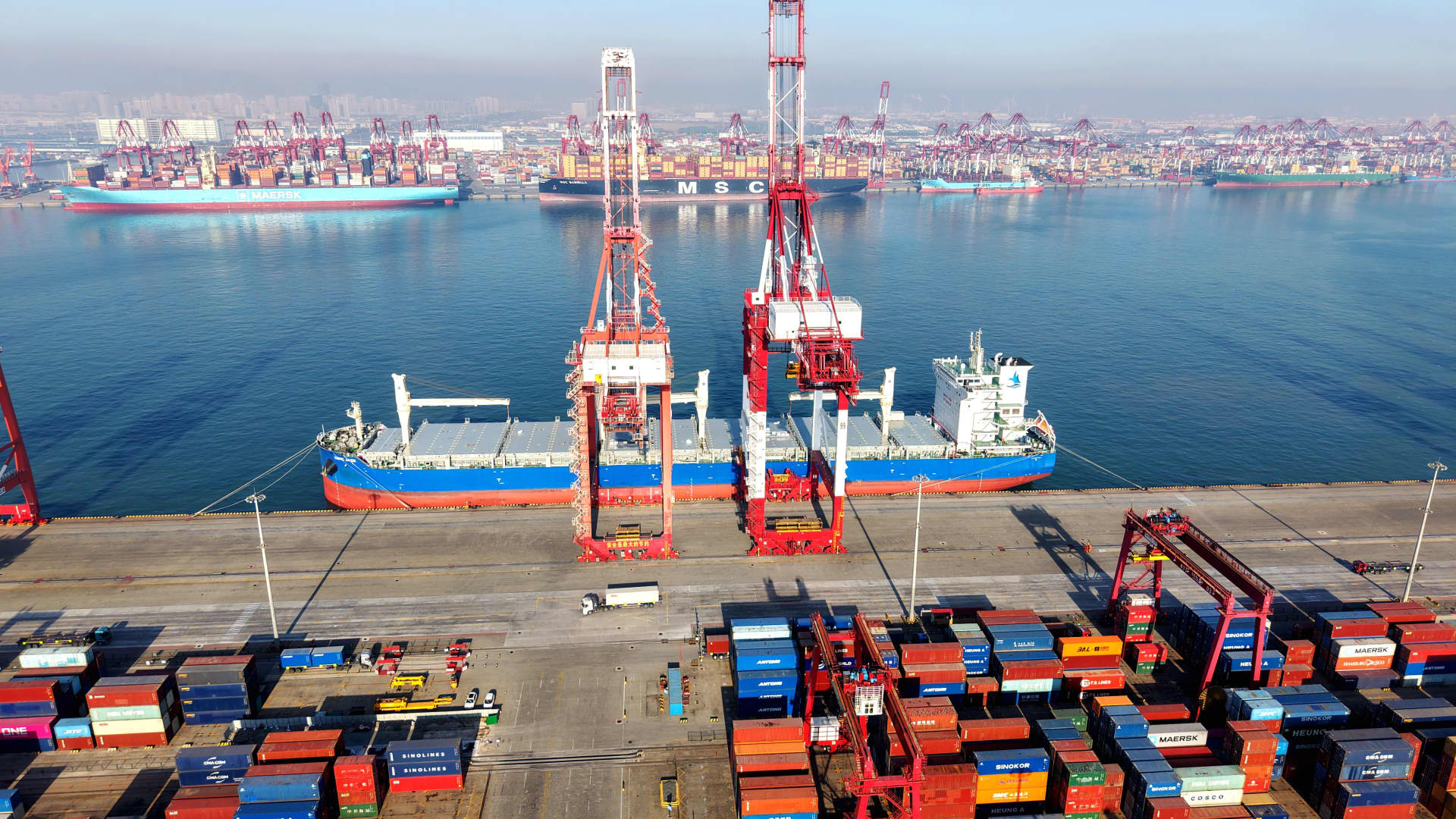
China's Trade Surplus Hits Record High
Written by Emily J. Thompson, Senior Investment Analyst
Updated: 1 day ago
0mins
Should l Buy CAAS?
Source: CNBC
- Record Trade Surplus: China's trade surplus reached $213.62 billion in the combined January-February period, exceeding expectations of $179.6 billion, highlighting the resilience of the economy amid ongoing U.S.-China trade tensions.
- Strong Export Growth: Exports surged 21.8% year-on-year, significantly surpassing the 7.1% growth forecast by economists, indicating a robust recovery in China's manufacturing sector that could drive future economic growth.
- Imports Outpace Expectations: Imports rose 19.8% compared to the previous year, exceeding the anticipated 6.3% growth, suggesting a rebound in domestic demand that may further support economic recovery.
- Inflation Rebound: February's CPI increased by 1.3% year-on-year, surpassing the expected 0.8% rise, reflecting strong consumer spending during the holiday period, which could influence future monetary policy decisions.
Trade with 70% Backtested Accuracy
Stop guessing "Should I Buy CAAS?" and start using high-conviction signals backed by rigorous historical data.
Sign up today to access powerful investing tools and make smarter, data-driven decisions.
Analyst Views on CAAS
About CAAS
China Automotive Systems Inc is a holding company principally engaged in the manufacture and sale of automotive systems and components. The Company’s main products include rack and pinion power steering, integral power steering, electronic power steering and manual steering, steering columns, steering oil pumps and steering hoses. The Company's major customers include FAW Group, Dongfeng Auto Group Co., Ltd, BYD Auto Co., Ltd, as well as Stellar Group and Ford Motor Company in North America. The Company primarily operates its businesses in the domestic and overseas markets.
About the author

Emily J. Thompson
Emily J. Thompson, a Chartered Financial Analyst (CFA) with 12 years in investment research, graduated with honors from the Wharton School. Specializing in industrial and technology stocks, she provides in-depth analysis for Intellectia’s earnings and market brief reports.

Iran Exports Crude Oil to China via Strait of Hormuz Amid Conflict

- Crude Export Volume: Since the onset of the conflict, Iran has exported at least 11.7 million barrels of crude oil to China via the Strait of Hormuz, demonstrating resilience in the global energy market despite supply disruptions caused by the ongoing war.
- New Loading Capacity: Iran has resumed loading at the Jask oil and gas terminal, marking the first loading of 2 million barrels in five years, indicating Tehran's exploration of alternative export routes to mitigate geopolitical risks.
- China's Stockpiling Strategy: Although Iran's daily export volume has dropped to 1.22 million barrels, lower than pre-war levels, China has accelerated its oil stockpiling efforts, with imports rising 15.8% year-on-year in the first two months to cushion potential energy supply risks.
- Oil Price Volatility: Oil prices surged to nearly $120 per barrel on Monday due to supply disruption fears, prompting global leaders to scramble to contain potential oil shocks, highlighting the market's sensitivity to the Middle East situation.
See More
India Eases Investment Restrictions on China


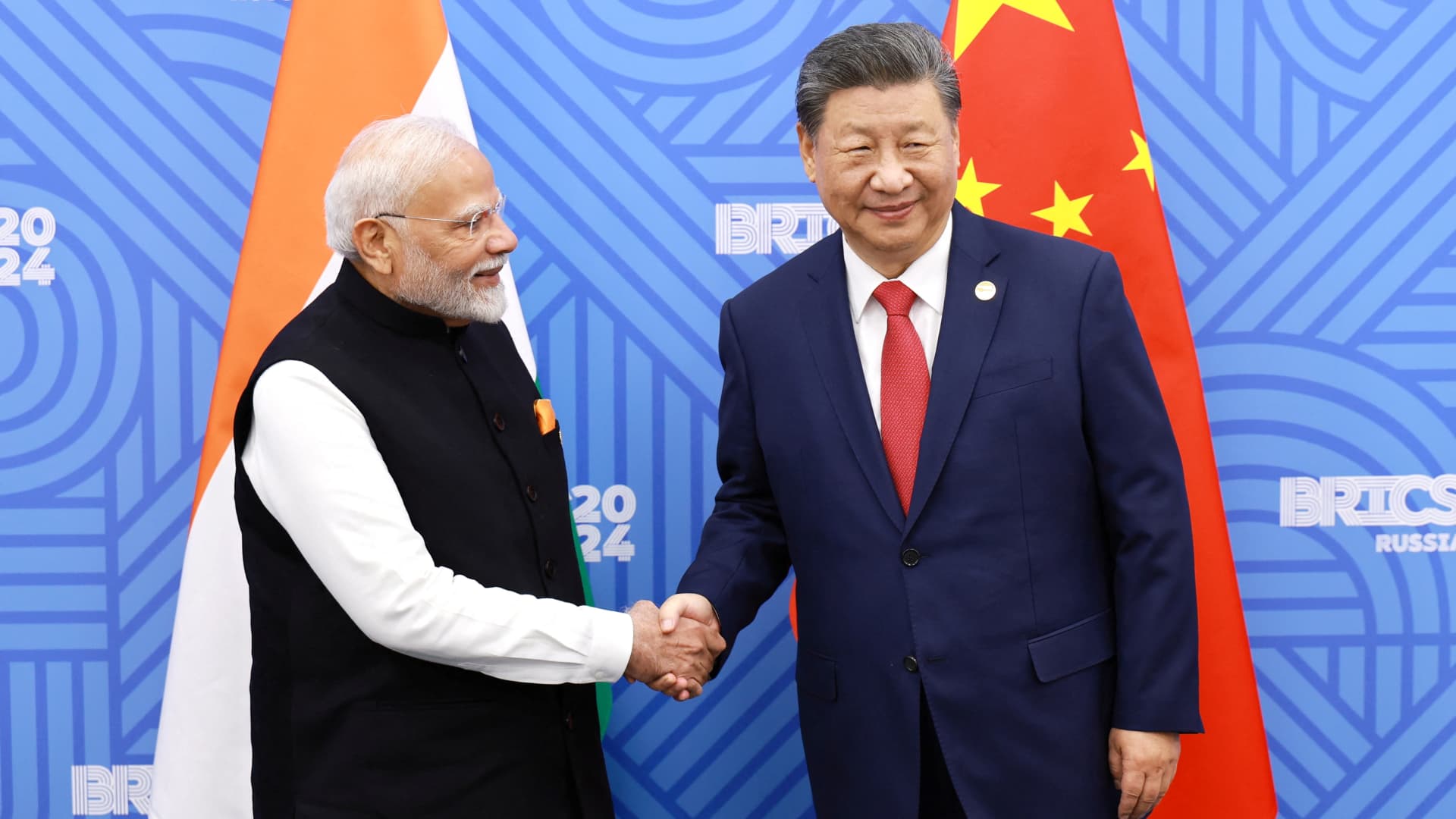
- Policy Adjustment: The Indian cabinet has approved changes to its foreign direct investment policy, allowing investments from 'land bordering countries,' particularly in manufacturing sectors like electronic components and solar cells, signaling New Delhi's attempt to reset economic ties with Beijing after six years of tension.
- Accelerated Approval Process: Under the new rules, Chinese investments in Indian companies will be expedited with a processing time of 60 days, provided that the firms remain Indian-owned, which is expected to attract foreign capital and improve the ease of doing business.
- Increased Market Attractiveness: Experts suggest that allowing limited Chinese participation could facilitate multinational companies in shifting final assembly to India while maintaining access to Chinese inputs, thereby enhancing India's attractiveness within the 'China-plus-one' supply chain diversification strategies.
- Geopolitical Risks: Despite the easing of restrictions, experts remain cautious about the actual impact on investment flows, noting that unresolved border tensions and deeper strategic mistrust may hinder the influx of Chinese capital into India.
See More

China's Shift in Tech Policy and Market Opportunities
- Policy Shift Signal: Premier Li Qiang's somber address highlighted the importance of technology for China's future, indicating a government shift towards encouraging businesses to take a greater role in addressing tech challenges, thereby promoting economic transformation and innovation.
- Rise of Private Sector: The policy shift in Beijing has allowed private companies like Linkerbot to rapidly advance in fields such as electric vehicles, with their robotic hands produced in one-sixth the time and at one-tenth the price of foreign competitors, showcasing China's competitiveness in the global tech market.
- Adaptation of State-Owned Enterprises: Changan Automobile's collaboration with Huawei to enhance in-car technology has propelled it to third place in China's new energy vehicle sales, demonstrating the adaptability of state-owned enterprises in the face of market competition, further solidifying their market position.
- Economic Growth Target: China has set its 2023 economic growth target at 4.5% to 5%, the lowest since the 1990s, reflecting the greater national responsibility and market opportunities faced by tech companies amid complex international circumstances and domestic economic slowdown.
See More
Iran Continues Crude Oil Exports to China via Strait of Hormuz Amid Conflict

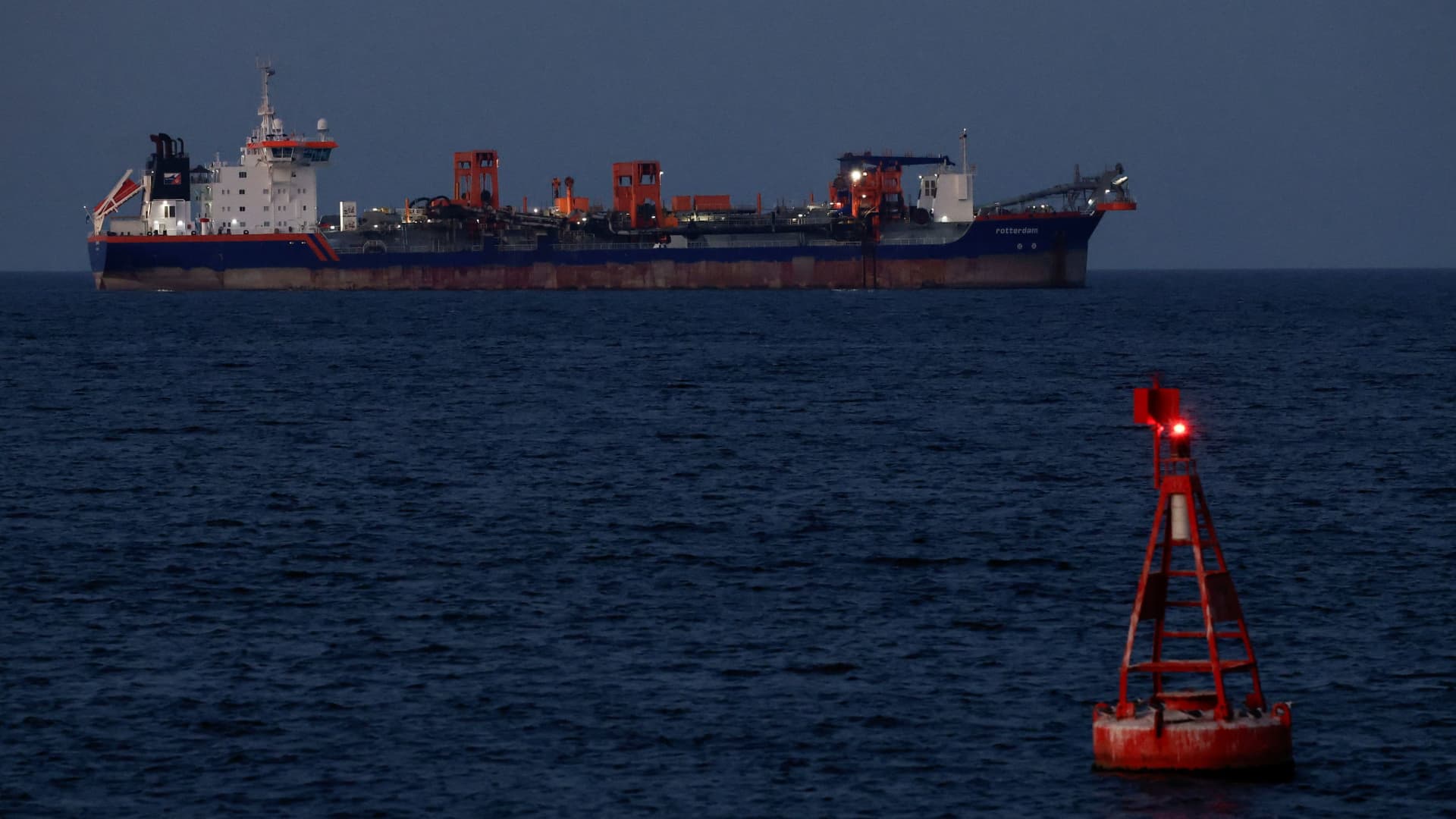
- Crude Export Figures: Since the onset of the conflict on February 28, Iran has exported at least 11.7 million barrels of crude oil to China via the Strait of Hormuz, indicating that despite the escalating tensions, Iran is maintaining its energy supply relationship with its primary market to meet demand.
- Shipping Security Risks: The war has significantly reduced shipping traffic through the Strait of Hormuz, with the International Maritime Organization reporting that ten vessels were attacked by Iran shortly after the conflict began, resulting in at least seven seafarer fatalities, thereby increasing shipping risks and uncertainties.
- Alternative Export Channels: Iran has resumed loading crude oil at the Jask oil and gas terminal, which, despite its lower efficiency, signals Tehran's exploration of alternative export routes outside the Strait of Hormuz to mitigate potential supply disruptions.
- China's Strategic Reserves: In 2023, China accelerated its oil stockpiling efforts, with imports rising 15.8% year-on-year in the first two months, demonstrating that amid escalating global energy supply risks, China is proactively preparing for future energy demands.
See More
India's Diplomatic Challenges Amid Iran Crisis

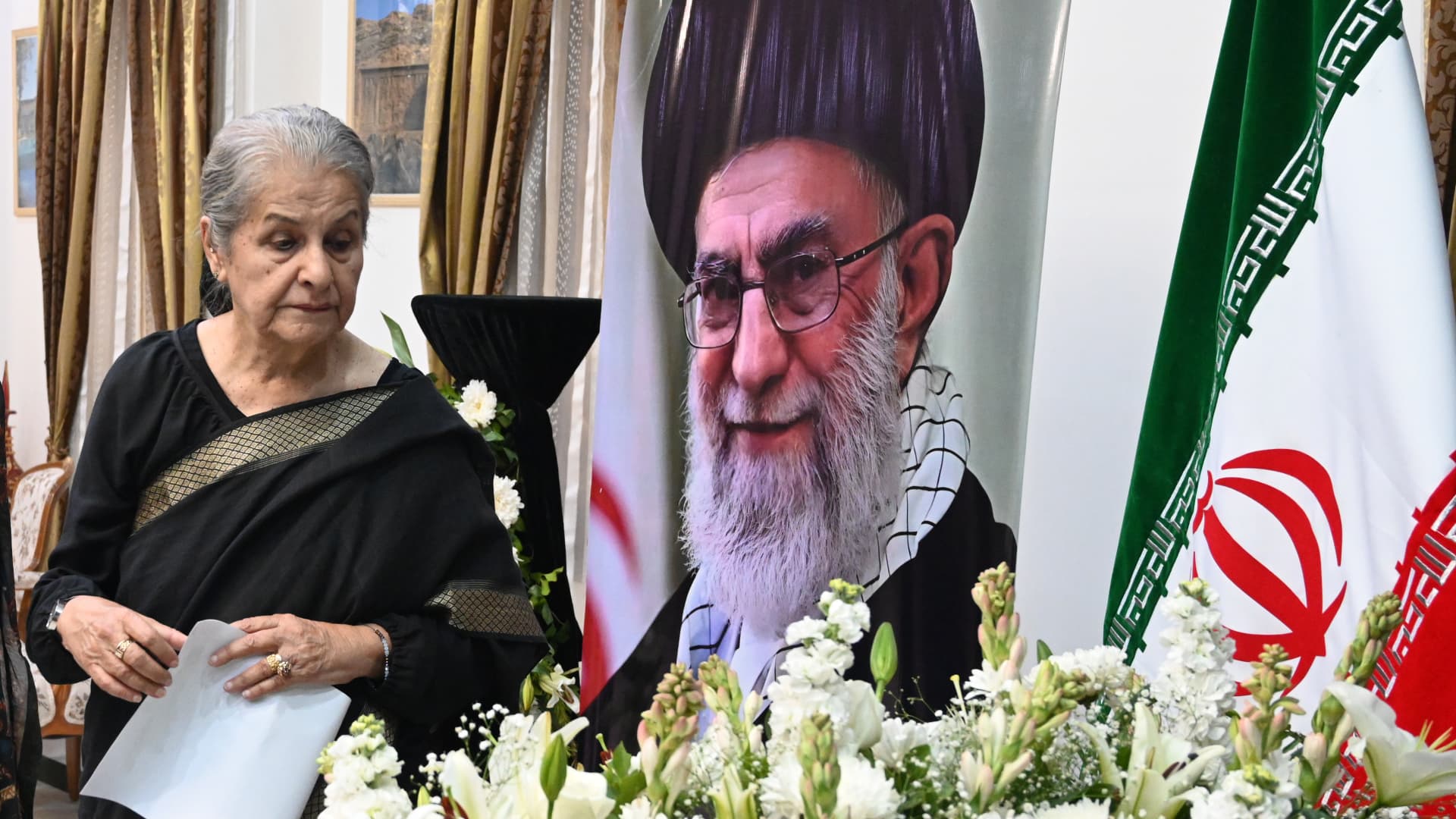
- Diplomatic Balancing Act: India faces a diplomatic balancing act amid the Iran crisis, particularly as its oil supply vulnerability is highlighted by only weeks of crude reserves compared to China's months-long stockpiles, indicating India's economic fragility.
- Multi-Alignment Strategy: While China's Foreign Minister calls for stronger BRICS cooperation, India remains silent, and experts warn that abandoning its multi-alignment approach could lead to supply volatility and fiscal strain, especially with rising LPG and LNG prices.
- US Relations: India has not condemned US actions during the Iran crisis and appears to be leaning closer to Israel, raising questions about whether Modi's visit to Israel indicates a shift towards the US-Israel coalition.
- Economic Interests: Although India has not taken sides in the conflict, its national interests seem to align more with the US and Israel, particularly after the US lifted punitive tariffs on Indian purchases of Russian crude, which could impact India's diplomatic standing in the Global South.
See More
China's Trade Surplus Hits Record High
- Record Trade Surplus: China's trade surplus reached $213.62 billion in the combined January-February period, exceeding expectations of $179.6 billion, highlighting the resilience of the economy amid ongoing U.S.-China trade tensions.
- Strong Export Growth: Exports surged 21.8% year-on-year, significantly surpassing the 7.1% growth forecast by economists, indicating a robust recovery in China's manufacturing sector that could drive future economic growth.
- Imports Outpace Expectations: Imports rose 19.8% compared to the previous year, exceeding the anticipated 6.3% growth, suggesting a rebound in domestic demand that may further support economic recovery.
- Inflation Rebound: February's CPI increased by 1.3% year-on-year, surpassing the expected 0.8% rise, reflecting strong consumer spending during the holiday period, which could influence future monetary policy decisions.
See More
Iran Exports Crude Oil to China via Strait of Hormuz Amid Conflict
- Crude Export Volume: Since the onset of the conflict, Iran has exported at least 11.7 million barrels of crude oil to China via the Strait of Hormuz, demonstrating resilience in the global energy market despite supply disruptions caused by the ongoing war.
- New Loading Capacity: Iran has resumed loading at the Jask oil and gas terminal, marking the first loading of 2 million barrels in five years, indicating Tehran's exploration of alternative export routes to mitigate geopolitical risks.
- China's Stockpiling Strategy: Although Iran's daily export volume has dropped to 1.22 million barrels, lower than pre-war levels, China has accelerated its oil stockpiling efforts, with imports rising 15.8% year-on-year in the first two months to cushion potential energy supply risks.
- Oil Price Volatility: Oil prices surged to nearly $120 per barrel on Monday due to supply disruption fears, prompting global leaders to scramble to contain potential oil shocks, highlighting the market's sensitivity to the Middle East situation.
See More
India Eases Investment Restrictions on China
- Policy Adjustment: The Indian cabinet has approved changes to its foreign direct investment policy, allowing investments from 'land bordering countries,' particularly in manufacturing sectors like electronic components and solar cells, signaling New Delhi's attempt to reset economic ties with Beijing after six years of tension.
- Accelerated Approval Process: Under the new rules, Chinese investments in Indian companies will be expedited with a processing time of 60 days, provided that the firms remain Indian-owned, which is expected to attract foreign capital and improve the ease of doing business.
- Increased Market Attractiveness: Experts suggest that allowing limited Chinese participation could facilitate multinational companies in shifting final assembly to India while maintaining access to Chinese inputs, thereby enhancing India's attractiveness within the 'China-plus-one' supply chain diversification strategies.
- Geopolitical Risks: Despite the easing of restrictions, experts remain cautious about the actual impact on investment flows, noting that unresolved border tensions and deeper strategic mistrust may hinder the influx of Chinese capital into India.
See More
China's Shift in Tech Policy and Market Opportunities
- Policy Shift Signal: Premier Li Qiang's somber address highlighted the importance of technology for China's future, indicating a government shift towards encouraging businesses to take a greater role in addressing tech challenges, thereby promoting economic transformation and innovation.
- Rise of Private Sector: The policy shift in Beijing has allowed private companies like Linkerbot to rapidly advance in fields such as electric vehicles, with their robotic hands produced in one-sixth the time and at one-tenth the price of foreign competitors, showcasing China's competitiveness in the global tech market.
- Adaptation of State-Owned Enterprises: Changan Automobile's collaboration with Huawei to enhance in-car technology has propelled it to third place in China's new energy vehicle sales, demonstrating the adaptability of state-owned enterprises in the face of market competition, further solidifying their market position.
- Economic Growth Target: China has set its 2023 economic growth target at 4.5% to 5%, the lowest since the 1990s, reflecting the greater national responsibility and market opportunities faced by tech companies amid complex international circumstances and domestic economic slowdown.
See More
Iran Continues Crude Oil Exports to China via Strait of Hormuz Amid Conflict
- Crude Export Figures: Since the onset of the conflict on February 28, Iran has exported at least 11.7 million barrels of crude oil to China via the Strait of Hormuz, indicating that despite the escalating tensions, Iran is maintaining its energy supply relationship with its primary market to meet demand.
- Shipping Security Risks: The war has significantly reduced shipping traffic through the Strait of Hormuz, with the International Maritime Organization reporting that ten vessels were attacked by Iran shortly after the conflict began, resulting in at least seven seafarer fatalities, thereby increasing shipping risks and uncertainties.
- Alternative Export Channels: Iran has resumed loading crude oil at the Jask oil and gas terminal, which, despite its lower efficiency, signals Tehran's exploration of alternative export routes outside the Strait of Hormuz to mitigate potential supply disruptions.
- China's Strategic Reserves: In 2023, China accelerated its oil stockpiling efforts, with imports rising 15.8% year-on-year in the first two months, demonstrating that amid escalating global energy supply risks, China is proactively preparing for future energy demands.
See More
India's Diplomatic Challenges Amid Iran Crisis
- Diplomatic Balancing Act: India faces a diplomatic balancing act amid the Iran crisis, particularly as its oil supply vulnerability is highlighted by only weeks of crude reserves compared to China's months-long stockpiles, indicating India's economic fragility.
- Multi-Alignment Strategy: While China's Foreign Minister calls for stronger BRICS cooperation, India remains silent, and experts warn that abandoning its multi-alignment approach could lead to supply volatility and fiscal strain, especially with rising LPG and LNG prices.
- US Relations: India has not condemned US actions during the Iran crisis and appears to be leaning closer to Israel, raising questions about whether Modi's visit to Israel indicates a shift towards the US-Israel coalition.
- Economic Interests: Although India has not taken sides in the conflict, its national interests seem to align more with the US and Israel, particularly after the US lifted punitive tariffs on Indian purchases of Russian crude, which could impact India's diplomatic standing in the Global South.
See More
China's Trade Surplus Hits Record High
- Record Trade Surplus: China's trade surplus reached $213.62 billion in the combined January-February period, exceeding expectations of $179.6 billion, highlighting the resilience of the economy amid ongoing U.S.-China trade tensions.
- Strong Export Growth: Exports surged 21.8% year-on-year, significantly surpassing the 7.1% growth forecast by economists, indicating a robust recovery in China's manufacturing sector that could drive future economic growth.
- Imports Outpace Expectations: Imports rose 19.8% compared to the previous year, exceeding the anticipated 6.3% growth, suggesting a rebound in domestic demand that may further support economic recovery.
- Inflation Rebound: February's CPI increased by 1.3% year-on-year, surpassing the expected 0.8% rise, reflecting strong consumer spending during the holiday period, which could influence future monetary policy decisions.
See More