China Intensifies Antitrust Probe into Trip.com Amid Regulatory Shift
Written by Emily J. Thompson, Senior Investment Analyst
Updated: 1 day ago
0mins

Source: CNBC
- Antitrust Probe Launched: Since January, China has initiated an antitrust investigation into online travel giant Trip.com, accusing it of market dominance abuse by forcing merchants into exclusive agreements and raising commission fees, with potential fines estimated at up to 4.9 billion yuan ($723 million), which directly impacted its stock, causing a nearly 20% drop in Hong Kong shares in a single day.
- Increased Regulatory Scrutiny: Ahead of the June shopping festival, Beijing summoned major tech firms including Alibaba and Tencent to address aggressive price competition and misleading promotional claims, indicating the government's heightened vigilance over market conduct aimed at maintaining order and preventing deflationary price wars.
- Food Safety Penalties: Chinese market regulators imposed a total of 3.6 billion yuan in fines on several e-commerce and food delivery platforms for failing to verify vendor qualifications, reflecting the government's intensified focus on food safety to enhance consumer confidence and market transparency.
- Policy Shift Signals: After years of stringent oversight on the private sector, Beijing is now pivoting to support private enterprises, emphasizing the need for private sector confidence, job creation, and technology investment to stimulate economic recovery, showcasing a flexible policy approach and a renewed focus on economic growth.
Trade with 70% Backtested Accuracy
Stop guessing "Should I Buy BABA?" and start using high-conviction signals backed by rigorous historical data.
Sign up today to access powerful investing tools and make smarter, data-driven decisions.
Analyst Views on BABA
Wall Street analysts forecast BABA stock price to rise
15 Analyst Rating
15 Buy
0 Hold
0 Sell
Strong Buy
Current: 104.970

Low
180.00
Averages
203.09
High
230.00
Current: 104.970
Low
180.00
Averages
203.09
High
230.00
About BABA
Alibaba Group Holding Ltd is an investment holding company mainly engaged in the provision of technology infrastructure and marketing platforms. The Company operates its business through four segments. The Alibaba China E-commerce Group segment is mainly engaged in E-commerce business, including operating Tmall Supermarket and Tmall Global, providing customer management services, product sales, as well as logistics services. It also operates quick commerce business such as Taobao Instant Commerce and Ele.me, as well as the China commerce wholesale business through 1688.com. The Alibaba International Digital Commerce Group segment is mainly engaged in international commerce retail and wholesale business, operating platforms such as AliExpress, Trendyol, Lazada and Alibaba.com. The Cloud Intelligence Group segment mainly provides public and non-public cloud services. The Other segments primarily include the operations of Freshippo, Cainiao, Alibaba Health and other business.
About the author

Emily J. Thompson
Emily J. Thompson, a Chartered Financial Analyst (CFA) with 12 years in investment research, graduated with honors from the Wharton School. Specializing in industrial and technology stocks, she provides in-depth analysis for Intellectia’s earnings and market brief reports.

Alibaba Sues U.S. Government to Remove from Pentagon Blacklist

- Lawsuit Background: Alibaba filed a lawsuit on Tuesday in federal court in San Jose, California, seeking removal from the Pentagon blacklist, arguing that the designation is unsupported and has severely harmed its business and reputation.
- Blacklist Impact: The Pentagon added Alibaba to the so-called 1260H list, which, while not imposing direct sanctions, bars the Defense Department from contracting with listed companies and will prohibit procurement of their products and services through third parties starting in 2027.
- Company Position: Alibaba asserts that its products and services are primarily designed for retail, logistics, and enterprise technology rather than defense or intelligence uses, claiming that the Pentagon's determination is arbitrary and has caused irreparable reputational damage.
- Industry Reaction: Other companies added to the blacklist include Baidu, BYD, and NIO, and while some firms have contested the designation, Alibaba's lawsuit may influence the legal strategies of other Chinese companies facing similar situations.
See More
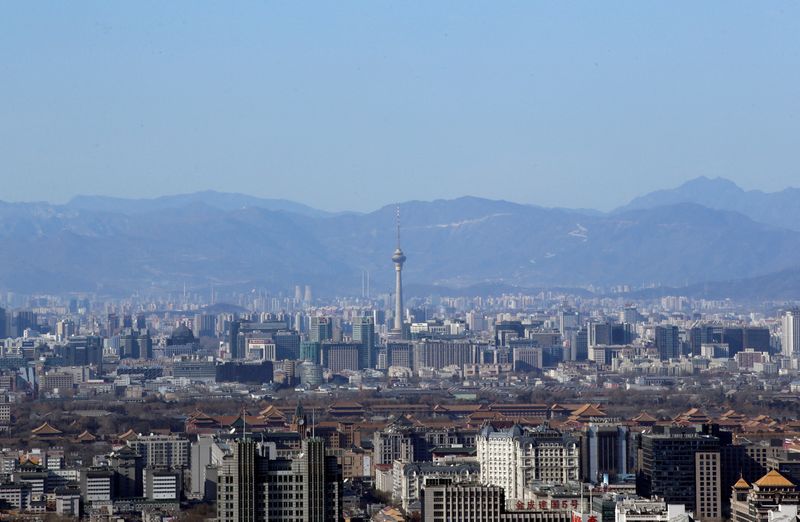
Tencent Restructures Global Gaming Investment Strategy
- Investment Reevaluation: Tencent is reassessing its gaming investments in Japan, negotiating exits from several studios including Marvelous Inc., indicating a cautious approach towards minority stakes that no longer align with its strategy.
- Industry Challenges: Amid a prolonged slump in the gaming sector, Tencent faces competition from Alibaba and ByteDance in the capital-intensive AI race, necessitating greater portfolio discipline.
- Potential Losses: The company may sell back its 2020 Japanese investments to original management teams at a loss, reflecting diminished expected synergies and increasing investment risks.
- Long-term Commitment: Despite the strategic adjustments, Tencent reaffirms that video games remain core to its business and is committed to the Japanese market in the long run, with plans for more hands-on co-production and user-generated content initiatives.
See More

SpaceX Stock Gains 37% in First Week but Faces Risks Ahead


- Strong Initial Performance: SpaceX stock surged 37% in its first week, meaning a $25,000 investment at IPO would now be worth over $28,600, reflecting optimistic market sentiment about its future potential.
- Significant Short-Term Volatility: Despite the strong debut, the stock faced a 16% sell-off on June 22, highlighting concerns over its high valuation and profitability, prompting investors to approach with caution amid short-term fluctuations.
- Future Growth Potential: SpaceX plans to acquire AI coding company Cursor for $60 billion, which has seen its annual sales skyrocket from $100 million to $4 billion, potentially providing a robust growth engine, especially at the intersection of AI and space.
- High-Risk Investment: With a staggering price-to-sales ratio of 125 and ongoing net losses, if SpaceX's future performance falls short of expectations, investors could face significant losses, suggesting that those with low risk tolerance should carefully consider their investment decisions.
See More

China's 618 Shopping Festival Sees Slowdown in Consumer Spending Growth

- Weak Consumer Growth: During the 2026 618 shopping festival, China's online sales grew only 4% year-over-year, a significant drop from last year's 15.2%, indicating persistent weakness in household consumption that could hinder overall economic recovery.
- Retail Sales Decline: Retail sales fell 0.6% in May compared to the previous year, marking the first decline since the lifting of pandemic restrictions in 2022, reflecting the fragility and uncertainty of the consumer market.
- Rise of Secondhand Market: Sales of pre-owned electronics surged nearly 80% during the 618 shopping period, highlighting a shift in consumer preference towards lower-cost goods, likely in response to economic pressures.
- Growing AI Demand: Despite overall weak consumption, demand for AI-related hardware surged, and the increased use of AI tools by online shopping platforms has boosted brand profit margins, although the broader economic impact of AI remains uncertain.
See More
China Intensifies Antitrust Probe into Trip.com Amid Regulatory Shift

- Antitrust Probe Launched: Since January, China has initiated an antitrust investigation into online travel giant Trip.com, accusing it of market dominance abuse by forcing merchants into exclusive agreements and raising commission fees, with potential fines estimated at up to 4.9 billion yuan ($723 million), which directly impacted its stock, causing a nearly 20% drop in Hong Kong shares in a single day.
- Increased Regulatory Scrutiny: Ahead of the June shopping festival, Beijing summoned major tech firms including Alibaba and Tencent to address aggressive price competition and misleading promotional claims, indicating the government's heightened vigilance over market conduct aimed at maintaining order and preventing deflationary price wars.
- Food Safety Penalties: Chinese market regulators imposed a total of 3.6 billion yuan in fines on several e-commerce and food delivery platforms for failing to verify vendor qualifications, reflecting the government's intensified focus on food safety to enhance consumer confidence and market transparency.
- Policy Shift Signals: After years of stringent oversight on the private sector, Beijing is now pivoting to support private enterprises, emphasizing the need for private sector confidence, job creation, and technology investment to stimulate economic recovery, showcasing a flexible policy approach and a renewed focus on economic growth.
See More

China Accelerates Electric Truck Exports Amid Rising Demand
- Surge in Electric Truck Orders: Chinese manufacturer Sany Heavy Industry has received an order for approximately 880 electric trucks, expected to be shipped by the end of June, reflecting urgent overseas demand driven by rising shipping and oil costs.
- Clear Policy Goals: China's Ministry of Transport has set a target for new energy heavy trucks to account for 40% of new truck sales by 2030, echoing the earlier push for new energy passenger vehicles, indicating strong governmental support for the electric truck market.
- Rapid Market Share Growth: Last year, electric trucks accounted for 25% of total truck sales in China, contributing to a doubling of global electric truck sales to over 400,000 units, showcasing the advantages of electric trucks in terms of operational cost and declining battery prices.
- Intensifying Global Competition: While automotive giants like Tesla and Mercedes-Benz are ramping up their electric truck offerings, Sany's highly automated production capabilities and global market presence position it as a leader in electric truck exports, likely to continue increasing China's market share in the global electric truck sector.
See More
Alibaba Sues U.S. Government to Remove from Pentagon Blacklist
- Lawsuit Background: Alibaba filed a lawsuit on Tuesday in federal court in San Jose, California, seeking removal from the Pentagon blacklist, arguing that the designation is unsupported and has severely harmed its business and reputation.
- Blacklist Impact: The Pentagon added Alibaba to the so-called 1260H list, which, while not imposing direct sanctions, bars the Defense Department from contracting with listed companies and will prohibit procurement of their products and services through third parties starting in 2027.
- Company Position: Alibaba asserts that its products and services are primarily designed for retail, logistics, and enterprise technology rather than defense or intelligence uses, claiming that the Pentagon's determination is arbitrary and has caused irreparable reputational damage.
- Industry Reaction: Other companies added to the blacklist include Baidu, BYD, and NIO, and while some firms have contested the designation, Alibaba's lawsuit may influence the legal strategies of other Chinese companies facing similar situations.
See More
Tencent Restructures Global Gaming Investment Strategy
- Investment Reevaluation: Tencent is reassessing its gaming investments in Japan, negotiating exits from several studios including Marvelous Inc., indicating a cautious approach towards minority stakes that no longer align with its strategy.
- Industry Challenges: Amid a prolonged slump in the gaming sector, Tencent faces competition from Alibaba and ByteDance in the capital-intensive AI race, necessitating greater portfolio discipline.
- Potential Losses: The company may sell back its 2020 Japanese investments to original management teams at a loss, reflecting diminished expected synergies and increasing investment risks.
- Long-term Commitment: Despite the strategic adjustments, Tencent reaffirms that video games remain core to its business and is committed to the Japanese market in the long run, with plans for more hands-on co-production and user-generated content initiatives.
See More
SpaceX Stock Gains 37% in First Week but Faces Risks Ahead
- Strong Initial Performance: SpaceX stock surged 37% in its first week, meaning a $25,000 investment at IPO would now be worth over $28,600, reflecting optimistic market sentiment about its future potential.
- Significant Short-Term Volatility: Despite the strong debut, the stock faced a 16% sell-off on June 22, highlighting concerns over its high valuation and profitability, prompting investors to approach with caution amid short-term fluctuations.
- Future Growth Potential: SpaceX plans to acquire AI coding company Cursor for $60 billion, which has seen its annual sales skyrocket from $100 million to $4 billion, potentially providing a robust growth engine, especially at the intersection of AI and space.
- High-Risk Investment: With a staggering price-to-sales ratio of 125 and ongoing net losses, if SpaceX's future performance falls short of expectations, investors could face significant losses, suggesting that those with low risk tolerance should carefully consider their investment decisions.
See More
China's 618 Shopping Festival Sees Slowdown in Consumer Spending Growth
- Weak Consumer Growth: During the 2026 618 shopping festival, China's online sales grew only 4% year-over-year, a significant drop from last year's 15.2%, indicating persistent weakness in household consumption that could hinder overall economic recovery.
- Retail Sales Decline: Retail sales fell 0.6% in May compared to the previous year, marking the first decline since the lifting of pandemic restrictions in 2022, reflecting the fragility and uncertainty of the consumer market.
- Rise of Secondhand Market: Sales of pre-owned electronics surged nearly 80% during the 618 shopping period, highlighting a shift in consumer preference towards lower-cost goods, likely in response to economic pressures.
- Growing AI Demand: Despite overall weak consumption, demand for AI-related hardware surged, and the increased use of AI tools by online shopping platforms has boosted brand profit margins, although the broader economic impact of AI remains uncertain.
See More
China Intensifies Antitrust Probe into Trip.com Amid Regulatory Shift
- Antitrust Probe Launched: Since January, China has initiated an antitrust investigation into online travel giant Trip.com, accusing it of market dominance abuse by forcing merchants into exclusive agreements and raising commission fees, with potential fines estimated at up to 4.9 billion yuan ($723 million), which directly impacted its stock, causing a nearly 20% drop in Hong Kong shares in a single day.
- Increased Regulatory Scrutiny: Ahead of the June shopping festival, Beijing summoned major tech firms including Alibaba and Tencent to address aggressive price competition and misleading promotional claims, indicating the government's heightened vigilance over market conduct aimed at maintaining order and preventing deflationary price wars.
- Food Safety Penalties: Chinese market regulators imposed a total of 3.6 billion yuan in fines on several e-commerce and food delivery platforms for failing to verify vendor qualifications, reflecting the government's intensified focus on food safety to enhance consumer confidence and market transparency.
- Policy Shift Signals: After years of stringent oversight on the private sector, Beijing is now pivoting to support private enterprises, emphasizing the need for private sector confidence, job creation, and technology investment to stimulate economic recovery, showcasing a flexible policy approach and a renewed focus on economic growth.
See More
China Accelerates Electric Truck Exports Amid Rising Demand
- Surge in Electric Truck Orders: Chinese manufacturer Sany Heavy Industry has received an order for approximately 880 electric trucks, expected to be shipped by the end of June, reflecting urgent overseas demand driven by rising shipping and oil costs.
- Clear Policy Goals: China's Ministry of Transport has set a target for new energy heavy trucks to account for 40% of new truck sales by 2030, echoing the earlier push for new energy passenger vehicles, indicating strong governmental support for the electric truck market.
- Rapid Market Share Growth: Last year, electric trucks accounted for 25% of total truck sales in China, contributing to a doubling of global electric truck sales to over 400,000 units, showcasing the advantages of electric trucks in terms of operational cost and declining battery prices.
- Intensifying Global Competition: While automotive giants like Tesla and Mercedes-Benz are ramping up their electric truck offerings, Sany's highly automated production capabilities and global market presence position it as a leader in electric truck exports, likely to continue increasing China's market share in the global electric truck sector.
See More