China Agrees to $17 Billion U.S. Agricultural Purchase Deal
Written by Emily J. Thompson, Senior Investment Analyst
Updated: May 17 2026
0mins
Source: seekingalpha
- Agricultural Purchase Commitment: China has agreed to purchase at least $17 billion of U.S. agricultural products over the next three years, covering purchases from 2026 to 2028, which may ease tensions in agricultural trade relations caused by escalating tariffs.
- Improvement in Trade Relations: U.S. agricultural exports to China plummeted nearly 66% in 2025 to $8.4 billion due to retaliatory tariffs, and this agreement could provide new market opportunities for U.S. agricultural producers and related businesses.
- Restoration of Export Channels: China also agreed to work with U.S. regulators to restore access for some American beef and poultry exports, particularly from states free of avian influenza restrictions, further promoting bilateral trade.
- Establishment of New Trade Mechanism: Both countries plan to establish new trade and investment boards to resolve market access disputes and support trade expansion, with this framework tied to reciprocal tariff reductions aimed at stabilizing economic relations.
Trade with 70% Backtested Accuracy
Stop guessing "Should I Buy MOS?" and start using high-conviction signals backed by rigorous historical data.
Sign up today to access powerful investing tools and make smarter, data-driven decisions.
Analyst Views on MOS
Wall Street analysts forecast MOS stock price to rise
13 Analyst Rating
6 Buy
7 Hold
0 Sell
Moderate Buy
Current: 24.060

Low
24.00
Averages
32.38
High
43.00
Current: 24.060
Low
24.00
Averages
32.38
High
43.00
About MOS
The Mosaic Company is a producer and marketer of concentrated phosphate and potash crop nutrients. The Company’s segments include Phosphates, Potash and Mosaic Fertilizantes. The Phosphates segment sells phosphate-based crop nutrients and animal feed ingredients throughout North America and internationally. The Potash business segment owns and operates potash mines and production facilities in Canada and the United States, which produces potash-based crop nutrients, animal feed ingredients and industrial products, and is sold both in domestic and international. The Mosaic Fertilizantes Segment produces and sells phosphate- and potash-based crop nutrients, and animal feed ingredients, in Brazil. In addition to phosphate rock mines and chemical plants, this segment consists of sales offices, crop nutrient blending and bagging facilities, port terminals and warehouses in Brazil and Paraguay. This segment also serves as a distribution outlet for its Phosphates and Potash segments.
About the author

Emily J. Thompson
Emily J. Thompson, a Chartered Financial Analyst (CFA) with 12 years in investment research, graduated with honors from the Wharton School. Specializing in industrial and technology stocks, she provides in-depth analysis for Intellectia’s earnings and market brief reports.
US-Iran Conflict Escalates, Oil Prices Surge Amid Economic Uncertainty


- Escalation of US-Iran Conflict: Following weeks of paused action, the US and Iran have resumed airstrikes, complicating hopes for a permanent resolution to the conflict, which is impacting global oil supplies and market sentiment.
- Strong Stock Market Performance: Despite rising geopolitical tensions, both the S&P 500 and Nasdaq Composite closed at record highs, primarily driven by a surge in AI-related stocks, indicating strong market confidence in the technology sector.
- Oil Price Warning: ExxonMobil has warned that oil inventories are on track to reach dangerously low levels in the coming weeks, forcing prices to spike and curbing demand, reflecting market concerns over energy supply.
- Wealthy Investors Pulling Out: According to the UBS Global Family Office Report, 60% of family offices plan to adjust their investment allocations in the next year, with many reducing US holdings and increasing exposure to emerging markets, highlighting a growing trend of 'de-dollarization'.
See More

FTC Investigates Soaring Fertilizer Prices Amid U.S.-Israeli Conflict

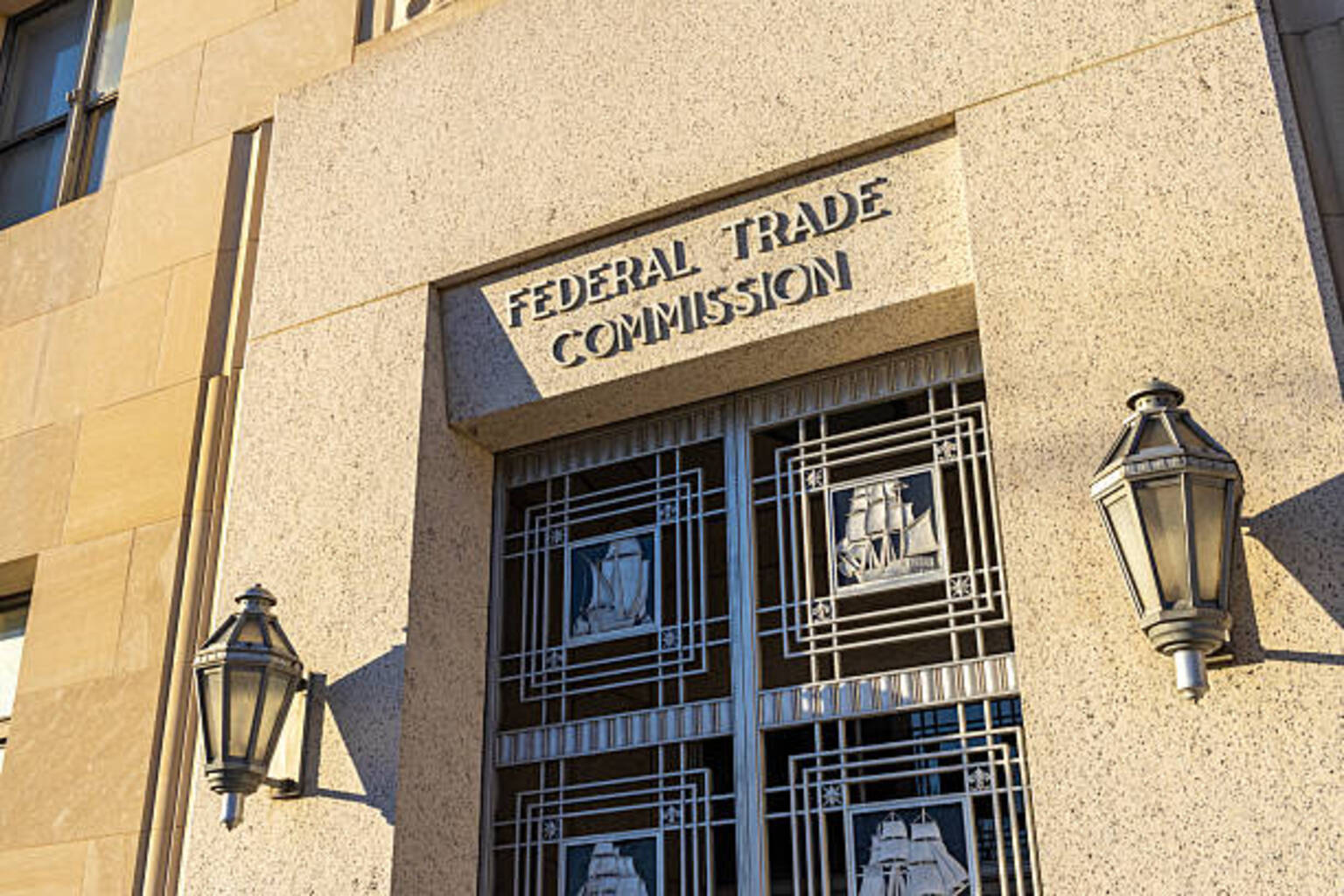
- FTC Investigation: The U.S. Federal Trade Commission has launched an industry-wide investigation into the sharp rise in fertilizer prices, particularly following the U.S.-Israeli conflict, which has caused soaring fertilizer and fuel costs, leading farmers to face a fourth consecutive year of shrinking margins.
- Price Surge Impact: Since the closure of the Strait of Hormuz in late February, urea prices have surged by 55%, while another nitrogen-based fertilizer has increased by 33%, significantly straining U.S. farmers' production costs and affecting their planting decisions.
- Increased Farmer Burden: Data from the U.S. Department of Agriculture indicates that fertilizer has seen the largest increase in input costs for farmers since 2020, with FTC Chairman noting that ongoing price hikes are an issue farmers cannot ignore, impacting agricultural sustainability.
- Call for Market Fairness: The chairman of the Texas Corn Producers Association stated that the FTC's investigation is a crucial step towards establishing a fair marketplace, emphasizing the pressure from fertilizer cartels on American agriculture and its impact on household food costs.
See More
FTC Launches Antitrust Investigation into Rising Fertilizer Prices
- Investigation Launched: FTC Chairman Andrew Ferguson announced a sweeping antitrust investigation into soaring fertilizer prices, aimed at alleviating the financial strain high costs impose on U.S. farmers.
- Rising Costs Impact: Government data indicates that fertilizer costs have been the largest contributor to rising farm expenses since 2020, highlighting the profound impact of fertilizer market price volatility on agricultural economics.
- Increased Market Volatility: Fertilizer prices surged earlier this year due to disruptions in global trade routes caused by attacks on Iran, boosting earnings for major producers like CF Industries and Nutrien, while companies like Mosaic faced rising raw material costs.
- Regulatory Scrutiny Intensifies: This investigation complements the Justice Department's inquiries into potential price-fixing and collusion among major fertilizer manufacturers, reflecting ongoing regulatory concerns about the high concentration in the fertilizer market.
See More
U.S.-Iran Negotiation Fluctuations Impact Markets
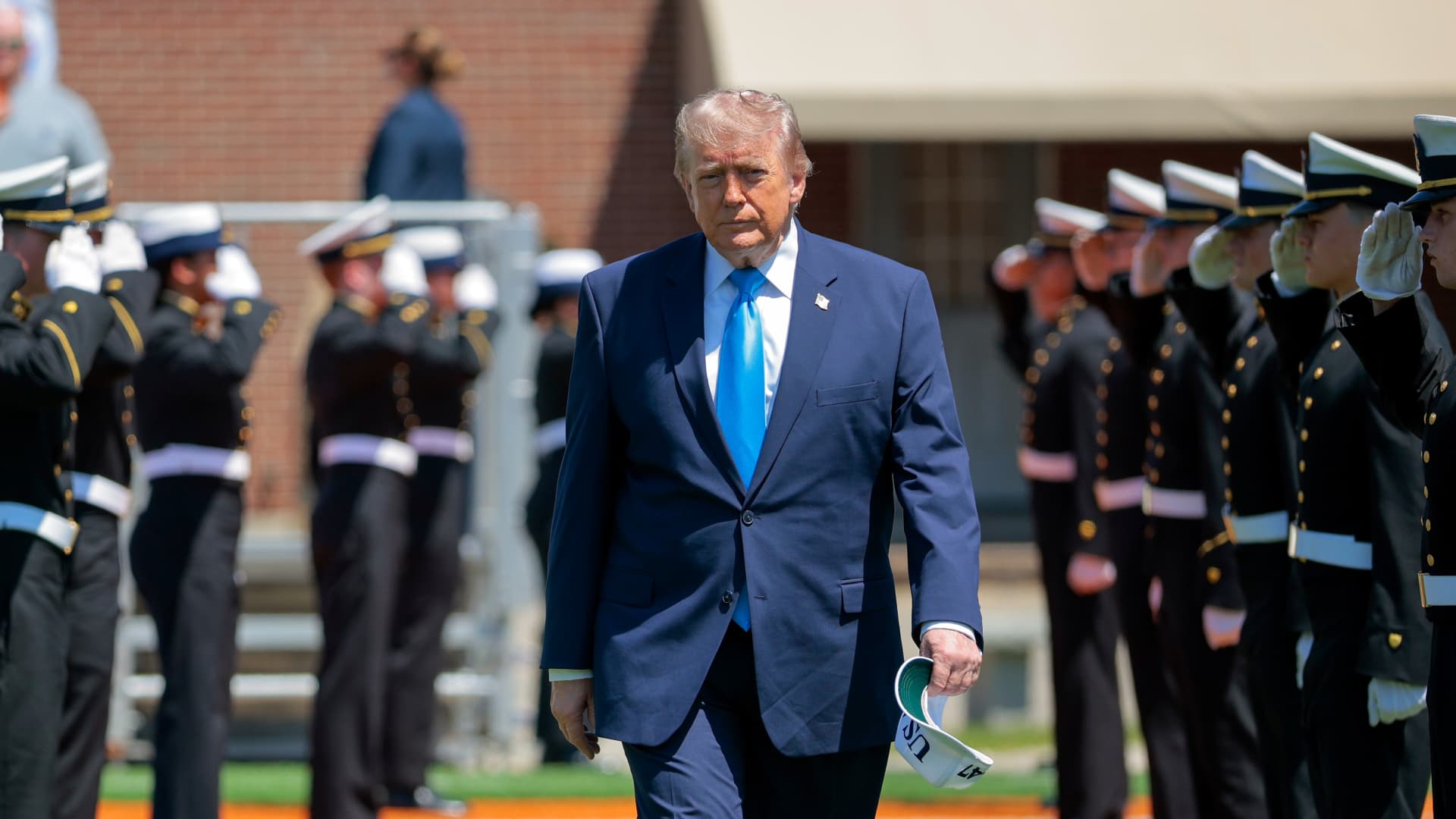
- Oil Price Plunge: Oil prices dropped over 5% on Wednesday after Secretary of State Marco Rubio indicated that Washington was giving Iran talks 'every chance to succeed,' reflecting market sensitivity to diplomatic efforts and potentially impacting energy sector profitability.
- Escalation of Military Actions: New U.S. airstrikes in Iran targeted a military site deemed a threat to U.S. forces and commercial maritime traffic, adding uncertainty to the ongoing diplomatic negotiations and prompting investors to reassess risk levels in the market.
- Strong Tech Stock Performance: Shares of cloud-based AI and data platform company Snowflake surged 36% following a strong earnings report and a $6 billion investment plan in Amazon Web Services, showcasing investment enthusiasm and market confidence in the tech sector amid rising AI demand.
- Inflation Data Focus: Investors are closely watching the upcoming April inflation reading, which is expected to influence the Fed's future rate decisions, as Minneapolis Fed President Neel Kashkari emphasized that lowering inflation remains a top priority, indicating market sensitivity to economic policy.
See More
U.S. Stocks Rally as Investors Eye Middle East Developments
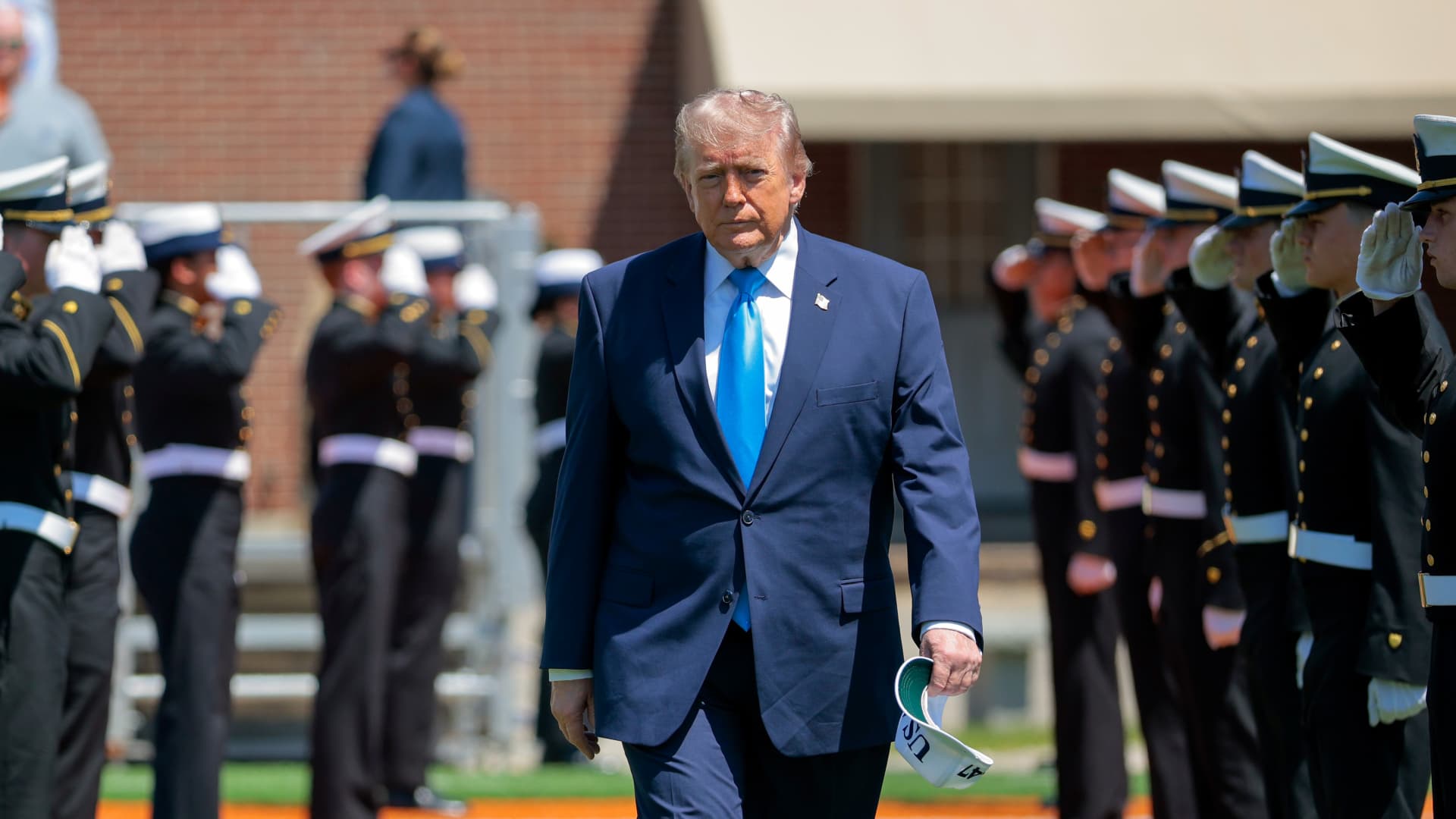
- Market Rally: The S&P 500 is on track for its eighth consecutive weekly gain, reflecting growing investor optimism regarding de-escalation in the Middle East and increased confidence in economic recovery.
- Dow Jones Surge: The Dow Jones Industrial Average rose by 276.31 points to a record close, indicating positive market sentiment towards U.S.-Iran peace negotiations, which could attract further investments.
- Oil Price Volatility: Oil prices resumed their rally after three days of declines, with Brent and U.S. West Texas Intermediate futures both advancing around 2%, highlighting market concerns over energy supply and geopolitical uncertainties.
- Quantum Computing Investment: The U.S. government announced $2 billion in grants to nine firms, with IBM receiving $1 billion, significantly boosting quantum computing stocks and showcasing the ongoing investment surge in the tech sector.
See More

Nvidia's Strong Earnings Report Sparks Attention
- Strong Earnings: Nvidia's earnings report reveals nearly doubling year-over-year data center revenue, indicating relentless demand for its GPUs, although shares slipped in after-hours trading as investors scrutinized future guidance and rising competition.
- IPO Frenzy: SpaceX has filed for an IPO aiming to raise around $75 billion, surpassing Alibaba's record for the largest IPO, highlighting the intensifying competition among tech companies for public offerings, which could significantly impact market sentiment.
- Stabilizing Semiconductor Supply Chains: Samsung Electronics has reached a tentative agreement with its union to suspend a planned strike, likely providing temporary relief to global semiconductor supply chains critical for the ongoing AI boom.
- Market Rebound: Wall Street staged a strong rebound with the Dow surging over 600 points due to easing oil prices and moderating rate concerns, leading to a positive sentiment that has also lifted Asia-Pacific markets.
See More
US-Iran Conflict Escalates, Oil Prices Surge Amid Economic Uncertainty
- Escalation of US-Iran Conflict: Following weeks of paused action, the US and Iran have resumed airstrikes, complicating hopes for a permanent resolution to the conflict, which is impacting global oil supplies and market sentiment.
- Strong Stock Market Performance: Despite rising geopolitical tensions, both the S&P 500 and Nasdaq Composite closed at record highs, primarily driven by a surge in AI-related stocks, indicating strong market confidence in the technology sector.
- Oil Price Warning: ExxonMobil has warned that oil inventories are on track to reach dangerously low levels in the coming weeks, forcing prices to spike and curbing demand, reflecting market concerns over energy supply.
- Wealthy Investors Pulling Out: According to the UBS Global Family Office Report, 60% of family offices plan to adjust their investment allocations in the next year, with many reducing US holdings and increasing exposure to emerging markets, highlighting a growing trend of 'de-dollarization'.
See More
FTC Investigates Soaring Fertilizer Prices Amid U.S.-Israeli Conflict
- FTC Investigation: The U.S. Federal Trade Commission has launched an industry-wide investigation into the sharp rise in fertilizer prices, particularly following the U.S.-Israeli conflict, which has caused soaring fertilizer and fuel costs, leading farmers to face a fourth consecutive year of shrinking margins.
- Price Surge Impact: Since the closure of the Strait of Hormuz in late February, urea prices have surged by 55%, while another nitrogen-based fertilizer has increased by 33%, significantly straining U.S. farmers' production costs and affecting their planting decisions.
- Increased Farmer Burden: Data from the U.S. Department of Agriculture indicates that fertilizer has seen the largest increase in input costs for farmers since 2020, with FTC Chairman noting that ongoing price hikes are an issue farmers cannot ignore, impacting agricultural sustainability.
- Call for Market Fairness: The chairman of the Texas Corn Producers Association stated that the FTC's investigation is a crucial step towards establishing a fair marketplace, emphasizing the pressure from fertilizer cartels on American agriculture and its impact on household food costs.
See More
FTC Launches Antitrust Investigation into Rising Fertilizer Prices
- Investigation Launched: FTC Chairman Andrew Ferguson announced a sweeping antitrust investigation into soaring fertilizer prices, aimed at alleviating the financial strain high costs impose on U.S. farmers.
- Rising Costs Impact: Government data indicates that fertilizer costs have been the largest contributor to rising farm expenses since 2020, highlighting the profound impact of fertilizer market price volatility on agricultural economics.
- Increased Market Volatility: Fertilizer prices surged earlier this year due to disruptions in global trade routes caused by attacks on Iran, boosting earnings for major producers like CF Industries and Nutrien, while companies like Mosaic faced rising raw material costs.
- Regulatory Scrutiny Intensifies: This investigation complements the Justice Department's inquiries into potential price-fixing and collusion among major fertilizer manufacturers, reflecting ongoing regulatory concerns about the high concentration in the fertilizer market.
See More
U.S.-Iran Negotiation Fluctuations Impact Markets
- Oil Price Plunge: Oil prices dropped over 5% on Wednesday after Secretary of State Marco Rubio indicated that Washington was giving Iran talks 'every chance to succeed,' reflecting market sensitivity to diplomatic efforts and potentially impacting energy sector profitability.
- Escalation of Military Actions: New U.S. airstrikes in Iran targeted a military site deemed a threat to U.S. forces and commercial maritime traffic, adding uncertainty to the ongoing diplomatic negotiations and prompting investors to reassess risk levels in the market.
- Strong Tech Stock Performance: Shares of cloud-based AI and data platform company Snowflake surged 36% following a strong earnings report and a $6 billion investment plan in Amazon Web Services, showcasing investment enthusiasm and market confidence in the tech sector amid rising AI demand.
- Inflation Data Focus: Investors are closely watching the upcoming April inflation reading, which is expected to influence the Fed's future rate decisions, as Minneapolis Fed President Neel Kashkari emphasized that lowering inflation remains a top priority, indicating market sensitivity to economic policy.
See More
U.S. Stocks Rally as Investors Eye Middle East Developments
- Market Rally: The S&P 500 is on track for its eighth consecutive weekly gain, reflecting growing investor optimism regarding de-escalation in the Middle East and increased confidence in economic recovery.
- Dow Jones Surge: The Dow Jones Industrial Average rose by 276.31 points to a record close, indicating positive market sentiment towards U.S.-Iran peace negotiations, which could attract further investments.
- Oil Price Volatility: Oil prices resumed their rally after three days of declines, with Brent and U.S. West Texas Intermediate futures both advancing around 2%, highlighting market concerns over energy supply and geopolitical uncertainties.
- Quantum Computing Investment: The U.S. government announced $2 billion in grants to nine firms, with IBM receiving $1 billion, significantly boosting quantum computing stocks and showcasing the ongoing investment surge in the tech sector.
See More
Nvidia's Strong Earnings Report Sparks Attention
- Strong Earnings: Nvidia's earnings report reveals nearly doubling year-over-year data center revenue, indicating relentless demand for its GPUs, although shares slipped in after-hours trading as investors scrutinized future guidance and rising competition.
- IPO Frenzy: SpaceX has filed for an IPO aiming to raise around $75 billion, surpassing Alibaba's record for the largest IPO, highlighting the intensifying competition among tech companies for public offerings, which could significantly impact market sentiment.
- Stabilizing Semiconductor Supply Chains: Samsung Electronics has reached a tentative agreement with its union to suspend a planned strike, likely providing temporary relief to global semiconductor supply chains critical for the ongoing AI boom.
- Market Rebound: Wall Street staged a strong rebound with the Dow surging over 600 points due to easing oil prices and moderating rate concerns, leading to a positive sentiment that has also lifted Asia-Pacific markets.
See More