

Chevron's Earnings Plummet in 2025 Amid High Stock Prices
Written by Emily J. Thompson, Senior Investment Analyst
Updated: Feb 12 2026
0mins


Source: NASDAQ.COM
- Earnings Decline: Chevron's upstream profits fell from $18.6 billion in 2024 to $12.82 billion in 2025 primarily due to lower oil prices, although downstream profits surged by 75%, demonstrating the company's resilience in diversified operations.
- Cash Flow Growth: The company generated an additional $2.4 billion in cash flow from operations, supporting larger capital expenditures, stock buybacks, and its growing dividend, indicating financial health even in a low oil price environment.
- Acquisition Advantage: Chevron's acquisition of Hess enhances its production capabilities in Guyana, collaborating with ExxonMobil and CNOOC to leverage geological advantages for more efficient hydrocarbon extraction, further solidifying its market position.
- Dividend Stability: Management announced a 4% increase in dividends on January 30, marking the 38th consecutive year of dividend growth, showcasing the company's ability to provide reliable returns to investors despite multiple oil price crashes.
Trade with 70% Backtested Accuracy
Stop guessing "Should I Buy CVX?" and start using high-conviction signals backed by rigorous historical data.
Sign up today to access powerful investing tools and make smarter, data-driven decisions.
Analyst Views on CVX
Wall Street analysts forecast CVX stock price to rise
19 Analyst Rating
15 Buy
4 Hold
0 Sell
Strong Buy
Current: 168.470

Low
158.00
Averages
176.95
High
206.00
Current: 168.470
Low
158.00
Averages
176.95
High
206.00
About CVX
Chevron Corporation is an integrated energy company. The Company produces crude oil and natural gas; manufactures transportation fuels, lubricants, petrochemicals and additives; and develops technologies that enhance its business and industry. The Company’s segments include Upstream and Downstream. Upstream operations consist primarily of exploring for, developing, producing and transporting crude oil and natural gas; liquefaction, transportation and regasification associated with LNG; transporting crude oil by major international oil export pipelines; processing, transporting, storage and marketing of natural gas; carbon capture and storage; and a gas-to-liquids plant. Downstream operations consist primarily of the refining of crude oil into petroleum products; marketing crude oil, refined products, and lubricants; manufacturing and marketing of renewable fuels, and transporting of crude oil and refined products by pipeline, marine vessel, motor equipment and rail car.
About the author

Emily J. Thompson
Emily J. Thompson, a Chartered Financial Analyst (CFA) with 12 years in investment research, graduated with honors from the Wharton School. Specializing in industrial and technology stocks, she provides in-depth analysis for Intellectia’s earnings and market brief reports.

Chevron: A Stable Income Play Amid Energy Volatility

- Attractive Dividend Yield: Chevron offers a 4% dividend yield, which appeals to income-seeking investors despite the market volatility caused by the Middle East conflict, demonstrating the company's resilience in uncertain environments.
- Stock Price Volatility: Over the past year, Chevron's stock has risen approximately 15%, yet it has also fallen about 15% since the beginning of 2026, reflecting market sensitivity to energy supply disruptions, particularly due to the closure of the Strait of Hormuz, which reduced global energy supply by around 20%.
- Diversification Advantage: As one of the world's largest integrated energy companies, Chevron operates across the entire energy value chain and possesses a diversified asset base, allowing it to optimize profitability in both the short and long term, thereby mitigating the impact of frequent swings in the energy sector.
- Strong Financial Position: Chevron boasts one of the strongest balance sheets in its peer group, enabling the company to maintain stability amid energy market fluctuations and continue providing reliable returns to shareholders, further solidifying its position in investors' minds.
See More

Chevron: A Stable Choice for Energy Investment
- Dividend Appeal: Chevron offers an attractive 4.1% dividend yield supported by a multi-decade history of annual increases, making it an ideal choice for investors looking to enhance their energy exposure, especially amid current market volatility.
- Financial Conservatism: As one of the world's largest integrated energy companies, Chevron's conservative financial strategy and globally diversified portfolio enable it to withstand frequent swings in the energy sector, with its long-term dividend growth serving as proof of its business success.
- Market Sentiment Volatility: The geopolitical conflict in the Middle East has led to dramatic fluctuations in energy market sentiment, and while Chevron warns of deteriorating industry fundamentals, investors are reacting strongly to oil price swings, potentially leading to irrational short-term investment decisions.
- Timing Considerations: Although the energy sector has a long history of volatility, Chevron highlights that the gap between investor sentiment and market fundamentals may present a buying opportunity; however, conservative investors might prefer to wait until tensions in the Middle East subside before considering an investment.
See More

Strong Stock Performance in H1 2026 Highlights Key Trends


- Small-Cap Outperformance: The Russell 2000 index surged nearly 22% in the first half of 2026, making it the top performer among major indices, indicating a strong rebound in small-cap stocks that has captured investor interest.
- Tech Sector Leadership: The Nasdaq 100 rose almost 20%, while the Nasdaq Composite gained nearly 13%, reflecting sustained growth in the tech sector and investor confidence in innovative companies, which may drive future investment inflows.
- Analyst Stock Picks: Morgan Stanley's recommendation of Applied Materials saw its stock rise 180% in 2026, while Bank of America's pick of Lam Research increased by 153%, showcasing strong analyst confidence that could influence investor decisions.
- Fuel Price Challenges: The national average gasoline price in the U.S. stands at $3.8470 per gallon, with President Trump aiming to reduce it to $2.50, although facing numerous challenges, this goal could impact energy stocks' performance and market expectations.
See More
Chevron's Reliable Dividend Growth Amid Market Volatility
- Dividend Yield Advantage: Chevron boasts a forward dividend yield of 4.2% and has raised its dividend for 39 consecutive years, positioning itself to become a Dividend King if it maintains this streak for 50 years, highlighting its potential as a reliable income stock.
- Business Diversification: Operating in 180 countries, Chevron's diverse portfolio spans upstream exploration, downstream refining, and midstream pipeline infrastructure, allowing it to maintain stable profitability amid oil price fluctuations, particularly in major producing countries like the U.S., Kazakhstan, and Australia.
- Cash Flow Management: Over the past 12 months, Chevron allocated 95% of its free cash flow to dividends, which may seem risky; however, the company anticipates boosting oil and gas production by 2%-3% annually through 2030 by expanding its Tengiz Field in Kazakhstan and launching new deepwater projects in the Gulf of Mexico.
- Cost Control Strategy: To sustain margins during expansion, Chevron plans to reduce structural costs by $3 billion to $4 billion by the end of 2026, with analysts projecting its adjusted EPS to nearly double, indicating that its stock remains attractive at 11 times forward earnings.
See More
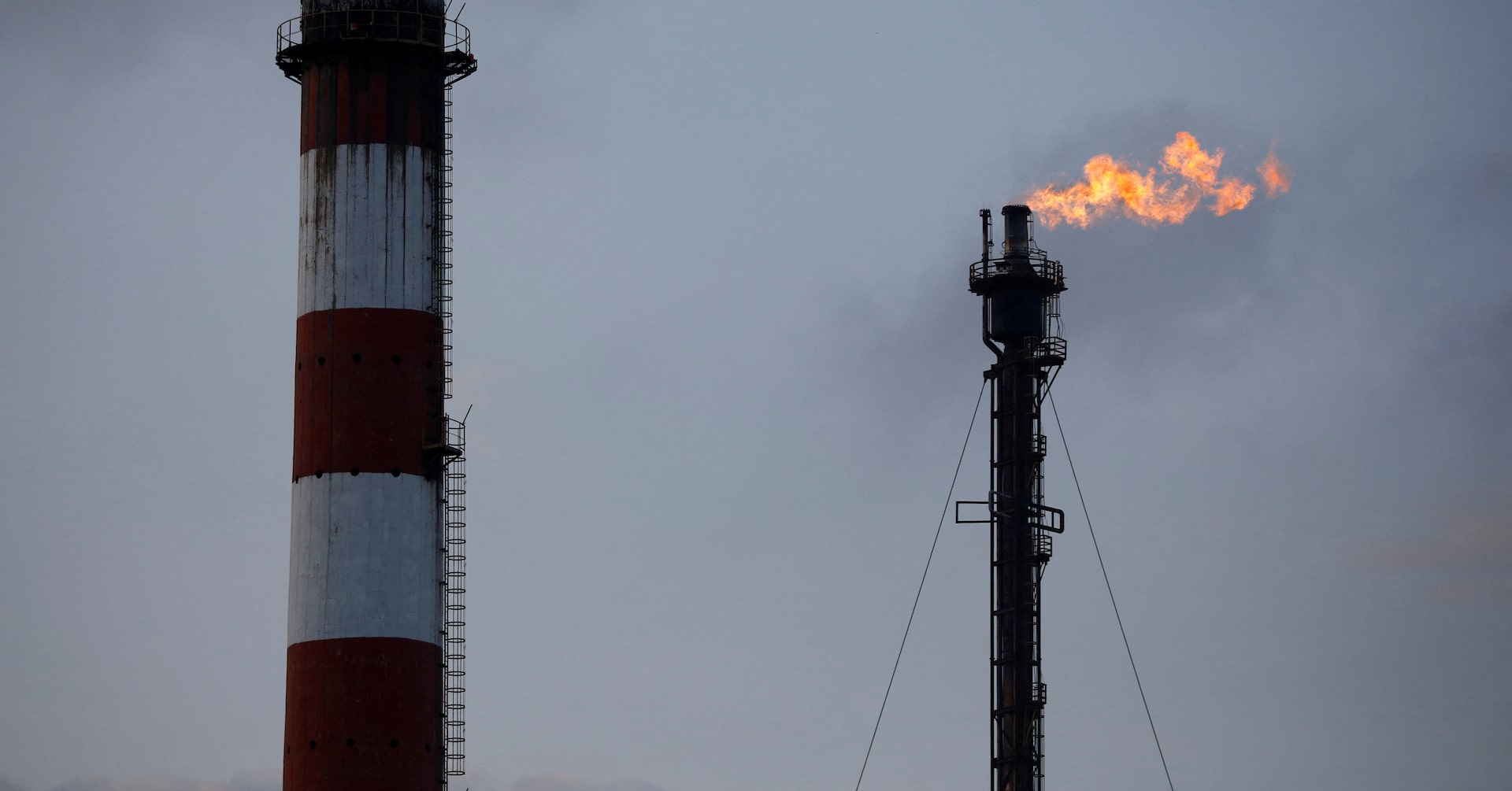
Chevron Stock Enters Oversold Territory
- Oversold Signal: Chevron Corporation (CVX) has an RSI of 29.7, indicating its stock price has entered oversold territory after hitting a low of $165.50, suggesting that the recent heavy selling may be nearing exhaustion, prompting bullish investors to consider buying opportunities.
- Market Comparison: In contrast, the S&P 500 ETF (SPY) has an RSI of 54.6, reflecting a more optimistic overall market sentiment, which may draw attention from investors looking for rebounds in oversold stocks like Chevron.
- Historical Performance Analysis: CVX's 52-week low is $142.51 and its high is $214.71, with the current trading price at $165.76, indicating potential rebound space within its trading range, which could provide value buying opportunities for investors.
- Investor Sentiment: As CVX's stock enters oversold territory, investors may reassess their strategies, particularly in the current market environment, seeking undervalued stocks for long-term gains.
See More

Bank of America and Chevron: Top Picks for Long-Term Dividend Investors

- Stable Dividends from BAC: Bank of America (BAC) has paid dividends for 38 consecutive years, with a current yield around 2%, benefiting from a massive deposit base and a digital consumer banking network that secures reliable cash flows in the global financial ecosystem.
- Significant Revenue Growth: The recent financial report from Bank of America revealed quarterly revenue of $30.3 billion and net income of $8.6 billion, marking year-over-year increases of 7% and 17%, respectively, representing the strongest quarterly performance in nearly 20 years, making it attractive for long-term investors.
- Attractive Yield from Chevron: Chevron (CVX) boasts an appealing dividend yield of around 4% and has increased its dividend for 39 consecutive years, with its fully integrated energy ecosystem generating substantial free cash flow to support aggressive shareholder return programs throughout commodity cycles.
- Diversified Business Advantage: Chevron's integrated operations allow it to maintain profitability during crude oil price fluctuations, leveraging low-cost production in the Permian Basin and premium global LNG projects to ensure tight capital expenditure control and sustained dividend growth.
See More
Chevron: A Stable Income Play Amid Energy Volatility
- Attractive Dividend Yield: Chevron offers a 4% dividend yield, which appeals to income-seeking investors despite the market volatility caused by the Middle East conflict, demonstrating the company's resilience in uncertain environments.
- Stock Price Volatility: Over the past year, Chevron's stock has risen approximately 15%, yet it has also fallen about 15% since the beginning of 2026, reflecting market sensitivity to energy supply disruptions, particularly due to the closure of the Strait of Hormuz, which reduced global energy supply by around 20%.
- Diversification Advantage: As one of the world's largest integrated energy companies, Chevron operates across the entire energy value chain and possesses a diversified asset base, allowing it to optimize profitability in both the short and long term, thereby mitigating the impact of frequent swings in the energy sector.
- Strong Financial Position: Chevron boasts one of the strongest balance sheets in its peer group, enabling the company to maintain stability amid energy market fluctuations and continue providing reliable returns to shareholders, further solidifying its position in investors' minds.
See More
Chevron: A Stable Choice for Energy Investment
- Dividend Appeal: Chevron offers an attractive 4.1% dividend yield supported by a multi-decade history of annual increases, making it an ideal choice for investors looking to enhance their energy exposure, especially amid current market volatility.
- Financial Conservatism: As one of the world's largest integrated energy companies, Chevron's conservative financial strategy and globally diversified portfolio enable it to withstand frequent swings in the energy sector, with its long-term dividend growth serving as proof of its business success.
- Market Sentiment Volatility: The geopolitical conflict in the Middle East has led to dramatic fluctuations in energy market sentiment, and while Chevron warns of deteriorating industry fundamentals, investors are reacting strongly to oil price swings, potentially leading to irrational short-term investment decisions.
- Timing Considerations: Although the energy sector has a long history of volatility, Chevron highlights that the gap between investor sentiment and market fundamentals may present a buying opportunity; however, conservative investors might prefer to wait until tensions in the Middle East subside before considering an investment.
See More
Strong Stock Performance in H1 2026 Highlights Key Trends
- Small-Cap Outperformance: The Russell 2000 index surged nearly 22% in the first half of 2026, making it the top performer among major indices, indicating a strong rebound in small-cap stocks that has captured investor interest.
- Tech Sector Leadership: The Nasdaq 100 rose almost 20%, while the Nasdaq Composite gained nearly 13%, reflecting sustained growth in the tech sector and investor confidence in innovative companies, which may drive future investment inflows.
- Analyst Stock Picks: Morgan Stanley's recommendation of Applied Materials saw its stock rise 180% in 2026, while Bank of America's pick of Lam Research increased by 153%, showcasing strong analyst confidence that could influence investor decisions.
- Fuel Price Challenges: The national average gasoline price in the U.S. stands at $3.8470 per gallon, with President Trump aiming to reduce it to $2.50, although facing numerous challenges, this goal could impact energy stocks' performance and market expectations.
See More
Chevron's Reliable Dividend Growth Amid Market Volatility
- Dividend Yield Advantage: Chevron boasts a forward dividend yield of 4.2% and has raised its dividend for 39 consecutive years, positioning itself to become a Dividend King if it maintains this streak for 50 years, highlighting its potential as a reliable income stock.
- Business Diversification: Operating in 180 countries, Chevron's diverse portfolio spans upstream exploration, downstream refining, and midstream pipeline infrastructure, allowing it to maintain stable profitability amid oil price fluctuations, particularly in major producing countries like the U.S., Kazakhstan, and Australia.
- Cash Flow Management: Over the past 12 months, Chevron allocated 95% of its free cash flow to dividends, which may seem risky; however, the company anticipates boosting oil and gas production by 2%-3% annually through 2030 by expanding its Tengiz Field in Kazakhstan and launching new deepwater projects in the Gulf of Mexico.
- Cost Control Strategy: To sustain margins during expansion, Chevron plans to reduce structural costs by $3 billion to $4 billion by the end of 2026, with analysts projecting its adjusted EPS to nearly double, indicating that its stock remains attractive at 11 times forward earnings.
See More
Chevron Stock Enters Oversold Territory
- Oversold Signal: Chevron Corporation (CVX) has an RSI of 29.7, indicating its stock price has entered oversold territory after hitting a low of $165.50, suggesting that the recent heavy selling may be nearing exhaustion, prompting bullish investors to consider buying opportunities.
- Market Comparison: In contrast, the S&P 500 ETF (SPY) has an RSI of 54.6, reflecting a more optimistic overall market sentiment, which may draw attention from investors looking for rebounds in oversold stocks like Chevron.
- Historical Performance Analysis: CVX's 52-week low is $142.51 and its high is $214.71, with the current trading price at $165.76, indicating potential rebound space within its trading range, which could provide value buying opportunities for investors.
- Investor Sentiment: As CVX's stock enters oversold territory, investors may reassess their strategies, particularly in the current market environment, seeking undervalued stocks for long-term gains.
See More
Bank of America and Chevron: Top Picks for Long-Term Dividend Investors
- Stable Dividends from BAC: Bank of America (BAC) has paid dividends for 38 consecutive years, with a current yield around 2%, benefiting from a massive deposit base and a digital consumer banking network that secures reliable cash flows in the global financial ecosystem.
- Significant Revenue Growth: The recent financial report from Bank of America revealed quarterly revenue of $30.3 billion and net income of $8.6 billion, marking year-over-year increases of 7% and 17%, respectively, representing the strongest quarterly performance in nearly 20 years, making it attractive for long-term investors.
- Attractive Yield from Chevron: Chevron (CVX) boasts an appealing dividend yield of around 4% and has increased its dividend for 39 consecutive years, with its fully integrated energy ecosystem generating substantial free cash flow to support aggressive shareholder return programs throughout commodity cycles.
- Diversified Business Advantage: Chevron's integrated operations allow it to maintain profitability during crude oil price fluctuations, leveraging low-cost production in the Permian Basin and premium global LNG projects to ensure tight capital expenditure control and sustained dividend growth.
See More




