Chevron's Core Growth Engines Fully Operational
Written by Emily J. Thompson, Senior Investment Analyst
Updated: 2 days ago
0mins
Source: NASDAQ.COM
- Profit Growth Expectations: With rising oil prices, Chevron anticipates its revenue and EPS to grow at CAGRs of 2% and 16% from 2025 to 2028, primarily driven by the expansion of the Tengiz Field in Kazakhstan, which aims to produce about 1 million barrels per day, thereby enhancing the company's profitability and cash flow.
- Dividend Stability: Chevron has raised its dividend for 39 consecutive years, currently offering a forward yield of 3.6%, which not only reflects the company's strong cash flow management but also boosts investor confidence in its long-term investment value, especially amid oil price volatility.
- Cost Control Measures: To stabilize margins, Chevron plans to cut structural costs by $3 billion to $4 billion by the end of 2026, a move that will help enhance its profitability in a competitive energy market and provide funding for future investments.
- Strong Market Performance: Chevron's stock has rallied over 30% year-to-date, with a current P/E ratio of 24; if its EPS grows by 15% in 2029, the stock price could rise by 50% to $300 over the next three years, indicating strong market confidence and investment potential.
Trade with 70% Backtested Accuracy
Stop guessing "Should I Buy CVX?" and start using high-conviction signals backed by rigorous historical data.
Sign up today to access powerful investing tools and make smarter, data-driven decisions.
Analyst Views on CVX
Wall Street analysts forecast CVX stock price to fall
19 Analyst Rating
15 Buy
4 Hold
0 Sell
Strong Buy
Current: 197.410

Low
158.00
Averages
176.95
High
206.00
Current: 197.410
Low
158.00
Averages
176.95
High
206.00
About CVX
Chevron Corporation is an integrated energy company. The Company produces crude oil and natural gas; manufactures transportation fuels, lubricants, petrochemicals and additives; and develops technologies that enhance its business and industry. The Company’s segments include Upstream and Downstream. Upstream operations consist primarily of exploring for, developing, producing and transporting crude oil and natural gas; liquefaction, transportation and regasification associated with LNG; transporting crude oil by major international oil export pipelines; processing, transporting, storage and marketing of natural gas; carbon capture and storage; and a gas-to-liquids plant. Downstream operations consist primarily of the refining of crude oil into petroleum products; marketing crude oil, refined products, and lubricants; manufacturing and marketing of renewable fuels, and transporting of crude oil and refined products by pipeline, marine vessel, motor equipment and rail car.
About the author

Emily J. Thompson
Emily J. Thompson, a Chartered Financial Analyst (CFA) with 12 years in investment research, graduated with honors from the Wharton School. Specializing in industrial and technology stocks, she provides in-depth analysis for Intellectia’s earnings and market brief reports.

OPEC+ Expected to Approve Theoretical Production Increase Amid Supply Disruptions


- Production Increase Proposal: OPEC+ is expected to approve a theoretical production increase during its Sunday virtual meeting, although analysts warn this move is largely symbolic as the Strait of Hormuz has been effectively closed since late February, leaving key producers in operational paralysis.
- Supply Disruption Impact: The ongoing Iran conflict has removed an estimated 12 to 15 million barrels per day from the market, accounting for roughly 15% of global supply, marking the largest supply disruption in recorded history, even as crude prices soar to nearly $120 per barrel.
- Price Forecast Warning: JPMorgan cautioned that if the
See More
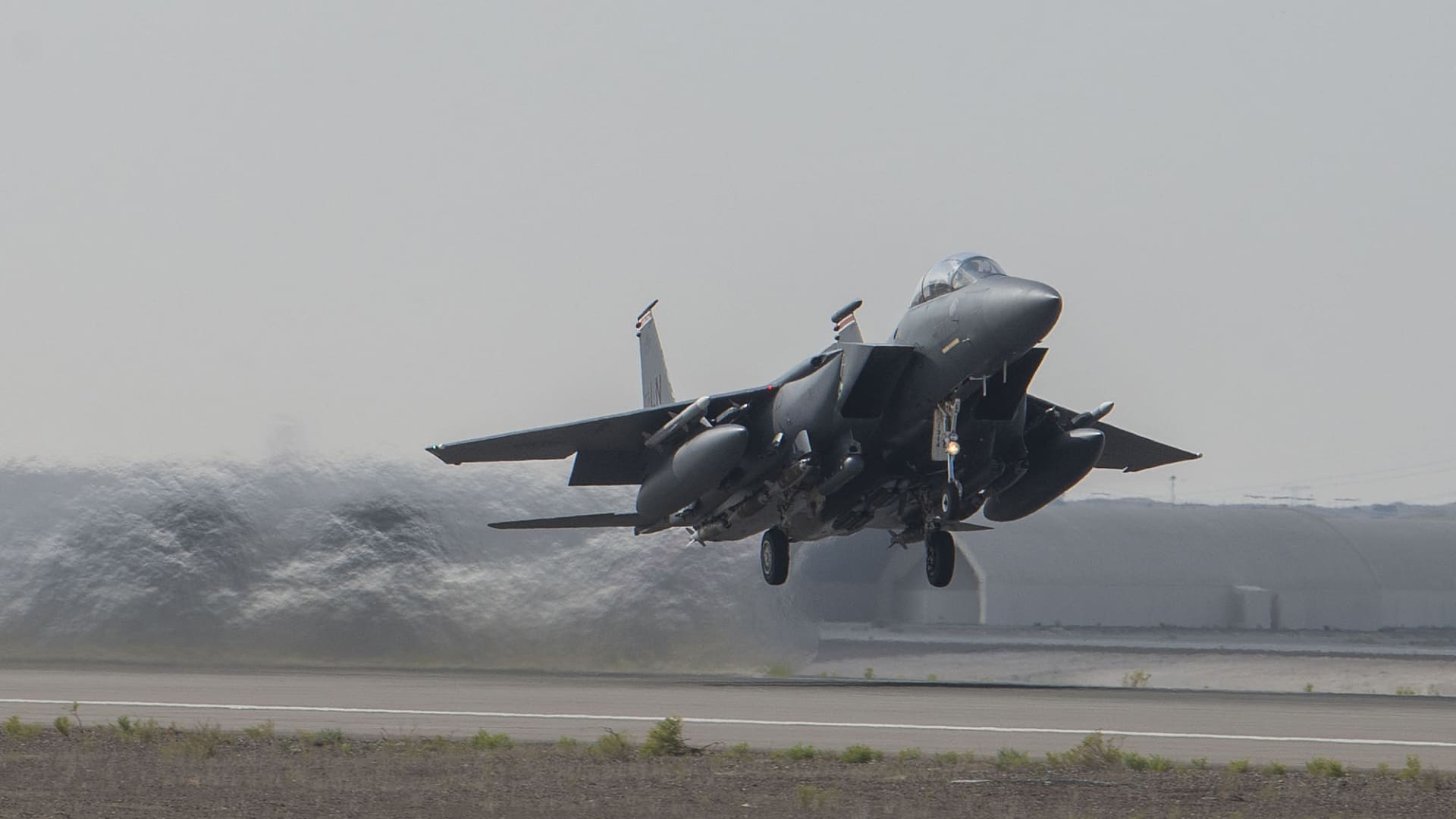
U.S. Air Force F-15E Shot Down, Successful Rescue Operation Confirmed


- Successful Rescue Operation: President Trump confirmed that two military officers missing in Iran have been rescued, showcasing the U.S. military's rapid response capabilities in complex environments and boosting public confidence in military rescue operations.
- Fighter Jet Shot Down: Iran successfully shot down a U.S. F-15E fighter jet, marking the first instance of a U.S. combat aircraft being downed since the war began, indicating an enhancement in Iran's aerial combat capabilities that could influence future military strategies.
- Oil Price Surge: The spot price for Brent crude soared to $141.36, the highest since the 2008 financial crisis, reflecting tight physical supply due to the closure of the Strait of Hormuz, which may have far-reaching implications for the global energy market.
- Trump's Pressure on Iran: Trump stated on social media that he has given Iran ten days to make a deal or open the Strait of Hormuz, demonstrating a hardline stance by the U.S. in the Middle East, which could escalate regional tensions.
See More

Global Energy Market Faces Structural Crisis Amid Middle East Conflict

- Strait of Hormuz Oil Flow Collapse: According to BofA Global Research, oil and product movements through the Strait of Hormuz have plummeted from approximately 20 million barrels per day to under 2 million barrels per day, and if this situation persists for several weeks, the global supply chain risks a breakdown reminiscent of the energy crises of the 1970s.
- Price Restructuring and Supply Deficit: Although global oil prices have not yet fully reflected the magnitude of this shock, BofA has revised its baseline forecasts, now projecting a massive 4 million barrels per day supply deficit for Q2 2026 and raising its Brent crude average forecast to $92.50 per barrel, indicating a growing divergence between producers and consumers.
- Rising Demand Rationing Risks: The lack of immediate alternatives to oil, especially in transportation and petrochemical sectors, poses significant risks of demand rationing, with BofA analysts warning that if the conflict extends beyond 2 to 4 weeks, the global oil supply chain may reach a breaking point, necessitating mandatory reductions in energy consumption to balance the market.
- Monitoring for International Intervention: Markets are closely monitoring whether emergency international intervention can restore maritime security before inventory buffers in consuming nations are completely exhausted, as the dual pressures of high energy costs and the inability to transport products create a stagflationary drag on global growth.
See More

Buffett May End Donations to Gates Foundation Over Epstein Ties

- Donation Tensions: Buffett is considering halting his annual multi-billion dollar donations to the Gates Foundation due to Gates' ties to Epstein, indicating a significant impact on the foundation's funding sources and operations.
- Friendship Breakdown: In an interview, Buffett stated he has not spoken to Gates since the Epstein revelations, suggesting their friendship may be over, which could affect the future functioning of the Gates Foundation.
- Uncertain Donation Commitment: Buffett mentioned he will “wait and see what unfolds” regarding his donations, leaving the foundation's financial future uncertain and potentially jeopardizing its charitable initiatives.
- Concerns for the Future: Buffett expressed worries about the Gates Foundation's future, emphasizing the need for clarity on the situation, which may lead to increased scrutiny and regulation of charitable organizations.
See More

Investment Opportunities in Energy Stocks

- Chevron Overview: As one of the world's largest integrated energy companies, Chevron (CVX) has raised its dividend for 39 consecutive years, currently offering a yield of 3.6%, with analysts projecting a 16% CAGR in EPS from 2025 to 2028, primarily driven by the expansion of its Tengiz Field in Kazakhstan, aiming for a production of 1 million barrels per day.
- Market Resilience: Chevron's oil and gas primarily sourced from the U.S., Kazakhstan, and Australia provides relative insulation from Middle Eastern conflicts, and rising oil prices will enhance its upstream profits, generating more cash for dividends and buybacks while improving the economics of its costly megaprojects.
- Enterprise Products Overview: Enterprise Products Partners (EPD) operates over 50,000 miles of pipelines and employs a
See More

Investment Opportunities in Chevron and Enterprise Products
- Chevron's Stable Returns: As one of the world's largest integrated companies, Chevron offers a forward yield of 3.6% and has raised its dividend for 39 consecutive years, demonstrating strong cash flow and profitability that can provide stable retirement income for investors.
- Future Growth Potential: Analysts expect Chevron's EPS to grow at a 16% CAGR from 2025 to 2028, primarily driven by the expansion of the Tengiz Field in Kazakhstan and ongoing development in the Permian Basin, which will significantly enhance its profitability.
- Enterprise Products' Resilience: Operating over 50,000 miles of pipeline, Enterprise Products employs a
See More
OPEC+ Expected to Approve Theoretical Production Increase Amid Supply Disruptions
- Production Increase Proposal: OPEC+ is expected to approve a theoretical production increase during its Sunday virtual meeting, although analysts warn this move is largely symbolic as the Strait of Hormuz has been effectively closed since late February, leaving key producers in operational paralysis.
- Supply Disruption Impact: The ongoing Iran conflict has removed an estimated 12 to 15 million barrels per day from the market, accounting for roughly 15% of global supply, marking the largest supply disruption in recorded history, even as crude prices soar to nearly $120 per barrel.
- Price Forecast Warning: JPMorgan cautioned that if the
See More
U.S. Air Force F-15E Shot Down, Successful Rescue Operation Confirmed
- Successful Rescue Operation: President Trump confirmed that two military officers missing in Iran have been rescued, showcasing the U.S. military's rapid response capabilities in complex environments and boosting public confidence in military rescue operations.
- Fighter Jet Shot Down: Iran successfully shot down a U.S. F-15E fighter jet, marking the first instance of a U.S. combat aircraft being downed since the war began, indicating an enhancement in Iran's aerial combat capabilities that could influence future military strategies.
- Oil Price Surge: The spot price for Brent crude soared to $141.36, the highest since the 2008 financial crisis, reflecting tight physical supply due to the closure of the Strait of Hormuz, which may have far-reaching implications for the global energy market.
- Trump's Pressure on Iran: Trump stated on social media that he has given Iran ten days to make a deal or open the Strait of Hormuz, demonstrating a hardline stance by the U.S. in the Middle East, which could escalate regional tensions.
See More
Global Energy Market Faces Structural Crisis Amid Middle East Conflict
- Strait of Hormuz Oil Flow Collapse: According to BofA Global Research, oil and product movements through the Strait of Hormuz have plummeted from approximately 20 million barrels per day to under 2 million barrels per day, and if this situation persists for several weeks, the global supply chain risks a breakdown reminiscent of the energy crises of the 1970s.
- Price Restructuring and Supply Deficit: Although global oil prices have not yet fully reflected the magnitude of this shock, BofA has revised its baseline forecasts, now projecting a massive 4 million barrels per day supply deficit for Q2 2026 and raising its Brent crude average forecast to $92.50 per barrel, indicating a growing divergence between producers and consumers.
- Rising Demand Rationing Risks: The lack of immediate alternatives to oil, especially in transportation and petrochemical sectors, poses significant risks of demand rationing, with BofA analysts warning that if the conflict extends beyond 2 to 4 weeks, the global oil supply chain may reach a breaking point, necessitating mandatory reductions in energy consumption to balance the market.
- Monitoring for International Intervention: Markets are closely monitoring whether emergency international intervention can restore maritime security before inventory buffers in consuming nations are completely exhausted, as the dual pressures of high energy costs and the inability to transport products create a stagflationary drag on global growth.
See More
Buffett May End Donations to Gates Foundation Over Epstein Ties
- Donation Tensions: Buffett is considering halting his annual multi-billion dollar donations to the Gates Foundation due to Gates' ties to Epstein, indicating a significant impact on the foundation's funding sources and operations.
- Friendship Breakdown: In an interview, Buffett stated he has not spoken to Gates since the Epstein revelations, suggesting their friendship may be over, which could affect the future functioning of the Gates Foundation.
- Uncertain Donation Commitment: Buffett mentioned he will “wait and see what unfolds” regarding his donations, leaving the foundation's financial future uncertain and potentially jeopardizing its charitable initiatives.
- Concerns for the Future: Buffett expressed worries about the Gates Foundation's future, emphasizing the need for clarity on the situation, which may lead to increased scrutiny and regulation of charitable organizations.
See More
Investment Opportunities in Energy Stocks
- Chevron Overview: As one of the world's largest integrated energy companies, Chevron (CVX) has raised its dividend for 39 consecutive years, currently offering a yield of 3.6%, with analysts projecting a 16% CAGR in EPS from 2025 to 2028, primarily driven by the expansion of its Tengiz Field in Kazakhstan, aiming for a production of 1 million barrels per day.
- Market Resilience: Chevron's oil and gas primarily sourced from the U.S., Kazakhstan, and Australia provides relative insulation from Middle Eastern conflicts, and rising oil prices will enhance its upstream profits, generating more cash for dividends and buybacks while improving the economics of its costly megaprojects.
- Enterprise Products Overview: Enterprise Products Partners (EPD) operates over 50,000 miles of pipelines and employs a
See More
Investment Opportunities in Chevron and Enterprise Products
- Chevron's Stable Returns: As one of the world's largest integrated companies, Chevron offers a forward yield of 3.6% and has raised its dividend for 39 consecutive years, demonstrating strong cash flow and profitability that can provide stable retirement income for investors.
- Future Growth Potential: Analysts expect Chevron's EPS to grow at a 16% CAGR from 2025 to 2028, primarily driven by the expansion of the Tengiz Field in Kazakhstan and ongoing development in the Permian Basin, which will significantly enhance its profitability.
- Enterprise Products' Resilience: Operating over 50,000 miles of pipeline, Enterprise Products employs a
See More