Chevron Stock Soars Amid Strong Oil Prices and Low Production Costs
Written by Emily J. Thompson, Senior Investment Analyst
Updated: Feb 27 2026
0mins
Should l Buy CVX?
Source: NASDAQ.COM
- Strong Stock Performance: Chevron's stock has surged 21.6% year-to-date, currently hovering around $185 per share and nearing the $200 milestone, reflecting robust market performance amid rising oil prices and increased investor confidence in the energy sector.
- Enhanced Profitability: Chevron has reduced its production costs to $50 per barrel of Brent crude through technological advancements, ensuring operational sustainability and dividend support even in low-price environments, with free cash flow reaching $16.5 billion in 2025, showcasing its financial resilience.
- International Expansion Strategy: Chevron's production increased from 3.34 million barrels per day in 2024 to 3.72 million in 2025, driven by investments in offshore Guyana and onshore Venezuela, along with the acquisition of Hess, which are expected to further boost earnings and cash flow.
- Consistent Dividend Returns: With 38 consecutive years of dividend increases and a current yield of 3.8%, Chevron remains a solid choice for income investors despite its rising stock price, demonstrating the company's strong commitment to shareholder returns.
Trade with 70% Backtested Accuracy
Stop guessing "Should I Buy CVX?" and start using high-conviction signals backed by rigorous historical data.
Sign up today to access powerful investing tools and make smarter, data-driven decisions.
Analyst Views on CVX
Wall Street analysts forecast CVX stock price to fall
19 Analyst Rating
15 Buy
4 Hold
0 Sell
Strong Buy
Current: 197.410

Low
158.00
Averages
176.95
High
206.00
Current: 197.410
Low
158.00
Averages
176.95
High
206.00
About CVX
Chevron Corporation is an integrated energy company. The Company produces crude oil and natural gas; manufactures transportation fuels, lubricants, petrochemicals and additives; and develops technologies that enhance its business and industry. The Company’s segments include Upstream and Downstream. Upstream operations consist primarily of exploring for, developing, producing and transporting crude oil and natural gas; liquefaction, transportation and regasification associated with LNG; transporting crude oil by major international oil export pipelines; processing, transporting, storage and marketing of natural gas; carbon capture and storage; and a gas-to-liquids plant. Downstream operations consist primarily of the refining of crude oil into petroleum products; marketing crude oil, refined products, and lubricants; manufacturing and marketing of renewable fuels, and transporting of crude oil and refined products by pipeline, marine vessel, motor equipment and rail car.
About the author

Emily J. Thompson
Emily J. Thompson, a Chartered Financial Analyst (CFA) with 12 years in investment research, graduated with honors from the Wharton School. Specializing in industrial and technology stocks, she provides in-depth analysis for Intellectia’s earnings and market brief reports.
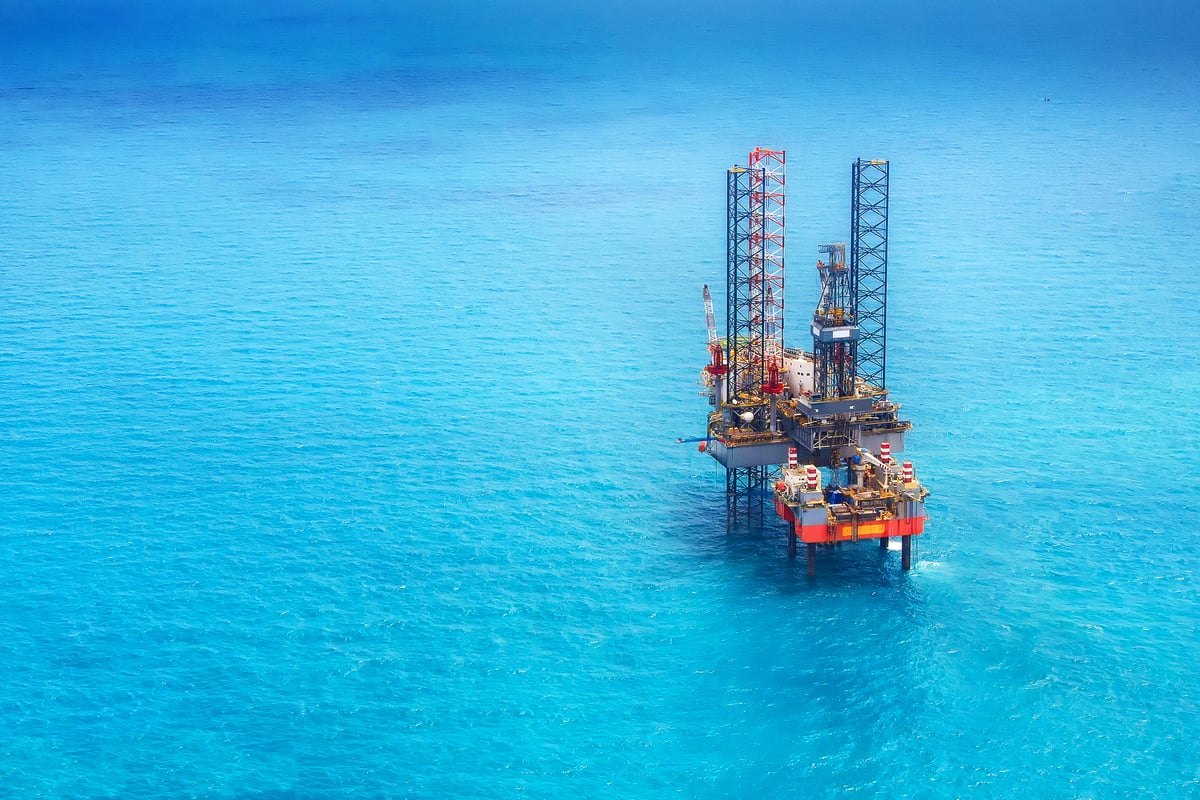
Chevron Benefits from Soaring Oil Prices Amid Middle East Crisis

- Oil Price Surge Context: Brent and West Texas Intermediate crude oil prices are nearing their highest levels in a decade, primarily due to the conflict between the U.S./Israeli alliance and Iran, which has led to skyrocketing oil prices, making Chevron, the world's third-largest energy company, a significant beneficiary of this crisis due to its close correlation with oil prices.
- Strong Profitability: Despite oil prices exceeding $100 per barrel, Chevron maintains high profitability with a breakeven level below $50 per barrel, demonstrating flexibility in capital expenditures and dividend payments, having recently increased its dividend for the 39th consecutive year.
- Cost Control and Growth Outlook: Chevron achieved $1.5 billion in cost reductions in 2025 and plans to lower capital expenditures for 2026, while also expecting to cut costs by another $3 billion to $4 billion this year, driving an anticipated average annual earnings-per-share growth of at least 10%, indicating robust earnings growth potential.
- Market Leadership Position: Chevron ranks as the leading natural gas producer in the U.S. and holds a dominant position in the Gulf of Mexico, with significant oil production potential in Guyana due to the acquisition of Hess, and is poised to capitalize on newly opened opportunities in Venezuela, further solidifying its market position.
See More
Iran War Drives Oil Prices Up, Chevron's Outlook Bullish
- Oil Price Surge: The war in Iran has caused Brent crude prices to soar over 75% this year, recently surpassing $100 a barrel, and if the conflict persists, prices could rise further, positively impacting oil companies like Chevron.
- Chevron's Stock Lag: Although Chevron's stock has risen about 40% this year, it has not kept pace with crude oil prices due to market expectations of an end to the war and falling oil prices, leading to cautious investor sentiment regarding its future performance.
- Capital Spending Strategy Shift: Chevron has set its 2026 capital spending budget at $18 to $19 billion, focusing on high-return opportunities, and if the war escalates and damages more energy infrastructure, it is expected to increase investments in U.S. shale to quickly address global supply shortages.
- Future Cash Flow Expectations: Chevron anticipates generating an additional $12.5 billion in free cash flow this year at $70 oil, driven by expansion projects and cost-saving initiatives, which will further enhance its financial performance and market competitiveness if high oil prices persist.
See More
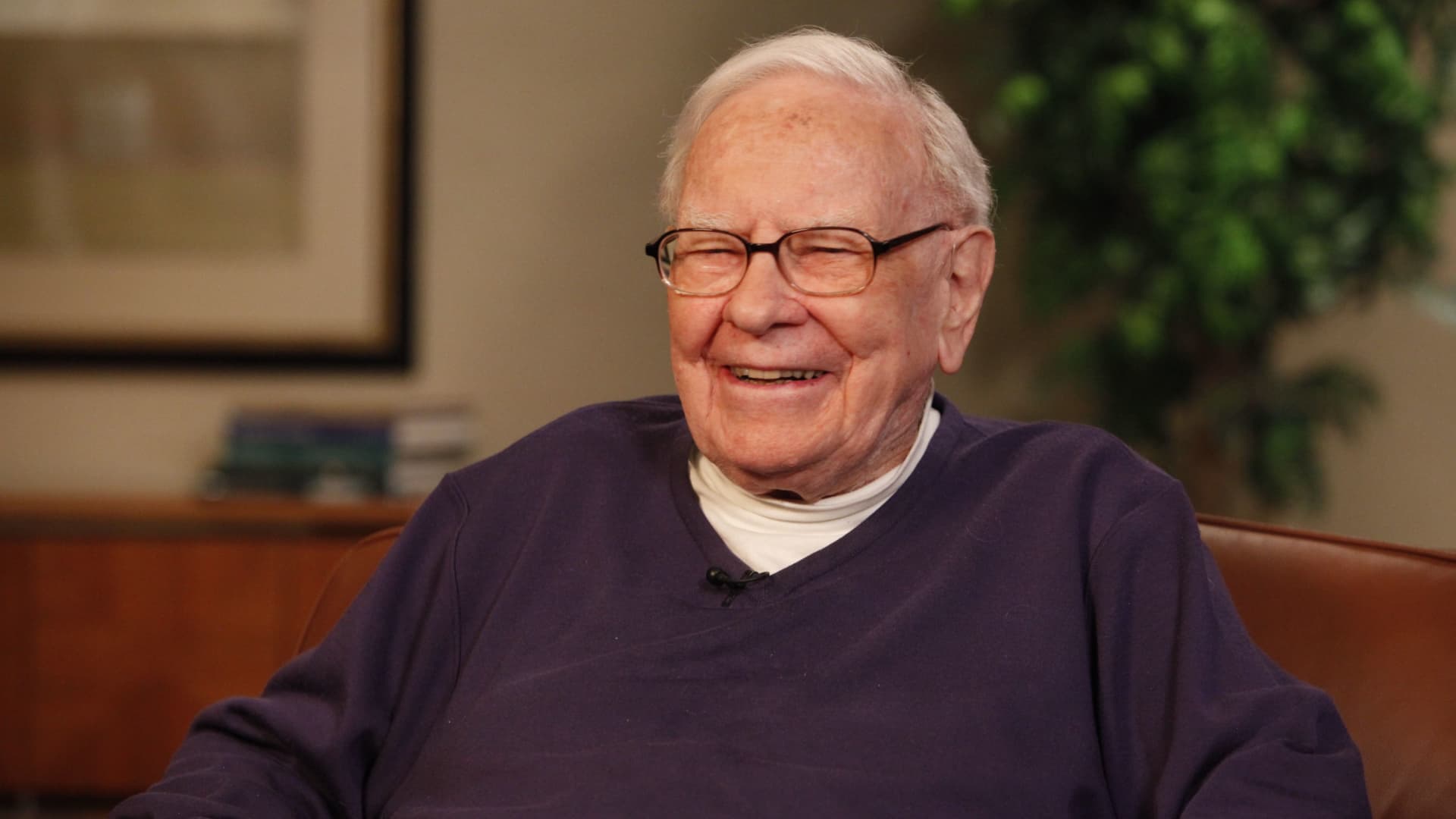
Buffett May End Donations to Gates Foundation Over Epstein Ties


- Donation Tensions: Buffett is considering halting his annual multi-billion dollar donations to the Gates Foundation due to Gates' ties to Epstein, indicating a significant impact on the foundation's funding sources and operations.
- Friendship Breakdown: In an interview, Buffett stated he has not spoken to Gates since the Epstein revelations, suggesting their friendship may be over, which could affect the future functioning of the Gates Foundation.
- Uncertain Donation Commitment: Buffett mentioned he will “wait and see what unfolds” regarding his donations, leaving the foundation's financial future uncertain and potentially jeopardizing its charitable initiatives.
- Concerns for the Future: Buffett expressed worries about the Gates Foundation's future, emphasizing the need for clarity on the situation, which may lead to increased scrutiny and regulation of charitable organizations.
See More

Investment Opportunities in Energy Stocks

- Chevron Overview: As one of the world's largest integrated energy companies, Chevron (CVX) has raised its dividend for 39 consecutive years, currently offering a yield of 3.6%, with analysts projecting a 16% CAGR in EPS from 2025 to 2028, primarily driven by the expansion of its Tengiz Field in Kazakhstan, aiming for a production of 1 million barrels per day.
- Market Resilience: Chevron's oil and gas primarily sourced from the U.S., Kazakhstan, and Australia provides relative insulation from Middle Eastern conflicts, and rising oil prices will enhance its upstream profits, generating more cash for dividends and buybacks while improving the economics of its costly megaprojects.
- Enterprise Products Overview: Enterprise Products Partners (EPD) operates over 50,000 miles of pipelines and employs a
See More

Investment Opportunities in Chevron and Enterprise Products
- Chevron's Stable Returns: As one of the world's largest integrated companies, Chevron offers a forward yield of 3.6% and has raised its dividend for 39 consecutive years, demonstrating strong cash flow and profitability that can provide stable retirement income for investors.
- Future Growth Potential: Analysts expect Chevron's EPS to grow at a 16% CAGR from 2025 to 2028, primarily driven by the expansion of the Tengiz Field in Kazakhstan and ongoing development in the Permian Basin, which will significantly enhance its profitability.
- Enterprise Products' Resilience: Operating over 50,000 miles of pipeline, Enterprise Products employs a
See More

Private Jet Travel Faces Challenges Amid Soaring Fuel Prices

- Fuel Price Surge Impact: The Iran war has driven jet fuel prices to an average of $4.65 per gallon globally, significantly increasing private flight costs, with Vimana recently booking a $520,000 flight from Dubai to London, up from $400,000 in 2023, reflecting a 30% increase.
- Rising Flight Prices: Since the onset of the Iran conflict, jet charter prices have surged by an average of 5% to 15%, with some flights experiencing increases of up to 20%, leading affluent travelers to face unexpected fees, although they are generally less sensitive to price fluctuations.
- Steady Market Demand: Despite soaring fuel prices, the private flying market remains robust, with WingX reporting a 5% year-over-year increase in flights for the week ending March 22, and Flexjet noting a 15% rise in utilization among fractional owners, indicating sustained demand from high-net-worth clients.
- Airlines' Response Strategies: Some operators are mitigating costs by refueling in countries with cheaper fuel, even if it results in longer flight times; however, clients continue to prefer private flights to avoid long airport lines, especially during disruptions caused by government shutdowns.
See More
Chevron Benefits from Soaring Oil Prices Amid Middle East Crisis
- Oil Price Surge Context: Brent and West Texas Intermediate crude oil prices are nearing their highest levels in a decade, primarily due to the conflict between the U.S./Israeli alliance and Iran, which has led to skyrocketing oil prices, making Chevron, the world's third-largest energy company, a significant beneficiary of this crisis due to its close correlation with oil prices.
- Strong Profitability: Despite oil prices exceeding $100 per barrel, Chevron maintains high profitability with a breakeven level below $50 per barrel, demonstrating flexibility in capital expenditures and dividend payments, having recently increased its dividend for the 39th consecutive year.
- Cost Control and Growth Outlook: Chevron achieved $1.5 billion in cost reductions in 2025 and plans to lower capital expenditures for 2026, while also expecting to cut costs by another $3 billion to $4 billion this year, driving an anticipated average annual earnings-per-share growth of at least 10%, indicating robust earnings growth potential.
- Market Leadership Position: Chevron ranks as the leading natural gas producer in the U.S. and holds a dominant position in the Gulf of Mexico, with significant oil production potential in Guyana due to the acquisition of Hess, and is poised to capitalize on newly opened opportunities in Venezuela, further solidifying its market position.
See More
Iran War Drives Oil Prices Up, Chevron's Outlook Bullish
- Oil Price Surge: The war in Iran has caused Brent crude prices to soar over 75% this year, recently surpassing $100 a barrel, and if the conflict persists, prices could rise further, positively impacting oil companies like Chevron.
- Chevron's Stock Lag: Although Chevron's stock has risen about 40% this year, it has not kept pace with crude oil prices due to market expectations of an end to the war and falling oil prices, leading to cautious investor sentiment regarding its future performance.
- Capital Spending Strategy Shift: Chevron has set its 2026 capital spending budget at $18 to $19 billion, focusing on high-return opportunities, and if the war escalates and damages more energy infrastructure, it is expected to increase investments in U.S. shale to quickly address global supply shortages.
- Future Cash Flow Expectations: Chevron anticipates generating an additional $12.5 billion in free cash flow this year at $70 oil, driven by expansion projects and cost-saving initiatives, which will further enhance its financial performance and market competitiveness if high oil prices persist.
See More
Buffett May End Donations to Gates Foundation Over Epstein Ties
- Donation Tensions: Buffett is considering halting his annual multi-billion dollar donations to the Gates Foundation due to Gates' ties to Epstein, indicating a significant impact on the foundation's funding sources and operations.
- Friendship Breakdown: In an interview, Buffett stated he has not spoken to Gates since the Epstein revelations, suggesting their friendship may be over, which could affect the future functioning of the Gates Foundation.
- Uncertain Donation Commitment: Buffett mentioned he will “wait and see what unfolds” regarding his donations, leaving the foundation's financial future uncertain and potentially jeopardizing its charitable initiatives.
- Concerns for the Future: Buffett expressed worries about the Gates Foundation's future, emphasizing the need for clarity on the situation, which may lead to increased scrutiny and regulation of charitable organizations.
See More
Investment Opportunities in Energy Stocks
- Chevron Overview: As one of the world's largest integrated energy companies, Chevron (CVX) has raised its dividend for 39 consecutive years, currently offering a yield of 3.6%, with analysts projecting a 16% CAGR in EPS from 2025 to 2028, primarily driven by the expansion of its Tengiz Field in Kazakhstan, aiming for a production of 1 million barrels per day.
- Market Resilience: Chevron's oil and gas primarily sourced from the U.S., Kazakhstan, and Australia provides relative insulation from Middle Eastern conflicts, and rising oil prices will enhance its upstream profits, generating more cash for dividends and buybacks while improving the economics of its costly megaprojects.
- Enterprise Products Overview: Enterprise Products Partners (EPD) operates over 50,000 miles of pipelines and employs a
See More
Investment Opportunities in Chevron and Enterprise Products
- Chevron's Stable Returns: As one of the world's largest integrated companies, Chevron offers a forward yield of 3.6% and has raised its dividend for 39 consecutive years, demonstrating strong cash flow and profitability that can provide stable retirement income for investors.
- Future Growth Potential: Analysts expect Chevron's EPS to grow at a 16% CAGR from 2025 to 2028, primarily driven by the expansion of the Tengiz Field in Kazakhstan and ongoing development in the Permian Basin, which will significantly enhance its profitability.
- Enterprise Products' Resilience: Operating over 50,000 miles of pipeline, Enterprise Products employs a
See More
Private Jet Travel Faces Challenges Amid Soaring Fuel Prices
- Fuel Price Surge Impact: The Iran war has driven jet fuel prices to an average of $4.65 per gallon globally, significantly increasing private flight costs, with Vimana recently booking a $520,000 flight from Dubai to London, up from $400,000 in 2023, reflecting a 30% increase.
- Rising Flight Prices: Since the onset of the Iran conflict, jet charter prices have surged by an average of 5% to 15%, with some flights experiencing increases of up to 20%, leading affluent travelers to face unexpected fees, although they are generally less sensitive to price fluctuations.
- Steady Market Demand: Despite soaring fuel prices, the private flying market remains robust, with WingX reporting a 5% year-over-year increase in flights for the week ending March 22, and Flexjet noting a 15% rise in utilization among fractional owners, indicating sustained demand from high-net-worth clients.
- Airlines' Response Strategies: Some operators are mitigating costs by refueling in countries with cheaper fuel, even if it results in longer flight times; however, clients continue to prefer private flights to avoid long airport lines, especially during disruptions caused by government shutdowns.
See More