Chevron Shares Drop as Oil Prices Fall Below $100
Written by Emily J. Thompson, Senior Investment Analyst
Updated: 4 hours ago
0mins
Should l Buy CVX?
Source: NASDAQ.COM
- Stock Decline: As of 11:30 a.m., Chevron (NYSE: CVX) shares fell by 4.6% primarily due to oil prices dipping below $100 per barrel, prompting investor sell-offs and reflecting diminished expectations for rising energy prices.
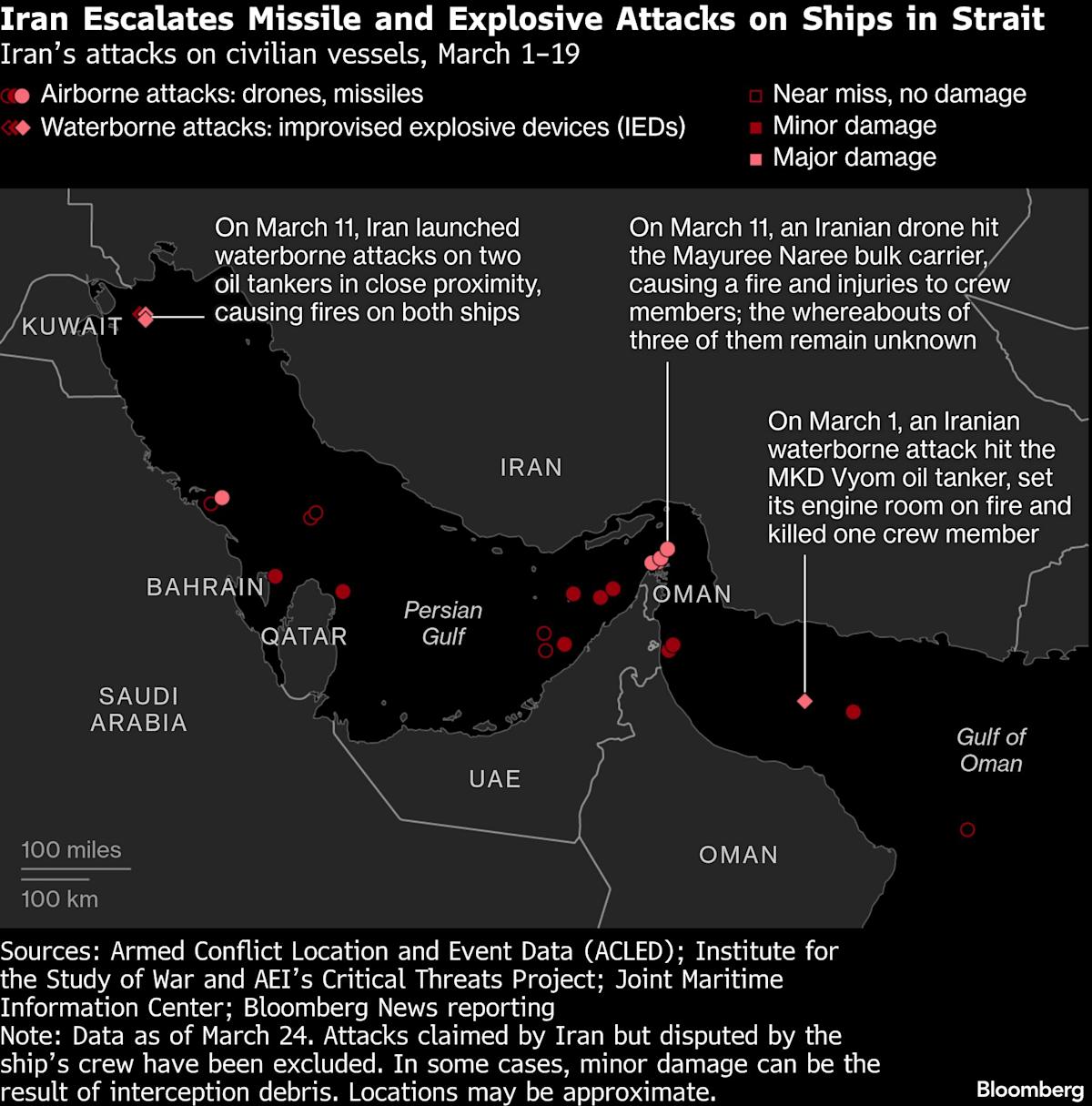
- Geopolitical Impact: The Strait of Hormuz remains almost entirely closed, and despite President Trump's suggestion that U.S. attacks on Iran may conclude in the coming weeks, the timeline for repairing energy infrastructure is uncertain, potentially leading to long-term impacts on global energy supply.
- Market Outlook: With the Strait closed, Chevron stands to benefit not only from rising oil prices but also from increased crack spreads, positioning the company favorably in the energy sector, where investors can expect sustained high oil prices.
- Investment Advice: While Chevron is considered one of the top 10 stocks to buy, analysts have identified another set of 10 stocks that may yield higher returns, suggesting that investors should carefully evaluate their options before making investment decisions.
Trade with 70% Backtested Accuracy
Stop guessing "Should I Buy CVX?" and start using high-conviction signals backed by rigorous historical data.
Sign up today to access powerful investing tools and make smarter, data-driven decisions.
Analyst Views on CVX
Wall Street analysts forecast CVX stock price to fall
19 Analyst Rating
15 Buy
4 Hold
0 Sell
Strong Buy
Current: 206.900

Low
158.00
Averages
176.95
High
206.00
Current: 206.900
Low
158.00
Averages
176.95
High
206.00
About CVX
Chevron Corporation is an integrated energy company. The Company produces crude oil and natural gas; manufactures transportation fuels, lubricants, petrochemicals and additives; and develops technologies that enhance its business and industry. The Company’s segments include Upstream and Downstream. Upstream operations consist primarily of exploring for, developing, producing and transporting crude oil and natural gas; liquefaction, transportation and regasification associated with LNG; transporting crude oil by major international oil export pipelines; processing, transporting, storage and marketing of natural gas; carbon capture and storage; and a gas-to-liquids plant. Downstream operations consist primarily of the refining of crude oil into petroleum products; marketing crude oil, refined products, and lubricants; manufacturing and marketing of renewable fuels, and transporting of crude oil and refined products by pipeline, marine vessel, motor equipment and rail car.
About the author

Emily J. Thompson
Emily J. Thompson, a Chartered Financial Analyst (CFA) with 12 years in investment research, graduated with honors from the Wharton School. Specializing in industrial and technology stocks, she provides in-depth analysis for Intellectia’s earnings and market brief reports.

Chevron Positioned to Profit from Rising Oil Prices

- Oil Price Surge: Brent crude oil prices have soared past $100 a barrel, reaching their highest level since 2022, with further increases expected, benefiting energy stocks like Chevron, which is well-positioned to capitalize on high oil prices.
- Cash Flow Growth: Chevron anticipates generating $10 billion in incremental free cash flow in 2023, assuming an average oil price of $70 per barrel, while the Hess merger will contribute an additional $2.5 billion, totaling $12.5 billion in cash flow that will significantly enhance the company's financial health.
- Increased Shareholder Returns: Last year, Chevron returned a record $27 billion to shareholders through dividends and stock buybacks, and it is expected to continue raising dividends this year while repurchasing shares within its $10 billion to $20 billion target range, further enhancing shareholder value.
- Market Advantage: Chevron's massive global scale and low-cost resources allow it to reap substantial benefits from rising energy prices, with every $1 change in oil prices impacting its annual earnings and cash flow by $600 million, demonstrating its strong resilience against future market fluctuations.
See More

Chevron's Acquisition of Hess Boosts Cash Flow Significantly
- Impact of Hess Acquisition: Chevron's completion of the Hess acquisition in 2025 is expected to add $2.5 billion annually to its cash flow, further solidifying its market position in a high oil price environment.
- Free Cash Flow Expectations: The company anticipates generating $10 billion in incremental free cash flow in 2026, assuming Brent oil averages $70 per barrel, which will significantly enhance its financial health.
- Earnings Sensitivity to Oil Prices: A $1 change in Brent oil prices will increase Chevron's annual earnings and cash flow by $600 million, while a $1 change in LNG prices will add $150 million, demonstrating its high sensitivity to energy price fluctuations.
- Shareholder Return Strategy: Chevron returned a record $27 billion to shareholders last year through dividends and stock buybacks, and it is expected to continue repurchasing shares within its $10 billion to $20 billion annual target range, further boosting shareholder confidence.
See More

U.S. Stocks Rise on Easing War Fears and Falling Oil Prices
- Market Recovery: The S&P 500 rose by 0.72% to 6,575.32, while the Nasdaq Composite climbed 1.16% to 21,840.95, reflecting optimism over easing Iran war fears, although the S&P 500 is still down 4% year-to-date.
- Semiconductor Strength: Micron Technology surged 8.96% and Intel increased by 8.78%, with Intel announcing a buyback of its stake in an Irish chip plant, boosting confidence in the semiconductor sector.
- Airline Stock Resurgence: American Airlines Group and Delta Air Lines gained 3.63% and 2.17%, respectively, indicating a cautious return of investor confidence in travel stocks despite ongoing market uncertainties.
- Energy Stock Volatility: Occidental Petroleum and Chevron fell by 4.17% and 4.59%, respectively, yet both have seen significant gains this year; oil prices dipped below $100 intraday, closing down nearly 15%, which may exert inflationary pressure on the stock market.
See More

U.S. Stocks Rise as Iran War Fears Ease
- Market Rally: The S&P 500 rose by 0.72% to 6,575.32, and the Nasdaq Composite climbed 1.16% to 21,840.95, reflecting optimism as fears over the Iran war eased.
- Semiconductor Strength: Micron Technology and Intel saw significant gains, with Intel announcing a buyback of its stake in an Irish chip plant, reinforcing its competitive position in the industry.
- Airline Stocks Recovery: American Airlines Group and Delta Air Lines finished in the green, indicating a cautious return of investor confidence in travel stocks, despite ongoing market uncertainties.
- Energy Stock Volatility: While Occidental Petroleum and Chevron experienced sharp declines, they have surged significantly this year, highlighting ongoing market concerns regarding energy prices.
See More

Wall Street Indexes Rise, Led by Tech Stocks Amid Optimism

- Tech Sector Leads Gains: The Nasdaq Composite rose by 1.1%, while the S&P 500 and Dow Jones increased by 0.7% and 0.4%, respectively, reflecting renewed investor confidence amid optimism over a potential resolution to the Iran conflict.
- Estée Lauder Merger Talks: Estée Lauder's shares fell 1.5% as it advances discussions with Spanish beauty group Puig Brands SA for a mainly stock deal, which could be announced in weeks; if successful, Puig's Executive Chairman Marc Puig would join the board to facilitate integration.
- Shake Shack's Tech Initiative: Shake Shack's stock increased by 2.4% following the announcement of Project Catalyst, a comprehensive initiative aimed at modernizing restaurant systems, launching a loyalty program, and deploying AI to enhance operational efficiencies, with the CEO emphasizing the importance of building a solid foundation for growth.
- Chevron and Microsoft Collaboration: Chevron confirmed an exclusivity agreement with Microsoft and investment fund Engine No. 1 for a proposed $7 billion power generation project in West Texas, expected to initially generate 2,500 MW of electricity to power a large data center campus.
See More
Chevron Enters Exclusivity Agreement with Microsoft for Power Generation
- Exclusivity Agreement: Chevron has entered into an exclusivity agreement with Microsoft and investment fund Engine No. 1 to negotiate a proposed power generation and electricity offtake arrangement, although no commercial terms or definitive agreements have been finalized, indicating a strategic collaboration in the energy sector.
- Large-Scale Project: According to Bloomberg, Microsoft plans to build a natural gas-fired power plant in West Texas with an estimated cost of $7 billion, initially generating 2,500 MW of electricity to power a large data center campus, reflecting the intense competition Microsoft faces in the artificial intelligence space.
- Data Center Expansion: Microsoft increased its AI capacity by 80% last year and plans to double its data center footprint over the next two years, with access to reliable baseload power being a key challenge, which the Chevron and Engine No. 1 partnership aims to address effectively.
- Cautious Future Outlook: Chevron stated that while exclusive negotiations are ongoing and certain conditions must be met for definitive agreements, the parties do not intend to comment further during this period, reflecting a cautious approach towards future collaboration.
See More
Chevron Positioned to Profit from Rising Oil Prices
- Oil Price Surge: Brent crude oil prices have soared past $100 a barrel, reaching their highest level since 2022, with further increases expected, benefiting energy stocks like Chevron, which is well-positioned to capitalize on high oil prices.
- Cash Flow Growth: Chevron anticipates generating $10 billion in incremental free cash flow in 2023, assuming an average oil price of $70 per barrel, while the Hess merger will contribute an additional $2.5 billion, totaling $12.5 billion in cash flow that will significantly enhance the company's financial health.
- Increased Shareholder Returns: Last year, Chevron returned a record $27 billion to shareholders through dividends and stock buybacks, and it is expected to continue raising dividends this year while repurchasing shares within its $10 billion to $20 billion target range, further enhancing shareholder value.
- Market Advantage: Chevron's massive global scale and low-cost resources allow it to reap substantial benefits from rising energy prices, with every $1 change in oil prices impacting its annual earnings and cash flow by $600 million, demonstrating its strong resilience against future market fluctuations.
See More
Chevron's Acquisition of Hess Boosts Cash Flow Significantly
- Impact of Hess Acquisition: Chevron's completion of the Hess acquisition in 2025 is expected to add $2.5 billion annually to its cash flow, further solidifying its market position in a high oil price environment.
- Free Cash Flow Expectations: The company anticipates generating $10 billion in incremental free cash flow in 2026, assuming Brent oil averages $70 per barrel, which will significantly enhance its financial health.
- Earnings Sensitivity to Oil Prices: A $1 change in Brent oil prices will increase Chevron's annual earnings and cash flow by $600 million, while a $1 change in LNG prices will add $150 million, demonstrating its high sensitivity to energy price fluctuations.
- Shareholder Return Strategy: Chevron returned a record $27 billion to shareholders last year through dividends and stock buybacks, and it is expected to continue repurchasing shares within its $10 billion to $20 billion annual target range, further boosting shareholder confidence.
See More
U.S. Stocks Rise on Easing War Fears and Falling Oil Prices
- Market Recovery: The S&P 500 rose by 0.72% to 6,575.32, while the Nasdaq Composite climbed 1.16% to 21,840.95, reflecting optimism over easing Iran war fears, although the S&P 500 is still down 4% year-to-date.
- Semiconductor Strength: Micron Technology surged 8.96% and Intel increased by 8.78%, with Intel announcing a buyback of its stake in an Irish chip plant, boosting confidence in the semiconductor sector.
- Airline Stock Resurgence: American Airlines Group and Delta Air Lines gained 3.63% and 2.17%, respectively, indicating a cautious return of investor confidence in travel stocks despite ongoing market uncertainties.
- Energy Stock Volatility: Occidental Petroleum and Chevron fell by 4.17% and 4.59%, respectively, yet both have seen significant gains this year; oil prices dipped below $100 intraday, closing down nearly 15%, which may exert inflationary pressure on the stock market.
See More
U.S. Stocks Rise as Iran War Fears Ease
- Market Rally: The S&P 500 rose by 0.72% to 6,575.32, and the Nasdaq Composite climbed 1.16% to 21,840.95, reflecting optimism as fears over the Iran war eased.
- Semiconductor Strength: Micron Technology and Intel saw significant gains, with Intel announcing a buyback of its stake in an Irish chip plant, reinforcing its competitive position in the industry.
- Airline Stocks Recovery: American Airlines Group and Delta Air Lines finished in the green, indicating a cautious return of investor confidence in travel stocks, despite ongoing market uncertainties.
- Energy Stock Volatility: While Occidental Petroleum and Chevron experienced sharp declines, they have surged significantly this year, highlighting ongoing market concerns regarding energy prices.
See More
Wall Street Indexes Rise, Led by Tech Stocks Amid Optimism
- Tech Sector Leads Gains: The Nasdaq Composite rose by 1.1%, while the S&P 500 and Dow Jones increased by 0.7% and 0.4%, respectively, reflecting renewed investor confidence amid optimism over a potential resolution to the Iran conflict.
- Estée Lauder Merger Talks: Estée Lauder's shares fell 1.5% as it advances discussions with Spanish beauty group Puig Brands SA for a mainly stock deal, which could be announced in weeks; if successful, Puig's Executive Chairman Marc Puig would join the board to facilitate integration.
- Shake Shack's Tech Initiative: Shake Shack's stock increased by 2.4% following the announcement of Project Catalyst, a comprehensive initiative aimed at modernizing restaurant systems, launching a loyalty program, and deploying AI to enhance operational efficiencies, with the CEO emphasizing the importance of building a solid foundation for growth.
- Chevron and Microsoft Collaboration: Chevron confirmed an exclusivity agreement with Microsoft and investment fund Engine No. 1 for a proposed $7 billion power generation project in West Texas, expected to initially generate 2,500 MW of electricity to power a large data center campus.
See More
Chevron Enters Exclusivity Agreement with Microsoft for Power Generation
- Exclusivity Agreement: Chevron has entered into an exclusivity agreement with Microsoft and investment fund Engine No. 1 to negotiate a proposed power generation and electricity offtake arrangement, although no commercial terms or definitive agreements have been finalized, indicating a strategic collaboration in the energy sector.
- Large-Scale Project: According to Bloomberg, Microsoft plans to build a natural gas-fired power plant in West Texas with an estimated cost of $7 billion, initially generating 2,500 MW of electricity to power a large data center campus, reflecting the intense competition Microsoft faces in the artificial intelligence space.
- Data Center Expansion: Microsoft increased its AI capacity by 80% last year and plans to double its data center footprint over the next two years, with access to reliable baseload power being a key challenge, which the Chevron and Engine No. 1 partnership aims to address effectively.
- Cautious Future Outlook: Chevron stated that while exclusive negotiations are ongoing and certain conditions must be met for definitive agreements, the parties do not intend to comment further during this period, reflecting a cautious approach towards future collaboration.
See More