

Chart Industries reveals CEO Evanko will resign from his position
Written by Emily J. Thompson, Senior Investment Analyst
Updated: Nov 17 2025
0mins

Leadership Change: Jill Evanko, President and CEO of Chart Industries, will resign from her roles to pursue a new executive opportunity at a private company, effective early 2026.
Interim Leadership: The Board of Directors plans to appoint an interim CEO from within the organization following Evanko's departure.
Continued Involvement: Evanko will remain with Chart as a senior advisor until the completion of the company's acquisition by Baker Hughes.
Acquisition Context: The leadership transition occurs in the context of Chart Industries' pending acquisition by Baker Hughes, highlighting ongoing changes within the company.
Trade with 70% Backtested Accuracy
Stop guessing "Should I Buy BKR?" and start using high-conviction signals backed by rigorous historical data.
Sign up today to access powerful investing tools and make smarter, data-driven decisions.
Analyst Views on BKR
Wall Street analysts forecast BKR stock price to rise
13 Analyst Rating
12 Buy
1 Hold
0 Sell
Strong Buy
Current: 56.310

Low
52.00
Averages
61.54
High
67.00
Current: 56.310
Low
52.00
Averages
61.54
High
67.00
About BKR
Baker Hughes Company is an energy technology company that provides solutions to energy and industrial customers worldwide. The Company's segments include Oilfield Services & Equipment (OFSE) and Industrial & Energy Technology (IET). OFSE segment provides products and services for onshore and offshore oilfield operations across the lifecycle of a well, ranging from exploration, appraisal, and development, to production, rejuvenation, and decommissioning. OFSE segment is organized into four product lines: Well Construction; Completions, Intervention, and Measurements; Production Solutions, and Subsea. IET segment provides technology solutions and services for mechanical-drive, compression and power-generation applications across the energy industry including oil and gas, liquefied natural gas operations, downstream refining, and petrochemical markets, as well as lower carbon solutions to broader energy and industrial sectors. IET segment also provides equipment, software, and services.
About the author

Emily J. Thompson
Emily J. Thompson, a Chartered Financial Analyst (CFA) with 12 years in investment research, graduated with honors from the Wharton School. Specializing in industrial and technology stocks, she provides in-depth analysis for Intellectia’s earnings and market brief reports.

Baker Hughes to Announce Q2 2026 Results
- Earnings Announcement Schedule: Baker Hughes will release its Q2 2026 earnings report on July 26, 2026, at 5 p.m. ET, which is expected to provide critical financial data and operational performance insights, aiding investors in assessing the company's financial health.
- Webcast Timing: Following the earnings release, Baker Hughes will host a webcast on July 27, 2026, at 9:30 a.m. ET, where management will discuss the earnings report and answer investor questions, enhancing transparency and investor confidence.
- Access Method: Investors can access the webcast via the Baker Hughes website, ensuring timely information delivery and convenient access, further improving interaction between the company and its investors.
- Company Background: Baker Hughes is a global energy technology company operating in over 120 countries, dedicated to providing safe, clean, and efficient energy solutions, showcasing its leadership and innovation in the energy sector.
See More
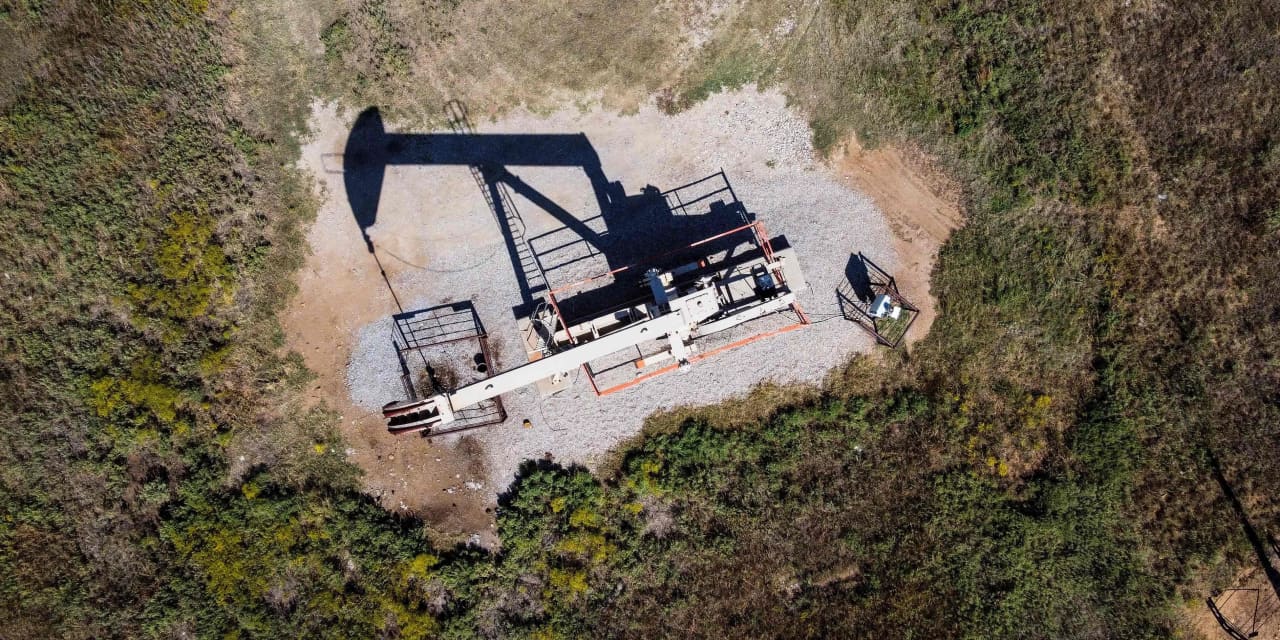
Baker Hughes Secures Major Contract for Angola's Greater PAJ Development
- Significant Contract Award: Baker Hughes (BKR) announced on Thursday that it has secured a 'significant' contract from the Eni-BP joint venture Azule Energy to provide subsea production systems for the Greater PAJ development, reinforcing its role in one of Angola's largest new deepwater projects.
- Scope of Equipment Supply: The contract encompasses the supply of deepwater horizontal subsea tree systems, subsea control modules, intervention workover control systems, and associated connection, distribution, and topside equipment, along with installation, commissioning, and production support services, showcasing Baker Hughes' comprehensive service capabilities in Angola.
- Project Overview: The Greater PAJ is a greenfield ultra-deepwater development spanning Blocks 31 and 31/21 offshore Angola, expected to commence first oil production in 2029 via a new floating production, storage, and offloading vessel designed to process up to 95,000 barrels per day.
- Utilization of Manufacturing Capabilities: Baker Hughes stated that the project will leverage its existing manufacturing and service capabilities in Angola, where it maintains the largest installed subsea equipment base in Sub-Saharan Africa, further enhancing its competitive position in the market.
See More
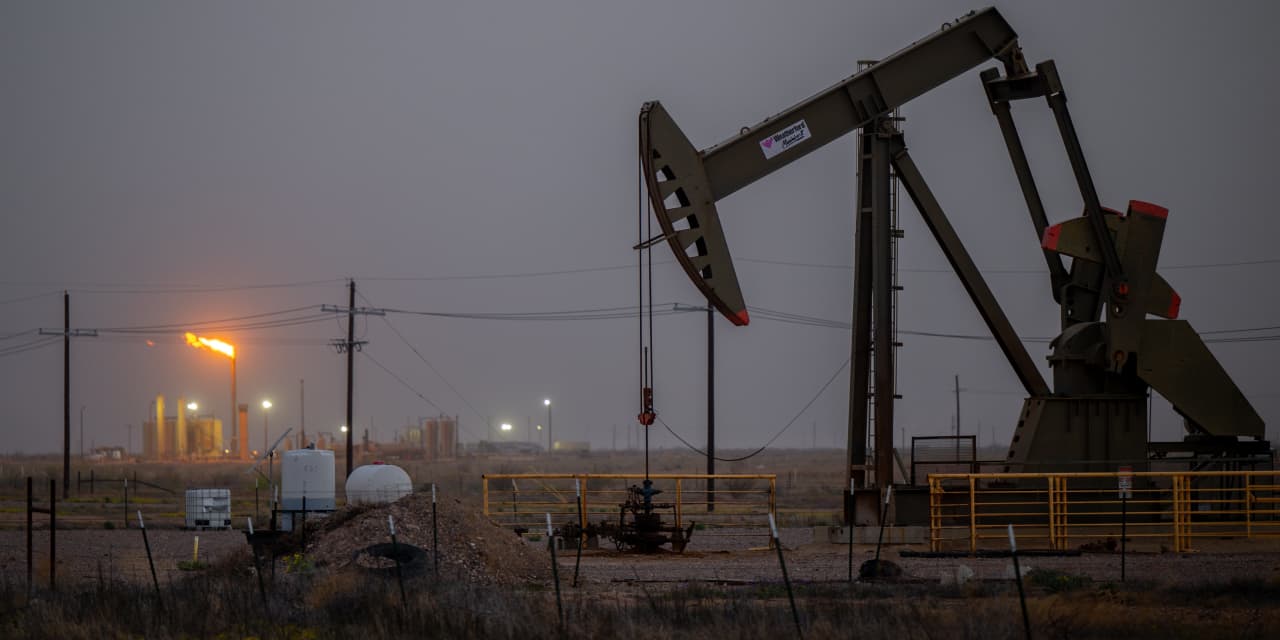
Baker Hughes Secures Subsea Contract from Azule Energy
- Contract Award: Baker Hughes Company has secured a contract from Azule Energy to provide subsea production systems for Angola's Greater PAJ development, and while financial details remain undisclosed, this partnership signifies the company's expansion in deepwater technology.
- Deepwater Technology Application: Under the agreement, Baker Hughes will supply its deep water horizontal tree systems aimed at optimizing production efficiency in ultra-deepwater greenfield developments, while also providing integrated tooling and services to support installation, commissioning, and ongoing production performance, showcasing its advantages in the local supply chain.
- Technical Specifications: The deep water horizontal tree systems from Baker Hughes are engineered for ultra-deepwater environments with an operating threshold of up to 10,000 psi and depths of 10,000 feet, enhancing its competitive edge in high-demand markets with stringent operational requirements.
- Delivery Timeline: The delivery of subsea trees is expected to commence in 2027, providing Baker Hughes ample time to optimize production processes and ensure the successful implementation of the project.
See More

Baker Hughes Secures Major Agreement with Azule Energy
- Subsea Tree Supply: Baker Hughes has secured a significant agreement with Azule Energy to provide subsea horizontal tree systems aimed at optimizing production in Angola's ultra-deepwater greenfield development, with deliveries expected to commence in 2027, thereby reinforcing its position in the global subsea tree market.
- Technical Superiority: The system is engineered for operational thresholds of up to 10,000 psi and depths of 10,000 feet, with a modular design that allows for rapid adaptation to various needs, thus accelerating first production and supporting long-term field performance, enhancing safety and efficiency in Angola's energy development.
- Local Supply Chain Utilization: Baker Hughes will leverage its local supply chain in Angola to provide integrated tooling and services for installation, commissioning, and ongoing production performance, aiming to improve operational efficiency and reduce costs, thereby strengthening its competitive edge in the region.
- Industry Experience: With extensive operational experience in Angola's deepwater sector, Baker Hughes, combined with its leading offshore production technology, will assist Azule Energy in optimizing production and effectively delivering energy across Sub-Saharan Africa.
See More

U.S. Stocks Close Mixed as Chipmakers Weigh on Market


- Mixed Market Performance: The S&P 500 index fell by 0.10% and the Nasdaq 100 index dropped by 0.43%, while the Dow Jones Industrial Average rose by 0.35%, indicating a divergence in market sentiment, particularly under pressure from chipmakers.
- Chip Sector Pressure: Ahead of Micron Technology's earnings report, chipmakers saw declines, reflecting market concerns over AI infrastructure demand, despite Micron's stock rising over 260% this year, highlighting the volatility in tech stocks.
- Oil Price Impact: WTI crude oil prices sank to a 3.5-month low, leading to a drop in bond yields, with the 10-year Treasury yield falling to 4.40%, benefiting sectors like homebuilders and airlines by enhancing profit outlooks amid lower fuel costs.
- Decline in New Home Sales: U.S. May new home sales unexpectedly fell by 7.3% to 580,000 units, below the expected 640,000, indicating weakness in the housing market that could affect future economic growth expectations.
See More

US Stocks Rebound as Tech Shares Benefit from AI Demand

- Market Rebound: The S&P 500 Index rose by 0.72%, the Dow Jones Industrial Average increased by 0.82%, and the Nasdaq 100 Index climbed by 0.50%, indicating a recovery from Tuesday's sharp selloff as investors look to Micron Technology's earnings report to assess AI market performance.
- Micron Technology Gains: Micron's stock has surged over 260% this year, positioning the company as a major beneficiary of the soaring demand for AI infrastructure, which has attracted significant investor interest and reflects its strong market position.
- Housing Bill Impact: The passage of the 21st Century Road to Housing Act by Congress has led to gains for homebuilders and building suppliers, with KB Home and Builders Firstsource rising over 16% and 11% respectively, highlighting the positive impact of policy support on the industry.
- Crude Oil Price Drop: WTI crude oil prices fell more than 4% to a 3.5-month low, lowering inflation expectations and boosting stock markets, particularly benefiting airline and cruise line stocks due to reduced fuel costs, demonstrating the influence of energy market fluctuations on the broader economy.
See More
Baker Hughes to Announce Q2 2026 Results
- Earnings Announcement Schedule: Baker Hughes will release its Q2 2026 earnings report on July 26, 2026, at 5 p.m. ET, which is expected to provide critical financial data and operational performance insights, aiding investors in assessing the company's financial health.
- Webcast Timing: Following the earnings release, Baker Hughes will host a webcast on July 27, 2026, at 9:30 a.m. ET, where management will discuss the earnings report and answer investor questions, enhancing transparency and investor confidence.
- Access Method: Investors can access the webcast via the Baker Hughes website, ensuring timely information delivery and convenient access, further improving interaction between the company and its investors.
- Company Background: Baker Hughes is a global energy technology company operating in over 120 countries, dedicated to providing safe, clean, and efficient energy solutions, showcasing its leadership and innovation in the energy sector.
See More
Baker Hughes Secures Major Contract for Angola's Greater PAJ Development
- Significant Contract Award: Baker Hughes (BKR) announced on Thursday that it has secured a 'significant' contract from the Eni-BP joint venture Azule Energy to provide subsea production systems for the Greater PAJ development, reinforcing its role in one of Angola's largest new deepwater projects.
- Scope of Equipment Supply: The contract encompasses the supply of deepwater horizontal subsea tree systems, subsea control modules, intervention workover control systems, and associated connection, distribution, and topside equipment, along with installation, commissioning, and production support services, showcasing Baker Hughes' comprehensive service capabilities in Angola.
- Project Overview: The Greater PAJ is a greenfield ultra-deepwater development spanning Blocks 31 and 31/21 offshore Angola, expected to commence first oil production in 2029 via a new floating production, storage, and offloading vessel designed to process up to 95,000 barrels per day.
- Utilization of Manufacturing Capabilities: Baker Hughes stated that the project will leverage its existing manufacturing and service capabilities in Angola, where it maintains the largest installed subsea equipment base in Sub-Saharan Africa, further enhancing its competitive position in the market.
See More
Baker Hughes Secures Subsea Contract from Azule Energy
- Contract Award: Baker Hughes Company has secured a contract from Azule Energy to provide subsea production systems for Angola's Greater PAJ development, and while financial details remain undisclosed, this partnership signifies the company's expansion in deepwater technology.
- Deepwater Technology Application: Under the agreement, Baker Hughes will supply its deep water horizontal tree systems aimed at optimizing production efficiency in ultra-deepwater greenfield developments, while also providing integrated tooling and services to support installation, commissioning, and ongoing production performance, showcasing its advantages in the local supply chain.
- Technical Specifications: The deep water horizontal tree systems from Baker Hughes are engineered for ultra-deepwater environments with an operating threshold of up to 10,000 psi and depths of 10,000 feet, enhancing its competitive edge in high-demand markets with stringent operational requirements.
- Delivery Timeline: The delivery of subsea trees is expected to commence in 2027, providing Baker Hughes ample time to optimize production processes and ensure the successful implementation of the project.
See More
Baker Hughes Secures Major Agreement with Azule Energy
- Subsea Tree Supply: Baker Hughes has secured a significant agreement with Azule Energy to provide subsea horizontal tree systems aimed at optimizing production in Angola's ultra-deepwater greenfield development, with deliveries expected to commence in 2027, thereby reinforcing its position in the global subsea tree market.
- Technical Superiority: The system is engineered for operational thresholds of up to 10,000 psi and depths of 10,000 feet, with a modular design that allows for rapid adaptation to various needs, thus accelerating first production and supporting long-term field performance, enhancing safety and efficiency in Angola's energy development.
- Local Supply Chain Utilization: Baker Hughes will leverage its local supply chain in Angola to provide integrated tooling and services for installation, commissioning, and ongoing production performance, aiming to improve operational efficiency and reduce costs, thereby strengthening its competitive edge in the region.
- Industry Experience: With extensive operational experience in Angola's deepwater sector, Baker Hughes, combined with its leading offshore production technology, will assist Azule Energy in optimizing production and effectively delivering energy across Sub-Saharan Africa.
See More
U.S. Stocks Close Mixed as Chipmakers Weigh on Market
- Mixed Market Performance: The S&P 500 index fell by 0.10% and the Nasdaq 100 index dropped by 0.43%, while the Dow Jones Industrial Average rose by 0.35%, indicating a divergence in market sentiment, particularly under pressure from chipmakers.
- Chip Sector Pressure: Ahead of Micron Technology's earnings report, chipmakers saw declines, reflecting market concerns over AI infrastructure demand, despite Micron's stock rising over 260% this year, highlighting the volatility in tech stocks.
- Oil Price Impact: WTI crude oil prices sank to a 3.5-month low, leading to a drop in bond yields, with the 10-year Treasury yield falling to 4.40%, benefiting sectors like homebuilders and airlines by enhancing profit outlooks amid lower fuel costs.
- Decline in New Home Sales: U.S. May new home sales unexpectedly fell by 7.3% to 580,000 units, below the expected 640,000, indicating weakness in the housing market that could affect future economic growth expectations.
See More
US Stocks Rebound as Tech Shares Benefit from AI Demand
- Market Rebound: The S&P 500 Index rose by 0.72%, the Dow Jones Industrial Average increased by 0.82%, and the Nasdaq 100 Index climbed by 0.50%, indicating a recovery from Tuesday's sharp selloff as investors look to Micron Technology's earnings report to assess AI market performance.
- Micron Technology Gains: Micron's stock has surged over 260% this year, positioning the company as a major beneficiary of the soaring demand for AI infrastructure, which has attracted significant investor interest and reflects its strong market position.
- Housing Bill Impact: The passage of the 21st Century Road to Housing Act by Congress has led to gains for homebuilders and building suppliers, with KB Home and Builders Firstsource rising over 16% and 11% respectively, highlighting the positive impact of policy support on the industry.
- Crude Oil Price Drop: WTI crude oil prices fell more than 4% to a 3.5-month low, lowering inflation expectations and boosting stock markets, particularly benefiting airline and cruise line stocks due to reduced fuel costs, demonstrating the influence of energy market fluctuations on the broader economy.
See More




