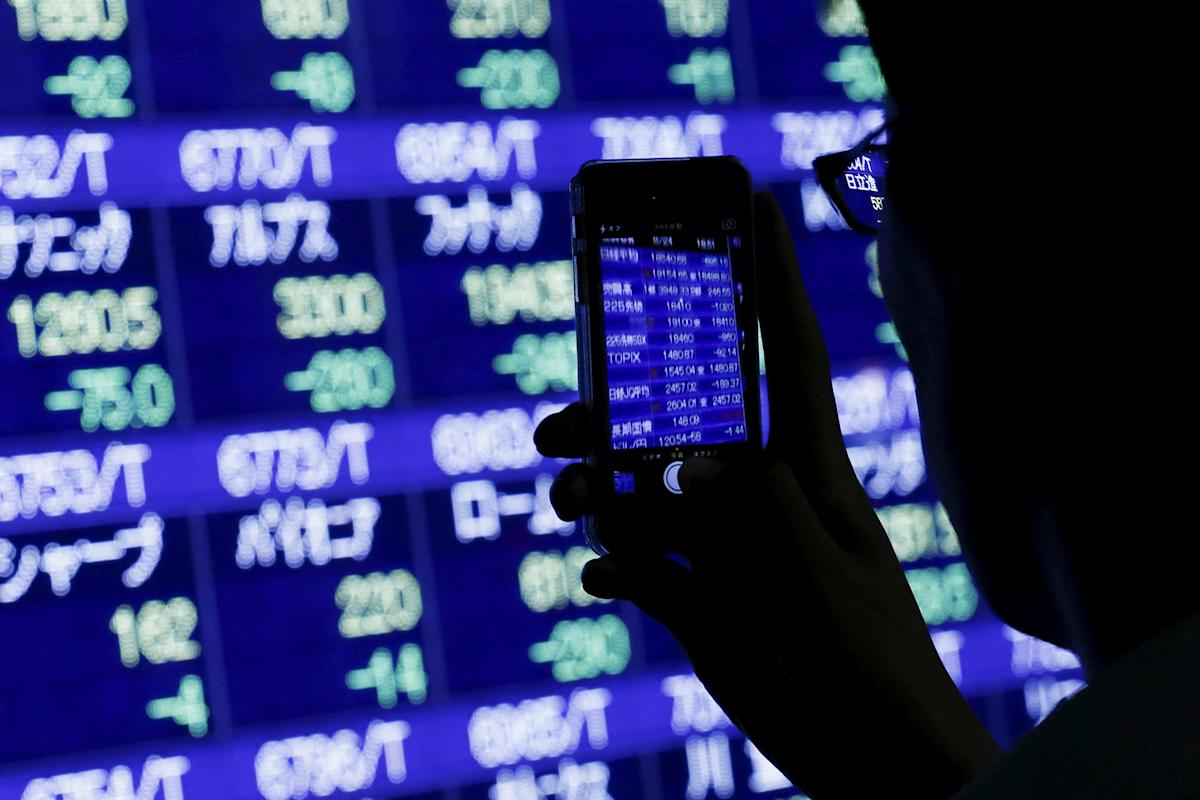
Cerebras Plans IPO on May 14, Raising Up to $3.5 Billion
Written by Emily J. Thompson, Senior Investment Analyst
Updated: 5 days ago
0mins

Should l Buy NVDA?
Source: NASDAQ.COM
- IPO Details: Cerebras plans to issue 28 million shares priced between $115 and $125 each, potentially raising $3.5 billion, with a projected valuation of $26.6 billion, reflecting a nearly 16% increase from its February valuation of $23 billion.
- Intensifying Market Competition: Cerebras's Wafer-Scale Engine (WSE) is 58 times larger than Nvidia's B200 AI chip, featuring 900,000 compute cores, 19 times more transistors, and 250 times more on-chip memory, posing a significant challenge to Nvidia's market dominance.
- Customer Base and Revenue: In 2025, Cerebras generated $510 million in revenue, a 76% year-over-year increase, but reported an operating loss of $146 million, with 86% of its revenue coming from just two customers, indicating potential risks.
- Future Outlook and Risks: While Cerebras's WSE technology could rival Nvidia, the IPO carries inherent risks, particularly for a startup that is not yet profitable, necessitating careful evaluation of its complex multiclass share structure and customer concentration risk.
Trade with 70% Backtested Accuracy
Stop guessing "Should I Buy NVDA?" and start using high-conviction signals backed by rigorous historical data.
Sign up today to access powerful investing tools and make smarter, data-driven decisions.
Analyst Views on NVDA
Wall Street analysts forecast NVDA stock price to rise
41 Analyst Rating
39 Buy
1 Hold
1 Sell
Strong Buy
Current: 211.500

Low
200.00
Averages
264.97
High
352.00
Current: 211.500
Low
200.00
Averages
264.97
High
352.00
About NVDA
NVIDIA Corporation is an artificial intelligence (AI) infrastructure company. The Company is engaged in accelerated computing to help solve the challenging computational problems. Its segments include Compute & Networking and Graphics. The Compute & Networking segment includes its Data Center accelerated computing and networking platforms and AI solutions and software, and automotive platforms and autonomous and electric vehicle solutions, including software. The Graphics segment includes GeForce GPUs for gaming and personal computers (PCs), and Quadro/NVIDIA RTX GPUs for enterprise workstation graphics. Its technology stack includes the foundational NVIDIA CUDA development platform that runs on all NVIDIA GPUs, as well as hundreds of domain-specific software libraries, frameworks, algorithms, software development kits (SDKs), and application programming interfaces (APIs). Its platforms address four markets, which include Data Center, Gaming, Professional Visualization, and Automotive.
About the author

Emily J. Thompson
Emily J. Thompson, a Chartered Financial Analyst (CFA) with 12 years in investment research, graduated with honors from the Wharton School. Specializing in industrial and technology stocks, she provides in-depth analysis for Intellectia’s earnings and market brief reports.

Amazon Reports Triple-Digit AI Revenue Growth Amid E-Commerce Expansion

- AI Revenue Surge: Amazon's AI revenue has seen triple-digit growth, with CEO Andy Jassy noting that the rapid advancement of AI technology positions the company favorably for future market competition, as it plans to invest $200 billion in capital expenditures by 2026.
- E-Commerce Growth: Despite a large base, Amazon's e-commerce sales grew 12% year-over-year in Q1, with third-party sales up 14%, indicating strong market competitiveness, particularly with the addition of 600 notable brands.
- Delivery Speed Enhancement: Amazon has introduced one- and three-hour delivery options for over 90,000 items across more than 2,000 cities, significantly improving customer experience and driving sales growth, further solidifying its leadership in e-commerce.
- Advertising Business Boom: Advertising sales increased 24% year-over-year in Q1, with Amazon leveraging AI to assist advertisers in creating effective, low-cost campaigns, enhancing the competitiveness of its ad platform and attracting clients including Netflix.
See More

Emerging Markets ETF Gains 7% Year-to-Date
- Income Growth: The SPDR S&P Emerging Markets Dividend ETF (EDIV) has gained 7% year-to-date, with shares nearing $42 and an 18% rise over the past year, highlighting its strong performance in yield trades and attracting investor interest.
- Yield Structure: EDIV tracks 100 dividend-paying emerging market equities using a yield-weighted strategy, concentrating on high-yield stocks, which introduces higher country-specific risks but also provides the income profile investors seek.
- Improving Macro Environment: The VIX is near 17, down 28% over the past month, and the 10-year/2-year Treasury spread is at 0.49%, indicating a reduction in recession signals, with risk appetite returning and EDIV's quarterly distributions sharply increasing in 2025.
- Seasonal Distribution: Approximately 70% of EDIV's assets are concentrated in five countries, leading to significant seasonal distribution patterns, with the Q3 2025 payout expected to be $0.6592, indicating the stability of high-yield stocks and potential changes in future income streams.
See More
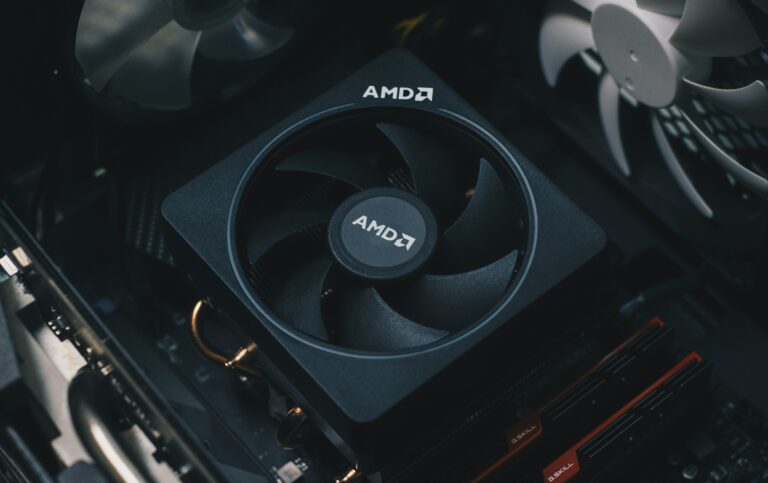
Cathie Wood's Top AI and Data Center Picks Include AMD

- Investment Scale: Cathie Wood's stake in AMD amounts to $551 million, reflecting strong confidence in its potential within AI infrastructure, as AMD can thrive as a robust second option alongside Nvidia without needing to surpass it.
- Product Integration: AMD is addressing the full AI infrastructure challenge by integrating GPUs, CPUs, and networking into cohesive systems, which allows customers to build comprehensive AI data center setups rather than just purchasing individual components.
- Market Outlook: Morgan Stanley raised AMD's price target from $255 to $360, indicating robust demand in the semiconductor market and highlighting the anticipated revenue drivers from MI355 GPUs and Helios rack systems this year.
- Strategic Positioning: Under CEO Lisa Su, AMD focuses on designing a wide range of digital semiconductors for PCs, gaming consoles, and data centers, particularly in the rapidly expanding AI market, showcasing significant growth potential.
See More

Consumer Confidence Hits Historic Low Amid Market Gains
- Consumer Confidence Plummets: The University of Michigan's preliminary May consumer sentiment index fell to 48.2, marking a historic low in its 75-year history, indicating a stark disconnect between Wall Street gains and Main Street concerns that could impact future consumer spending.
- Strong Job Market Performance: Despite employers adding 115,000 jobs in April, significantly above the expected 65,000, and the unemployment rate holding steady at 4.3%, consumer confidence has sharply declined due to pressures from rising gasoline prices and tariffs, potentially cooling earnings growth.
- Impact of Gas Prices and Tariffs: Approximately one-third of consumers cited gasoline prices as a major concern, while around 30% mentioned tariffs, which directly affect household budgets and suppress discretionary spending in sectors like dining, travel, and entertainment, thereby impacting overall economic growth.
- Increased Market Risks: Although the stock market remains strong and AI stocks are attracting significant capital, the prevailing pessimism among consumers may lead to slower retail sales and a gradual cooling of earnings growth, especially with midterm elections approaching, prompting investors to closely monitor economic data changes.
See More

Impact of Federal Reserve's Balance Sheet Reduction on Markets
- Balance Sheet Changes: The Federal Reserve's balance sheet has decreased from $8.9 trillion in 2022 to approximately $6.8 trillion today, and despite this gradual process, the market has shown resilience in adapting to these changes.
- Market Response: If new chair Kevin Warsh adopts a gradual reduction strategy, the market may transition smoothly, with economic growth potentially cooling modestly, but liquidity would not suddenly disappear, aiding the continuation of the bull market.
- Risks of Rapid Reduction: Should Warsh implement aggressive cuts, it could lead to a rapid liquidity drain, resulting in heightened market volatility, yield spikes, and economic pressure, reminiscent of the 2019 repo market crisis.
- Investor Focus: Investors should pay attention to the speed of the Fed's balance sheet reduction, as this factor may become a key variable affecting market stability and economic growth, with overly rapid cuts posing risks to stocks, credit markets, and economic expansion.
See More
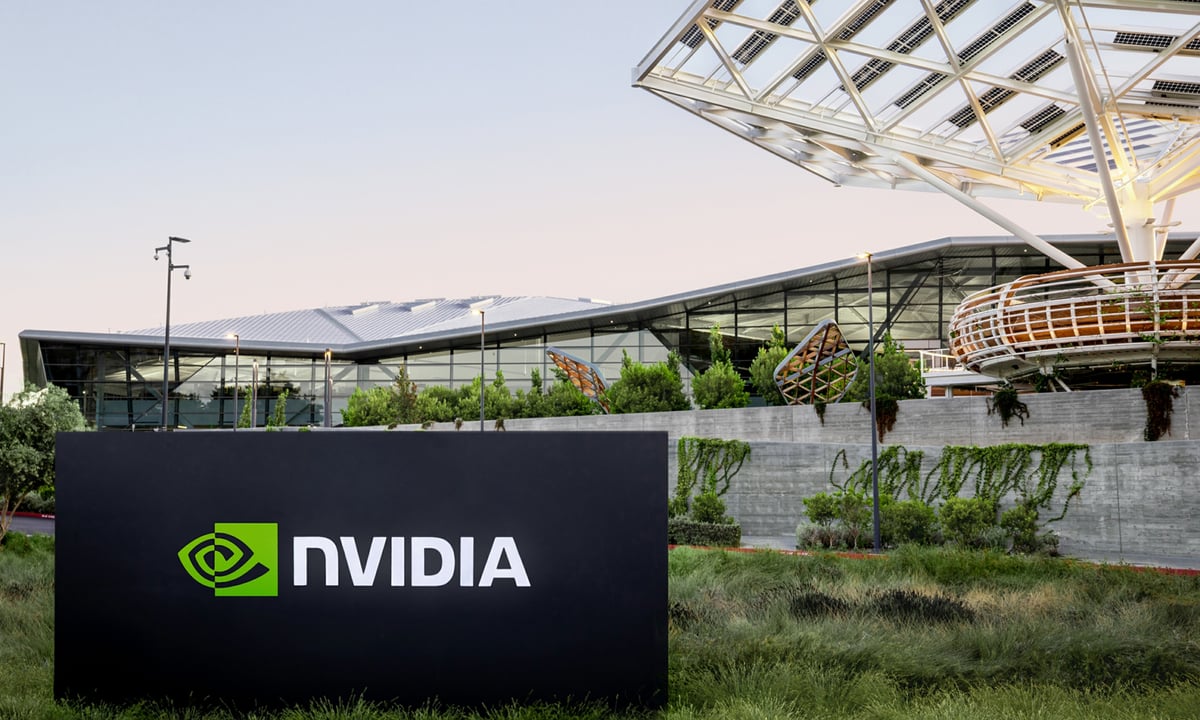
Nvidia's Upcoming Earnings Report Sparks Investor Anticipation
- Earnings Expectations: Analysts anticipate Nvidia's Q1 revenue to reach $78.8 billion with an EPS of $1.77, aligning with management's prior guidance, indicating strong performance and market confidence in the AI sector.
- Surge in Capital Expenditure: AI giants like Microsoft, Amazon, Alphabet, and Meta are set to increase capital expenditures to approximately $725 billion by 2026, a 77% rise from 2025, directly boosting demand for Nvidia's GPUs and networking solutions.
- Valuation Appears Reasonable: Nvidia's current forward P/E ratio stands at 25, below its average during the AI revolution, making it a reasonable entry point for long-term investors considering the trillions in potential infrastructure spending over the next decade.
- Historical Performance: Nvidia's stock typically sees modest gains post-earnings, with long-term holders enjoying average returns exceeding double digits in the following quarter, underscoring the company's dominance and growth potential in the AI landscape.
See More
Amazon Reports Triple-Digit AI Revenue Growth Amid E-Commerce Expansion
- AI Revenue Surge: Amazon's AI revenue has seen triple-digit growth, with CEO Andy Jassy noting that the rapid advancement of AI technology positions the company favorably for future market competition, as it plans to invest $200 billion in capital expenditures by 2026.
- E-Commerce Growth: Despite a large base, Amazon's e-commerce sales grew 12% year-over-year in Q1, with third-party sales up 14%, indicating strong market competitiveness, particularly with the addition of 600 notable brands.
- Delivery Speed Enhancement: Amazon has introduced one- and three-hour delivery options for over 90,000 items across more than 2,000 cities, significantly improving customer experience and driving sales growth, further solidifying its leadership in e-commerce.
- Advertising Business Boom: Advertising sales increased 24% year-over-year in Q1, with Amazon leveraging AI to assist advertisers in creating effective, low-cost campaigns, enhancing the competitiveness of its ad platform and attracting clients including Netflix.
See More
Emerging Markets ETF Gains 7% Year-to-Date
- Income Growth: The SPDR S&P Emerging Markets Dividend ETF (EDIV) has gained 7% year-to-date, with shares nearing $42 and an 18% rise over the past year, highlighting its strong performance in yield trades and attracting investor interest.
- Yield Structure: EDIV tracks 100 dividend-paying emerging market equities using a yield-weighted strategy, concentrating on high-yield stocks, which introduces higher country-specific risks but also provides the income profile investors seek.
- Improving Macro Environment: The VIX is near 17, down 28% over the past month, and the 10-year/2-year Treasury spread is at 0.49%, indicating a reduction in recession signals, with risk appetite returning and EDIV's quarterly distributions sharply increasing in 2025.
- Seasonal Distribution: Approximately 70% of EDIV's assets are concentrated in five countries, leading to significant seasonal distribution patterns, with the Q3 2025 payout expected to be $0.6592, indicating the stability of high-yield stocks and potential changes in future income streams.
See More
Cathie Wood's Top AI and Data Center Picks Include AMD
- Investment Scale: Cathie Wood's stake in AMD amounts to $551 million, reflecting strong confidence in its potential within AI infrastructure, as AMD can thrive as a robust second option alongside Nvidia without needing to surpass it.
- Product Integration: AMD is addressing the full AI infrastructure challenge by integrating GPUs, CPUs, and networking into cohesive systems, which allows customers to build comprehensive AI data center setups rather than just purchasing individual components.
- Market Outlook: Morgan Stanley raised AMD's price target from $255 to $360, indicating robust demand in the semiconductor market and highlighting the anticipated revenue drivers from MI355 GPUs and Helios rack systems this year.
- Strategic Positioning: Under CEO Lisa Su, AMD focuses on designing a wide range of digital semiconductors for PCs, gaming consoles, and data centers, particularly in the rapidly expanding AI market, showcasing significant growth potential.
See More
Consumer Confidence Hits Historic Low Amid Market Gains
- Consumer Confidence Plummets: The University of Michigan's preliminary May consumer sentiment index fell to 48.2, marking a historic low in its 75-year history, indicating a stark disconnect between Wall Street gains and Main Street concerns that could impact future consumer spending.
- Strong Job Market Performance: Despite employers adding 115,000 jobs in April, significantly above the expected 65,000, and the unemployment rate holding steady at 4.3%, consumer confidence has sharply declined due to pressures from rising gasoline prices and tariffs, potentially cooling earnings growth.
- Impact of Gas Prices and Tariffs: Approximately one-third of consumers cited gasoline prices as a major concern, while around 30% mentioned tariffs, which directly affect household budgets and suppress discretionary spending in sectors like dining, travel, and entertainment, thereby impacting overall economic growth.
- Increased Market Risks: Although the stock market remains strong and AI stocks are attracting significant capital, the prevailing pessimism among consumers may lead to slower retail sales and a gradual cooling of earnings growth, especially with midterm elections approaching, prompting investors to closely monitor economic data changes.
See More
Impact of Federal Reserve's Balance Sheet Reduction on Markets
- Balance Sheet Changes: The Federal Reserve's balance sheet has decreased from $8.9 trillion in 2022 to approximately $6.8 trillion today, and despite this gradual process, the market has shown resilience in adapting to these changes.
- Market Response: If new chair Kevin Warsh adopts a gradual reduction strategy, the market may transition smoothly, with economic growth potentially cooling modestly, but liquidity would not suddenly disappear, aiding the continuation of the bull market.
- Risks of Rapid Reduction: Should Warsh implement aggressive cuts, it could lead to a rapid liquidity drain, resulting in heightened market volatility, yield spikes, and economic pressure, reminiscent of the 2019 repo market crisis.
- Investor Focus: Investors should pay attention to the speed of the Fed's balance sheet reduction, as this factor may become a key variable affecting market stability and economic growth, with overly rapid cuts posing risks to stocks, credit markets, and economic expansion.
See More
Nvidia's Upcoming Earnings Report Sparks Investor Anticipation
- Earnings Expectations: Analysts anticipate Nvidia's Q1 revenue to reach $78.8 billion with an EPS of $1.77, aligning with management's prior guidance, indicating strong performance and market confidence in the AI sector.
- Surge in Capital Expenditure: AI giants like Microsoft, Amazon, Alphabet, and Meta are set to increase capital expenditures to approximately $725 billion by 2026, a 77% rise from 2025, directly boosting demand for Nvidia's GPUs and networking solutions.
- Valuation Appears Reasonable: Nvidia's current forward P/E ratio stands at 25, below its average during the AI revolution, making it a reasonable entry point for long-term investors considering the trillions in potential infrastructure spending over the next decade.
- Historical Performance: Nvidia's stock typically sees modest gains post-earnings, with long-term holders enjoying average returns exceeding double digits in the following quarter, underscoring the company's dominance and growth potential in the AI landscape.
See More