Caution Advised for Energy Stocks Investment
Written by Emily J. Thompson, Senior Investment Analyst
Updated: 1 hour ago
0mins
Should l Buy FANG?
Source: Fool
- Market Volatility: The high volatility of energy prices poses risks for upstream producers like Diamondback Energy, which saw a 27% increase in oil and gas sales prices in Q1; however, future oil price declines due to geopolitical tensions easing could lead to stock price drops.
- Midstream Advantage: Midstream companies like Enterprise Products Partners and Enbridge own energy infrastructure and generate stable cash flows by charging fees, thus reducing their exposure to commodity price fluctuations throughout the energy cycle.
- Attractive Yields: With a distribution yield of 5.7% for Enterprise and 5.1% for Enbridge, both companies are appealing to dividend-seeking investors, especially compared to the S&P 500's 1.2% yield, and they have a strong track record of dividend growth.
- Buying Opportunity During Market Crash: In the event of a market crash, the dividend payments from Enterprise and Enbridge are likely to remain intact, potentially attracting new investors and pushing yields closer to 10%, providing a stable return in a volatile market environment.
Trade with 70% Backtested Accuracy
Stop guessing "Should I Buy FANG?" and start using high-conviction signals backed by rigorous historical data.
Sign up today to access powerful investing tools and make smarter, data-driven decisions.
Analyst Views on FANG
Wall Street analysts forecast FANG stock price to fall
19 Analyst Rating
18 Buy
1 Hold
0 Sell
Strong Buy
Current: 190.450

Low
158.00
Averages
180.94
High
218.00
Current: 190.450
Low
158.00
Averages
180.94
High
218.00
About FANG
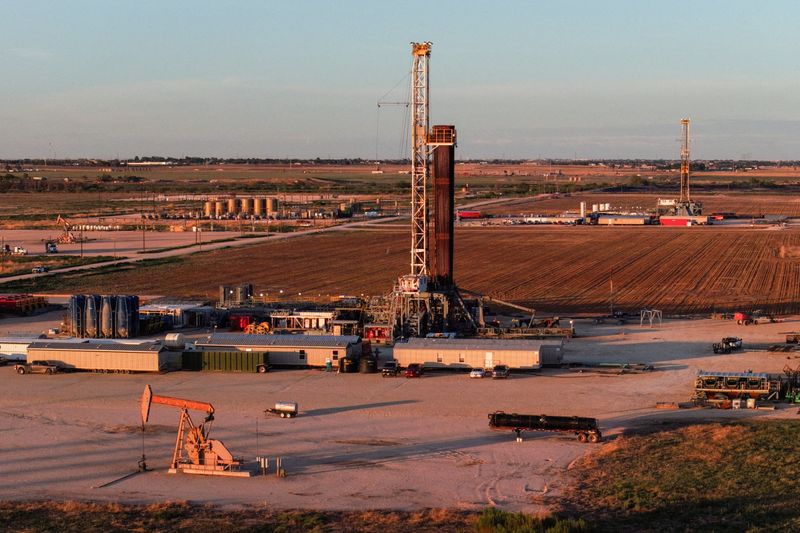
Diamondback Energy, Inc. is an independent oil and natural gas company, focused on the acquisition, development, exploration and exploitation of unconventional, onshore oil and natural gas reserves primarily in the Permian Basin in West Texas. The Company's activities are primarily directed at the horizontal development of the Wolfcamp and Spraberry formations in the Midland Basin and the Wolfcamp and Bone Spring formations in the Delaware Basin within the Permian Basin. Its subsidiary, Viper Energy, Inc., is focused on owning and acquiring mineral interests and royalty interests in oil and natural gas properties primarily in the Permian Basin and derives royalty income and lease bonus income from such interests. The Company has approximately 859,203 net acres, which primarily consists of 742,522 net acres in the Midland Basin and 116,681 net acres in the Delaware Basin. Its subsidiaries include Diamondback E&P LLC, Rattler Midstream GP LLC, Rattler Midstream LP and QEP Resources, Inc.
About the author

Emily J. Thompson
Emily J. Thompson, a Chartered Financial Analyst (CFA) with 12 years in investment research, graduated with honors from the Wharton School. Specializing in industrial and technology stocks, she provides in-depth analysis for Intellectia’s earnings and market brief reports.

Iran War Reshapes Global Energy Landscape


- Energy Security Priority: The Iranian blockade of the Strait of Hormuz has resulted in a loss of nearly one billion barrels of oil, highlighting the fragility of the global energy system and prompting governments and companies to prioritize energy security, leading to increased investment in oil exploration and production.
- Supply Diversification Demand: The closure of the Strait has underscored Asian economies' dependence on Middle Eastern crude oil and LNG, prompting nations to reassess their energy security and seek diversified supplies to mitigate risks in the future.
- Inventory Rebuilding Plans: Due to war impacts, global oil inventories have been hit, and countries are expected to rebuild stockpiles above historical levels to ensure energy security, further driving demand for U.S. crude.
- African Investment Opportunities: Elevated oil prices will stimulate investments in offshore and deepwater opportunities in Africa, the Americas, and Asia, with SLB's CEO noting Africa as a key long-term investment area, anticipating a favorable shift in portfolio allocations towards the region.
See More

Caution Advised for Energy Stocks Investment

- Market Volatility: The high volatility of energy prices poses risks for upstream producers like Diamondback Energy, which saw a 27% increase in oil and gas sales prices in Q1; however, future oil price declines due to geopolitical tensions easing could lead to stock price drops.
- Midstream Advantage: Midstream companies like Enterprise Products Partners and Enbridge own energy infrastructure and generate stable cash flows by charging fees, thus reducing their exposure to commodity price fluctuations throughout the energy cycle.
- Attractive Yields: With a distribution yield of 5.7% for Enterprise and 5.1% for Enbridge, both companies are appealing to dividend-seeking investors, especially compared to the S&P 500's 1.2% yield, and they have a strong track record of dividend growth.
- Buying Opportunity During Market Crash: In the event of a market crash, the dividend payments from Enterprise and Enbridge are likely to remain intact, potentially attracting new investors and pushing yields closer to 10%, providing a stable return in a volatile market environment.
See More

Investment Strategy Analysis for Energy Stocks

- Market Volatility: Despite Diamondback Energy's 27% increase in realized oil and gas sales prices in Q1 2026, leading to a 35% stock price rise, the geopolitical tensions in the Middle East suggest that high oil prices may not last, and a future decline could negatively impact the company.
- Midstream Business Advantage: Enterprise Products Partners and Enbridge, as midstream companies, own energy infrastructure and generate stable cash flows through usage fees, allowing them to remain profitable throughout the energy cycle while reducing dependence on commodity price fluctuations.
- Attractive High Yields: With a distribution yield of 5.7% for Enterprise and a 5.1% dividend yield for Enbridge, both companies are highly appealing to yield-seeking investors compared to the S&P 500's meager 1.2% yield, and they have a long history of dividend growth.
- Buying Opportunity During Market Crash: In the event of a market crash, while the share prices of Enterprise and Enbridge may fall, investors would still receive dividends, and the yields could rise, attracting new investors and providing a significant opportunity to buy reliable businesses in a volatile market.
See More

Middle East Conflict Drives Up Energy Prices
- Energy Price Volatility: The geopolitical conflict in the Middle East has driven energy prices higher, which benefits producers like Diamondback Energy; however, historical trends indicate that prices will eventually decline, negatively impacting their stock prices.
- Midstream Company Advantage: Midstream firms like Enterprise Products Partners and Enbridge generate stable cash flows with distribution yields of 5.7% and 5.1%, respectively, making them attractive during market fluctuations, especially in a high-yield environment.
- Dividend Stability: Enterprise has increased its distribution for 27 consecutive years, while Enbridge has maintained a 31-year dividend streak in Canadian dollars, demonstrating resilience amid energy price volatility and appealing to income-seeking investors.
- Market Crash Opportunity: In the event of a market crash, while the stock prices of Enterprise and Enbridge may fall, investors would still receive dividends, and the increased yields could attract new investors, presenting a prime opportunity to invest in these reliable businesses within a volatile sector.
See More
Diamondback Energy Hedges Crude Price Spread
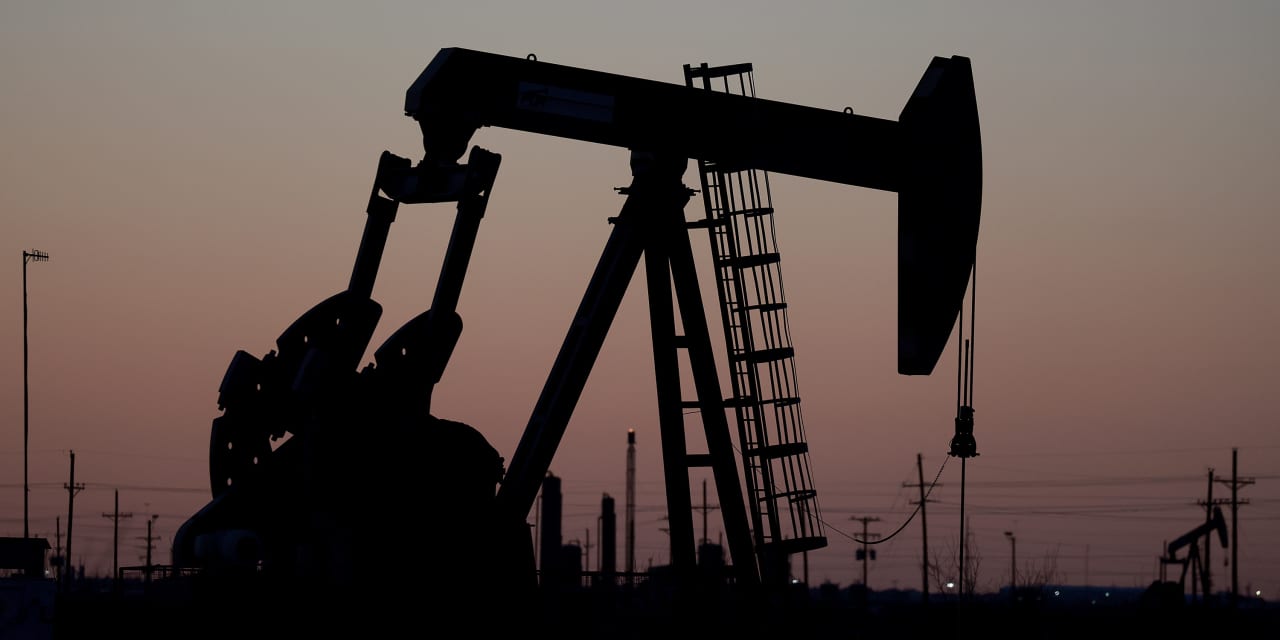
- Hedging Strategy: Diamondback Energy purchased options worth nearly $70 million, betting that the price difference between WTI and Brent crude will reach minus $42 per barrel in the coming months, indicating the company's strategy to protect its revenue in an uncertain market environment.
- Market Impact: If the U.S. were to ban oil exports, WTI prices could plummet, allowing Diamondback's options to yield approximately $190 million in profit at a $42 spread, reflecting the company's sensitivity to potential policy changes.
- Production and Revenue: The company averaged 521,000 barrels per day in oil production in Q1, generating $4.2 billion in revenue, alongside a net gain of $117 million from its derivatives positions, showcasing its financial resilience in a complex market.
- Risk Assessment: Although the likelihood of an export ban is currently low, Diamondback's hedging strategy could provide crucial financial protection in the event of policy changes as midterm elections approach, demonstrating the company's forward-thinking approach to market volatility.
See More
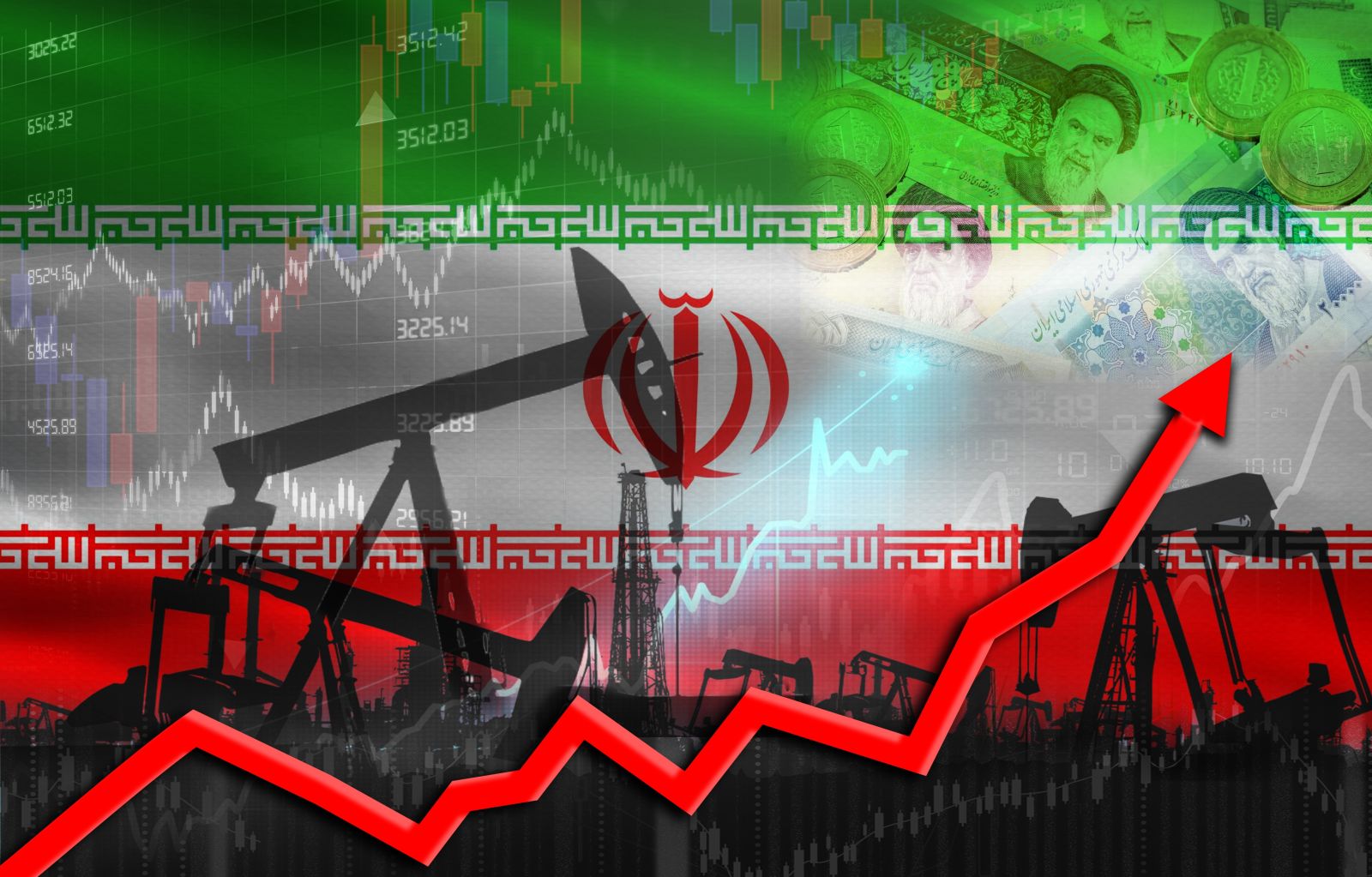
U.S. Stock Market Retreats as Oil Prices Surge

- Market Retreat: The S&P 500 Index fell by 0.40%, the Dow Jones Industrial Average by 0.51%, and the Nasdaq 100 by 0.28%, indicating a retreat in market sentiment as rising oil prices weigh on investor confidence and raise concerns about future economic prospects.
- Strong Employment Data: Initial jobless claims in the U.S. rose by 10,000 to 200,000, indicating a stronger labor market than the expected 205,000, while continuing claims unexpectedly fell by 10,000 to a 2.25-year low of 1.766 million, showcasing economic resilience.
- Productivity and Costs: U.S. Q1 nonfarm productivity increased by 0.8%, surpassing expectations of 0.6%, while unit labor costs rose by 2.3%, below the anticipated 2.5%, which may influence future inflation expectations and Fed policy decisions.
- Fed Policy Outlook: Boston Fed President indicated that interest rates should remain at “mildly restrictive” levels, suggesting that if inflation trends worsen significantly, a reassessment of policy would be necessary, with markets pricing in only a 6% chance of a rate cut at the next FOMC meeting.
See More
Iran War Reshapes Global Energy Landscape
- Energy Security Priority: The Iranian blockade of the Strait of Hormuz has resulted in a loss of nearly one billion barrels of oil, highlighting the fragility of the global energy system and prompting governments and companies to prioritize energy security, leading to increased investment in oil exploration and production.
- Supply Diversification Demand: The closure of the Strait has underscored Asian economies' dependence on Middle Eastern crude oil and LNG, prompting nations to reassess their energy security and seek diversified supplies to mitigate risks in the future.
- Inventory Rebuilding Plans: Due to war impacts, global oil inventories have been hit, and countries are expected to rebuild stockpiles above historical levels to ensure energy security, further driving demand for U.S. crude.
- African Investment Opportunities: Elevated oil prices will stimulate investments in offshore and deepwater opportunities in Africa, the Americas, and Asia, with SLB's CEO noting Africa as a key long-term investment area, anticipating a favorable shift in portfolio allocations towards the region.
See More
Caution Advised for Energy Stocks Investment
- Market Volatility: The high volatility of energy prices poses risks for upstream producers like Diamondback Energy, which saw a 27% increase in oil and gas sales prices in Q1; however, future oil price declines due to geopolitical tensions easing could lead to stock price drops.
- Midstream Advantage: Midstream companies like Enterprise Products Partners and Enbridge own energy infrastructure and generate stable cash flows by charging fees, thus reducing their exposure to commodity price fluctuations throughout the energy cycle.
- Attractive Yields: With a distribution yield of 5.7% for Enterprise and 5.1% for Enbridge, both companies are appealing to dividend-seeking investors, especially compared to the S&P 500's 1.2% yield, and they have a strong track record of dividend growth.
- Buying Opportunity During Market Crash: In the event of a market crash, the dividend payments from Enterprise and Enbridge are likely to remain intact, potentially attracting new investors and pushing yields closer to 10%, providing a stable return in a volatile market environment.
See More
Investment Strategy Analysis for Energy Stocks
- Market Volatility: Despite Diamondback Energy's 27% increase in realized oil and gas sales prices in Q1 2026, leading to a 35% stock price rise, the geopolitical tensions in the Middle East suggest that high oil prices may not last, and a future decline could negatively impact the company.
- Midstream Business Advantage: Enterprise Products Partners and Enbridge, as midstream companies, own energy infrastructure and generate stable cash flows through usage fees, allowing them to remain profitable throughout the energy cycle while reducing dependence on commodity price fluctuations.
- Attractive High Yields: With a distribution yield of 5.7% for Enterprise and a 5.1% dividend yield for Enbridge, both companies are highly appealing to yield-seeking investors compared to the S&P 500's meager 1.2% yield, and they have a long history of dividend growth.
- Buying Opportunity During Market Crash: In the event of a market crash, while the share prices of Enterprise and Enbridge may fall, investors would still receive dividends, and the yields could rise, attracting new investors and providing a significant opportunity to buy reliable businesses in a volatile market.
See More
Middle East Conflict Drives Up Energy Prices
- Energy Price Volatility: The geopolitical conflict in the Middle East has driven energy prices higher, which benefits producers like Diamondback Energy; however, historical trends indicate that prices will eventually decline, negatively impacting their stock prices.
- Midstream Company Advantage: Midstream firms like Enterprise Products Partners and Enbridge generate stable cash flows with distribution yields of 5.7% and 5.1%, respectively, making them attractive during market fluctuations, especially in a high-yield environment.
- Dividend Stability: Enterprise has increased its distribution for 27 consecutive years, while Enbridge has maintained a 31-year dividend streak in Canadian dollars, demonstrating resilience amid energy price volatility and appealing to income-seeking investors.
- Market Crash Opportunity: In the event of a market crash, while the stock prices of Enterprise and Enbridge may fall, investors would still receive dividends, and the increased yields could attract new investors, presenting a prime opportunity to invest in these reliable businesses within a volatile sector.
See More
Diamondback Energy Hedges Crude Price Spread
- Hedging Strategy: Diamondback Energy purchased options worth nearly $70 million, betting that the price difference between WTI and Brent crude will reach minus $42 per barrel in the coming months, indicating the company's strategy to protect its revenue in an uncertain market environment.
- Market Impact: If the U.S. were to ban oil exports, WTI prices could plummet, allowing Diamondback's options to yield approximately $190 million in profit at a $42 spread, reflecting the company's sensitivity to potential policy changes.
- Production and Revenue: The company averaged 521,000 barrels per day in oil production in Q1, generating $4.2 billion in revenue, alongside a net gain of $117 million from its derivatives positions, showcasing its financial resilience in a complex market.
- Risk Assessment: Although the likelihood of an export ban is currently low, Diamondback's hedging strategy could provide crucial financial protection in the event of policy changes as midterm elections approach, demonstrating the company's forward-thinking approach to market volatility.
See More
U.S. Stock Market Retreats as Oil Prices Surge
- Market Retreat: The S&P 500 Index fell by 0.40%, the Dow Jones Industrial Average by 0.51%, and the Nasdaq 100 by 0.28%, indicating a retreat in market sentiment as rising oil prices weigh on investor confidence and raise concerns about future economic prospects.
- Strong Employment Data: Initial jobless claims in the U.S. rose by 10,000 to 200,000, indicating a stronger labor market than the expected 205,000, while continuing claims unexpectedly fell by 10,000 to a 2.25-year low of 1.766 million, showcasing economic resilience.
- Productivity and Costs: U.S. Q1 nonfarm productivity increased by 0.8%, surpassing expectations of 0.6%, while unit labor costs rose by 2.3%, below the anticipated 2.5%, which may influence future inflation expectations and Fed policy decisions.
- Fed Policy Outlook: Boston Fed President indicated that interest rates should remain at “mildly restrictive” levels, suggesting that if inflation trends worsen significantly, a reassessment of policy would be necessary, with markets pricing in only a 6% chance of a rate cut at the next FOMC meeting.
See More