Canada Allows Import of 49,000 Chinese EVs Annually
Written by Emily J. Thompson, Senior Investment Analyst
Updated: 34 minutes ago
0mins
Source: Newsfilter
- Market Opening: Canada is allowing the import of 49,000 Chinese electric vehicles annually at a 6.1% tariff, providing local auto dealers with new sales opportunities that could alter the market landscape.
- Dealer Response: Michael MacGillivray, overseeing dealerships in Nova Scotia and New Brunswick, believes the arrival of Chinese EVs will be a 'huge eye opener,' as he plans to become a dealer for imported electric vehicles.
- Industry Concerns: Despite positive dealer reactions, the Canadian Vehicle Manufacturers' Association expresses deep concern over the decision, which has also drawn strong opposition from U.S. political figures.
- Market Potential: According to S&P Global, Canada sold over 1.9 million vehicles last year, and while the 49,000 import limit may not significantly change competitive dynamics, it still offers Chinese automakers a foothold in the North American market.
Trade with 70% Backtested Accuracy
Stop guessing "Should I Buy GM?" and start using high-conviction signals backed by rigorous historical data.
Sign up today to access powerful investing tools and make smarter, data-driven decisions.
Analyst Views on GM
Wall Street analysts forecast GM stock price to rise
19 Analyst Rating
14 Buy
4 Hold
1 Sell
Moderate Buy
Current: 77.750

Low
57.00
Averages
95.06
High
122.00
Current: 77.750
Low
57.00
Averages
95.06
High
122.00
About GM
General Motors Company designs, builds and sells trucks, crossovers, cars and automobile parts and provides software-enabled services and subscriptions worldwide. The Company's segments include GMNA, GMI and GM Financial. Its GM North America (GMNA) and GM International (GMI) segment develop, manufacture and/or markets vehicles under the Buick, Cadillac, Chevrolet and GMC brands. The Company's GM Financial segment provides automotive financing and related services. The Company is also focused on investing in electric vehicles (EVs) and autonomous vehicles (Avs), software-enabled services and subscriptions and new business opportunities. The Company's portfolio includes OnStar, GM Energy, GM Insurance, GM Genuine Parts, and the GM Company Store. Its OnStar portfolio offers safety, connectivity and hands-free driver assistance technologies. Its GM Energy provides Home EV Charging, Public EV Charging, Vehicle-To-Home and Energy Storage services.
About the author

Emily J. Thompson
Emily J. Thompson, a Chartered Financial Analyst (CFA) with 12 years in investment research, graduated with honors from the Wharton School. Specializing in industrial and technology stocks, she provides in-depth analysis for Intellectia’s earnings and market brief reports.

GM's Battery Factory in Ohio Plans Uncertain Worker Recall

- Uncertain Recall Plans: Ultium Cells, a joint venture between GM and LG Energy Solution, is bringing back a small number of workers to its Ohio battery factory this month, but broader recall plans remain uncertain, reflecting the ongoing impact of weak EV demand.
- Factory Shutdown Context: The facility was idled for six months starting in January due to low demand for electric vehicles, resulting in approximately 850 workers being out of work since then, highlighting the direct impact of market fluctuations on production schedules.
- Market Demand Dependency: Ultium Cells stated that the timing for resuming operations will depend on changes in EV market demand, indicating the company's flexibility and cautious approach in responding to market dynamics.
- Other Plant Developments: Meanwhile, GM has recalled hundreds of workers at its Tennessee Ultium plant to produce battery cells for energy storage systems instead of EVs, demonstrating the company's strategic adjustments in response to varying market demands.
See More

Canada Allows Import of 49,000 Chinese EVs Annually

- Market Opening: Canada is allowing the import of 49,000 Chinese electric vehicles annually at a 6.1% tariff, providing local auto dealers with new sales opportunities that could alter the market landscape.
- Dealer Response: Michael MacGillivray, overseeing dealerships in Nova Scotia and New Brunswick, believes the arrival of Chinese EVs will be a 'huge eye opener,' as he plans to become a dealer for imported electric vehicles.
- Industry Concerns: Despite positive dealer reactions, the Canadian Vehicle Manufacturers' Association expresses deep concern over the decision, which has also drawn strong opposition from U.S. political figures.
- Market Potential: According to S&P Global, Canada sold over 1.9 million vehicles last year, and while the 49,000 import limit may not significantly change competitive dynamics, it still offers Chinese automakers a foothold in the North American market.
See More
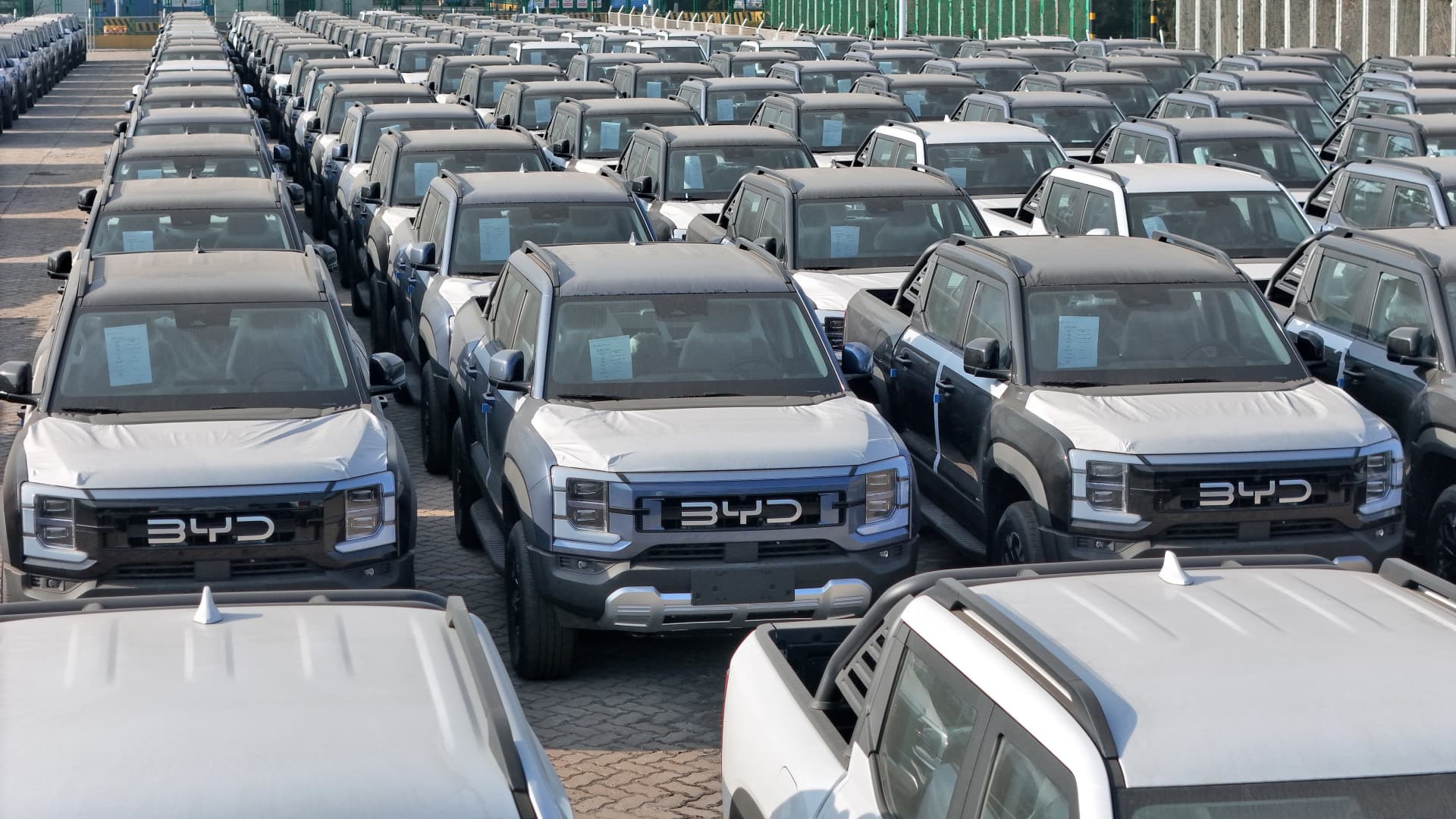
Canada's Introduction of Chinese EVs: Implications

- Market Access Policy: Canada permits the import of 49,000 Chinese electric vehicles annually at a 6.1% tariff, significantly lower than the 100% tariff on other Chinese vehicles, aiming to control market entry while protecting domestic auto industry interests.
- Surge in Dealer Interest: Following the policy announcement, nearly 400 Canadian dealers have expressed interest in representing Chinese brands, indicating a strong market appetite for new competitors and potential consumer demand for diverse EV options.
- Positive Consumer Response: In Nova Scotia, consumers are showing keen interest in Chinese EVs, believing they will enhance market choices, particularly in light of rising gas prices, which makes electric vehicles increasingly appealing.
- Industry Competition Dynamics: While the introduction of Chinese EVs could capture 3% to 5% of the market share, experts suggest this level is insufficient to significantly alter the competitive landscape, with major brands like GM, Ford, and Toyota remaining dominant.
See More
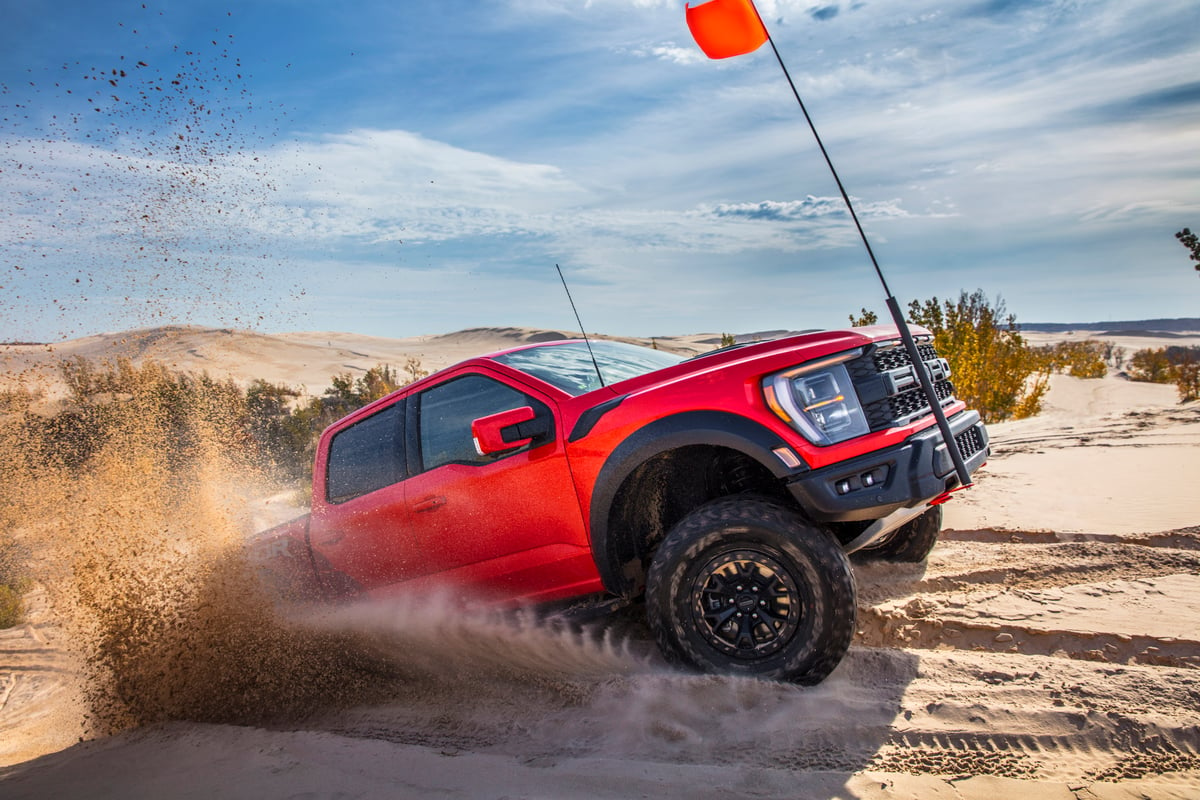
Ford Faces Challenges as GM Boosts Truck Production
- Market Share Battle: Ford's F-150 supply has plummeted over 40% since the Novelis aluminum plant fire, weakening its competitive stance in the full-size truck market, while GM plans to ramp up truck production to exploit this weakness and capture market share.
- Inventory Management Challenges: Despite Ford's inventory issues, GM ended Q1 with 9% fewer pickup trucks than last year, indicating that it also faces inventory management challenges that could impact its market strategy.
- Profit Drivers: Full-size trucks and SUVs are viewed as profit engines for automakers due to their higher prices and better margins, and GM's inventory increase will help meet demand during the spring and summer selling seasons, thereby enhancing its profitability.
- New Model Launch Preparations: GM is retooling for its upcoming heavy-duty trucks, which will temporarily reduce output, but a successful launch of the new Silverado and Sierra models will be critical for its future market share growth.
See More
Trump's Meeting with Xi Boosts Oil Prices Amid Trade Talks


- Trump's Visit Outcomes: Following his meetings with Xi, Trump announced that China agreed to purchase U.S. crude oil, although Beijing has not confirmed this plan, leading to a rise in oil prices and indicating potential improvement in U.S.-China trade relations.
- Cerebras IPO Performance: Cerebras surged 68% on its Nasdaq debut, reaching a market cap of approximately $95 billion, marking the largest IPO in the U.S. tech sector in years, which made its founders billionaires and reflects strong market demand for emerging technologies.
- Market Dynamics Recap: The Dow Jones Industrial Average surged back above 50,000, while the S&P 500 closed above 7,500 for the first time, showcasing a robust rebound driven by surging demand for AI infrastructure, particularly with Cisco's stock rising over 13%.
- Automotive Industry Layoffs: Legacy automakers have collectively cut over 20,000 U.S. salaried jobs, about 19% of their workforce, as they adapt to technological changes, raising concerns among lawmakers about the impact of Chinese car manufacturers entering the U.S. market.
See More

U.S. Automakers Cut Over 20,000 Jobs Amid AI Expansion

- Escalating Job Cuts: The Detroit Three automakers have collectively reduced over 20,000 white-collar jobs since recent employment peaks, representing 19% of their total workforce, highlighting significant challenges faced by the industry due to technological changes.
- GM Leads Layoffs: General Motors has cut approximately 11,000 employees from 2022 to 2023, despite having expanded to 58,000 white-collar workers in 2020, reflecting pressures as the company transitions towards software-defined and electric vehicles.
- AI's Profound Impact: Ford's CEO has stated that artificial intelligence could replace half of all white-collar jobs in the U.S., particularly in repetitive roles such as finance and IT, although positions in emerging areas like autonomous vehicles and cybersecurity are still on the rise.
- Hiring Amid Cuts: Despite layoffs, the three automakers are still hiring, particularly in AI-related fields, with GM planning to recruit over 250 AI positions, indicating a demand for new skills as companies navigate their transformation.
See More
GM's Battery Factory in Ohio Plans Uncertain Worker Recall
- Uncertain Recall Plans: Ultium Cells, a joint venture between GM and LG Energy Solution, is bringing back a small number of workers to its Ohio battery factory this month, but broader recall plans remain uncertain, reflecting the ongoing impact of weak EV demand.
- Factory Shutdown Context: The facility was idled for six months starting in January due to low demand for electric vehicles, resulting in approximately 850 workers being out of work since then, highlighting the direct impact of market fluctuations on production schedules.
- Market Demand Dependency: Ultium Cells stated that the timing for resuming operations will depend on changes in EV market demand, indicating the company's flexibility and cautious approach in responding to market dynamics.
- Other Plant Developments: Meanwhile, GM has recalled hundreds of workers at its Tennessee Ultium plant to produce battery cells for energy storage systems instead of EVs, demonstrating the company's strategic adjustments in response to varying market demands.
See More
Canada Allows Import of 49,000 Chinese EVs Annually
- Market Opening: Canada is allowing the import of 49,000 Chinese electric vehicles annually at a 6.1% tariff, providing local auto dealers with new sales opportunities that could alter the market landscape.
- Dealer Response: Michael MacGillivray, overseeing dealerships in Nova Scotia and New Brunswick, believes the arrival of Chinese EVs will be a 'huge eye opener,' as he plans to become a dealer for imported electric vehicles.
- Industry Concerns: Despite positive dealer reactions, the Canadian Vehicle Manufacturers' Association expresses deep concern over the decision, which has also drawn strong opposition from U.S. political figures.
- Market Potential: According to S&P Global, Canada sold over 1.9 million vehicles last year, and while the 49,000 import limit may not significantly change competitive dynamics, it still offers Chinese automakers a foothold in the North American market.
See More
Canada's Introduction of Chinese EVs: Implications
- Market Access Policy: Canada permits the import of 49,000 Chinese electric vehicles annually at a 6.1% tariff, significantly lower than the 100% tariff on other Chinese vehicles, aiming to control market entry while protecting domestic auto industry interests.
- Surge in Dealer Interest: Following the policy announcement, nearly 400 Canadian dealers have expressed interest in representing Chinese brands, indicating a strong market appetite for new competitors and potential consumer demand for diverse EV options.
- Positive Consumer Response: In Nova Scotia, consumers are showing keen interest in Chinese EVs, believing they will enhance market choices, particularly in light of rising gas prices, which makes electric vehicles increasingly appealing.
- Industry Competition Dynamics: While the introduction of Chinese EVs could capture 3% to 5% of the market share, experts suggest this level is insufficient to significantly alter the competitive landscape, with major brands like GM, Ford, and Toyota remaining dominant.
See More
Ford Faces Challenges as GM Boosts Truck Production
- Market Share Battle: Ford's F-150 supply has plummeted over 40% since the Novelis aluminum plant fire, weakening its competitive stance in the full-size truck market, while GM plans to ramp up truck production to exploit this weakness and capture market share.
- Inventory Management Challenges: Despite Ford's inventory issues, GM ended Q1 with 9% fewer pickup trucks than last year, indicating that it also faces inventory management challenges that could impact its market strategy.
- Profit Drivers: Full-size trucks and SUVs are viewed as profit engines for automakers due to their higher prices and better margins, and GM's inventory increase will help meet demand during the spring and summer selling seasons, thereby enhancing its profitability.
- New Model Launch Preparations: GM is retooling for its upcoming heavy-duty trucks, which will temporarily reduce output, but a successful launch of the new Silverado and Sierra models will be critical for its future market share growth.
See More
Trump's Meeting with Xi Boosts Oil Prices Amid Trade Talks
- Trump's Visit Outcomes: Following his meetings with Xi, Trump announced that China agreed to purchase U.S. crude oil, although Beijing has not confirmed this plan, leading to a rise in oil prices and indicating potential improvement in U.S.-China trade relations.
- Cerebras IPO Performance: Cerebras surged 68% on its Nasdaq debut, reaching a market cap of approximately $95 billion, marking the largest IPO in the U.S. tech sector in years, which made its founders billionaires and reflects strong market demand for emerging technologies.
- Market Dynamics Recap: The Dow Jones Industrial Average surged back above 50,000, while the S&P 500 closed above 7,500 for the first time, showcasing a robust rebound driven by surging demand for AI infrastructure, particularly with Cisco's stock rising over 13%.
- Automotive Industry Layoffs: Legacy automakers have collectively cut over 20,000 U.S. salaried jobs, about 19% of their workforce, as they adapt to technological changes, raising concerns among lawmakers about the impact of Chinese car manufacturers entering the U.S. market.
See More
U.S. Automakers Cut Over 20,000 Jobs Amid AI Expansion
- Escalating Job Cuts: The Detroit Three automakers have collectively reduced over 20,000 white-collar jobs since recent employment peaks, representing 19% of their total workforce, highlighting significant challenges faced by the industry due to technological changes.
- GM Leads Layoffs: General Motors has cut approximately 11,000 employees from 2022 to 2023, despite having expanded to 58,000 white-collar workers in 2020, reflecting pressures as the company transitions towards software-defined and electric vehicles.
- AI's Profound Impact: Ford's CEO has stated that artificial intelligence could replace half of all white-collar jobs in the U.S., particularly in repetitive roles such as finance and IT, although positions in emerging areas like autonomous vehicles and cybersecurity are still on the rise.
- Hiring Amid Cuts: Despite layoffs, the three automakers are still hiring, particularly in AI-related fields, with GM planning to recruit over 250 AI positions, indicating a demand for new skills as companies navigate their transformation.
See More