Can Tesla's Stock Reach $1,000?
Written by Emily J. Thompson, Senior Investment Analyst
Updated: Mar 07 2026
0mins
Source: Fool
- Decade Growth Review: Tesla's stock has surged 3,070% over the past decade, although it currently trades 18% below its peak of $489.88 in December 2025, highlighting the potential for long-term investment alongside short-term volatility risks.
- Financial Performance Analysis: In 2025, Tesla reported revenue of $94.8 billion, a 3% year-over-year decline, with net income at $3.8 billion, down 75% from the record set in 2023, indicating severe challenges in its core EV business.
- Future Growth Drivers: Tesla must achieve significant progress in its robotaxi service and production capacity of Optimus robots; successful launches and market expansion could lead to substantial revenue and profit increases, but success is far from guaranteed.
- Market Valuation Challenges: With a current P/E ratio of 374, Tesla's valuation reflects extreme market optimism about future growth, yet this necessitates massive profit increases to offset potential P/E contraction, making the $1,000 target a daunting challenge.
Trade with 70% Backtested Accuracy
Stop guessing "Should I Buy TSLA?" and start using high-conviction signals backed by rigorous historical data.
Sign up today to access powerful investing tools and make smarter, data-driven decisions.
Analyst Views on TSLA
Wall Street analysts forecast TSLA stock price to rise
30 Analyst Rating
12 Buy
11 Hold
7 Sell
Hold
Current: 381.590

Low
25.28
Averages
401.93
High
600.00
Current: 381.590
Low
25.28
Averages
401.93
High
600.00
About TSLA
Tesla, Inc. designs, develops, manufactures, sells and leases high-performance fully electric vehicles and energy generation and storage systems, and offers services related to its products. Its segments include automotive, and energy generation and storage. The automotive segment includes the design, development, manufacturing, sales and leasing of high-performance fully electric vehicles, and sales of automotive regulatory credits. It also includes sales of used vehicles, non-warranty maintenance services and collisions, part sales, paid supercharging, insurance services revenue and retail merchandise sales. The energy generation and storage segment include the design, manufacture, installation, sales and leasing of solar energy generation and energy storage products and related services and sales of solar energy systems incentives. Its consumer vehicles include the Model 3, Y, S, X and Cybertruck. Its lithium-ion battery energy storage products include Powerwall and Megapack.
About the author

Emily J. Thompson
Emily J. Thompson, a Chartered Financial Analyst (CFA) with 12 years in investment research, graduated with honors from the Wharton School. Specializing in industrial and technology stocks, she provides in-depth analysis for Intellectia’s earnings and market brief reports.
Tesla Gains Approval for FSD Software in Europe

- Regulatory Approval Progress: Belgium and Denmark have approved Tesla's Full Self-Driving Supervised software, marking a significant step forward for Tesla in the European market, particularly in regions where regulation typically moves slowly, showcasing the company's efforts in driving technology compliance.
- Market Access Expansion: Belgium's approval makes it one of the EU countries to authorize the system, joining the Netherlands, Lithuania, Estonia, and Denmark, thereby enhancing Tesla's competitive position in Europe and its ability to collect real-world driving data.
- Software Commercialization Potential: Tesla is striving to prove that software can become a crucial part of its business, especially as competition in electric vehicles intensifies; this approval provides more market opportunities and real-world driving data for the company.
- Future Outlook: As Tesla expands in Europe, investors should watch for approvals from more countries for the FSD Supervised software, which will have significant implications for Tesla's market strategy and long-term growth potential.
See More
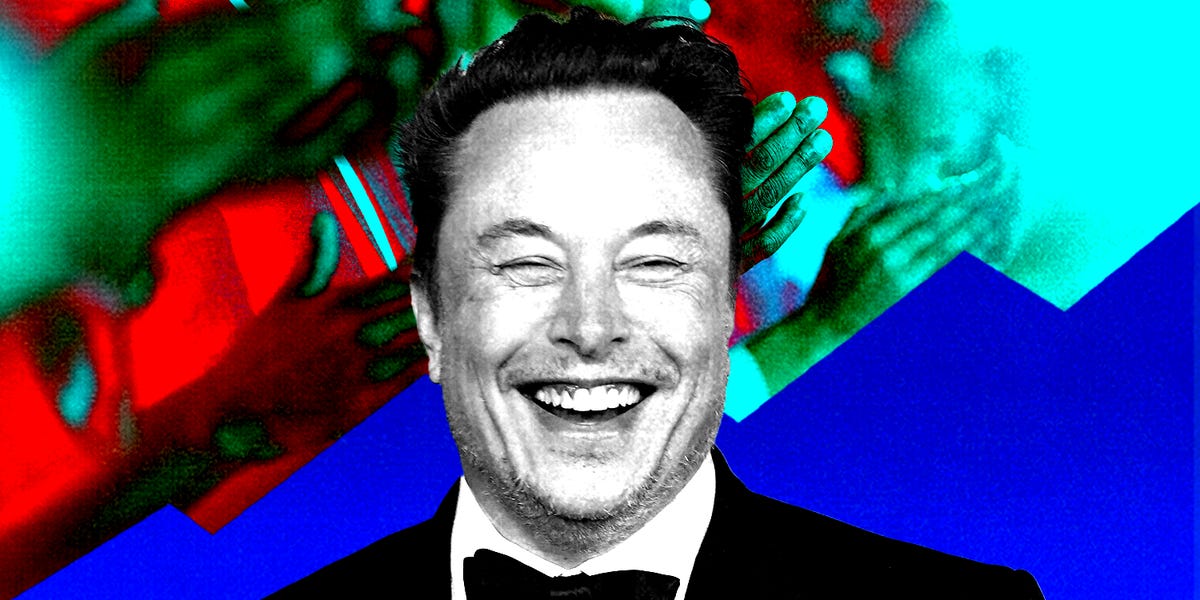
Analysis of SpaceX's IPO Prospects and Market Potential
- Musk's Vision: SpaceX CEO Elon Musk emphasizes in the IPO prospectus that the company's mission is to build the systems and technologies necessary for a multiplanetary life; however, the timeline for achieving this vision remains unclear, potentially affecting investor confidence.
- Market Size Analysis: SpaceX's total addressable market is projected to reach $28.5 trillion, with only $370 billion related to rockets, while $1.6 trillion is linked to the Starlink internet service, highlighting the company's significant potential in the AI sector.
- Investor Caution: Although Musk is known for his bold predictions, history shows that many promises have not been met on time, prompting investors to carefully assess the gap between his future commitments and actual performance.
- Importance of AI Strategy: The long-term value of SpaceX does not solely depend on realizing a multiplanetary civilization but should focus more on its strategic positioning in AI, particularly the $22.7 trillion market potential in enterprise applications, which may offer investors more stable returns.
See More
NIO's Onvo Launches Updated L60 Electric SUV

- New Model Launch: NIO's Onvo brand officially launched the updated L60 mid-size electric SUV on Thursday, with a starting price of RMB 192,800 and RMB 135,800 with the Battery as a Service (BaaS) option, aiming to strengthen its competitiveness in China's family EV market.
- Price Advantage: The updated L60 is priced 6.8% lower than its predecessor, making it more attractive against Tesla's Model Y, which starts at RMB 263,500, and is expected to draw more mainstream family buyers.
- Market Performance: Since its launch in May 2024, Onvo has achieved significant market traction, with the original L60 surpassing 20,000 deliveries within its first 100 days, showcasing its potential as a rival to Tesla.
- Future Outlook: NIO CEO William Li stated that Onvo is expected to become the majority contributor to group sales, targeting a long-term sales split of 35-55-10 between NIO, Onvo, and the third brand Firefly, further expanding market share.
See More
Trump Claims Iran Deal is Near Finalization
- Expected Signing: Trump stated in the Oval Office that a deal with Iran is expected to be signed in the coming days, a claim that could influence market sentiment and drive oil price fluctuations.
- Military Action Cancellation: Trump announced the cancellation of military strikes against Iran, claiming that negotiations have reached the highest levels of Iranian leadership approval, a shift that may ease regional tensions and impact investor confidence.
- Strait Reopening Commitment: Trump indicated that the Strait of Hormuz will reopen once the deal is signed, and the restoration of this vital shipping route will have profound implications for the global oil and gas markets.
- Regional Leadership Communication: Trump discussed the potential memorandum with Israeli Prime Minister Netanyahu and other regional leaders, highlighting the U.S.'s active role in Middle Eastern affairs, which may influence future diplomatic relations.
See More
Analysis of SpaceX IPO Prospects and AI Investments

- Valuation Target and Market Potential: SpaceX's valuation target of $1.77 trillion heavily relies on its AI division, which is estimated to have a total addressable market of $26.5 trillion, potentially providing strong support for the company's valuation if realized.
- Capital Expenditure Forecast: Evercore ISI predicts that SpaceX's capital expenditures will reach $360 billion by 2030 and nearly double to $732 billion by 2031, with the vast majority dedicated to AI investments, indicating the company's commitment to future technologies.
- Financial Ties with Tesla: SpaceX's financial ties with Tesla are becoming increasingly intertwined, as Tesla invested $2 billion in Musk's AI startup xAI earlier this year, and SpaceX has fully merged with xAI, suggesting that IPO funds will further support Tesla.
- Dependence on Nvidia: Although SpaceX plans to produce its own chips in the future to reduce reliance on Nvidia, it will continue to purchase Nvidia's AI chips at scale, particularly highlighted by its partnership with Anthropic, showcasing the critical role of Nvidia chips in its AI strategy.
See More

SpaceX IPO Sparks Market Frenzy

- IPO Scale: SpaceX's IPO is priced at $135 per share with 555,555,555 shares available, aiming to raise $75 billion, which represents only 5% of the company's total valuation.
- Market Response: The IPO is oversubscribed, indicating that demand from investors far exceeds the available shares, suggesting that the stock price could soar significantly above the $135 offering price at launch.
- Musk's Wealth Surge: With the SpaceX IPO, Elon Musk's net worth could instantly reach $1 trillion, making him the world's first trillionaire, as he currently holds $782 billion in assets primarily from SpaceX and Tesla stocks.
- Industry Impact: Musk's success across various sectors, including PayPal, OpenAI, and Tesla, highlights his substantial influence in the tech industry, and the successful IPO of SpaceX will further solidify his market position while attracting more investor interest in space and technology sectors.
See More
Tesla Gains Approval for FSD Software in Europe
- Regulatory Approval Progress: Belgium and Denmark have approved Tesla's Full Self-Driving Supervised software, marking a significant step forward for Tesla in the European market, particularly in regions where regulation typically moves slowly, showcasing the company's efforts in driving technology compliance.
- Market Access Expansion: Belgium's approval makes it one of the EU countries to authorize the system, joining the Netherlands, Lithuania, Estonia, and Denmark, thereby enhancing Tesla's competitive position in Europe and its ability to collect real-world driving data.
- Software Commercialization Potential: Tesla is striving to prove that software can become a crucial part of its business, especially as competition in electric vehicles intensifies; this approval provides more market opportunities and real-world driving data for the company.
- Future Outlook: As Tesla expands in Europe, investors should watch for approvals from more countries for the FSD Supervised software, which will have significant implications for Tesla's market strategy and long-term growth potential.
See More
Analysis of SpaceX's IPO Prospects and Market Potential
- Musk's Vision: SpaceX CEO Elon Musk emphasizes in the IPO prospectus that the company's mission is to build the systems and technologies necessary for a multiplanetary life; however, the timeline for achieving this vision remains unclear, potentially affecting investor confidence.
- Market Size Analysis: SpaceX's total addressable market is projected to reach $28.5 trillion, with only $370 billion related to rockets, while $1.6 trillion is linked to the Starlink internet service, highlighting the company's significant potential in the AI sector.
- Investor Caution: Although Musk is known for his bold predictions, history shows that many promises have not been met on time, prompting investors to carefully assess the gap between his future commitments and actual performance.
- Importance of AI Strategy: The long-term value of SpaceX does not solely depend on realizing a multiplanetary civilization but should focus more on its strategic positioning in AI, particularly the $22.7 trillion market potential in enterprise applications, which may offer investors more stable returns.
See More
NIO's Onvo Launches Updated L60 Electric SUV
- New Model Launch: NIO's Onvo brand officially launched the updated L60 mid-size electric SUV on Thursday, with a starting price of RMB 192,800 and RMB 135,800 with the Battery as a Service (BaaS) option, aiming to strengthen its competitiveness in China's family EV market.
- Price Advantage: The updated L60 is priced 6.8% lower than its predecessor, making it more attractive against Tesla's Model Y, which starts at RMB 263,500, and is expected to draw more mainstream family buyers.
- Market Performance: Since its launch in May 2024, Onvo has achieved significant market traction, with the original L60 surpassing 20,000 deliveries within its first 100 days, showcasing its potential as a rival to Tesla.
- Future Outlook: NIO CEO William Li stated that Onvo is expected to become the majority contributor to group sales, targeting a long-term sales split of 35-55-10 between NIO, Onvo, and the third brand Firefly, further expanding market share.
See More
Trump Claims Iran Deal is Near Finalization
- Expected Signing: Trump stated in the Oval Office that a deal with Iran is expected to be signed in the coming days, a claim that could influence market sentiment and drive oil price fluctuations.
- Military Action Cancellation: Trump announced the cancellation of military strikes against Iran, claiming that negotiations have reached the highest levels of Iranian leadership approval, a shift that may ease regional tensions and impact investor confidence.
- Strait Reopening Commitment: Trump indicated that the Strait of Hormuz will reopen once the deal is signed, and the restoration of this vital shipping route will have profound implications for the global oil and gas markets.
- Regional Leadership Communication: Trump discussed the potential memorandum with Israeli Prime Minister Netanyahu and other regional leaders, highlighting the U.S.'s active role in Middle Eastern affairs, which may influence future diplomatic relations.
See More
Analysis of SpaceX IPO Prospects and AI Investments
- Valuation Target and Market Potential: SpaceX's valuation target of $1.77 trillion heavily relies on its AI division, which is estimated to have a total addressable market of $26.5 trillion, potentially providing strong support for the company's valuation if realized.
- Capital Expenditure Forecast: Evercore ISI predicts that SpaceX's capital expenditures will reach $360 billion by 2030 and nearly double to $732 billion by 2031, with the vast majority dedicated to AI investments, indicating the company's commitment to future technologies.
- Financial Ties with Tesla: SpaceX's financial ties with Tesla are becoming increasingly intertwined, as Tesla invested $2 billion in Musk's AI startup xAI earlier this year, and SpaceX has fully merged with xAI, suggesting that IPO funds will further support Tesla.
- Dependence on Nvidia: Although SpaceX plans to produce its own chips in the future to reduce reliance on Nvidia, it will continue to purchase Nvidia's AI chips at scale, particularly highlighted by its partnership with Anthropic, showcasing the critical role of Nvidia chips in its AI strategy.
See More
SpaceX IPO Sparks Market Frenzy
- IPO Scale: SpaceX's IPO is priced at $135 per share with 555,555,555 shares available, aiming to raise $75 billion, which represents only 5% of the company's total valuation.
- Market Response: The IPO is oversubscribed, indicating that demand from investors far exceeds the available shares, suggesting that the stock price could soar significantly above the $135 offering price at launch.
- Musk's Wealth Surge: With the SpaceX IPO, Elon Musk's net worth could instantly reach $1 trillion, making him the world's first trillionaire, as he currently holds $782 billion in assets primarily from SpaceX and Tesla stocks.
- Industry Impact: Musk's success across various sectors, including PayPal, OpenAI, and Tesla, highlights his substantial influence in the tech industry, and the successful IPO of SpaceX will further solidify his market position while attracting more investor interest in space and technology sectors.
See More