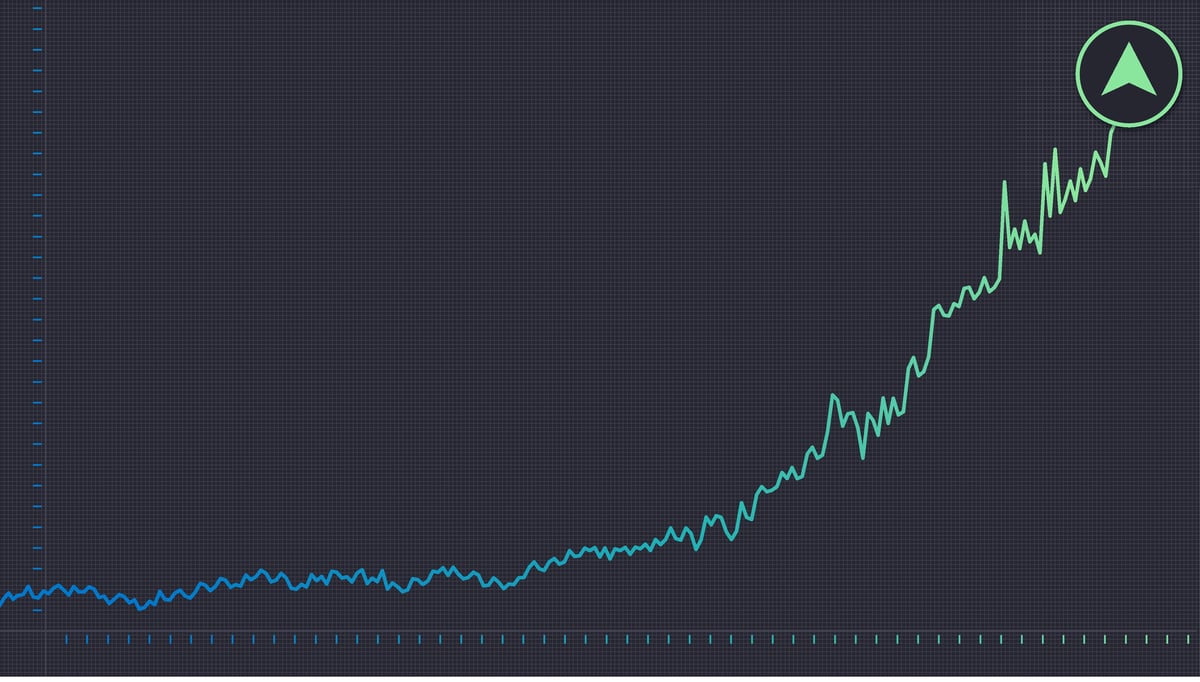
ByteDance Develops Custom CPUs to Meet AI Infrastructure Needs
Written by Emily J. Thompson, Senior Investment Analyst
Updated: 7 hours ago
0mins


Source: Newsfilter
- Custom CPU Development: ByteDance is developing its own central processing units (CPUs) to meet the growing demands of its AI infrastructure, aiming to enhance internal operational efficiency by reducing reliance on external suppliers.
- Intensifying Market Competition: As AI models increasingly demand higher CPU performance, ByteDance's initiative aligns it with tech giants like Google, Amazon, and Microsoft, who are also developing custom CPUs to cut costs and optimize performance.
- Dual Architecture Strategy: ByteDance is exploring two chip architectures based on Arm and the open-source RISC-V instruction set to determine which design best suits its long-term data center needs, thereby mitigating future manufacturing risks.
- Price Pressure: With CPU prices from Intel and AMD rising by 10% to 35% in recent months, ByteDance is accelerating its in-house chip development to address challenges posed by supply shortages and escalating costs.
Trade with 70% Backtested Accuracy
Stop guessing "Should I Buy NVDA?" and start using high-conviction signals backed by rigorous historical data.
Sign up today to access powerful investing tools and make smarter, data-driven decisions.
Analyst Views on NVDA
Wall Street analysts forecast NVDA stock price to rise
41 Analyst Rating
39 Buy
1 Hold
1 Sell
Strong Buy
Current: 212.600

Low
200.00
Averages
264.97
High
352.00
Current: 212.600
Low
200.00
Averages
264.97
High
352.00
About NVDA
NVIDIA Corporation is an artificial intelligence (AI) infrastructure company. The Company is engaged in accelerated computing to help solve the challenging computational problems. Its segments include Compute & Networking and Graphics. The Compute & Networking segment includes its Data Center accelerated computing and networking platforms and AI solutions and software, and automotive platforms and autonomous and electric vehicle solutions, including software. The Graphics segment includes GeForce GPUs for gaming and personal computers (PCs), and Quadro/NVIDIA RTX GPUs for enterprise workstation graphics. Its technology stack includes the foundational NVIDIA CUDA development platform that runs on all NVIDIA GPUs, as well as hundreds of domain-specific software libraries, frameworks, algorithms, software development kits (SDKs), and application programming interfaces (APIs). Its platforms address four markets, which include Data Center, Gaming, Professional Visualization, and Automotive.
About the author

Emily J. Thompson
Emily J. Thompson, a Chartered Financial Analyst (CFA) with 12 years in investment research, graduated with honors from the Wharton School. Specializing in industrial and technology stocks, she provides in-depth analysis for Intellectia’s earnings and market brief reports.

Nvidia Reports Strong Earnings but Stock Declines

- Strong Earnings Report: Nvidia's fiscal Q1 2027 revenue surged 85% year-over-year to $81.6 billion, with data center revenue climbing 92% to $75.2 billion, reflecting robust market demand and significant growth potential.
- Dividend and Buyback: Management raised the quarterly dividend from $0.01 to $0.25 per share and authorized an additional $80 billion in share repurchases, indicating strong confidence in future growth and commitment to shareholder returns.
- Customer Concentration Risk: The top three customers accounted for 64% of accounts receivable, up from 56% in the previous quarter, which raises concerns about potential risks if demand from these key clients fluctuates.
- Stagnation in China: Nvidia recorded no data center compute revenue from China this quarter, compared to $4.6 billion in the same period last year, highlighting the impact of international market uncertainties on the company's performance.
See More
Nvidia's Vera Rubin Platform Set to Transform AI Market Dynamics
- Accelerating Revenue Growth: Nvidia reported a record $81.6 billion in total revenue for Q1 FY2027, marking an 85% year-over-year increase, with the data center segment alone generating $75.2 billion, reflecting a remarkable 92% growth rate, underscoring the robust sales momentum for GPUs and AI hardware.
- Promising New Platform: The upcoming Vera Rubin platform is expected to surpass the Blackwell architecture, enabling AI model training with 75% fewer GPUs and reducing inference costs by 90%, which could catalyze broader AI adoption among businesses and consumers.
- Attractive Market Valuation: Nvidia's current P/E ratio stands at 33, nearly 50% below its 10-year average of 61.7, indicating potential undervaluation; however, the stock would need to rise by 37% over the next 12 months to maintain this P/E ratio.
- Emerging Risk Factors: While Vera Rubin is poised to lower inference costs, AI companies are raising prices due to increased capital expenditures, which may blunt the platform's market impact, prompting investors to remain cautious about the uncertainties in the AI landscape.
See More
Key Wall Street Ratings Updates for Thursday


- Tesla Robotaxi Expansion: Morgan Stanley reiterates Tesla as equal weight, noting survey checks indicate increased hiring of 'AI Safety Operators' in northern metro areas, suggesting Tesla is gearing up for robotaxi operations expansion, which could enhance future revenues.
- National Health Properties Outlook: Citizens initiates coverage of National Health Properties as outperform, believing the REIT is enhancing organic growth by increasing exposure to Senior Housing Operating Properties, indicating confidence in the senior living market.
- Nvidia Data Center Potential: Bernstein reiterates Nvidia as outperform, highlighting the enormous and still early datacenter opportunity, which is expected to provide significant upside, reflecting optimism in tech stocks.
- Quanta Services Rating Upgrade: Oppenheimer upgrades Quanta Services from perform to outperform with an $800 price target, indicating strong growth potential in the coming years, particularly in adjusted EBITDA expectations.
See More

Cerebras IPO Sparks Market Excitement Amid Complex Valuation

- Exciting IPO Prospects: Cerebras is one of the most anticipated AI IPOs of 2026, attracting significant market attention with its wafer-scale chips and substantial performance claims, which are expected to have a profound impact on the AI hardware market.
- Customer Concentration Risk: While the massive deal with OpenAI presents significant market opportunities, the high customer concentration raises concerns about revenue volatility, increasing investor apprehension regarding long-term sustainability.
- Complex Competitive Landscape: Although dubbed the 'Nvidia killer', the software moat established by Nvidia complicates the competitive environment, necessitating continuous innovation in technology and market strategy from Cerebras to maintain its competitive edge.
- Valuation Challenges: As of May 20, 2026, Cerebras's stock performance has raised questions about its valuation, prompting investors to carefully assess the relationship between its future growth potential and current market prices.
See More

Cerebras IPO: Complex Prospects Amidst High Expectations
- IPO Outlook Analysis: Cerebras (NASDAQ: CBRS) is considered one of the most exciting AI IPOs of 2026, yet its wafer-scale chips and significant performance claims are overshadowed by customer concentration and Nvidia's software moat, complicating its valuation.
- Competitive Market Pressure: While dubbed an 'Nvidia killer', Cerebras faces substantial market competition and technological barriers, necessitating cautious evaluation of its long-term growth potential, especially given the technology demands from Nvidia and Intel.
- Investment Recommendation Absence: The Motley Fool's analyst team has not included Cerebras in their current top 10 best stocks, indicating a cautious market sentiment regarding its future performance, prompting investors to consider other high-return potential stocks.
- Historical Return Comparison: Compared to historically recommended stocks like Netflix and Nvidia, which achieved returns of 472,852% and 1,317,207% respectively, Cerebras's investment outlook remains uncertain, reflecting a lack of confidence in the market.
See More

Trump Accounts App Launches for Children's Investment Accounts


- App Launch: The Trump Accounts app officially launched on Thursday, allowing families to download and register for children's investment accounts, with initial deposits expected as early as July 4, marking a significant advancement in children's investment opportunities.
- User Registration: Nearly 6 million children have registered for Trump Accounts to date, indicating strong family interest in this new investment tool, which could foster a culture of investing among future generations.
- Funding Contribution Policy: Parents can contribute up to $5,000 annually to children's accounts, while employers can add $2,500 per employee, incentivizing more families to engage in investing and promoting long-term wealth growth for children.
- Investment Strategy: Trump Accounts will be invested in broad U.S. equity index funds, ensuring the potential for capital appreciation while providing children with a stable financial foundation, aligning with government strategies to enhance financial literacy among youth.
See More
Nvidia Reports Strong Earnings but Stock Declines
- Strong Earnings Report: Nvidia's fiscal Q1 2027 revenue surged 85% year-over-year to $81.6 billion, with data center revenue climbing 92% to $75.2 billion, reflecting robust market demand and significant growth potential.
- Dividend and Buyback: Management raised the quarterly dividend from $0.01 to $0.25 per share and authorized an additional $80 billion in share repurchases, indicating strong confidence in future growth and commitment to shareholder returns.
- Customer Concentration Risk: The top three customers accounted for 64% of accounts receivable, up from 56% in the previous quarter, which raises concerns about potential risks if demand from these key clients fluctuates.
- Stagnation in China: Nvidia recorded no data center compute revenue from China this quarter, compared to $4.6 billion in the same period last year, highlighting the impact of international market uncertainties on the company's performance.
See More
Nvidia's Vera Rubin Platform Set to Transform AI Market Dynamics
- Accelerating Revenue Growth: Nvidia reported a record $81.6 billion in total revenue for Q1 FY2027, marking an 85% year-over-year increase, with the data center segment alone generating $75.2 billion, reflecting a remarkable 92% growth rate, underscoring the robust sales momentum for GPUs and AI hardware.
- Promising New Platform: The upcoming Vera Rubin platform is expected to surpass the Blackwell architecture, enabling AI model training with 75% fewer GPUs and reducing inference costs by 90%, which could catalyze broader AI adoption among businesses and consumers.
- Attractive Market Valuation: Nvidia's current P/E ratio stands at 33, nearly 50% below its 10-year average of 61.7, indicating potential undervaluation; however, the stock would need to rise by 37% over the next 12 months to maintain this P/E ratio.
- Emerging Risk Factors: While Vera Rubin is poised to lower inference costs, AI companies are raising prices due to increased capital expenditures, which may blunt the platform's market impact, prompting investors to remain cautious about the uncertainties in the AI landscape.
See More
Key Wall Street Ratings Updates for Thursday
- Tesla Robotaxi Expansion: Morgan Stanley reiterates Tesla as equal weight, noting survey checks indicate increased hiring of 'AI Safety Operators' in northern metro areas, suggesting Tesla is gearing up for robotaxi operations expansion, which could enhance future revenues.
- National Health Properties Outlook: Citizens initiates coverage of National Health Properties as outperform, believing the REIT is enhancing organic growth by increasing exposure to Senior Housing Operating Properties, indicating confidence in the senior living market.
- Nvidia Data Center Potential: Bernstein reiterates Nvidia as outperform, highlighting the enormous and still early datacenter opportunity, which is expected to provide significant upside, reflecting optimism in tech stocks.
- Quanta Services Rating Upgrade: Oppenheimer upgrades Quanta Services from perform to outperform with an $800 price target, indicating strong growth potential in the coming years, particularly in adjusted EBITDA expectations.
See More
Cerebras IPO Sparks Market Excitement Amid Complex Valuation
- Exciting IPO Prospects: Cerebras is one of the most anticipated AI IPOs of 2026, attracting significant market attention with its wafer-scale chips and substantial performance claims, which are expected to have a profound impact on the AI hardware market.
- Customer Concentration Risk: While the massive deal with OpenAI presents significant market opportunities, the high customer concentration raises concerns about revenue volatility, increasing investor apprehension regarding long-term sustainability.
- Complex Competitive Landscape: Although dubbed the 'Nvidia killer', the software moat established by Nvidia complicates the competitive environment, necessitating continuous innovation in technology and market strategy from Cerebras to maintain its competitive edge.
- Valuation Challenges: As of May 20, 2026, Cerebras's stock performance has raised questions about its valuation, prompting investors to carefully assess the relationship between its future growth potential and current market prices.
See More
Cerebras IPO: Complex Prospects Amidst High Expectations
- IPO Outlook Analysis: Cerebras (NASDAQ: CBRS) is considered one of the most exciting AI IPOs of 2026, yet its wafer-scale chips and significant performance claims are overshadowed by customer concentration and Nvidia's software moat, complicating its valuation.
- Competitive Market Pressure: While dubbed an 'Nvidia killer', Cerebras faces substantial market competition and technological barriers, necessitating cautious evaluation of its long-term growth potential, especially given the technology demands from Nvidia and Intel.
- Investment Recommendation Absence: The Motley Fool's analyst team has not included Cerebras in their current top 10 best stocks, indicating a cautious market sentiment regarding its future performance, prompting investors to consider other high-return potential stocks.
- Historical Return Comparison: Compared to historically recommended stocks like Netflix and Nvidia, which achieved returns of 472,852% and 1,317,207% respectively, Cerebras's investment outlook remains uncertain, reflecting a lack of confidence in the market.
See More
Trump Accounts App Launches for Children's Investment Accounts
- App Launch: The Trump Accounts app officially launched on Thursday, allowing families to download and register for children's investment accounts, with initial deposits expected as early as July 4, marking a significant advancement in children's investment opportunities.
- User Registration: Nearly 6 million children have registered for Trump Accounts to date, indicating strong family interest in this new investment tool, which could foster a culture of investing among future generations.
- Funding Contribution Policy: Parents can contribute up to $5,000 annually to children's accounts, while employers can add $2,500 per employee, incentivizing more families to engage in investing and promoting long-term wealth growth for children.
- Investment Strategy: Trump Accounts will be invested in broad U.S. equity index funds, ensuring the potential for capital appreciation while providing children with a stable financial foundation, aligning with government strategies to enhance financial literacy among youth.
See More