Analysis of Potential Tesla-SpaceX Merger
Written by Emily J. Thompson, Senior Investment Analyst
Updated: 46 minutes ago
0mins
Source: NASDAQ.COM
- Merger Potential: Analyst Dan Ives suggests that a merger between Tesla and SpaceX could occur as early as 2027, a timeline that, while aggressive, appears plausible given the current market dynamics, potentially enhancing capital liquidity for both companies.
- Resource Sharing: Tesla and SpaceX have collaborated on various projects, such as the Terafab chip manufacturing initiative, and this cross-industry cooperation not only enhances technological capabilities but may also lay the groundwork for a future merger, strengthening market competitiveness.
- Capital Advantage: Tesla generated $7 billion in free cash flow over the past 12 months, providing significant funding support for SpaceX, and a merger would facilitate easier access to investor capital, promoting business expansion for the combined entity.
- Market Reaction: Despite Tesla's stock decline this year, the anticipation of a merger could shift investor sentiment positively, boosting market confidence and adding new momentum to Tesla's growth narrative.
Trade with 70% Backtested Accuracy
Stop guessing "Should I Buy TSLA?" and start using high-conviction signals backed by rigorous historical data.
Sign up today to access powerful investing tools and make smarter, data-driven decisions.
Analyst Views on TSLA
Wall Street analysts forecast TSLA stock price to fall
30 Analyst Rating
12 Buy
11 Hold
7 Sell
Hold
Current: 440.360

Low
25.28
Averages
401.93
High
600.00
Current: 440.360
Low
25.28
Averages
401.93
High
600.00
About TSLA
Tesla, Inc. designs, develops, manufactures, sells and leases high-performance fully electric vehicles and energy generation and storage systems, and offers services related to its products. Its segments include automotive, and energy generation and storage. The automotive segment includes the design, development, manufacturing, sales and leasing of high-performance fully electric vehicles, and sales of automotive regulatory credits. It also includes sales of used vehicles, non-warranty maintenance services and collisions, part sales, paid supercharging, insurance services revenue and retail merchandise sales. The energy generation and storage segment include the design, manufacture, installation, sales and leasing of solar energy generation and energy storage products and related services and sales of solar energy systems incentives. Its consumer vehicles include the Model 3, Y, S, X and Cybertruck. Its lithium-ion battery energy storage products include Powerwall and Megapack.
About the author

Emily J. Thompson
Emily J. Thompson, a Chartered Financial Analyst (CFA) with 12 years in investment research, graduated with honors from the Wharton School. Specializing in industrial and technology stocks, she provides in-depth analysis for Intellectia’s earnings and market brief reports.

Analysis of Potential Tesla-SpaceX Merger

- Merger Potential: Analyst Dan Ives suggests that a merger between Tesla and SpaceX could occur as early as 2027, a timeline that, while aggressive, appears plausible given the current market dynamics, potentially enhancing capital liquidity for both companies.
- Resource Sharing: Tesla and SpaceX have collaborated on various projects, such as the Terafab chip manufacturing initiative, and this cross-industry cooperation not only enhances technological capabilities but may also lay the groundwork for a future merger, strengthening market competitiveness.
- Capital Advantage: Tesla generated $7 billion in free cash flow over the past 12 months, providing significant funding support for SpaceX, and a merger would facilitate easier access to investor capital, promoting business expansion for the combined entity.
- Market Reaction: Despite Tesla's stock decline this year, the anticipation of a merger could shift investor sentiment positively, boosting market confidence and adding new momentum to Tesla's growth narrative.
See More

SpaceX Targets Nasdaq Listing with Valuation Up to $2 Trillion
- IPO Plans: SpaceX is targeting a Nasdaq listing on June 12 with a valuation between $1.75 trillion and $2 trillion, which, if successful, would mark the largest IPO in history, positioning it above Tesla and reinforcing its leadership in the aerospace and satellite internet sectors.
- Starlink Revenue Surge: Starlink, SpaceX's satellite internet business, generated $11.4 billion in revenue in 2025, up nearly 50% year-over-year, with operating income more than doubling to $4.4 billion, highlighting its strong demand and profitability as a key driver of the company's valuation.
- User Growth Momentum: Starlink currently boasts 10.3 million subscribers across 164 countries, a significant increase from 8.9 million at the end of 2025, and despite a drop in revenue per user from $99 in 2023 to $66, it still achieved $3.3 billion in revenue in Q1, indicating robust market penetration and user base expansion.
- AI Business Challenges: SpaceX's AI segment reported a loss of $6.4 billion in 2025 and an additional $2.5 billion in Q1, while plans to deploy orbital AI compute satellites by 2028 present both risks and opportunities, contrasting sharply with the rapid growth of Starlink and reflecting the complexities of the company's diversification strategy.
See More

Elon Musk May Merge Tesla with SpaceX Soon
- Merger Potential Discussion: Earlier this year, Musk merged xAI and SpaceX, leading investors to increasingly believe that a merger between Tesla and SpaceX could happen as soon as next year, thereby enhancing both companies' market dominance in their respective fields.
- Resource Sharing Benefits: Tesla and SpaceX already collaborate on various projects, such as the Terafab chip manufacturing initiative, which not only enhances their technological capabilities but also lays the groundwork for a future merger, promoting synergies in technological innovation.
- Capital Acquisition Opportunities: Tesla generated $7 billion in free cash flow over the past 12 months, providing SpaceX with greater capital acquisition opportunities; a merger would help SpaceX scale its operations while attracting more investor interest.
- Market Expectations and Risks: Analyst Dan Ives suggests that a merger could occur by 2027, a timeline that, while aggressive, reflects market expectations that such a merger would create significant growth opportunities, albeit with increased risks and uncertainties that investors need to carefully evaluate.
See More
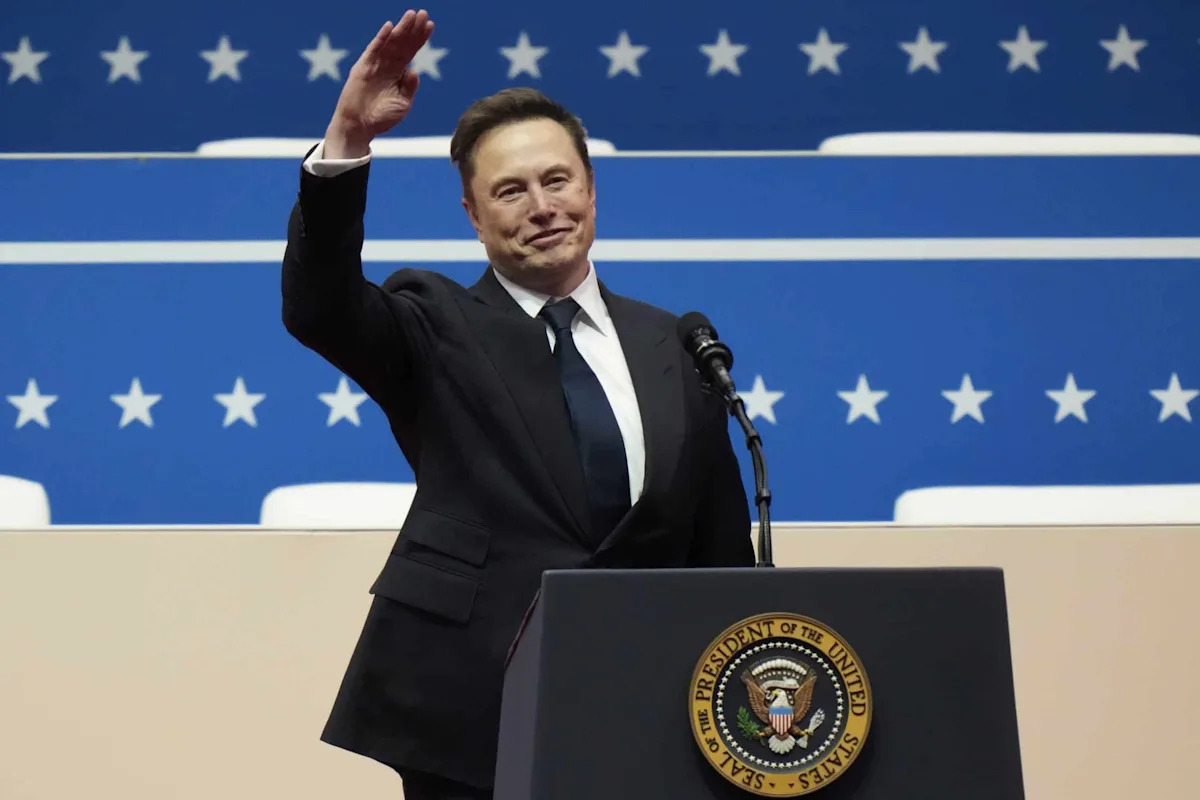
Tesla Stock Analysis and Future Outlook

- Financial Performance Review: Tesla's Q1 2026 revenue reached $22.39 billion, a 15.78% year-over-year increase, while automotive gross margin expanded to 21.1%; however, the stock trades at a trailing P/E of 421, indicating market divergence on its valuation.
- Market Expectations and Price Target: 24/7 Wall St. sets Tesla's price target at $424.84, implying a slight downside of 0.27% from current levels, with a hold recommendation and a 90% confidence level, reflecting cautious sentiment about its future performance.
- Growth Potential and Risks: While Tesla's expansion into Robotaxi and Optimus robot production faces challenges, rapid growth in cities like Dallas and Houston could provide new revenue streams; however, high valuations and execution risks remain critical concerns.
- Future Outlook and Investment Strategy: Analysts deem the $600 target for 2026 unrealistic, projecting a bull case of $485.46 over the next 12 months, suggesting that breakthroughs in Robotaxi and Optimus production could shift market expectations significantly.
See More

BYD Unveils New Service Packages to Promote Assisted Driving
- Service Package Launch: BYD has introduced new service packages aimed at encouraging more drivers to utilize its 'God's Eye' assisted-driving system, addressing the pressures of slowing domestic demand and declining profits.
- Accident Compensation Commitment: The company pledges to fully cover compensation and repairs for accidents occurring while using the City Navigation function, without affecting insurance premiums the following year, thereby enhancing user trust.
- Profit Decline: Despite rolling out new technology, BYD's quarterly profit has seen its steepest decline since 2020, highlighting the severe challenges posed by slowing domestic sales.
- Technology Upgrade: BYD showcased its self-developed 4-nanometer chip that supports L3 and L4 autonomous driving, further enhancing its competitive edge in the intelligent driving sector.
See More
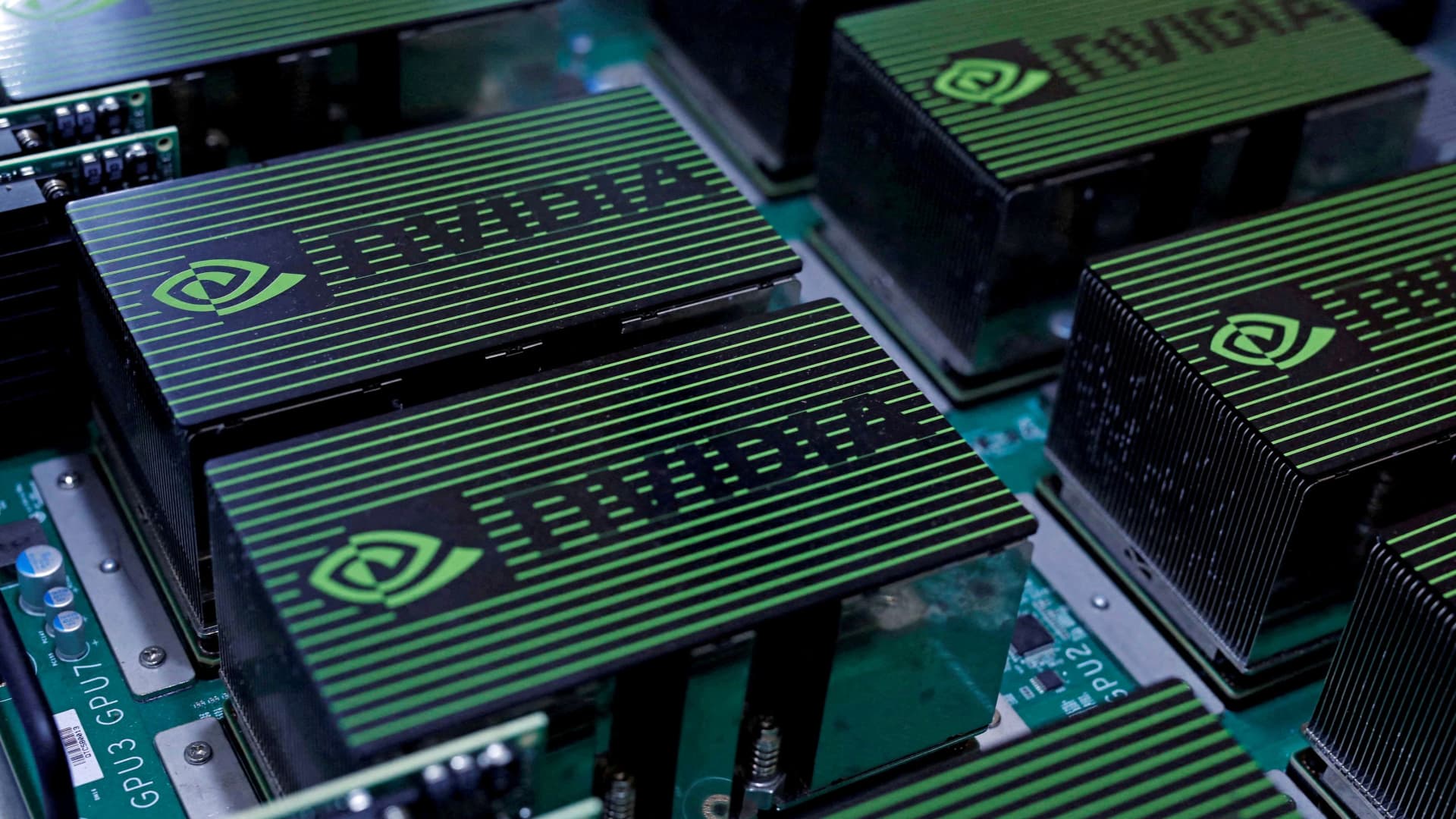
Key Wall Street Ratings Updates for Thursday


- Tesla Robotaxi Expansion: Morgan Stanley reiterates Tesla as equal weight, noting survey checks indicate increased hiring of 'AI Safety Operators' in northern metro areas, suggesting Tesla is gearing up for robotaxi operations expansion, which could enhance future revenues.
- National Health Properties Outlook: Citizens initiates coverage of National Health Properties as outperform, believing the REIT is enhancing organic growth by increasing exposure to Senior Housing Operating Properties, indicating confidence in the senior living market.
- Nvidia Data Center Potential: Bernstein reiterates Nvidia as outperform, highlighting the enormous and still early datacenter opportunity, which is expected to provide significant upside, reflecting optimism in tech stocks.
- Quanta Services Rating Upgrade: Oppenheimer upgrades Quanta Services from perform to outperform with an $800 price target, indicating strong growth potential in the coming years, particularly in adjusted EBITDA expectations.
See More
Analysis of Potential Tesla-SpaceX Merger
- Merger Potential: Analyst Dan Ives suggests that a merger between Tesla and SpaceX could occur as early as 2027, a timeline that, while aggressive, appears plausible given the current market dynamics, potentially enhancing capital liquidity for both companies.
- Resource Sharing: Tesla and SpaceX have collaborated on various projects, such as the Terafab chip manufacturing initiative, and this cross-industry cooperation not only enhances technological capabilities but may also lay the groundwork for a future merger, strengthening market competitiveness.
- Capital Advantage: Tesla generated $7 billion in free cash flow over the past 12 months, providing significant funding support for SpaceX, and a merger would facilitate easier access to investor capital, promoting business expansion for the combined entity.
- Market Reaction: Despite Tesla's stock decline this year, the anticipation of a merger could shift investor sentiment positively, boosting market confidence and adding new momentum to Tesla's growth narrative.
See More
SpaceX Targets Nasdaq Listing with Valuation Up to $2 Trillion
- IPO Plans: SpaceX is targeting a Nasdaq listing on June 12 with a valuation between $1.75 trillion and $2 trillion, which, if successful, would mark the largest IPO in history, positioning it above Tesla and reinforcing its leadership in the aerospace and satellite internet sectors.
- Starlink Revenue Surge: Starlink, SpaceX's satellite internet business, generated $11.4 billion in revenue in 2025, up nearly 50% year-over-year, with operating income more than doubling to $4.4 billion, highlighting its strong demand and profitability as a key driver of the company's valuation.
- User Growth Momentum: Starlink currently boasts 10.3 million subscribers across 164 countries, a significant increase from 8.9 million at the end of 2025, and despite a drop in revenue per user from $99 in 2023 to $66, it still achieved $3.3 billion in revenue in Q1, indicating robust market penetration and user base expansion.
- AI Business Challenges: SpaceX's AI segment reported a loss of $6.4 billion in 2025 and an additional $2.5 billion in Q1, while plans to deploy orbital AI compute satellites by 2028 present both risks and opportunities, contrasting sharply with the rapid growth of Starlink and reflecting the complexities of the company's diversification strategy.
See More
Elon Musk May Merge Tesla with SpaceX Soon
- Merger Potential Discussion: Earlier this year, Musk merged xAI and SpaceX, leading investors to increasingly believe that a merger between Tesla and SpaceX could happen as soon as next year, thereby enhancing both companies' market dominance in their respective fields.
- Resource Sharing Benefits: Tesla and SpaceX already collaborate on various projects, such as the Terafab chip manufacturing initiative, which not only enhances their technological capabilities but also lays the groundwork for a future merger, promoting synergies in technological innovation.
- Capital Acquisition Opportunities: Tesla generated $7 billion in free cash flow over the past 12 months, providing SpaceX with greater capital acquisition opportunities; a merger would help SpaceX scale its operations while attracting more investor interest.
- Market Expectations and Risks: Analyst Dan Ives suggests that a merger could occur by 2027, a timeline that, while aggressive, reflects market expectations that such a merger would create significant growth opportunities, albeit with increased risks and uncertainties that investors need to carefully evaluate.
See More
Tesla Stock Analysis and Future Outlook
- Financial Performance Review: Tesla's Q1 2026 revenue reached $22.39 billion, a 15.78% year-over-year increase, while automotive gross margin expanded to 21.1%; however, the stock trades at a trailing P/E of 421, indicating market divergence on its valuation.
- Market Expectations and Price Target: 24/7 Wall St. sets Tesla's price target at $424.84, implying a slight downside of 0.27% from current levels, with a hold recommendation and a 90% confidence level, reflecting cautious sentiment about its future performance.
- Growth Potential and Risks: While Tesla's expansion into Robotaxi and Optimus robot production faces challenges, rapid growth in cities like Dallas and Houston could provide new revenue streams; however, high valuations and execution risks remain critical concerns.
- Future Outlook and Investment Strategy: Analysts deem the $600 target for 2026 unrealistic, projecting a bull case of $485.46 over the next 12 months, suggesting that breakthroughs in Robotaxi and Optimus production could shift market expectations significantly.
See More
BYD Unveils New Service Packages to Promote Assisted Driving
- Service Package Launch: BYD has introduced new service packages aimed at encouraging more drivers to utilize its 'God's Eye' assisted-driving system, addressing the pressures of slowing domestic demand and declining profits.
- Accident Compensation Commitment: The company pledges to fully cover compensation and repairs for accidents occurring while using the City Navigation function, without affecting insurance premiums the following year, thereby enhancing user trust.
- Profit Decline: Despite rolling out new technology, BYD's quarterly profit has seen its steepest decline since 2020, highlighting the severe challenges posed by slowing domestic sales.
- Technology Upgrade: BYD showcased its self-developed 4-nanometer chip that supports L3 and L4 autonomous driving, further enhancing its competitive edge in the intelligent driving sector.
See More
Key Wall Street Ratings Updates for Thursday
- Tesla Robotaxi Expansion: Morgan Stanley reiterates Tesla as equal weight, noting survey checks indicate increased hiring of 'AI Safety Operators' in northern metro areas, suggesting Tesla is gearing up for robotaxi operations expansion, which could enhance future revenues.
- National Health Properties Outlook: Citizens initiates coverage of National Health Properties as outperform, believing the REIT is enhancing organic growth by increasing exposure to Senior Housing Operating Properties, indicating confidence in the senior living market.
- Nvidia Data Center Potential: Bernstein reiterates Nvidia as outperform, highlighting the enormous and still early datacenter opportunity, which is expected to provide significant upside, reflecting optimism in tech stocks.
- Quanta Services Rating Upgrade: Oppenheimer upgrades Quanta Services from perform to outperform with an $800 price target, indicating strong growth potential in the coming years, particularly in adjusted EBITDA expectations.
See More