British Airways Introduces Emission Reduction Incentives for Pilots
- Emission Reduction Incentive: British Airways has launched a new initiative encouraging pilots to reduce aircraft carbon dioxide emissions by 60,000 tons beyond 2025 levels to earn a bonus worth 1% of their base pay, addressing the rising jet fuel prices.
- Collaboration with Union: The airline is working with the British Airline Pilots' Association (BALPA) to vote on this proposal at the end of April, with implementation expected next year, demonstrating the company's commitment to improving pilots' work experience.
- Surging Fuel Prices: Amid the U.S.-Iran conflict, global jet fuel prices have surged by 106%, with international benchmark Brent crude nearing $107 per barrel, forcing airlines to consider raising ticket prices or canceling unprofitable flights.
- Industry Impact: The incentive reflects the airline industry's response to high fuel cost pressures, as other carriers like Cathay Pacific and Qantas also adjust fares to cope with rising costs, highlighting the challenges faced across the sector.
Trade with 70% Backtested Accuracy
Analyst Views on UAL

About UAL
About the author


United Airlines to Receive Over 250 New Aircraft by April 2028

- New Aircraft Delivery Plan: United Airlines expects to take delivery of over 250 new aircraft by April 2028, including 47 upgraded Boeing 787-9 Dreamliners, with 33 featuring additional premium seats, highlighting the company's focus on enhancing customer experience.
- Growth Strategy Expansion: This delivery plan builds on the United Next growth strategy announced in 2021, indicating the company's ongoing efforts to expand its fleet and improve service quality, aimed at strengthening its competitive position in the market.
- Fleet Modernization Progress: Since the strategy's implementation, United has added 22 Boeing 787 Dreamliners, 237 Boeing 737 MAX, and 67 Airbus A321neos, completing 70% of its retrofit plan for its mainline narrow-body fleet, demonstrating proactive advancements in fleet modernization.
- Human Resource Expansion: The company has hired over 60,000 employees in recent years to support fleet expansion and service enhancement, further strengthening its operational capacity and service quality in the North American market.
Trump Urges Quick Resolution to DHS Shutdown Impacting Air Travel

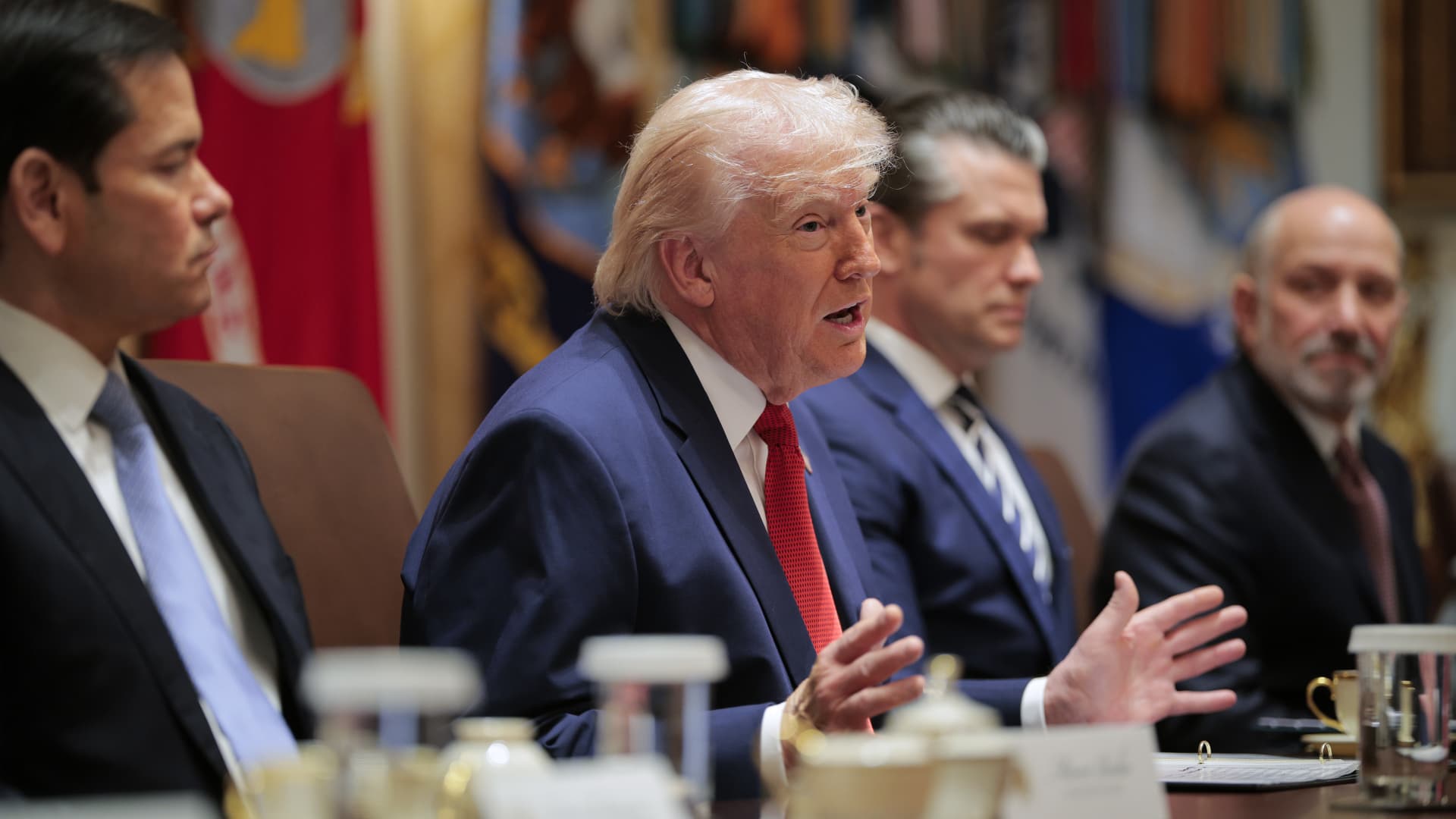
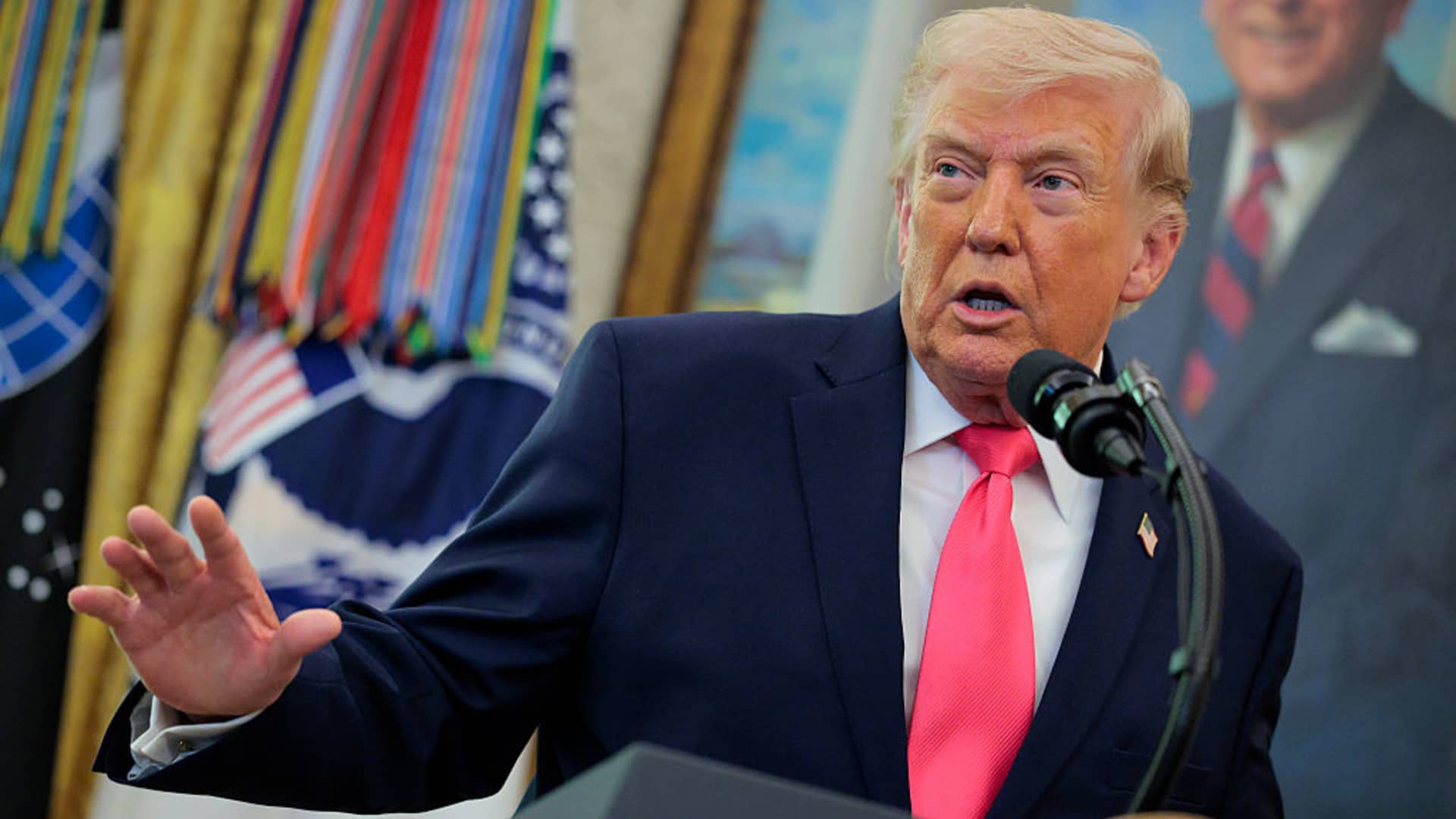
- DHS Shutdown Impact: Trump emphasized during a Cabinet meeting that the Department of Homeland Security shutdown has lasted over a month, severely disrupting air travel as Transportation Security Administration agents are missing work due to unpaid status, leading to long airport lines and increasing pressure on lawmakers to reach a deal.
- Trump's Firm Stance: Trump warned Congress that they must end the shutdown immediately or face 'very drastic measures,' although he did not specify what those measures would be, creating ambiguity that may heighten market concerns regarding government operational uncertainties.
- Bipartisan Negotiation Stalemate: Despite Senate Republicans proposing a compromise to fund 94% of DHS, Democrats rejected the proposal due to the lack of operational changes for Immigration and Customs Enforcement, highlighting deep partisan divides over immigration policy.
- Congressional Recess in Jeopardy: As the negotiation deadlock continues, the Senate Majority Leader indicated that it remains an 'open question' whether Congress can begin its scheduled two-week recess this weekend, potentially impacting legislative processes and normal government operations.

EXCLUSIVE: Trump Turns Down Proposal to Compensate TSA Agents; Jeffrey Sonnenfeld Describes It as 'Bully' Tactics to Delay Paychecks

Trump's Rejection of Funding Proposals: President Donald Trump rejected bipartisan proposals to fund TSA agents and extend Department of Homeland Security funding, reflecting a broader pattern of resistance to coalition-based policy-making.
Impact of Jet Fuel Prices: Yale professor Jeffrey Sonnenfeld noted that rising jet fuel prices translate to significant airline expenses, with every dollar increase adding approximately $100 million in costs.
TSA Staffing Issues: Nearly 500 TSA officers have quit amid ongoing funding lapses, leading to longer lines at major airports, while Democratic lawmakers have called for new restrictions on federal agents involved in deportation efforts.
Airline Fare Increases: United Airlines' CEO indicated that fares could rise by up to 20% if jet fuel costs remain high, potentially wiping out the airline's profits from the previous year.
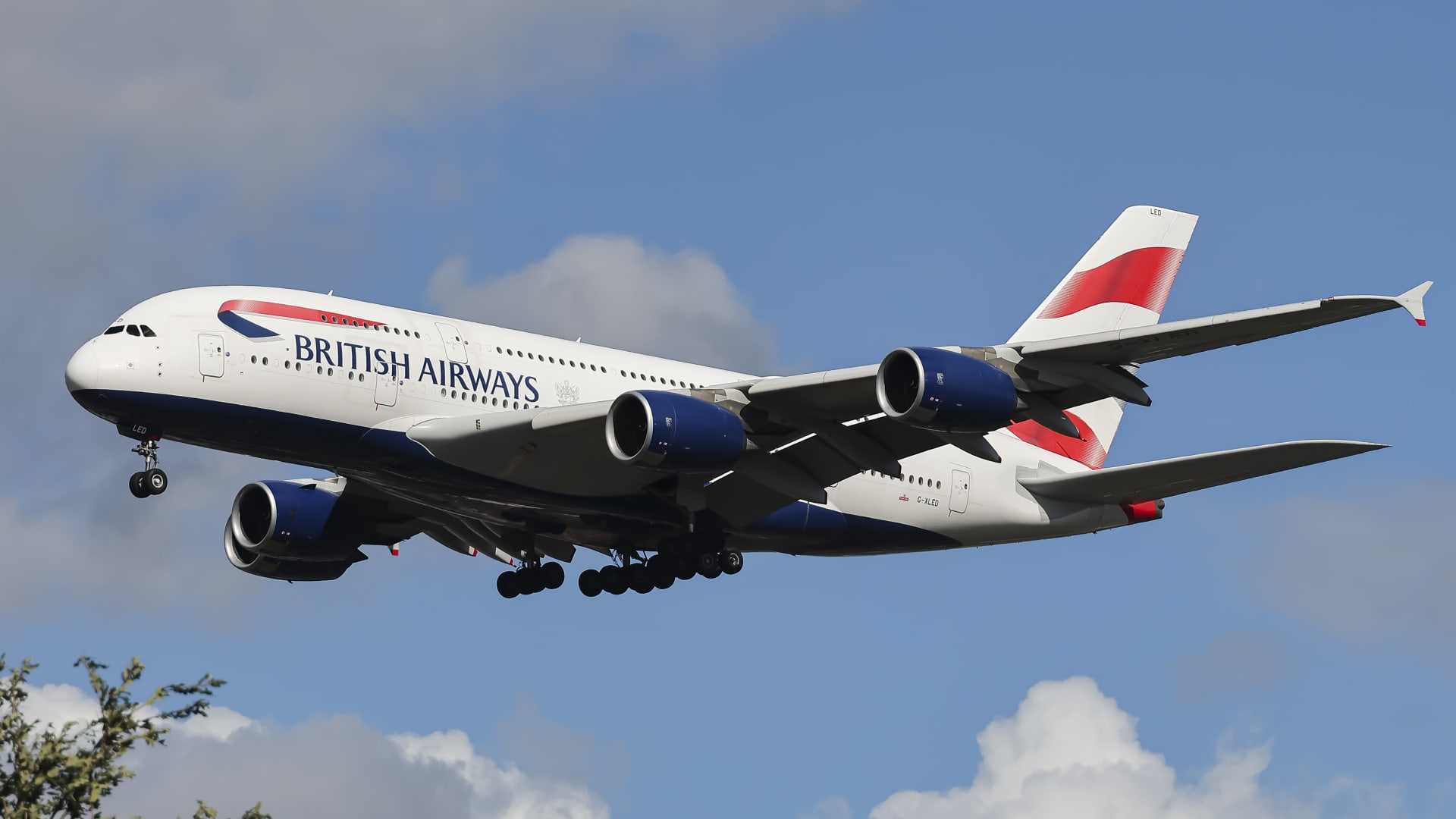
British Airways Introduces Emission Reduction Incentives for Pilots

- Emission Reduction Incentive: British Airways has launched a new initiative encouraging pilots to reduce aircraft carbon dioxide emissions by 60,000 tons beyond 2025 levels to earn a bonus worth 1% of their base pay, addressing the rising jet fuel prices.
- Collaboration with Union: The airline is working with the British Airline Pilots' Association (BALPA) to vote on this proposal at the end of April, with implementation expected next year, demonstrating the company's commitment to improving pilots' work experience.
- Surging Fuel Prices: Amid the U.S.-Iran conflict, global jet fuel prices have surged by 106%, with international benchmark Brent crude nearing $107 per barrel, forcing airlines to consider raising ticket prices or canceling unprofitable flights.
- Industry Impact: The incentive reflects the airline industry's response to high fuel cost pressures, as other carriers like Cathay Pacific and Qantas also adjust fares to cope with rising costs, highlighting the challenges faced across the sector.
Uncertain Prospects for US-Iran Peace Deal

- Market Volatility: Following President Trump's assertion that the U.S. and Iran are negotiating, markets initially rallied; however, Iran's denial of direct talks led to divergent interpretations among investors, causing oil prices to drop and equities to rise, highlighting the market's sensitivity to incremental changes.
- Diplomatic Uncertainty: Despite the U.S. laying out over a dozen points to end hostilities, Iranian officials dismissed these as 'fake news', leaving unclear whether the Trump administration genuinely seeks to end the war or merely avoid escalation, with market credibility for a peace deal assessed as 'moderate'.
- Escalating Geopolitical Risks: The Pentagon's expected deployment of thousands of troops to the Middle East could significantly heighten conflict risks, with market reactions indicating fragility in response to geopolitical developments, exacerbated by lower liquidity.
- Investment Strategy Adjustments: Some investors view the current geopolitical crisis as a buying opportunity, recommending sectors that would benefit from falling oil prices, such as airlines and home builders, while UBS advises maintaining strategic equity holdings and avoiding frequent trading based on geopolitical headlines.

Analysis and Outlook: Hope Springs Eternal

U.S.-Iran Cease-Fire Uncertainty: The potential for a cease-fire deal between the U.S. and Iran remains unclear at this time.
Market Optimism: Despite the uncertainty, a recent market rally indicates that investors are hopeful for a resolution in the near future.
United Airlines to Receive Over 250 New Aircraft by April 2028
- New Aircraft Delivery Plan: United Airlines expects to take delivery of over 250 new aircraft by April 2028, including 47 upgraded Boeing 787-9 Dreamliners, with 33 featuring additional premium seats, highlighting the company's focus on enhancing customer experience.
- Growth Strategy Expansion: This delivery plan builds on the United Next growth strategy announced in 2021, indicating the company's ongoing efforts to expand its fleet and improve service quality, aimed at strengthening its competitive position in the market.
- Fleet Modernization Progress: Since the strategy's implementation, United has added 22 Boeing 787 Dreamliners, 237 Boeing 737 MAX, and 67 Airbus A321neos, completing 70% of its retrofit plan for its mainline narrow-body fleet, demonstrating proactive advancements in fleet modernization.
- Human Resource Expansion: The company has hired over 60,000 employees in recent years to support fleet expansion and service enhancement, further strengthening its operational capacity and service quality in the North American market.
Trump Urges Quick Resolution to DHS Shutdown Impacting Air Travel
- DHS Shutdown Impact: Trump emphasized during a Cabinet meeting that the Department of Homeland Security shutdown has lasted over a month, severely disrupting air travel as Transportation Security Administration agents are missing work due to unpaid status, leading to long airport lines and increasing pressure on lawmakers to reach a deal.
- Trump's Firm Stance: Trump warned Congress that they must end the shutdown immediately or face 'very drastic measures,' although he did not specify what those measures would be, creating ambiguity that may heighten market concerns regarding government operational uncertainties.
- Bipartisan Negotiation Stalemate: Despite Senate Republicans proposing a compromise to fund 94% of DHS, Democrats rejected the proposal due to the lack of operational changes for Immigration and Customs Enforcement, highlighting deep partisan divides over immigration policy.
- Congressional Recess in Jeopardy: As the negotiation deadlock continues, the Senate Majority Leader indicated that it remains an 'open question' whether Congress can begin its scheduled two-week recess this weekend, potentially impacting legislative processes and normal government operations.
EXCLUSIVE: Trump Turns Down Proposal to Compensate TSA Agents; Jeffrey Sonnenfeld Describes It as 'Bully' Tactics to Delay Paychecks
Trump's Rejection of Funding Proposals: President Donald Trump rejected bipartisan proposals to fund TSA agents and extend Department of Homeland Security funding, reflecting a broader pattern of resistance to coalition-based policy-making.
Impact of Jet Fuel Prices: Yale professor Jeffrey Sonnenfeld noted that rising jet fuel prices translate to significant airline expenses, with every dollar increase adding approximately $100 million in costs.
TSA Staffing Issues: Nearly 500 TSA officers have quit amid ongoing funding lapses, leading to longer lines at major airports, while Democratic lawmakers have called for new restrictions on federal agents involved in deportation efforts.
Airline Fare Increases: United Airlines' CEO indicated that fares could rise by up to 20% if jet fuel costs remain high, potentially wiping out the airline's profits from the previous year.
British Airways Introduces Emission Reduction Incentives for Pilots
- Emission Reduction Incentive: British Airways has launched a new initiative encouraging pilots to reduce aircraft carbon dioxide emissions by 60,000 tons beyond 2025 levels to earn a bonus worth 1% of their base pay, addressing the rising jet fuel prices.
- Collaboration with Union: The airline is working with the British Airline Pilots' Association (BALPA) to vote on this proposal at the end of April, with implementation expected next year, demonstrating the company's commitment to improving pilots' work experience.
- Surging Fuel Prices: Amid the U.S.-Iran conflict, global jet fuel prices have surged by 106%, with international benchmark Brent crude nearing $107 per barrel, forcing airlines to consider raising ticket prices or canceling unprofitable flights.
- Industry Impact: The incentive reflects the airline industry's response to high fuel cost pressures, as other carriers like Cathay Pacific and Qantas also adjust fares to cope with rising costs, highlighting the challenges faced across the sector.
Uncertain Prospects for US-Iran Peace Deal
- Market Volatility: Following President Trump's assertion that the U.S. and Iran are negotiating, markets initially rallied; however, Iran's denial of direct talks led to divergent interpretations among investors, causing oil prices to drop and equities to rise, highlighting the market's sensitivity to incremental changes.
- Diplomatic Uncertainty: Despite the U.S. laying out over a dozen points to end hostilities, Iranian officials dismissed these as 'fake news', leaving unclear whether the Trump administration genuinely seeks to end the war or merely avoid escalation, with market credibility for a peace deal assessed as 'moderate'.
- Escalating Geopolitical Risks: The Pentagon's expected deployment of thousands of troops to the Middle East could significantly heighten conflict risks, with market reactions indicating fragility in response to geopolitical developments, exacerbated by lower liquidity.
- Investment Strategy Adjustments: Some investors view the current geopolitical crisis as a buying opportunity, recommending sectors that would benefit from falling oil prices, such as airlines and home builders, while UBS advises maintaining strategic equity holdings and avoiding frequent trading based on geopolitical headlines.
Analysis and Outlook: Hope Springs Eternal
U.S.-Iran Cease-Fire Uncertainty: The potential for a cease-fire deal between the U.S. and Iran remains unclear at this time.
Market Optimism: Despite the uncertainty, a recent market rally indicates that investors are hopeful for a resolution in the near future.