Bristol Myers Squibb Strategizes New Drug Launches to Counter Patent Expirations
- Patent Crisis: Bristol Myers Squibb faces patent expirations for key products including Eliquis and Opdivo, which are projected to significantly impact future revenues, especially as these drugs generated a combined $18.4 billion in sales in 2025, accounting for 51% of total revenue.
- New Drug Launch: The newly approved subcutaneous version of Opdivo, Opdivo Qvantig, is expected to replace the original intravenous formulation, enhancing patient convenience while maintaining efficacy, thereby mitigating revenue losses post-patent expiration.
- Sales Growth Potential: The company's cancer drugs Opdualag and Breyanzi are on track to exceed $1 billion in sales for fiscal 2025, with Reblozyl already in blockbuster territory, indicating strong potential in new drug development.
- Robust Dividend Policy: With a dividend yield exceeding 4.6% and a 66% increase over the past decade, Bristol Myers Squibb offers stable returns to investors while maintaining sufficient cash flow for further R&D investments.
Trade with 70% Backtested Accuracy
Analyst Views on BMY

About BMY
About the author


Trump Administration Plans 100% Tariffs on Imported Pharmaceuticals

- Tariff Policy Shift: The Trump administration is preparing to impose tariffs of up to 100% on branded drugs from companies that have not negotiated price reductions, potentially impacting major pharmaceutical firms like Eli Lilly, Pfizer, and Novo Nordisk, thereby increasing price volatility in the drug market.
- Manufacturing Incentives: Drugmakers can reduce or avoid tariffs by relocating production to the U.S. or negotiating deals with the administration, aiming to stimulate domestic manufacturing and potentially leading to a resurgence of investments in the pharmaceutical sector.
- Tariff Implementation Details: The draft proposal includes a 20% tariff for companies planning to onshore production, escalating to 100% in four years, which could significantly influence the long-term strategic positioning of the pharmaceutical industry.
- National Security Considerations: The tariff proposal stems from a Commerce Department investigation that identified certain pharmaceutical imports as a national security risk, highlighting the government's heightened focus on the security of drug supply chains.
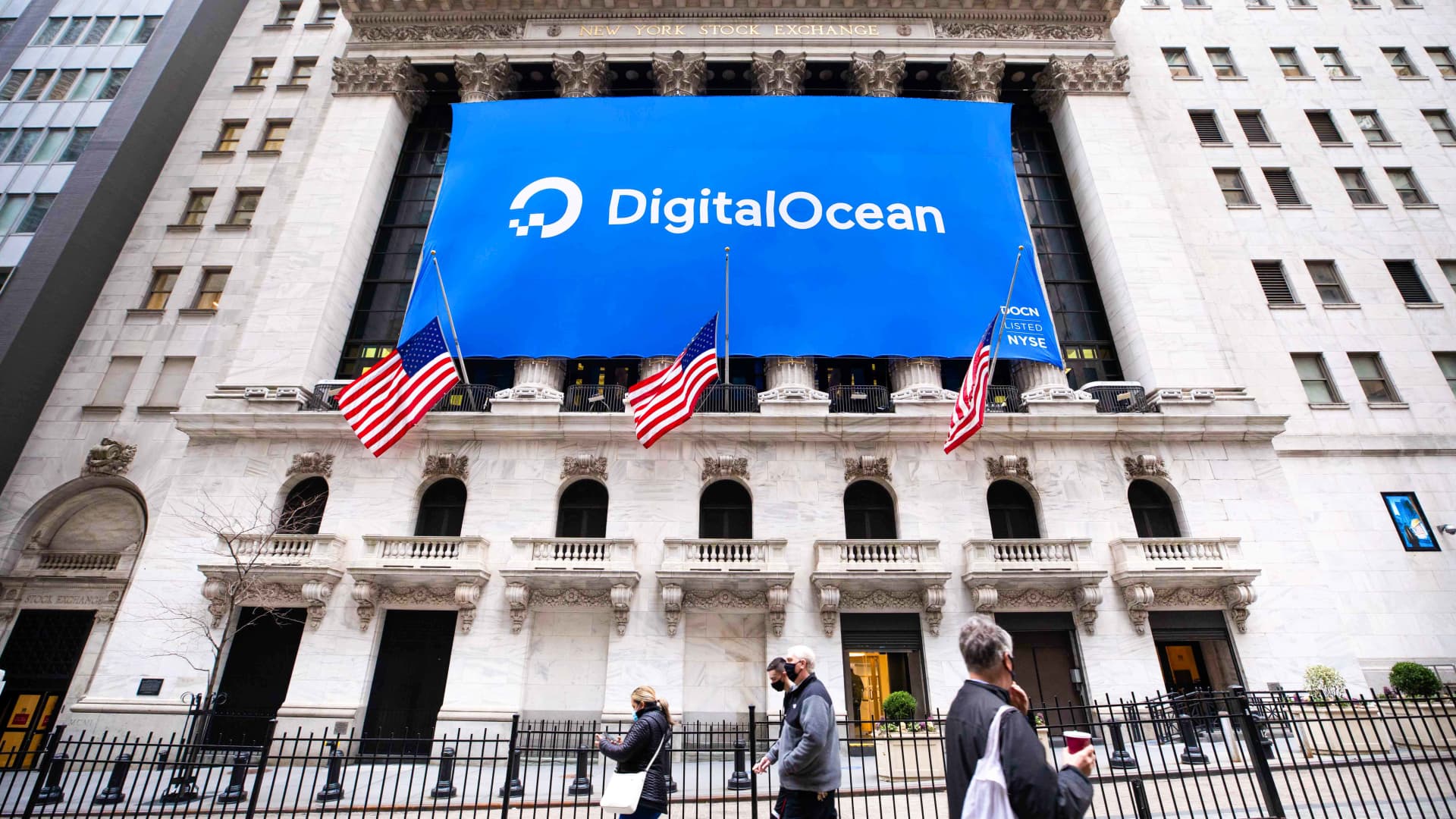
Small-Cap Stocks Set for Spring Surge, Oppenheimer Says


- Alumis Outperformance: Oppenheimer identifies Alumis as a top small-cap stock, having more than doubled in 2026, reflecting strong market demand, with a price target of $55 indicating nearly 150% upside from Tuesday's close.
- Success of Envudeucitinib: Alumis's recent successful trials of its envudeucitinib drug for plaque psoriasis have bolstered analyst Jeff Jones's confidence, highlighting its biologic-like efficacy and favorable safety profile compared to first-generation alternatives.
- Optimistic Outlook for Nurix Therapeutics: Despite an 18% decline year-to-date, analyst Matthew Biegler maintains a $28 price target for Nurix, representing an 80% upside from Tuesday's close, driven by the potential of its cancer and autoimmune disease drug portfolio.
- Growth Potential of DigitalOcean: Oppenheimer views DigitalOcean as a turnaround story, with analyst Param Singh setting a $100 price target, suggesting over 16% upside from Tuesday's close, noting increasing customer demand for its AI infrastructure services.
Eli Lilly's AI Investment: Implications for Its Stock Performance.

Eli Lilly's AI Integration: Eli Lilly is positioning itself as a leader in the healthcare industry's integration of artificial intelligence, indicating it has been proactive in this area.
Industry Response: The healthcare sector is currently working to adopt AI technologies, highlighting a broader trend towards innovation in medical practices.
Bristol Myers Squibb Reports Positive Results for Heart Drug Camzyos
- Clinical Trial Results: Bristol Myers Squibb's heart drug Camzyos demonstrated significant efficacy in a Phase 3 trial involving adolescents aged 12 to 17, effectively reducing heart pressure and improving heart function and symptoms, indicating its potential to be the first approved treatment for rare heart disease in this demographic.
- Patient Improvement: Among the 44 patients in the trial, those treated with Camzyos exhibited consistent improvements across various heart performance metrics, including reduced obstruction and changes in heart structure, highlighting the drug's effectiveness and potential market in adolescent patients.
- Safety Assessment: The safety profile of Camzyos was encouraging, with side effect rates similar between the drug and placebo groups, and no new safety concerns identified during the study, further bolstering its prospects for use in younger patients.
- Future Research Plans: Bristol Myers Squibb intends to continue studying Camzyos and present longer-term results in the future; if approved by regulators, the drug could provide a new treatment option for adolescents, potentially improving symptoms and reducing the need for more invasive procedures.
Camzyos Achieves Positive Results in Adolescent Hypertrophic Cardiomyopathy Trial
- Trial Success: Camzyos met its primary endpoint in the SCOUT-HCM Phase 3 trial, demonstrating a statistically significant reduction in Valsalva left ventricular outflow tract (LVOT) gradient at Week 28 with a least-squares mean difference of −48.0 mm Hg (P < 0.0001), indicating its potential as a treatment for adolescent hypertrophic cardiomyopathy.
- Safety Profile: The safety profile of Camzyos in adolescents was comparable to that in adults, with no new safety signals identified and no patients experiencing left ventricular ejection fraction (LVEF) below 50%, providing reassurance for its use in this population.
- Multiple Improvements: In addition to the primary endpoint, Camzyos showed significant improvements in several secondary endpoints, including LV obstruction and diastolic function, reinforcing its position as a leading treatment option for adolescents with obstructive hypertrophic cardiomyopathy.
- Future Prospects: Bristol Myers Squibb plans to present 56-week data at an upcoming medical congress, further validating the long-term efficacy and safety of Camzyos, potentially offering a paradigm-changing treatment option for adolescent patients.
Bristol-Myers Squibb Co: Findings Indicate Camzyos Could Be the First Targeted Pharmacological Treatment for OHCM in Adolescents
Research Findings: Bristol-Myers Squibb's results indicate the potential of Camzyos as a first targeted pharmacological therapy for treating OHC in adolescents.
Therapeutic Implications: The study highlights the significance of targeted therapies in addressing specific health conditions in younger populations.
Trump Administration Plans 100% Tariffs on Imported Pharmaceuticals
- Tariff Policy Shift: The Trump administration is preparing to impose tariffs of up to 100% on branded drugs from companies that have not negotiated price reductions, potentially impacting major pharmaceutical firms like Eli Lilly, Pfizer, and Novo Nordisk, thereby increasing price volatility in the drug market.
- Manufacturing Incentives: Drugmakers can reduce or avoid tariffs by relocating production to the U.S. or negotiating deals with the administration, aiming to stimulate domestic manufacturing and potentially leading to a resurgence of investments in the pharmaceutical sector.
- Tariff Implementation Details: The draft proposal includes a 20% tariff for companies planning to onshore production, escalating to 100% in four years, which could significantly influence the long-term strategic positioning of the pharmaceutical industry.
- National Security Considerations: The tariff proposal stems from a Commerce Department investigation that identified certain pharmaceutical imports as a national security risk, highlighting the government's heightened focus on the security of drug supply chains.
Small-Cap Stocks Set for Spring Surge, Oppenheimer Says
- Alumis Outperformance: Oppenheimer identifies Alumis as a top small-cap stock, having more than doubled in 2026, reflecting strong market demand, with a price target of $55 indicating nearly 150% upside from Tuesday's close.
- Success of Envudeucitinib: Alumis's recent successful trials of its envudeucitinib drug for plaque psoriasis have bolstered analyst Jeff Jones's confidence, highlighting its biologic-like efficacy and favorable safety profile compared to first-generation alternatives.
- Optimistic Outlook for Nurix Therapeutics: Despite an 18% decline year-to-date, analyst Matthew Biegler maintains a $28 price target for Nurix, representing an 80% upside from Tuesday's close, driven by the potential of its cancer and autoimmune disease drug portfolio.
- Growth Potential of DigitalOcean: Oppenheimer views DigitalOcean as a turnaround story, with analyst Param Singh setting a $100 price target, suggesting over 16% upside from Tuesday's close, noting increasing customer demand for its AI infrastructure services.
Eli Lilly's AI Investment: Implications for Its Stock Performance.
Eli Lilly's AI Integration: Eli Lilly is positioning itself as a leader in the healthcare industry's integration of artificial intelligence, indicating it has been proactive in this area.
Industry Response: The healthcare sector is currently working to adopt AI technologies, highlighting a broader trend towards innovation in medical practices.
Bristol Myers Squibb Reports Positive Results for Heart Drug Camzyos
- Clinical Trial Results: Bristol Myers Squibb's heart drug Camzyos demonstrated significant efficacy in a Phase 3 trial involving adolescents aged 12 to 17, effectively reducing heart pressure and improving heart function and symptoms, indicating its potential to be the first approved treatment for rare heart disease in this demographic.
- Patient Improvement: Among the 44 patients in the trial, those treated with Camzyos exhibited consistent improvements across various heart performance metrics, including reduced obstruction and changes in heart structure, highlighting the drug's effectiveness and potential market in adolescent patients.
- Safety Assessment: The safety profile of Camzyos was encouraging, with side effect rates similar between the drug and placebo groups, and no new safety concerns identified during the study, further bolstering its prospects for use in younger patients.
- Future Research Plans: Bristol Myers Squibb intends to continue studying Camzyos and present longer-term results in the future; if approved by regulators, the drug could provide a new treatment option for adolescents, potentially improving symptoms and reducing the need for more invasive procedures.
Camzyos Achieves Positive Results in Adolescent Hypertrophic Cardiomyopathy Trial
- Trial Success: Camzyos met its primary endpoint in the SCOUT-HCM Phase 3 trial, demonstrating a statistically significant reduction in Valsalva left ventricular outflow tract (LVOT) gradient at Week 28 with a least-squares mean difference of −48.0 mm Hg (P < 0.0001), indicating its potential as a treatment for adolescent hypertrophic cardiomyopathy.
- Safety Profile: The safety profile of Camzyos in adolescents was comparable to that in adults, with no new safety signals identified and no patients experiencing left ventricular ejection fraction (LVEF) below 50%, providing reassurance for its use in this population.
- Multiple Improvements: In addition to the primary endpoint, Camzyos showed significant improvements in several secondary endpoints, including LV obstruction and diastolic function, reinforcing its position as a leading treatment option for adolescents with obstructive hypertrophic cardiomyopathy.
- Future Prospects: Bristol Myers Squibb plans to present 56-week data at an upcoming medical congress, further validating the long-term efficacy and safety of Camzyos, potentially offering a paradigm-changing treatment option for adolescent patients.
Bristol-Myers Squibb Co: Findings Indicate Camzyos Could Be the First Targeted Pharmacological Treatment for OHCM in Adolescents
Research Findings: Bristol-Myers Squibb's results indicate the potential of Camzyos as a first targeted pharmacological therapy for treating OHC in adolescents.
Therapeutic Implications: The study highlights the significance of targeted therapies in addressing specific health conditions in younger populations.