Bristol Myers Squibb Faces Patent Cliffs Ahead
Written by Emily J. Thompson, Senior Investment Analyst
Updated: 10 hours ago
0mins
Should l Buy BMY?
Source: NASDAQ.COM
- Patent Cliff Risks: Bristol Myers Squibb is set to face more patent cliffs in the coming years, with its two best-selling drugs, Opdivo and Eliquis, losing patent protection by the end of the decade, which could lead to significant underperformance against broader equities and potentially be a wealth destroyer over the next five years.
- New Drug Sales Growth: Despite challenges, the company reported a 3% year-over-year revenue increase in Q1 to $11.5 billion, with Eliquis and Opdivo accounting for over 60% of sales, indicating potential in new drug sales, particularly with Reblozyl's 16% growth to $555 million.
- Pipeline Outlook: The next-generation anticoagulant Milvexian, currently in phase 3 trials, is expected to generate over $1 billion in annual sales if successful, potentially replacing Eliquis and enhancing the company's competitive position in the anticoagulant market.
- Attractive Valuation and Dividends: Trading at 9x forward earnings, significantly below the healthcare sector average of 16.8, and offering a 4.5% dividend yield, Bristol Myers Squibb remains appealing to value investors and income seekers, despite short-term sales growth challenges, due to its strong pipeline and growth potential.
Trade with 70% Backtested Accuracy
Stop guessing "Should I Buy BMY?" and start using high-conviction signals backed by rigorous historical data.
Sign up today to access powerful investing tools and make smarter, data-driven decisions.
Analyst Views on BMY
Wall Street analysts forecast BMY stock price to fall
20 Analyst Rating
8 Buy
11 Hold
1 Sell
Moderate Buy
Current: 56.160

Low
37.00
Averages
55.86
High
68.00
Current: 56.160
Low
37.00
Averages
55.86
High
68.00
About BMY
Bristol-Myers Squibb Company is a global biopharmaceutical company. It is engaged in the discovery, development, and delivery of transformational medicines for patients facing serious diseases in areas: oncology, hematology, immunology, cardiovascular, neuroscience and other areas. Its growth portfolio includes Opdivo (nivolumab), Opdivo Qvantig (nivolumab and hyaluronidase-nvhy), Orencia (abatacept), Yervoy (ipilimumab), Reblozyl (luspatercept-aamt), Breyanzi (lisocabtagene maraleucel), Opdualag (nivolumab and relatlimab-rmbw), Camzyos (mavacamten), Zeposia (ozanimod), Abecma (idecabtagene vicleucel), Sotyktu (deucravacitinib), Krazati (adagrasib), and Cobenfy (xanomeline and trospium chloride). Its other growth products include Augtyro, Onureg, Inrebic, Nulojix, and Empliciti. Its legacy portfolio includes Eliquis (apixaban), Revlimid (lenalidomide), Pomalyst/Imnovid (pomalidomide), Sprycel (dasatinib), and Abraxane (paclitaxel albumin-bound particles for injectable suspension).
About the author

Emily J. Thompson
Emily J. Thompson, a Chartered Financial Analyst (CFA) with 12 years in investment research, graduated with honors from the Wharton School. Specializing in industrial and technology stocks, she provides in-depth analysis for Intellectia’s earnings and market brief reports.

Bristol Myers Squibb and Hengrui Pharma Form $15.2B Global Partnership

- Partnership Scale: The global partnership between Bristol Myers Squibb and Hengrui Pharma is valued at up to $15.2 billion, encompassing as many as 13 R&D programs in oncology, hematology, and immunology, highlighting a significant collaboration in the biopharmaceutical sector.
- Asset Sharing Arrangement: Under the agreement, Bristol Myers Squibb will gain exclusive worldwide rights to Hengrui-discovered assets outside of China, while Hengrui will hold exclusive rights to Bristol Myers assets within its territories, enhancing both companies' competitive edge in the global market.
- Funding Structure: Hengrui Pharma is set to receive up to $950 million, including $600 million upfront and $175 million anniversary payments in 2027 and 2028, providing substantial financial backing for its R&D initiatives.
- Future Revenue Potential: The agreement is expected to close in Q3 2026, allowing Hengrui to earn tiered royalties on net sales of products marketed outside its territories, which not only ensures a continuous revenue stream for Hengrui but also solidifies the foundation for long-term collaboration between the two firms.
See More
Bristol-Myers Squibb and Hengrui Pharma Sign Collaboration Agreement
- Collaboration Agreement: Bristol-Myers Squibb and Hengrui Pharma have signed a collaboration and licensing agreement aimed at jointly developing new drugs, which is expected to enhance both companies' competitiveness in the global market.
- Market Potential: This partnership will allow both parties to leverage their respective R&D capabilities and market resources, potentially accelerating the drug development timeline and increasing market share in the biopharmaceutical sector.
- Strategic Implications: Through this collaboration, Bristol-Myers Squibb can further expand its influence in the Chinese market, while Hengrui Pharma will seize the opportunity to enhance its international presence and global competitiveness.
- R&D Investment: Both companies will invest resources in new drug development, which is expected to lay the groundwork for future innovative drug creation and drive long-term growth for both firms.
See More
Bristol Myers Squibb Faces Patent Cliff Challenges

- Weak Sales Growth: Bristol Myers Squibb's first-quarter revenue grew only 3% year-over-year to $11.5 billion, with Eliquis and Opdivo accounting for over half at $6.3 billion, indicating pressure on the company's medium-term outlook that may affect shareholder confidence.
- Strong New Product Performance: Despite facing patent expiration risks, Reblozyl saw a 16% year-over-year sales increase to $555 million in Q1, while the new Opdivo Qvantig surged over 200% to $163 million, showcasing the company's potential in new product development.
- Pipeline Progress is Crucial: Bristol Myers is conducting dozens of clinical trials, with Milvexian, a next-gen anticoagulant, expected to generate over $1 billion in annual sales if successful, which could help replace Eliquis and enhance the company's market competitiveness.
- Attractive Long-Term Investment: Although current sales growth is slow, Bristol Myers trades at a forward P/E of 9, below the healthcare sector average of 16.8, and with a strong pipeline and stable dividend yield, long-term investors should consider the stock's potential value.
See More

Bristol Myers Squibb Faces Patent Cliffs Ahead
- Patent Cliff Risks: Bristol Myers Squibb is set to face more patent cliffs in the coming years, with its two best-selling drugs, Opdivo and Eliquis, losing patent protection by the end of the decade, which could lead to significant underperformance against broader equities and potentially be a wealth destroyer over the next five years.
- New Drug Sales Growth: Despite challenges, the company reported a 3% year-over-year revenue increase in Q1 to $11.5 billion, with Eliquis and Opdivo accounting for over 60% of sales, indicating potential in new drug sales, particularly with Reblozyl's 16% growth to $555 million.
- Pipeline Outlook: The next-generation anticoagulant Milvexian, currently in phase 3 trials, is expected to generate over $1 billion in annual sales if successful, potentially replacing Eliquis and enhancing the company's competitive position in the anticoagulant market.
- Attractive Valuation and Dividends: Trading at 9x forward earnings, significantly below the healthcare sector average of 16.8, and offering a 4.5% dividend yield, Bristol Myers Squibb remains appealing to value investors and income seekers, despite short-term sales growth challenges, due to its strong pipeline and growth potential.
See More
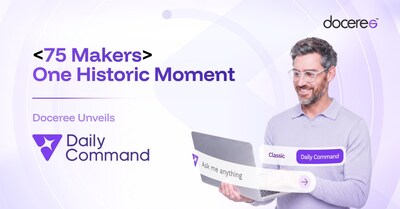
Doceree Launches New System for Pharma Brand Teams


- Collaboration of Industry Leaders: Doceree's Daily Command system, co-built by 75 senior operators including 18 leaders from firms like Sanofi and Merck, signifies a fundamental shift in how pharmaceutical brand teams operate, enhancing decision-making efficiency and transparency.
- Workflow Transformation: Daily Command integrates strategies, creative, and measurement frameworks into a single platform, enabling brand teams to access and manage their work in real-time, significantly improving operational efficiency and team collaboration.
- Market Competitive Advantage: In an environment where pharmaceutical marketing budgets are under sustained pressure, agencies adopting Daily Command will be able to showcase their strategic recommendations within brand teams' daily decision-making processes, thereby increasing client retention and ensuring a competitive edge in the future.
- Open Ecosystem: The Daily Command marketplace allows agencies to integrate their proprietary tools and measurement frameworks directly into the system, ensuring that agencies' intellectual property and data partnerships remain intact, thus fostering innovation and collaboration.
See More
Biotech Dealmaking Accelerates Ahead of Patent Cliffs
- Surge in M&A Activity: Biotech M&A deal value reached $84 billion in Q1 2026, a staggering 89.4% increase from $44.4 billion a year earlier, indicating a robust market recovery, with projections suggesting total annual deal value could exceed $250 billion, ranking second only to 2019.
- Patent Cliffs Catalyst: Pharmaceutical companies are accelerating M&A due to impending patent cliffs, with over $300 billion in revenue facing loss of exclusivity in the next five years, particularly with Merck's Keytruda losing exclusivity in 2028, adding to market uncertainty.
- Strong Cash Reserves Fuel Acquisitions: Eli Lilly, for instance, ended 2025 with over $7.27 billion in cash and equivalents, having spent over $35 billion on acquisitions in 2023, demonstrating that strong financial positions make M&A decisions more justifiable at the board level.
- Mid-Sized Deals Dominate: Recent CEO transitions at GSK and Novo Nordisk have led to more aggressive M&A strategies, with analysts noting that the global revenue exposed to patent expirations over the next seven years is 2.5 times higher than in the last 16 years, further driving the activity in mid-sized deals.
See More
Bristol Myers Squibb and Hengrui Pharma Form $15.2B Global Partnership
- Partnership Scale: The global partnership between Bristol Myers Squibb and Hengrui Pharma is valued at up to $15.2 billion, encompassing as many as 13 R&D programs in oncology, hematology, and immunology, highlighting a significant collaboration in the biopharmaceutical sector.
- Asset Sharing Arrangement: Under the agreement, Bristol Myers Squibb will gain exclusive worldwide rights to Hengrui-discovered assets outside of China, while Hengrui will hold exclusive rights to Bristol Myers assets within its territories, enhancing both companies' competitive edge in the global market.
- Funding Structure: Hengrui Pharma is set to receive up to $950 million, including $600 million upfront and $175 million anniversary payments in 2027 and 2028, providing substantial financial backing for its R&D initiatives.
- Future Revenue Potential: The agreement is expected to close in Q3 2026, allowing Hengrui to earn tiered royalties on net sales of products marketed outside its territories, which not only ensures a continuous revenue stream for Hengrui but also solidifies the foundation for long-term collaboration between the two firms.
See More
Bristol-Myers Squibb and Hengrui Pharma Sign Collaboration Agreement
- Collaboration Agreement: Bristol-Myers Squibb and Hengrui Pharma have signed a collaboration and licensing agreement aimed at jointly developing new drugs, which is expected to enhance both companies' competitiveness in the global market.
- Market Potential: This partnership will allow both parties to leverage their respective R&D capabilities and market resources, potentially accelerating the drug development timeline and increasing market share in the biopharmaceutical sector.
- Strategic Implications: Through this collaboration, Bristol-Myers Squibb can further expand its influence in the Chinese market, while Hengrui Pharma will seize the opportunity to enhance its international presence and global competitiveness.
- R&D Investment: Both companies will invest resources in new drug development, which is expected to lay the groundwork for future innovative drug creation and drive long-term growth for both firms.
See More
Bristol Myers Squibb Faces Patent Cliff Challenges
- Weak Sales Growth: Bristol Myers Squibb's first-quarter revenue grew only 3% year-over-year to $11.5 billion, with Eliquis and Opdivo accounting for over half at $6.3 billion, indicating pressure on the company's medium-term outlook that may affect shareholder confidence.
- Strong New Product Performance: Despite facing patent expiration risks, Reblozyl saw a 16% year-over-year sales increase to $555 million in Q1, while the new Opdivo Qvantig surged over 200% to $163 million, showcasing the company's potential in new product development.
- Pipeline Progress is Crucial: Bristol Myers is conducting dozens of clinical trials, with Milvexian, a next-gen anticoagulant, expected to generate over $1 billion in annual sales if successful, which could help replace Eliquis and enhance the company's market competitiveness.
- Attractive Long-Term Investment: Although current sales growth is slow, Bristol Myers trades at a forward P/E of 9, below the healthcare sector average of 16.8, and with a strong pipeline and stable dividend yield, long-term investors should consider the stock's potential value.
See More
Bristol Myers Squibb Faces Patent Cliffs Ahead
- Patent Cliff Risks: Bristol Myers Squibb is set to face more patent cliffs in the coming years, with its two best-selling drugs, Opdivo and Eliquis, losing patent protection by the end of the decade, which could lead to significant underperformance against broader equities and potentially be a wealth destroyer over the next five years.
- New Drug Sales Growth: Despite challenges, the company reported a 3% year-over-year revenue increase in Q1 to $11.5 billion, with Eliquis and Opdivo accounting for over 60% of sales, indicating potential in new drug sales, particularly with Reblozyl's 16% growth to $555 million.
- Pipeline Outlook: The next-generation anticoagulant Milvexian, currently in phase 3 trials, is expected to generate over $1 billion in annual sales if successful, potentially replacing Eliquis and enhancing the company's competitive position in the anticoagulant market.
- Attractive Valuation and Dividends: Trading at 9x forward earnings, significantly below the healthcare sector average of 16.8, and offering a 4.5% dividend yield, Bristol Myers Squibb remains appealing to value investors and income seekers, despite short-term sales growth challenges, due to its strong pipeline and growth potential.
See More
Doceree Launches New System for Pharma Brand Teams
- Collaboration of Industry Leaders: Doceree's Daily Command system, co-built by 75 senior operators including 18 leaders from firms like Sanofi and Merck, signifies a fundamental shift in how pharmaceutical brand teams operate, enhancing decision-making efficiency and transparency.
- Workflow Transformation: Daily Command integrates strategies, creative, and measurement frameworks into a single platform, enabling brand teams to access and manage their work in real-time, significantly improving operational efficiency and team collaboration.
- Market Competitive Advantage: In an environment where pharmaceutical marketing budgets are under sustained pressure, agencies adopting Daily Command will be able to showcase their strategic recommendations within brand teams' daily decision-making processes, thereby increasing client retention and ensuring a competitive edge in the future.
- Open Ecosystem: The Daily Command marketplace allows agencies to integrate their proprietary tools and measurement frameworks directly into the system, ensuring that agencies' intellectual property and data partnerships remain intact, thus fostering innovation and collaboration.
See More
Biotech Dealmaking Accelerates Ahead of Patent Cliffs
- Surge in M&A Activity: Biotech M&A deal value reached $84 billion in Q1 2026, a staggering 89.4% increase from $44.4 billion a year earlier, indicating a robust market recovery, with projections suggesting total annual deal value could exceed $250 billion, ranking second only to 2019.
- Patent Cliffs Catalyst: Pharmaceutical companies are accelerating M&A due to impending patent cliffs, with over $300 billion in revenue facing loss of exclusivity in the next five years, particularly with Merck's Keytruda losing exclusivity in 2028, adding to market uncertainty.
- Strong Cash Reserves Fuel Acquisitions: Eli Lilly, for instance, ended 2025 with over $7.27 billion in cash and equivalents, having spent over $35 billion on acquisitions in 2023, demonstrating that strong financial positions make M&A decisions more justifiable at the board level.
- Mid-Sized Deals Dominate: Recent CEO transitions at GSK and Novo Nordisk have led to more aggressive M&A strategies, with analysts noting that the global revenue exposed to patent expirations over the next seven years is 2.5 times higher than in the last 16 years, further driving the activity in mid-sized deals.
See More