Bristol Myers Squibb and Pfizer Launch Eliquis Collaboration
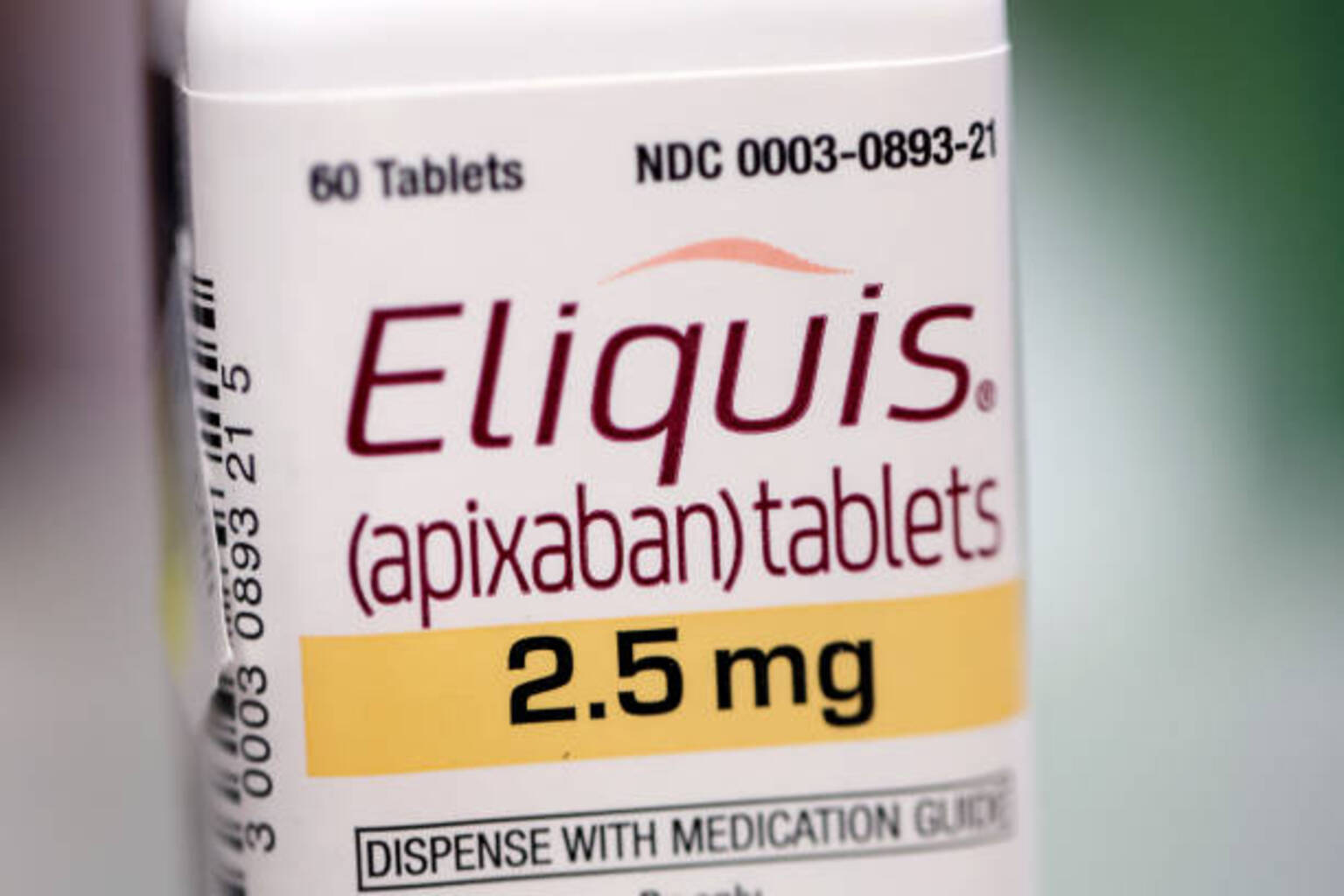
The Bristol Myers Squibb-Pfizer (BMY) - Pfizer (PFE) Alliance announced the launch of a collaboration with Mark Cuban Cost Plus Drug Company to offer Eliquis, or apixaban, on CostPlusDrugs.com. Eliquis is one of the most widely prescribed oral anticoagulants in the United States and one of the largest brands in the space to be offered on the site, which allows patients to purchase prescription medicines directly at reduced costs, providing another avenue for patients to access the medication. Beginning April 27, 2026, Eliquis will be available on Cost Plus Drugs, and patients with a prescription will pay a total of $345 for a 30-day supply. Teaming up with Cost Plus Drugs provides another option for cash-paying patients to access Eliquis directly. Eliquis is an important treatment option for patients with atrial fibrillation, or AFib, not caused by a heart valve problem, to reduce the risk of stroke and blood clots, as well as to treat blood clots in the veins of the legs or lungs and reduce the risk of them recurring. For every 100,000 patients treated, Eliquis has resulted in an estimated $3B in total healthcare cost savings and avoidance, such as hospitalization and extended rehabilitation needs.
Trade with 70% Backtested Accuracy
Analyst Views on BMY

About BMY
About the author


Healthcare Shareholders Await Recovery Amid Dividend Payouts


- Medical Device Market Performance: Medtronic reported $9 billion in revenue for Q3 2026, an 8.7% increase year-over-year, despite a 35% drop in stock price over the past five years; its 3.3% dividend yield provides stable returns, alleviating shareholder concerns amid price volatility.
- Pharmaceutical Sales Challenges: Sanofi's Dupixent saw a 32.2% sales increase to €4.2 billion in 2025, yet faces patent expiration risks; the company anticipates a high-single-digit percentage sales growth in 2026, supported by a 5% dividend yield that offers ongoing shareholder returns.
- Growth Portfolio Potential: Bristol Myers Squibb's growth portfolio revenue rose from $22.6 billion to $26.4 billion in 2025, despite a 10% stock price decline over five years; its 4.2% dividend yield remains attractive to investors, particularly as legacy portfolio revenues decline.
- Market Outlook Uncertainty: Despite overall poor performance in healthcare stocks, investors remain optimistic about dividends from Medtronic, Sanofi, and Bristol Myers Squibb, as these companies enhance shareholder confidence through consistent dividend payments, reflecting the long-term investment value in the healthcare sector.

Healthcare Investors Hold Steady Amid Stock Declines
- Medtronic Financials: Medtronic reported $9 billion in revenue for Q3 2026, an 8.7% increase year-over-year, despite a more than 35% stock price drop over the past five years; the company has consistently raised its dividend for 48 years, currently yielding 3.3%, demonstrating a strong commitment to shareholders.
- Sanofi Drug Sales: Sanofi's Dupixent saw a 32.2% sales increase in 2025, generating €4.2 billion, and while facing patent expiration risks, total sales are expected to grow in the high single digits in 2026, with a dividend yield of 4.69%, providing stable returns for shareholders.
- Bristol Myers Growth Potential: Bristol Myers' growth portfolio revenue increased from $22.6 billion in 2024 to $26.4 billion in 2025, and although overall revenue is expected to slightly decline in 2026, the company maintains a 4.2% dividend yield, showcasing resilience and potential in the market.
- Investor Confidence: Despite challenges in healthcare stocks, all three companies offer attractive dividend yields, encouraging investors to hold their positions in a volatile market, reflecting the long-term investment value of the healthcare sector.

Three Healthcare Stocks Offering Dividends Amidst Recovery Wait
- Medtronic's Financial Status: Medtronic reported $9 billion in revenue for Q3 2026, an 8.7% increase year-over-year, despite a stock price decline of over 35% in the past five years; the company has consistently raised its dividend for 48 years, currently yielding 3.3%, demonstrating its commitment to shareholders.
- Sanofi's Challenges: Sanofi's Dupixent drug saw a 32.2% sales increase in 2025, generating €4.2 billion, but faces patent expiration risks; the company expects total sales to rise by a high-single-digit percentage in 2026 while offering a 5% dividend yield to attract investors.
- Bristol Myers Squibb's Growth Potential: Although Bristol Myers Squibb's stock price has dropped about 10% over the past five years, its

U.S. Stocks Near All-Time Highs as Investors Eye Tech Giants' Earnings


- Strong Market Performance: The S&P 500 and Nasdaq Composite indices reached new all-time highs in April, rising over 8% and 13% respectively, indicating robust market resilience despite ongoing geopolitical tensions and AI disruption concerns, reflecting investor confidence in tech stocks.
- Earnings Pressure on Tech Giants: Next week, five of the 'Magnificent Seven' companies will report earnings, with market expectations for them to demonstrate sufficient revenue growth to justify their high AI expenditures; Alphabet, Amazon, Meta, and Microsoft have all seen stock price increases of over 10% this month, highlighting the market's keen interest in their performance.
- Federal Reserve Meeting Impact: This is expected to be Jerome Powell's last meeting as chair, with the market widely anticipating that the Fed will keep interest rates unchanged, although rising oil prices could complicate future monetary policy, necessitating close attention to how this dynamic may affect the market.
- Cautious Investor Sentiment: As the traditional market adage 'Sell in May' approaches, investors remain wary of potential downside risks, particularly in light of poor software stock performance and rising oil prices, which could further dampen market sentiment.
Eliquis to Launch on Mark Cuban Cost Plus Drug Website


- Platform Launch: Bristol Myers Squibb and Pfizer's blockbuster blood thinner Eliquis will launch on the Mark Cuban Cost Plus Drug website on April 27, marking a significant step towards drug pricing transparency by both companies.
- Pricing Strategy: A 30-day supply of Eliquis will cost $345, matching the existing price of Bristol and Pfizer's Eliquis Direct-to-Patient program, aimed at enhancing market competitiveness by reducing patient burden.
- Broad Indications: Eliquis is approved to reduce the risk of stroke and blood clots in individuals with atrial fibrillation, as well as for deep vein thrombosis and pulmonary embolism, highlighting its importance in cardiovascular disease management.
- Market Outlook: Despite a rating downgrade for Bristol Myers Squibb's outlook, the strong demand for Eliquis may lead to unexpectedly positive results for Pfizer in upcoming earnings reports.
Bristol Myers Squibb-Pfizer Alliance Partners with Cost Plus Drugs for Eliquis Access
- Expanded Access Channels: The Bristol Myers Squibb-Pfizer Alliance has partnered with Cost Plus Drugs to offer Eliquis on CostPlusDrugs.com starting April 27, 2026, allowing cash-paying patients to purchase the medication for $345, significantly lowering access costs and enhancing patient availability.
- Market Demand Response: This collaboration addresses the strong market demand for Eliquis, with Cost Plus Drugs co-founder Mark Cuban emphasizing that patients should not have to guess medication prices, thereby providing a clearer and more direct access route that empowers patients.
- Healthcare Cost Savings: Eliquis is projected to save an estimated $3 billion in healthcare costs for every 100,000 patients treated, reducing hospitalization and rehabilitation needs, highlighting the drug's strategic importance in improving patient health and lowering overall healthcare expenditures.
- Continuation of Patient Support Programs: This partnership follows the 2025 launch of the Eliquis 360 Support program, further solidifying the BMS-Pfizer Alliance's commitment to patient resource support and aiming to enhance patient medication experiences through diversified access channels.
Healthcare Shareholders Await Recovery Amid Dividend Payouts
- Medical Device Market Performance: Medtronic reported $9 billion in revenue for Q3 2026, an 8.7% increase year-over-year, despite a 35% drop in stock price over the past five years; its 3.3% dividend yield provides stable returns, alleviating shareholder concerns amid price volatility.
- Pharmaceutical Sales Challenges: Sanofi's Dupixent saw a 32.2% sales increase to €4.2 billion in 2025, yet faces patent expiration risks; the company anticipates a high-single-digit percentage sales growth in 2026, supported by a 5% dividend yield that offers ongoing shareholder returns.
- Growth Portfolio Potential: Bristol Myers Squibb's growth portfolio revenue rose from $22.6 billion to $26.4 billion in 2025, despite a 10% stock price decline over five years; its 4.2% dividend yield remains attractive to investors, particularly as legacy portfolio revenues decline.
- Market Outlook Uncertainty: Despite overall poor performance in healthcare stocks, investors remain optimistic about dividends from Medtronic, Sanofi, and Bristol Myers Squibb, as these companies enhance shareholder confidence through consistent dividend payments, reflecting the long-term investment value in the healthcare sector.
Healthcare Investors Hold Steady Amid Stock Declines
- Medtronic Financials: Medtronic reported $9 billion in revenue for Q3 2026, an 8.7% increase year-over-year, despite a more than 35% stock price drop over the past five years; the company has consistently raised its dividend for 48 years, currently yielding 3.3%, demonstrating a strong commitment to shareholders.
- Sanofi Drug Sales: Sanofi's Dupixent saw a 32.2% sales increase in 2025, generating €4.2 billion, and while facing patent expiration risks, total sales are expected to grow in the high single digits in 2026, with a dividend yield of 4.69%, providing stable returns for shareholders.
- Bristol Myers Growth Potential: Bristol Myers' growth portfolio revenue increased from $22.6 billion in 2024 to $26.4 billion in 2025, and although overall revenue is expected to slightly decline in 2026, the company maintains a 4.2% dividend yield, showcasing resilience and potential in the market.
- Investor Confidence: Despite challenges in healthcare stocks, all three companies offer attractive dividend yields, encouraging investors to hold their positions in a volatile market, reflecting the long-term investment value of the healthcare sector.
Three Healthcare Stocks Offering Dividends Amidst Recovery Wait
- Medtronic's Financial Status: Medtronic reported $9 billion in revenue for Q3 2026, an 8.7% increase year-over-year, despite a stock price decline of over 35% in the past five years; the company has consistently raised its dividend for 48 years, currently yielding 3.3%, demonstrating its commitment to shareholders.
- Sanofi's Challenges: Sanofi's Dupixent drug saw a 32.2% sales increase in 2025, generating €4.2 billion, but faces patent expiration risks; the company expects total sales to rise by a high-single-digit percentage in 2026 while offering a 5% dividend yield to attract investors.
- Bristol Myers Squibb's Growth Potential: Although Bristol Myers Squibb's stock price has dropped about 10% over the past five years, its
U.S. Stocks Near All-Time Highs as Investors Eye Tech Giants' Earnings
- Strong Market Performance: The S&P 500 and Nasdaq Composite indices reached new all-time highs in April, rising over 8% and 13% respectively, indicating robust market resilience despite ongoing geopolitical tensions and AI disruption concerns, reflecting investor confidence in tech stocks.
- Earnings Pressure on Tech Giants: Next week, five of the 'Magnificent Seven' companies will report earnings, with market expectations for them to demonstrate sufficient revenue growth to justify their high AI expenditures; Alphabet, Amazon, Meta, and Microsoft have all seen stock price increases of over 10% this month, highlighting the market's keen interest in their performance.
- Federal Reserve Meeting Impact: This is expected to be Jerome Powell's last meeting as chair, with the market widely anticipating that the Fed will keep interest rates unchanged, although rising oil prices could complicate future monetary policy, necessitating close attention to how this dynamic may affect the market.
- Cautious Investor Sentiment: As the traditional market adage 'Sell in May' approaches, investors remain wary of potential downside risks, particularly in light of poor software stock performance and rising oil prices, which could further dampen market sentiment.
Eliquis to Launch on Mark Cuban Cost Plus Drug Website
- Platform Launch: Bristol Myers Squibb and Pfizer's blockbuster blood thinner Eliquis will launch on the Mark Cuban Cost Plus Drug website on April 27, marking a significant step towards drug pricing transparency by both companies.
- Pricing Strategy: A 30-day supply of Eliquis will cost $345, matching the existing price of Bristol and Pfizer's Eliquis Direct-to-Patient program, aimed at enhancing market competitiveness by reducing patient burden.
- Broad Indications: Eliquis is approved to reduce the risk of stroke and blood clots in individuals with atrial fibrillation, as well as for deep vein thrombosis and pulmonary embolism, highlighting its importance in cardiovascular disease management.
- Market Outlook: Despite a rating downgrade for Bristol Myers Squibb's outlook, the strong demand for Eliquis may lead to unexpectedly positive results for Pfizer in upcoming earnings reports.
Bristol Myers Squibb-Pfizer Alliance Partners with Cost Plus Drugs for Eliquis Access
- Expanded Access Channels: The Bristol Myers Squibb-Pfizer Alliance has partnered with Cost Plus Drugs to offer Eliquis on CostPlusDrugs.com starting April 27, 2026, allowing cash-paying patients to purchase the medication for $345, significantly lowering access costs and enhancing patient availability.
- Market Demand Response: This collaboration addresses the strong market demand for Eliquis, with Cost Plus Drugs co-founder Mark Cuban emphasizing that patients should not have to guess medication prices, thereby providing a clearer and more direct access route that empowers patients.
- Healthcare Cost Savings: Eliquis is projected to save an estimated $3 billion in healthcare costs for every 100,000 patients treated, reducing hospitalization and rehabilitation needs, highlighting the drug's strategic importance in improving patient health and lowering overall healthcare expenditures.
- Continuation of Patient Support Programs: This partnership follows the 2025 launch of the Eliquis 360 Support program, further solidifying the BMS-Pfizer Alliance's commitment to patient resource support and aiming to enhance patient medication experiences through diversified access channels.