BP Plans Transition to Renewables with 5.6% Dividend Yield Amid Low Oil Prices
Written by Emily J. Thompson, Senior Investment Analyst
Updated: Jan 17 2026
0mins
Should l Buy BP?
Source: NASDAQ.COM
- Low Oil Price Environment: With crude oil and natural gas prices remaining low, the U.S. Energy Information Administration forecasts an average crude price of about $55 per barrel in 2023, further squeezing BP's profit margins, although the company can still perform well in this low-price environment.
- Renewable Energy Investment: BP's partnership with JERA Nex aims to develop offshore wind farms, currently generating about 1 gigawatt of power with plans to scale up to 13 gigawatts, enough to power approximately 10 million homes, demonstrating the company's proactive approach to transitioning to renewables.
- Low-Carbon Business Challenges: BP recently announced a non-cash impairment of $4 billion to $5 billion for its low-carbon business, highlighting the difficulties of transitioning from fossil fuels to renewables, even as the company prepares for future energy demands.
- Dividend Volatility: With a current dividend yield of 5.6%, BP's payouts are not consistent due to oil price fluctuations, although the renewable energy business is expected to support ongoing dividend payments in the long run.
Trade with 70% Backtested Accuracy
Stop guessing "Should I Buy BP?" and start using high-conviction signals backed by rigorous historical data.
Sign up today to access powerful investing tools and make smarter, data-driven decisions.
Analyst Views on BP
Wall Street analysts forecast BP stock price to rise
11 Analyst Rating
5 Buy
5 Hold
1 Sell
Moderate Buy
Current: 46.170

Low
6.38
Averages
84.26
High
503.69
Current: 46.170
Low
6.38
Averages
84.26
High
503.69
About BP
BP p.l.c. is a United Kingdom-based integrated energy company. Its segments include Gas & low carbon energy, Oil production & operations, Customers & products, and Other businesses & corporate. The gas & low carbon energy comprises regions with upstream businesses that predominantly produce natural gas, gas marketing and trading activities and its solar, wind and hydrogen businesses. The oil production & operations segment comprises regions with upstream activities that predominantly produce crude oil, including bpx energy. The customers & products segment comprises its customer-focused businesses, which include convenience and retail fuels, electric vehicle (EV) charging, as well as Castrol, aviation and business-to-business (B2B) and midstream. It also includes its products businesses, refining and oil trading, as well as its bioenergy businesses. The other businesses and corporate also comprises the Company's shipping and treasury functions, and corporate activities worldwide.
About the author

Emily J. Thompson
Emily J. Thompson, a Chartered Financial Analyst (CFA) with 12 years in investment research, graduated with honors from the Wharton School. Specializing in industrial and technology stocks, she provides in-depth analysis for Intellectia’s earnings and market brief reports.

Iran and Oman Protocol Raises Market Hopes for Strait of Hormuz


- Oil Price Surge: Oil prices surged significantly as Iran and Oman drafted a protocol for monitoring the Strait of Hormuz, with U.S. crude futures jumping nearly 12% to $112.06 per barrel, indicating market optimism about potential supply recovery.
- Brent Crude Spot Price: The spot price for Brent crude soared to $141.36 on Thursday, the highest level since the 2008 financial crisis, reflecting market sensitivity to geopolitical risks and concerns over future supply.
- Asia-Pacific Market Reaction: While the Australian and Hong Kong markets were closed for the Easter holiday, Japan's Nikkei 225 futures rose to 53,285 in Chicago, demonstrating investor optimism about market prospects.
- U.S. Market Volatility: U.S. major indexes experienced volatility amid rising oil prices, with the Dow Jones Industrial Average declining by 61.07 points, yet the S&P 500 managed a slight increase of 0.11%, showcasing the market's adaptability to oil price fluctuations.
See More
Brent Crude Oil Price Soars to $141.36, Highest Since 2008

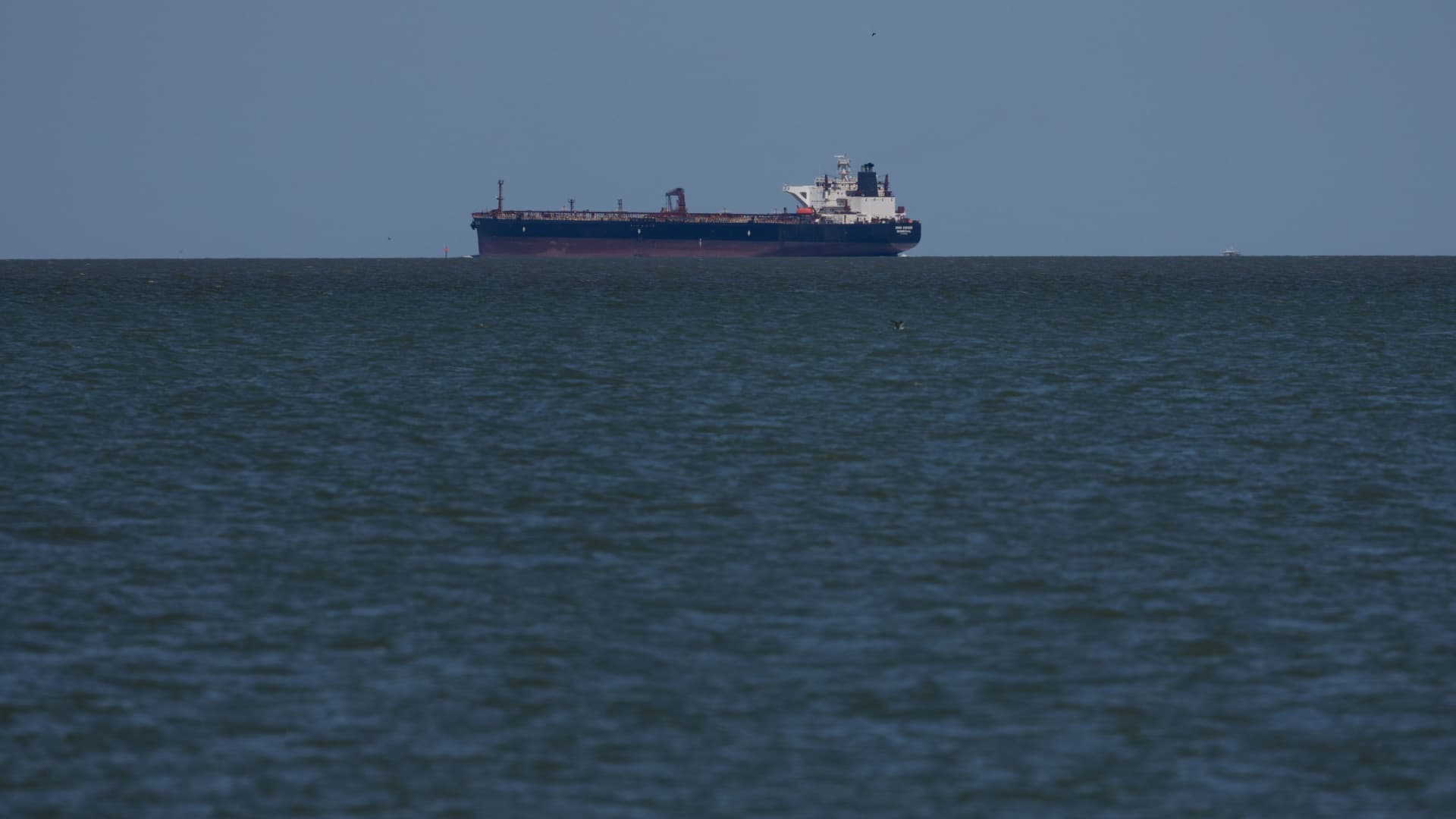
- Price Surge: The spot price of Brent crude oil soared to $141.36 on Thursday, marking the highest level since the 2008 financial crisis, indicating tight physical supply due to the closure of the Strait of Hormuz.
- Spot vs Futures Discrepancy: The spot price is $32.33 higher than the June Brent crude futures contract, highlighting a significant demand for immediate deliveries that may mislead investors about future oil price stability.
- Diesel Price Spike: Diesel prices in Europe are nearing $200 per barrel, underscoring the escalating pressure on the energy market, particularly following the disruption in supply chains due to the Strait's closure.
- Market Warnings: Chevron CEO Mike Wirth cautioned that futures prices do not accurately reflect the scale of supply disruptions caused by the Strait of Hormuz closure, suggesting that the market's perception and lack of information may lead to underestimating the current tightness.
See More

Chevron's Outlook for the Next Three Years
- Dividend Stability: Chevron has raised its dividend for 39 consecutive years, currently offering a forward yield of 3.6%, demonstrating reliability as a blue-chip stock amidst oil price fluctuations, which attracts long-term investors.
- Production Growth Expectations: From 2025 to 2028, Chevron's revenue and EPS are expected to grow at CAGRs of 2% and 16%, respectively, primarily driven by the expansion of the Tengiz Field in Kazakhstan, aiming for a production of 1 million barrels per day.
- Cost Control Measures: To stabilize its margins, Chevron plans to cut structural costs by $3 billion to $4 billion by the end of 2026, enhancing its resilience against oil price volatility and ensuring continued shareholder returns.
- Market Valuation Analysis: With a current stock price of $200, Chevron's P/E ratio stands at 24 times; if it meets analysts' estimates over the next three years, its stock price could rise by 50% to $300, showcasing strong profit potential during oil price increases.
See More

Chevron's Core Growth Engines Fully Operational
- Profit Growth Expectations: With rising oil prices, Chevron anticipates its revenue and EPS to grow at CAGRs of 2% and 16% from 2025 to 2028, primarily driven by the expansion of the Tengiz Field in Kazakhstan, which aims to produce about 1 million barrels per day, thereby enhancing the company's profitability and cash flow.
- Dividend Stability: Chevron has raised its dividend for 39 consecutive years, currently offering a forward yield of 3.6%, which not only reflects the company's strong cash flow management but also boosts investor confidence in its long-term investment value, especially amid oil price volatility.
- Cost Control Measures: To stabilize margins, Chevron plans to cut structural costs by $3 billion to $4 billion by the end of 2026, a move that will help enhance its profitability in a competitive energy market and provide funding for future investments.
- Strong Market Performance: Chevron's stock has rallied over 30% year-to-date, with a current P/E ratio of 24; if its EPS grows by 15% in 2029, the stock price could rise by 50% to $300 over the next three years, indicating strong market confidence and investment potential.
See More
Iran and Oman Draft Protocol to Monitor Hormuz Strait Traffic
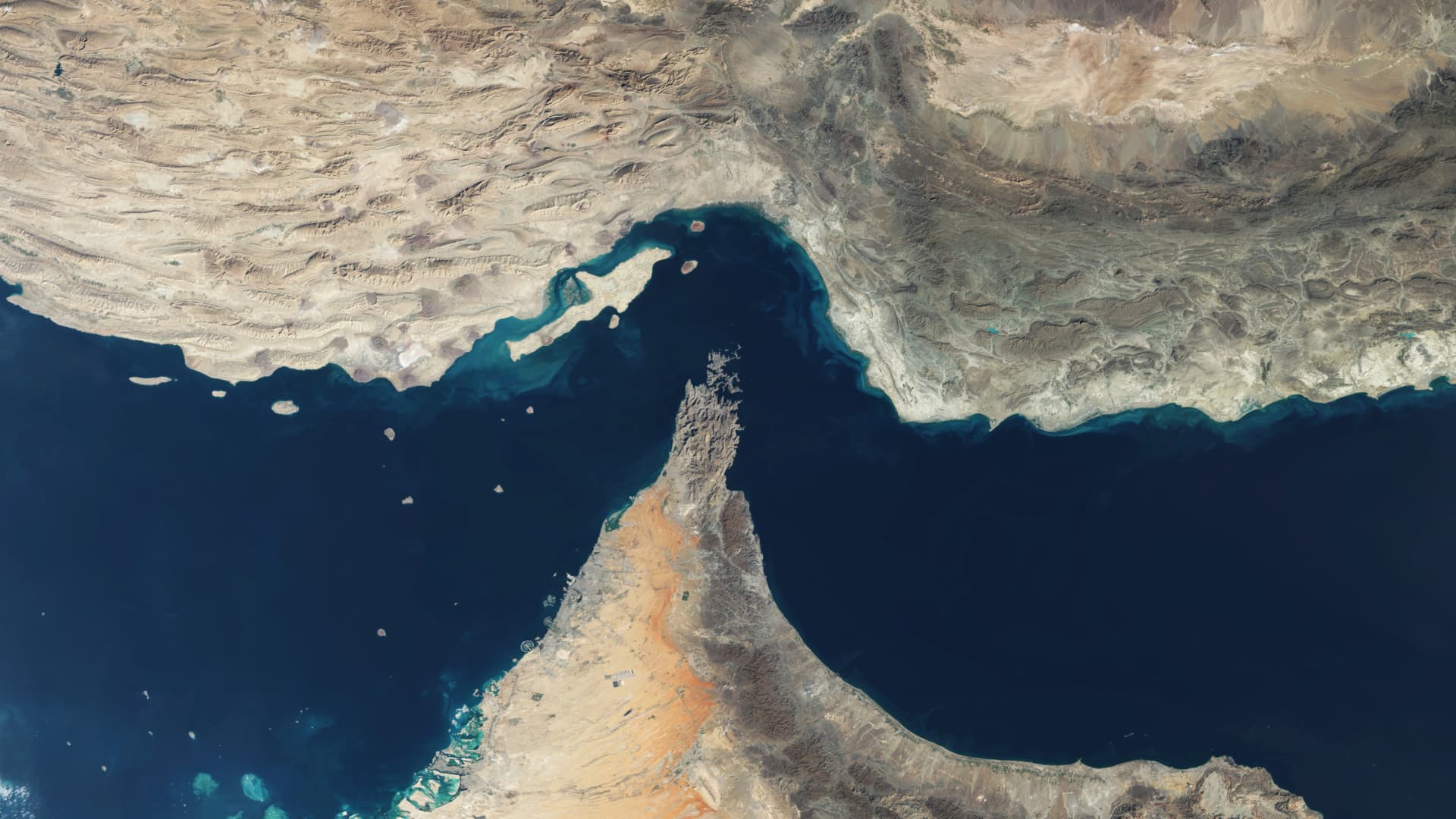
- Drafting Monitoring Protocol: Iran and Oman are drafting a protocol to 'monitor' transit through the Strait of Hormuz, aiming to ensure safe and coordinated tanker traffic without imposing restrictions, thereby facilitating better services for passing ships.
- Market Reactions: Following President Trump's indication that the Iran war will continue for weeks, U.S. stock indexes sharply declined but rebounded after IRNA's report, while oil prices eased from their highs, reflecting market optimism about potential reopening of the strait.
- Historic Oil Price Surge: The blockade of the Strait of Hormuz since February 28 has led to a historic surge in oil prices, creating a cascading crisis with widespread global impacts, despite Trump asserting that the U.S. is largely unaffected by the closure.
- Rising U.S. Gas Prices: Although Trump claims the U.S. does not rely on oil imports from the strait, average U.S. gas prices have surged over 30% in a month, surpassing $4 per gallon for the first time in years, indicating market sensitivity to oil price fluctuations.
See More

Trump Claims Iran War Will End Soon Amid Oil Price Surge
- Oil Price Surge: Since the U.S. and Israel launched strikes on Iran on February 28, global benchmark Brent crude oil prices have surged over 60% in March, marking the largest monthly gain since the 1980s, indicating the war's profound impact on the global energy market.
- Demand Destruction Risk: High oil prices could lead to significant declines in fuel demand in the U.S. and emerging markets, with analysts warning that prolonged low Middle Eastern oil exports may push consumers towards electric or more fuel-efficient vehicles, thereby affecting overall market demand.
- Market Reaction: Following Trump's speech claiming the war would end in 2-3 weeks, oil prices spiked, with Brent crude rising over 6.5% to around $107.79 per barrel, reflecting market concerns over future supply.
- Government Interventions: Countries like Germany and Australia have implemented measures to curb rising fuel prices, with Germany limiting daily price hikes at gas stations and Australia launching a national fuel security plan, highlighting governments' focus on potential energy crises.
See More
Iran and Oman Protocol Raises Market Hopes for Strait of Hormuz
- Oil Price Surge: Oil prices surged significantly as Iran and Oman drafted a protocol for monitoring the Strait of Hormuz, with U.S. crude futures jumping nearly 12% to $112.06 per barrel, indicating market optimism about potential supply recovery.
- Brent Crude Spot Price: The spot price for Brent crude soared to $141.36 on Thursday, the highest level since the 2008 financial crisis, reflecting market sensitivity to geopolitical risks and concerns over future supply.
- Asia-Pacific Market Reaction: While the Australian and Hong Kong markets were closed for the Easter holiday, Japan's Nikkei 225 futures rose to 53,285 in Chicago, demonstrating investor optimism about market prospects.
- U.S. Market Volatility: U.S. major indexes experienced volatility amid rising oil prices, with the Dow Jones Industrial Average declining by 61.07 points, yet the S&P 500 managed a slight increase of 0.11%, showcasing the market's adaptability to oil price fluctuations.
See More
Brent Crude Oil Price Soars to $141.36, Highest Since 2008
- Price Surge: The spot price of Brent crude oil soared to $141.36 on Thursday, marking the highest level since the 2008 financial crisis, indicating tight physical supply due to the closure of the Strait of Hormuz.
- Spot vs Futures Discrepancy: The spot price is $32.33 higher than the June Brent crude futures contract, highlighting a significant demand for immediate deliveries that may mislead investors about future oil price stability.
- Diesel Price Spike: Diesel prices in Europe are nearing $200 per barrel, underscoring the escalating pressure on the energy market, particularly following the disruption in supply chains due to the Strait's closure.
- Market Warnings: Chevron CEO Mike Wirth cautioned that futures prices do not accurately reflect the scale of supply disruptions caused by the Strait of Hormuz closure, suggesting that the market's perception and lack of information may lead to underestimating the current tightness.
See More
Chevron's Outlook for the Next Three Years
- Dividend Stability: Chevron has raised its dividend for 39 consecutive years, currently offering a forward yield of 3.6%, demonstrating reliability as a blue-chip stock amidst oil price fluctuations, which attracts long-term investors.
- Production Growth Expectations: From 2025 to 2028, Chevron's revenue and EPS are expected to grow at CAGRs of 2% and 16%, respectively, primarily driven by the expansion of the Tengiz Field in Kazakhstan, aiming for a production of 1 million barrels per day.
- Cost Control Measures: To stabilize its margins, Chevron plans to cut structural costs by $3 billion to $4 billion by the end of 2026, enhancing its resilience against oil price volatility and ensuring continued shareholder returns.
- Market Valuation Analysis: With a current stock price of $200, Chevron's P/E ratio stands at 24 times; if it meets analysts' estimates over the next three years, its stock price could rise by 50% to $300, showcasing strong profit potential during oil price increases.
See More
Chevron's Core Growth Engines Fully Operational
- Profit Growth Expectations: With rising oil prices, Chevron anticipates its revenue and EPS to grow at CAGRs of 2% and 16% from 2025 to 2028, primarily driven by the expansion of the Tengiz Field in Kazakhstan, which aims to produce about 1 million barrels per day, thereby enhancing the company's profitability and cash flow.
- Dividend Stability: Chevron has raised its dividend for 39 consecutive years, currently offering a forward yield of 3.6%, which not only reflects the company's strong cash flow management but also boosts investor confidence in its long-term investment value, especially amid oil price volatility.
- Cost Control Measures: To stabilize margins, Chevron plans to cut structural costs by $3 billion to $4 billion by the end of 2026, a move that will help enhance its profitability in a competitive energy market and provide funding for future investments.
- Strong Market Performance: Chevron's stock has rallied over 30% year-to-date, with a current P/E ratio of 24; if its EPS grows by 15% in 2029, the stock price could rise by 50% to $300 over the next three years, indicating strong market confidence and investment potential.
See More
Iran and Oman Draft Protocol to Monitor Hormuz Strait Traffic
- Drafting Monitoring Protocol: Iran and Oman are drafting a protocol to 'monitor' transit through the Strait of Hormuz, aiming to ensure safe and coordinated tanker traffic without imposing restrictions, thereby facilitating better services for passing ships.
- Market Reactions: Following President Trump's indication that the Iran war will continue for weeks, U.S. stock indexes sharply declined but rebounded after IRNA's report, while oil prices eased from their highs, reflecting market optimism about potential reopening of the strait.
- Historic Oil Price Surge: The blockade of the Strait of Hormuz since February 28 has led to a historic surge in oil prices, creating a cascading crisis with widespread global impacts, despite Trump asserting that the U.S. is largely unaffected by the closure.
- Rising U.S. Gas Prices: Although Trump claims the U.S. does not rely on oil imports from the strait, average U.S. gas prices have surged over 30% in a month, surpassing $4 per gallon for the first time in years, indicating market sensitivity to oil price fluctuations.
See More
Trump Claims Iran War Will End Soon Amid Oil Price Surge
- Oil Price Surge: Since the U.S. and Israel launched strikes on Iran on February 28, global benchmark Brent crude oil prices have surged over 60% in March, marking the largest monthly gain since the 1980s, indicating the war's profound impact on the global energy market.
- Demand Destruction Risk: High oil prices could lead to significant declines in fuel demand in the U.S. and emerging markets, with analysts warning that prolonged low Middle Eastern oil exports may push consumers towards electric or more fuel-efficient vehicles, thereby affecting overall market demand.
- Market Reaction: Following Trump's speech claiming the war would end in 2-3 weeks, oil prices spiked, with Brent crude rising over 6.5% to around $107.79 per barrel, reflecting market concerns over future supply.
- Government Interventions: Countries like Germany and Australia have implemented measures to curb rising fuel prices, with Germany limiting daily price hikes at gas stations and Australia launching a national fuel security plan, highlighting governments' focus on potential energy crises.
See More