Boeing Sees Year-over-Year Growth in Deliveries and Orders in January
Written by Emily J. Thompson, Senior Investment Analyst
Updated: Feb 10 2026
0mins
Source: Yahoo Finance
- Deliveries and Orders Growth: Boeing's deliveries and orders in January showed year-over-year growth, reflecting the company's positive performance amid the aviation market recovery, which enhances investor confidence in its future earnings.
- Outperforming Competitors: Boeing's growth in deliveries and orders surpassed that of its European rivals, indicating an increase in its competitiveness in the global aviation market, which may attract more customers and orders.
- Effective Strategic Adjustments: The company has successfully improved delivery efficiency through optimized production processes and supply chain management, which not only enhances customer satisfaction but also lays the groundwork for future order growth.
- Optimistic Industry Outlook: As demand for air travel continues to recover, Boeing's growth trend may persist, further solidifying its leadership position in the global aerospace manufacturing industry.
Trade with 70% Backtested Accuracy
Stop guessing "Should I Buy BA?" and start using high-conviction signals backed by rigorous historical data.
Sign up today to access powerful investing tools and make smarter, data-driven decisions.
Analyst Views on BA
Wall Street analysts forecast BA stock price to rise
16 Analyst Rating
14 Buy
1 Hold
1 Sell
Strong Buy
Current: 207.320

Low
150.00
Averages
269.14
High
298.00
Current: 207.320
Low
150.00
Averages
269.14
High
298.00
About BA
The Boeing Company is an aerospace company. Its segments include Commercial Airplanes (BCA), Defense, Space & Security (BDS), and Global Services (BGS). Its BCA segment develops, produces and markets commercial jet aircraft principally for the commercial airline industry worldwide. Its family of commercial jet aircraft in production includes the 737 narrow-body model and the 767, 777 and 787 wide-body models. Its BDS segment is engaged in the research, development, production and modification of manned and unmanned military aircraft and weapons systems for strike, surveillance and mobility. Its BGS segment provides services to its commercial and defense customers worldwide. It sustains aerospace platforms and systems with a range of products and services, including supply chain and logistics management, engineering, maintenance and modifications, upgrades and conversions, spare parts, pilot and maintenance training systems and services, technical and maintenance documents, and others.
About the author

Emily J. Thompson
Emily J. Thompson, a Chartered Financial Analyst (CFA) with 12 years in investment research, graduated with honors from the Wharton School. Specializing in industrial and technology stocks, she provides in-depth analysis for Intellectia’s earnings and market brief reports.
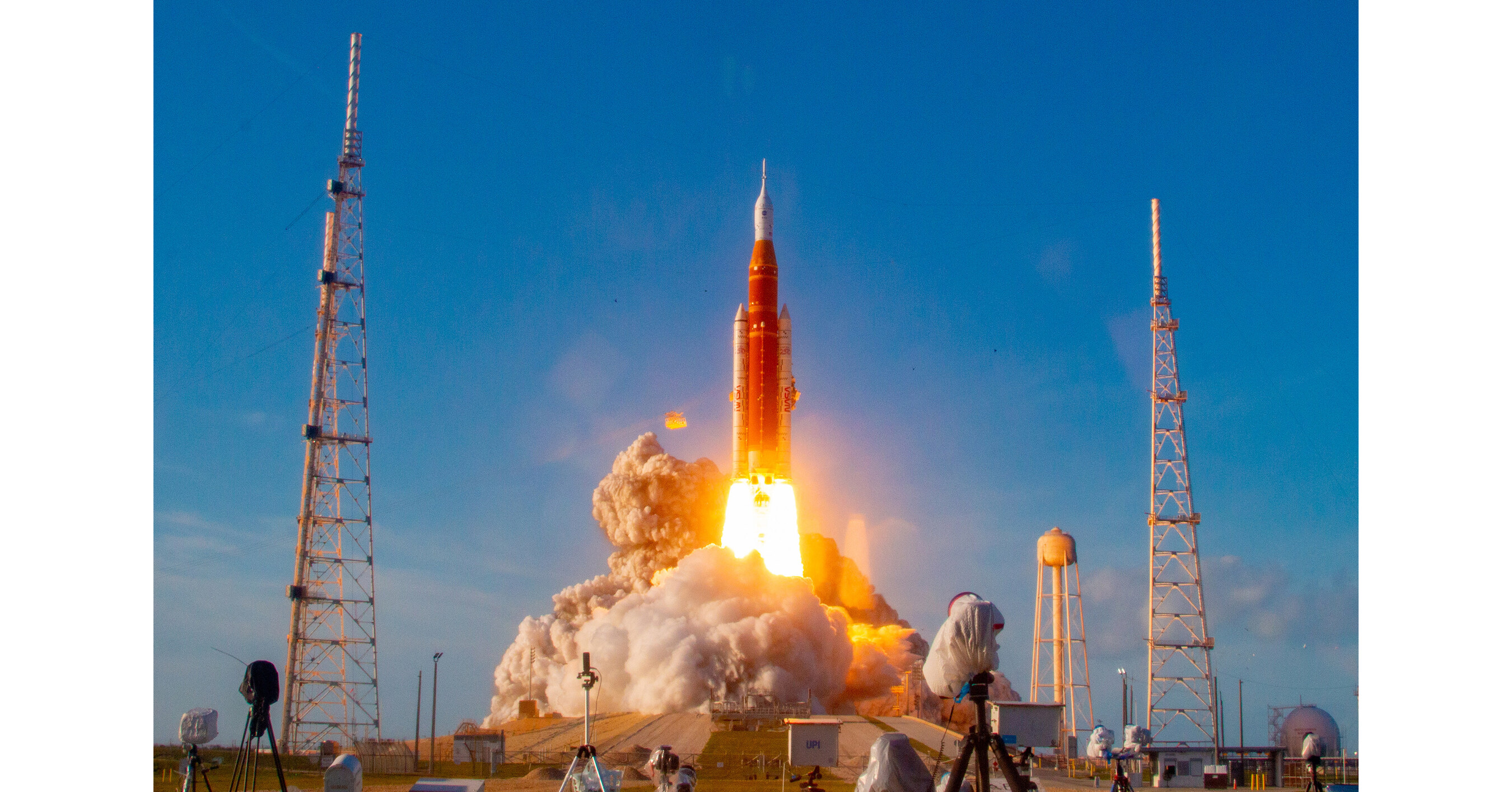
Boeing Successfully Launches Artemis Mission Rocket

- Successful Launch: NASA's Space Launch System rocket, powered by Boeing's core stage, successfully lifted off on April 1, 2026, marking a significant step towards humanity's return to the moon and future deep space exploration.
- Core Stage Performance: The core stage completed its mission and separated from the upper stage eight and a half minutes into flight, demonstrating critical operations such as fueling, engine ignition, and successful separation, ensuring astronaut safety.
- Mission Team: NASA astronauts and a Canadian Space Agency astronaut will fly the Orion spacecraft, Integrity, on a 10-day lunar mission, highlighting the importance of international collaboration in space exploration.
- Future Plans: Boeing is preparing the next core stages for Artemis III to V missions, indicating the company's ongoing investment in the aerospace sector and commitment to future missions.
See More
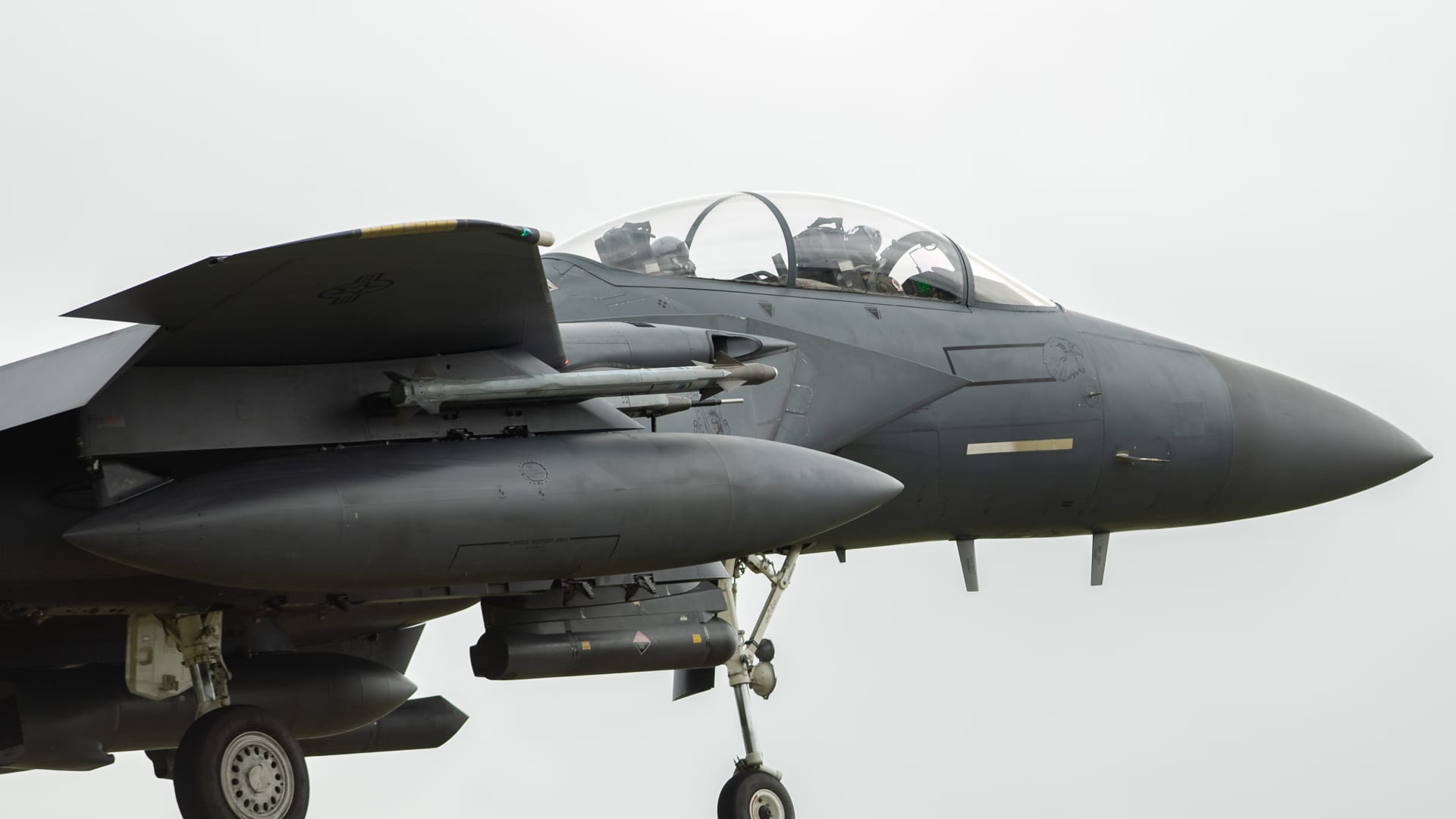
U.S. Fighter Jet Downed in Iran Amid Ongoing Conflict

- Fighter Jet Incident: An F-15 fighter jet from the U.S. Air Force crashed in Iran on July 16, 2020, with its crew members unaccounted for, and it remains unclear whether the aircraft was shot down or suffered a mechanical failure, marking the first known loss of a U.S. jet in the region since the conflict began.
- Escalating Conflict Context: This incident occurs amid escalating U.S. assaults on Iran, with reports of potential peace talks failing to yield results, contributing to a rising death toll of nearly 5,100 across the Middle East, highlighting the precarious nature of the situation.
- Strait of Hormuz Impact: The ongoing war has disrupted tanker traffic through the critical Strait of Hormuz for over a month, threatening supplies of crude oil, fertilizers, and other essential commodities, which could lead to instability in global markets.
- Trump's Aggressive Statements: President Trump claimed on social media that the U.S. could
See More
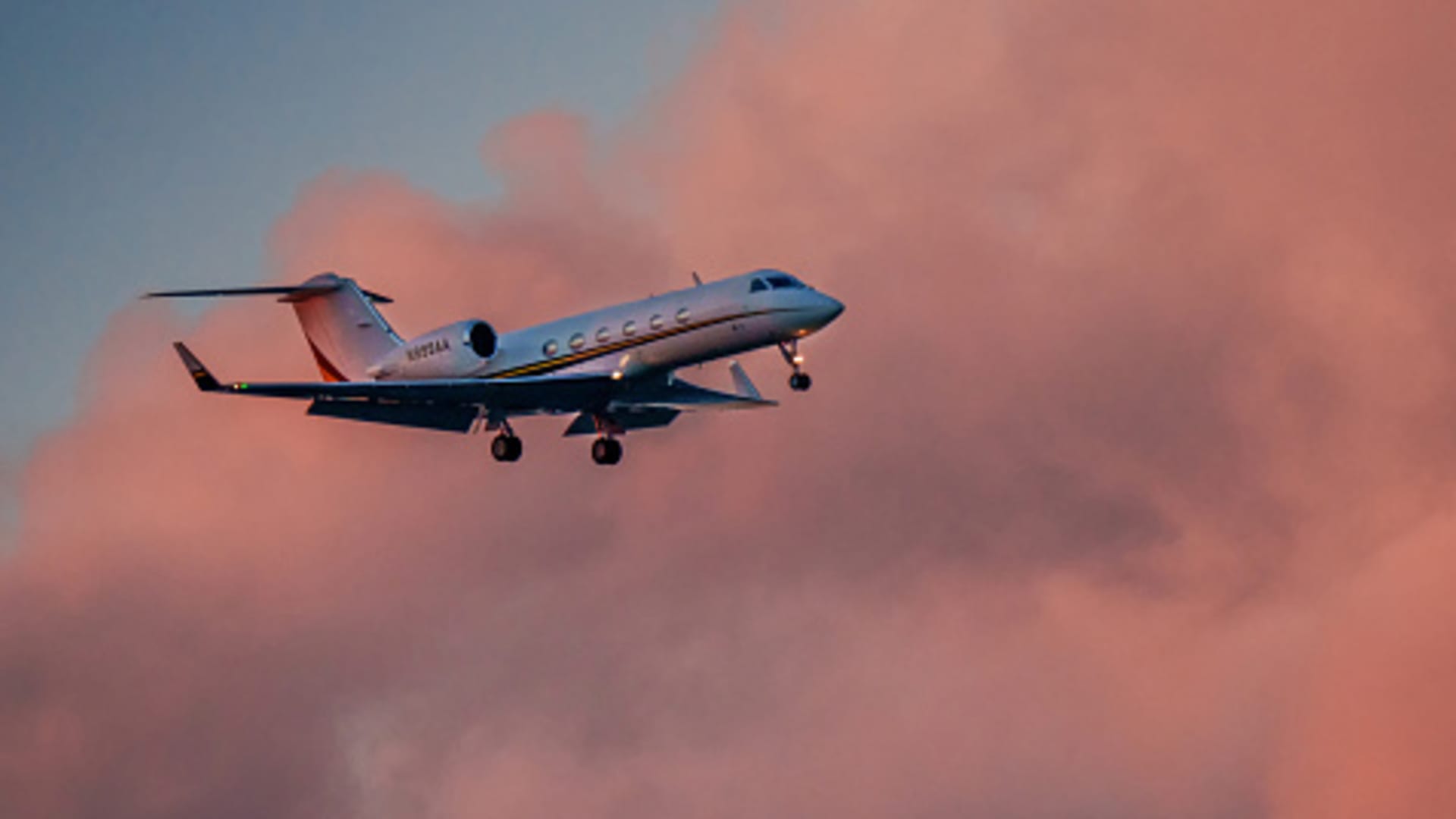
Private Jet Travel Faces Challenges Amid Soaring Fuel Prices


- Fuel Price Surge Impact: The Iran war has driven jet fuel prices to an average of $4.65 per gallon globally, significantly increasing private flight costs, with Vimana recently booking a $520,000 flight from Dubai to London, up from $400,000 in 2023, reflecting a 30% increase.
- Rising Flight Prices: Since the onset of the Iran conflict, jet charter prices have surged by an average of 5% to 15%, with some flights experiencing increases of up to 20%, leading affluent travelers to face unexpected fees, although they are generally less sensitive to price fluctuations.
- Steady Market Demand: Despite soaring fuel prices, the private flying market remains robust, with WingX reporting a 5% year-over-year increase in flights for the week ending March 22, and Flexjet noting a 15% rise in utilization among fractional owners, indicating sustained demand from high-net-worth clients.
- Airlines' Response Strategies: Some operators are mitigating costs by refueling in countries with cheaper fuel, even if it results in longer flight times; however, clients continue to prefer private flights to avoid long airport lines, especially during disruptions caused by government shutdowns.
See More

AerCap Reports Major Transactions in Q1 2026

- Lease Agreements Signed: In Q1 2026, AerCap signed 202 lease agreements, including 22 widebody and 59 narrowbody aircraft, which will further solidify its leadership position in the global aviation leasing market.
- Aircraft Purchases Completed: The company completed 32 purchase transactions for 10 aircraft, including 3 Airbus A320neo Family and 5 Boeing 737 MAX, enhancing its owned aircraft portfolio and increasing operational flexibility and market competitiveness.
- Asset Sales Transactions: AerCap completed 52 sale transactions involving 47 aircraft and 4 engines, which not only optimized its balance sheet but also generated significant cash flow to support future investment plans.
- Share Buyback and Dividend: The company repurchased approximately 5.4 million shares at an average price of $139.06 per share for a total of about $745 million, while declaring a quarterly cash dividend of $0.40 per share, demonstrating its commitment to shareholder returns and financial health.
See More
Boeing Faces Safety and Production Challenges

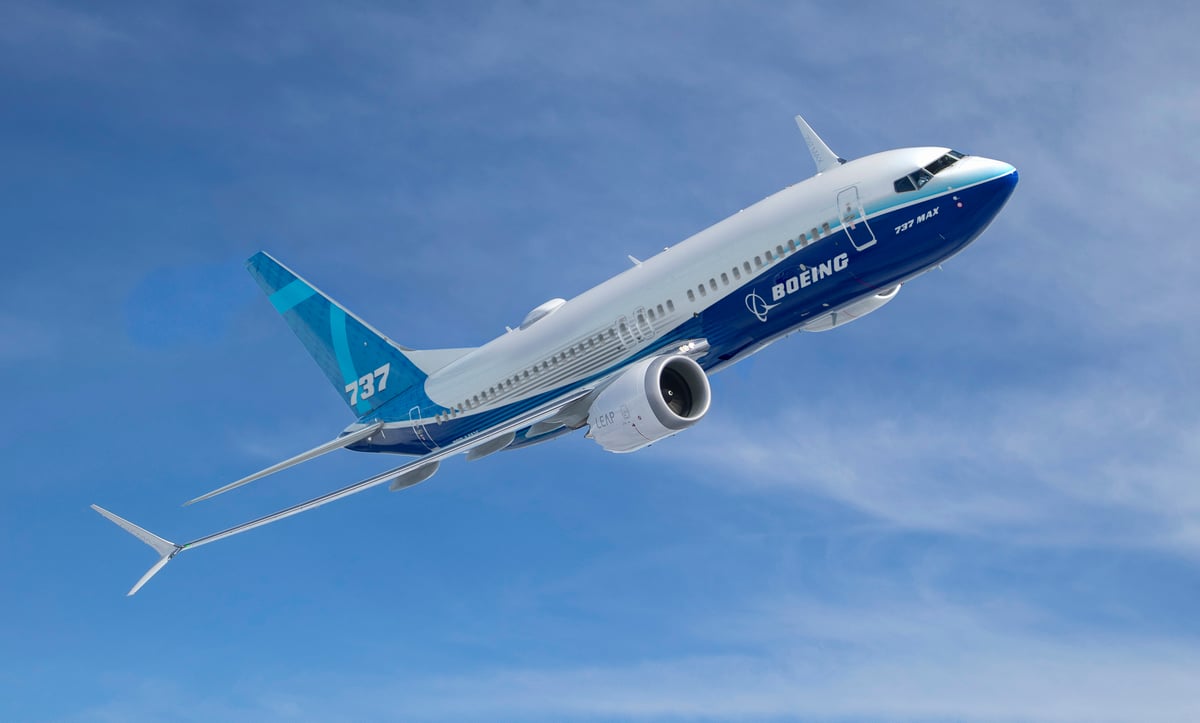
- Safety Concerns: Boeing's safety issues, stemming from high-profile 737 MAX crashes and FAA-imposed production caps, have raised investor concerns about its safety record, leading to significant cash burn and financial instability.
- Production Recovery: New CEO Kelly Ortberg has ramped up 737 MAX production to 42 units per month, with plans to increase to 47 by mid-year, indicating positive efforts in restoring production capacity.
- Increased Financial Pressure: CFO Jesus Malave confirmed that the integration of Spirit has delayed the return to positive margins in the commercial airplanes segment until 2027, with this year expected to see negative margins around 7.5% to 8%.
- Delivery Delay Risks: Certification delays for the 737 MAX-7 and MAX-10 pushed to 2026, along with lighter-than-expected deliveries of the 787, highlight ongoing pressures in Boeing's production scheduling and quality control.
See More

Boeing Faces Ongoing Safety and Certification Challenges
- Safety and Certification Issues: Boeing continues to face ongoing safety and certification challenges with its 737 MAX series, leading to investor concerns about its safety record, particularly after high-profile crashes, which have significantly impacted the company's cash flow.
- Management Changes and Integration: The appointment of new CEO Kelly Ortberg has brought operational improvements, with Boeing currently producing 42 737 MAX aircraft per month and planning to ramp up to 47 by mid-year, indicating positive adjustments in production capacity.
- Profitability Delays and Market Reaction: Despite the new production line opening in Everett, the integration delays with Spirit mean that profitability in the commercial airplanes segment is expected to be delayed until 2026-2027, leading investors to adopt a cautiously optimistic outlook.
- FAA Regulatory Pressure: Ongoing pressure from the FAA due to production restrictions and quality control issues means that investors are looking for progress on 737 MAX and 787 certifications by 2026 before feeling confident in investing in the stock.
See More
Boeing Successfully Launches Artemis Mission Rocket
- Successful Launch: NASA's Space Launch System rocket, powered by Boeing's core stage, successfully lifted off on April 1, 2026, marking a significant step towards humanity's return to the moon and future deep space exploration.
- Core Stage Performance: The core stage completed its mission and separated from the upper stage eight and a half minutes into flight, demonstrating critical operations such as fueling, engine ignition, and successful separation, ensuring astronaut safety.
- Mission Team: NASA astronauts and a Canadian Space Agency astronaut will fly the Orion spacecraft, Integrity, on a 10-day lunar mission, highlighting the importance of international collaboration in space exploration.
- Future Plans: Boeing is preparing the next core stages for Artemis III to V missions, indicating the company's ongoing investment in the aerospace sector and commitment to future missions.
See More
U.S. Fighter Jet Downed in Iran Amid Ongoing Conflict
- Fighter Jet Incident: An F-15 fighter jet from the U.S. Air Force crashed in Iran on July 16, 2020, with its crew members unaccounted for, and it remains unclear whether the aircraft was shot down or suffered a mechanical failure, marking the first known loss of a U.S. jet in the region since the conflict began.
- Escalating Conflict Context: This incident occurs amid escalating U.S. assaults on Iran, with reports of potential peace talks failing to yield results, contributing to a rising death toll of nearly 5,100 across the Middle East, highlighting the precarious nature of the situation.
- Strait of Hormuz Impact: The ongoing war has disrupted tanker traffic through the critical Strait of Hormuz for over a month, threatening supplies of crude oil, fertilizers, and other essential commodities, which could lead to instability in global markets.
- Trump's Aggressive Statements: President Trump claimed on social media that the U.S. could
See More
Private Jet Travel Faces Challenges Amid Soaring Fuel Prices
- Fuel Price Surge Impact: The Iran war has driven jet fuel prices to an average of $4.65 per gallon globally, significantly increasing private flight costs, with Vimana recently booking a $520,000 flight from Dubai to London, up from $400,000 in 2023, reflecting a 30% increase.
- Rising Flight Prices: Since the onset of the Iran conflict, jet charter prices have surged by an average of 5% to 15%, with some flights experiencing increases of up to 20%, leading affluent travelers to face unexpected fees, although they are generally less sensitive to price fluctuations.
- Steady Market Demand: Despite soaring fuel prices, the private flying market remains robust, with WingX reporting a 5% year-over-year increase in flights for the week ending March 22, and Flexjet noting a 15% rise in utilization among fractional owners, indicating sustained demand from high-net-worth clients.
- Airlines' Response Strategies: Some operators are mitigating costs by refueling in countries with cheaper fuel, even if it results in longer flight times; however, clients continue to prefer private flights to avoid long airport lines, especially during disruptions caused by government shutdowns.
See More
AerCap Reports Major Transactions in Q1 2026
- Lease Agreements Signed: In Q1 2026, AerCap signed 202 lease agreements, including 22 widebody and 59 narrowbody aircraft, which will further solidify its leadership position in the global aviation leasing market.
- Aircraft Purchases Completed: The company completed 32 purchase transactions for 10 aircraft, including 3 Airbus A320neo Family and 5 Boeing 737 MAX, enhancing its owned aircraft portfolio and increasing operational flexibility and market competitiveness.
- Asset Sales Transactions: AerCap completed 52 sale transactions involving 47 aircraft and 4 engines, which not only optimized its balance sheet but also generated significant cash flow to support future investment plans.
- Share Buyback and Dividend: The company repurchased approximately 5.4 million shares at an average price of $139.06 per share for a total of about $745 million, while declaring a quarterly cash dividend of $0.40 per share, demonstrating its commitment to shareholder returns and financial health.
See More
Boeing Faces Safety and Production Challenges
- Safety Concerns: Boeing's safety issues, stemming from high-profile 737 MAX crashes and FAA-imposed production caps, have raised investor concerns about its safety record, leading to significant cash burn and financial instability.
- Production Recovery: New CEO Kelly Ortberg has ramped up 737 MAX production to 42 units per month, with plans to increase to 47 by mid-year, indicating positive efforts in restoring production capacity.
- Increased Financial Pressure: CFO Jesus Malave confirmed that the integration of Spirit has delayed the return to positive margins in the commercial airplanes segment until 2027, with this year expected to see negative margins around 7.5% to 8%.
- Delivery Delay Risks: Certification delays for the 737 MAX-7 and MAX-10 pushed to 2026, along with lighter-than-expected deliveries of the 787, highlight ongoing pressures in Boeing's production scheduling and quality control.
See More
Boeing Faces Ongoing Safety and Certification Challenges
- Safety and Certification Issues: Boeing continues to face ongoing safety and certification challenges with its 737 MAX series, leading to investor concerns about its safety record, particularly after high-profile crashes, which have significantly impacted the company's cash flow.
- Management Changes and Integration: The appointment of new CEO Kelly Ortberg has brought operational improvements, with Boeing currently producing 42 737 MAX aircraft per month and planning to ramp up to 47 by mid-year, indicating positive adjustments in production capacity.
- Profitability Delays and Market Reaction: Despite the new production line opening in Everett, the integration delays with Spirit mean that profitability in the commercial airplanes segment is expected to be delayed until 2026-2027, leading investors to adopt a cautiously optimistic outlook.
- FAA Regulatory Pressure: Ongoing pressure from the FAA due to production restrictions and quality control issues means that investors are looking for progress on 737 MAX and 787 certifications by 2026 before feeling confident in investing in the stock.
See More