Boeing Faces Quality Control Challenges Amidst Growth
Written by Emily J. Thompson, Senior Investment Analyst
Updated: Apr 06 2026
0mins
Should l Buy BA?
Source: Fool
- Quality Control Issues: Boeing recently disclosed a machining error on its 737 MAX jets, which, although easily fixed, highlights ongoing quality control challenges that continue to undermine investor confidence and stock performance.
- Increased Debt Burden: By the end of 2025, Boeing's debt rose to $54.1 billion from $53.4 billion in Q3, partly due to its $4.7 billion acquisition of Spirit AeroSystems, which adds financial strain in a high-interest-rate environment.
- Order Growth Momentum: Despite challenges, Boeing has made significant inroads in Southeast Asia, with orders from Sun Phu Quoc Airways and Vietnam Airlines for 40 and 50 737 MAX jets respectively, contributing to a backlog of $682 billion as airlines seek to modernize fleets.
- Profitability Recovery: In 2025, Boeing reported $89.5 billion in revenue, a 34% increase, with earnings per share of $2.48, marking the company's first profitable year since 2018, indicating a positive turnaround in its financial health.
Trade with 70% Backtested Accuracy
Stop guessing "Should I Buy BA?" and start using high-conviction signals backed by rigorous historical data.
Sign up today to access powerful investing tools and make smarter, data-driven decisions.
Analyst Views on BA
Wall Street analysts forecast BA stock price to rise
16 Analyst Rating
14 Buy
1 Hold
1 Sell
Strong Buy
Current: 223.770

Low
150.00
Averages
269.14
High
298.00
Current: 223.770
Low
150.00
Averages
269.14
High
298.00
About BA
The Boeing Company is an aerospace company. Its segments include Commercial Airplanes (BCA), Defense, Space & Security (BDS), and Global Services (BGS). Its BCA segment develops, produces and markets commercial jet aircraft principally for the commercial airline industry worldwide. Its family of commercial jet aircraft in production includes the 737 narrow-body model and the 767, 777 and 787 wide-body models. Its BDS segment is engaged in the research, development, production and modification of manned and unmanned military aircraft and weapons systems for strike, surveillance and mobility. Its BGS segment provides services to its commercial and defense customers worldwide. It sustains aerospace platforms and systems with a range of products and services, including supply chain and logistics management, engineering, maintenance and modifications, upgrades and conversions, spare parts, pilot and maintenance training systems and services, technical and maintenance documents, and others.
About the author

Emily J. Thompson
Emily J. Thompson, a Chartered Financial Analyst (CFA) with 12 years in investment research, graduated with honors from the Wharton School. Specializing in industrial and technology stocks, she provides in-depth analysis for Intellectia’s earnings and market brief reports.
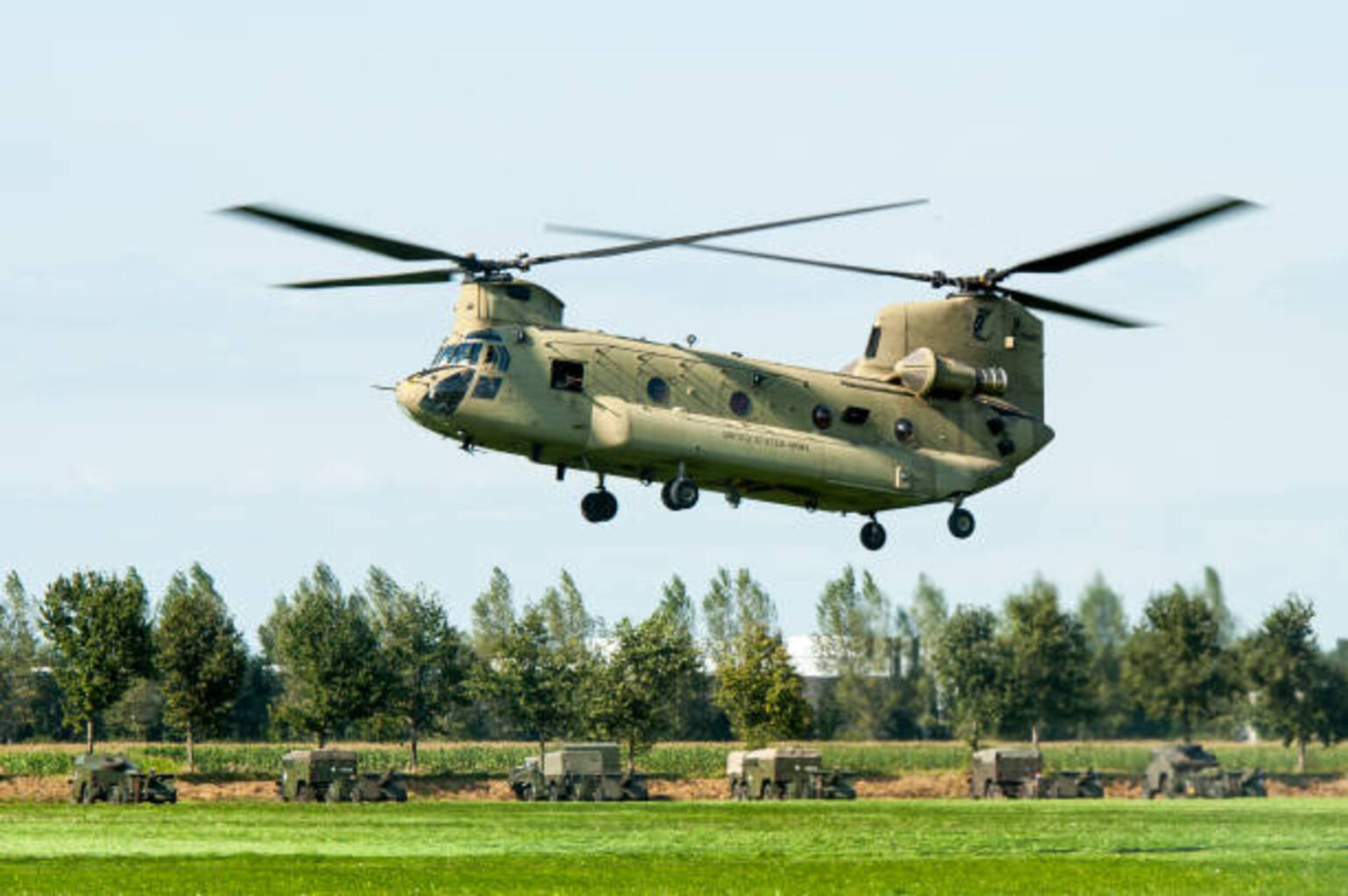
U.S. Army Awards Boeing $324 Million Contract for Chinook Helicopters

- Contract Expansion: The U.S. Army awarded Boeing a $324 million contract for six additional CH-47F Block II helicopters, expanding the existing order to a total of 24 aircraft, highlighting the emphasis on accelerating the delivery of key equipment.
- Rapid Deployment Initiative: This contract is part of the Army's rapid fielding initiative aimed at shortening delivery timelines, with Boeing having already delivered six upgraded helicopters, and plans to equip the first operational unit by mid-2028, enhancing operational capabilities.
- Technical Upgrades: The CH-47F Block II features structural and mechanical enhancements that increase its maximum weight capacity for heavier loads, while adjustments to the fuel system extend its operational range, improving adaptability in various operational environments.
- Maintenance Simplification: The new design aims to simplify maintenance processes and support future upgrades, ensuring the CH-47F Block II remains a vital component of the Army's rotorcraft fleet, continuing to support cargo transport and resupply missions across diverse environments.
See More

Global Equities Reach Record Highs Amid Truce Talks

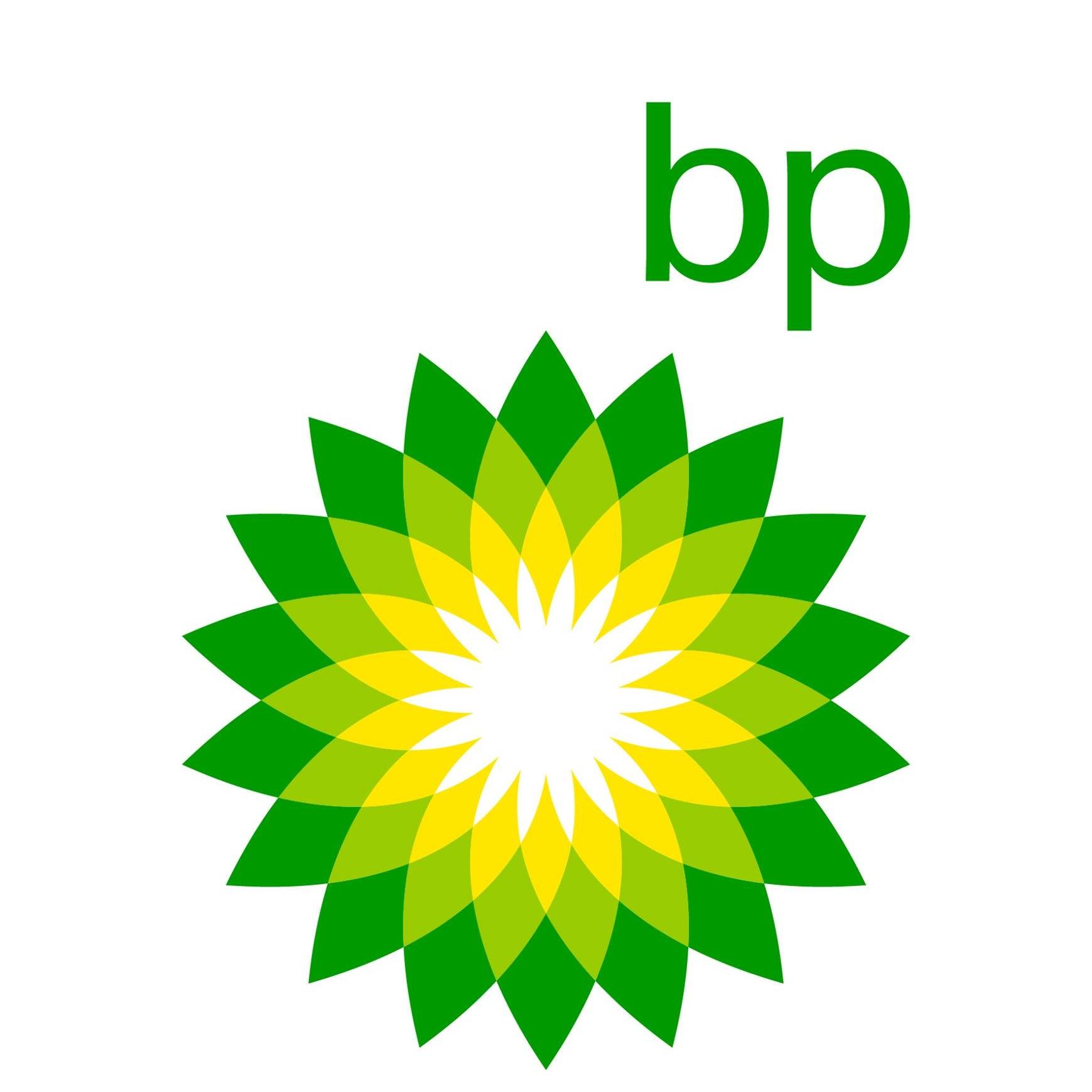
- Market Surge: Global equities have surged, with the S&P 500 rising 0.80% and the Nasdaq Composite gaining 1.59%, both reaching record highs amid optimism surrounding the first direct talks between Israel and Lebanon in over 30 years, indicating strong investor confidence in market prospects.
- Japan's Performance: The Nikkei 225 index hit a new high, driven by a broader rally in Asian markets, particularly in technology and consumer cyclical stocks, reflecting investor confidence in the region's economic recovery.
- China's Economic Growth: China's GDP grew by 5% in the first quarter, exceeding economists' forecast of 4.8%, as reported by the National Bureau of Statistics, showcasing the resilience of the Chinese economy despite potential global demand shocks from the Iran conflict.
- World Bank Caution: The World Bank president cautioned in an interview that economic disruptions related to conflicts could last for months, even if the current fragile ceasefire holds, posing a potential threat to global economic recovery.
See More

US-Iran Tensions Impact Market Dynamics
- Market Recovery: The S&P 500 has erased all declines since the onset of the Iran war and is nearing an all-time high, reflecting investor optimism about potential progress in US-Iran negotiations, which could drive further stock market gains.
- Economic Blockade Impact: The full implementation of the US blockade on Iranian ports has cut off international sea trade that powers about 90% of Iran's economy, potentially leading to further economic deterioration in Iran while also creating ripple effects in the global energy market.
- International Relations Strain: The US's maximum pressure campaign not only affects Iran but also strains relationships with China and India, particularly as nearly all Iranian oil exports are directed to China, complicating regional dynamics.
- Corporate Developments: European chip manufacturing giant ASML has exceeded first-quarter revenue expectations with sales topping 8.8 billion euros, indicating that the tech sector continues to show robust growth amid global economic uncertainties, likely attracting more investor interest.
See More

U.S.-Iran Negotiation Optimism Fuels Stock Market Rally


- Stock Market Surge: The S&P 500 index has rallied for nine out of the last ten trading sessions, nearing its all-time high, driven by investor optimism regarding U.S.-Iran negotiations, indicating strong confidence in future economic recovery.
- Strait of Hormuz Blockade: President Trump announced a new blockade of the Strait of Hormuz, impacting about 20% of global oil supply, with over 10,000 U.S. military personnel and several warships enforcing it, further complicating the uncertain situation in the Middle East.
- Aviation Industry Crisis: Experts warn that if the blockade persists, Europe's airline industry could face a
See More

U.S. Stocks Continue Rally, Nasdaq Hits Ten-Session Winning Streak
- Market Performance: The S&P 500 has gained over 2% this week, while the Nasdaq 100 is on a ten-session winning streak, rising approximately 12%, indicating a strong market rebound, although there may be short-term pullback risks ahead.
- Oil Price Decline: U.S. oil prices fell about 7% amid reports of peace talks, with WTI crude trading below $92 per barrel, marking the lowest level since April 7, making the energy sector the worst-performing industry of the day.
- Interest Rate Retreat: The benchmark 10-year Treasury yield has retreated to 4.26%, having peaked near 4.5% at the onset of the Iran war, with the decline in rates seen as a crucial factor supporting the market rally and boosting investor confidence.
- Portfolio Dynamics: Amazon and Meta Platforms each rose over 4%, while Alphabet gained 3%, showcasing the strong performance of the
See More
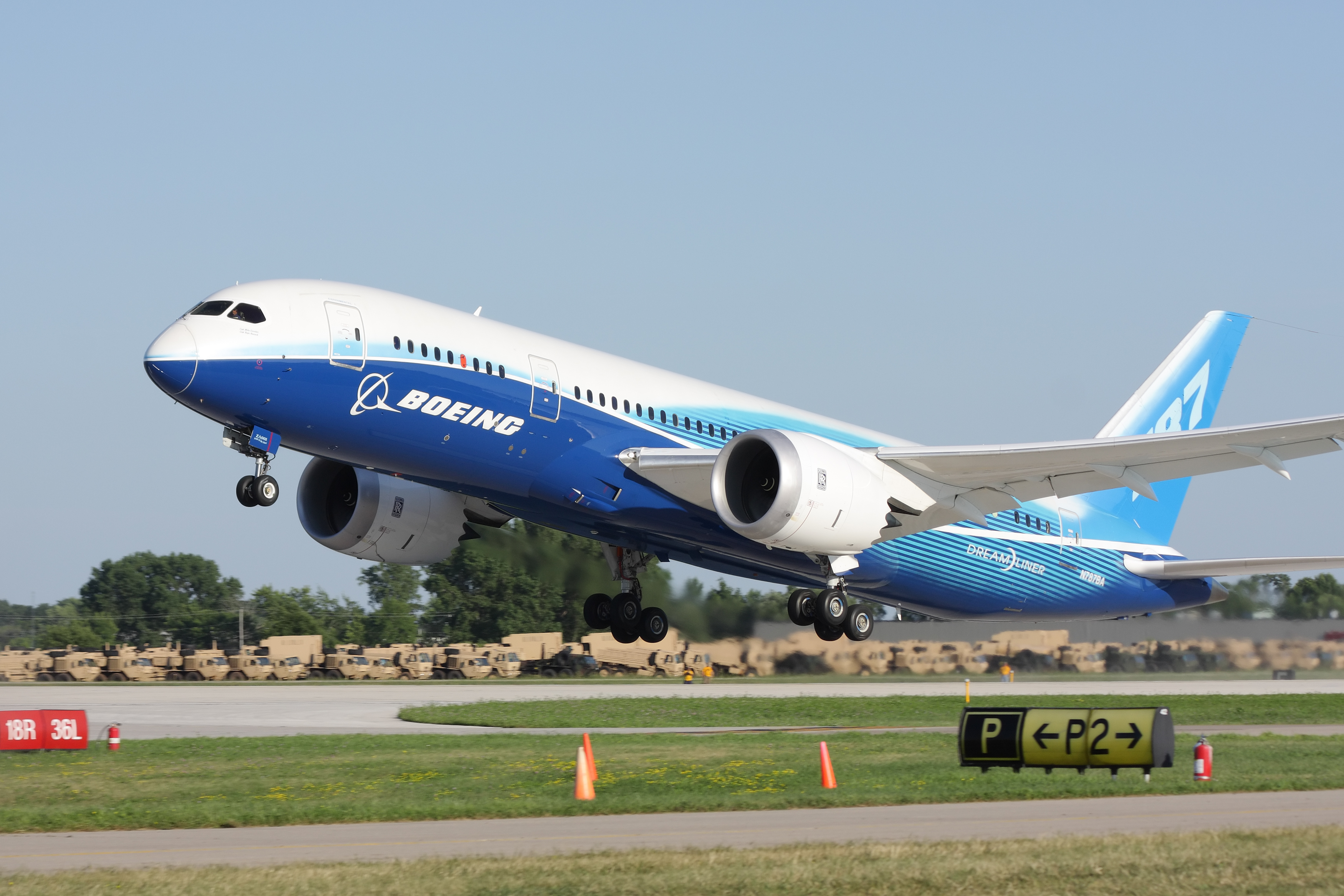
Boeing Reports March Deliveries Drop to 46 Jets Amid Repairs
- Delivery Decline: Boeing delivered 46 jets in March, down from 51 in February, primarily due to wiring issues affecting the 737 Max fleet, although the company did not disclose how many deliveries were postponed, which could impact cash flow and market confidence.
- Positive Order Activity: In March, Boeing recorded 33 new aircraft orders and two cancellations, resulting in a net increase of 31 orders, indicating strong market demand that helps sustain the company's future production plans and revenue expectations despite the drop in deliveries.
- Quarterly Delivery Performance: Boeing delivered 143 aircraft in the first quarter, surpassing Airbus's 114 deliveries, demonstrating its competitive strength in the face of engine supply constraints, which may enhance investor confidence in its future performance.
- Backlog Situation: As of the end of March, Boeing's aircraft backlog stood at 6,127 units, with 4,368 being 737s, indicating the company's potential for future deliveries despite the current decline in delivery numbers.
See More
U.S. Army Awards Boeing $324 Million Contract for Chinook Helicopters
- Contract Expansion: The U.S. Army awarded Boeing a $324 million contract for six additional CH-47F Block II helicopters, expanding the existing order to a total of 24 aircraft, highlighting the emphasis on accelerating the delivery of key equipment.
- Rapid Deployment Initiative: This contract is part of the Army's rapid fielding initiative aimed at shortening delivery timelines, with Boeing having already delivered six upgraded helicopters, and plans to equip the first operational unit by mid-2028, enhancing operational capabilities.
- Technical Upgrades: The CH-47F Block II features structural and mechanical enhancements that increase its maximum weight capacity for heavier loads, while adjustments to the fuel system extend its operational range, improving adaptability in various operational environments.
- Maintenance Simplification: The new design aims to simplify maintenance processes and support future upgrades, ensuring the CH-47F Block II remains a vital component of the Army's rotorcraft fleet, continuing to support cargo transport and resupply missions across diverse environments.
See More
Global Equities Reach Record Highs Amid Truce Talks
- Market Surge: Global equities have surged, with the S&P 500 rising 0.80% and the Nasdaq Composite gaining 1.59%, both reaching record highs amid optimism surrounding the first direct talks between Israel and Lebanon in over 30 years, indicating strong investor confidence in market prospects.
- Japan's Performance: The Nikkei 225 index hit a new high, driven by a broader rally in Asian markets, particularly in technology and consumer cyclical stocks, reflecting investor confidence in the region's economic recovery.
- China's Economic Growth: China's GDP grew by 5% in the first quarter, exceeding economists' forecast of 4.8%, as reported by the National Bureau of Statistics, showcasing the resilience of the Chinese economy despite potential global demand shocks from the Iran conflict.
- World Bank Caution: The World Bank president cautioned in an interview that economic disruptions related to conflicts could last for months, even if the current fragile ceasefire holds, posing a potential threat to global economic recovery.
See More
US-Iran Tensions Impact Market Dynamics
- Market Recovery: The S&P 500 has erased all declines since the onset of the Iran war and is nearing an all-time high, reflecting investor optimism about potential progress in US-Iran negotiations, which could drive further stock market gains.
- Economic Blockade Impact: The full implementation of the US blockade on Iranian ports has cut off international sea trade that powers about 90% of Iran's economy, potentially leading to further economic deterioration in Iran while also creating ripple effects in the global energy market.
- International Relations Strain: The US's maximum pressure campaign not only affects Iran but also strains relationships with China and India, particularly as nearly all Iranian oil exports are directed to China, complicating regional dynamics.
- Corporate Developments: European chip manufacturing giant ASML has exceeded first-quarter revenue expectations with sales topping 8.8 billion euros, indicating that the tech sector continues to show robust growth amid global economic uncertainties, likely attracting more investor interest.
See More
U.S.-Iran Negotiation Optimism Fuels Stock Market Rally
- Stock Market Surge: The S&P 500 index has rallied for nine out of the last ten trading sessions, nearing its all-time high, driven by investor optimism regarding U.S.-Iran negotiations, indicating strong confidence in future economic recovery.
- Strait of Hormuz Blockade: President Trump announced a new blockade of the Strait of Hormuz, impacting about 20% of global oil supply, with over 10,000 U.S. military personnel and several warships enforcing it, further complicating the uncertain situation in the Middle East.
- Aviation Industry Crisis: Experts warn that if the blockade persists, Europe's airline industry could face a
See More
U.S. Stocks Continue Rally, Nasdaq Hits Ten-Session Winning Streak
- Market Performance: The S&P 500 has gained over 2% this week, while the Nasdaq 100 is on a ten-session winning streak, rising approximately 12%, indicating a strong market rebound, although there may be short-term pullback risks ahead.
- Oil Price Decline: U.S. oil prices fell about 7% amid reports of peace talks, with WTI crude trading below $92 per barrel, marking the lowest level since April 7, making the energy sector the worst-performing industry of the day.
- Interest Rate Retreat: The benchmark 10-year Treasury yield has retreated to 4.26%, having peaked near 4.5% at the onset of the Iran war, with the decline in rates seen as a crucial factor supporting the market rally and boosting investor confidence.
- Portfolio Dynamics: Amazon and Meta Platforms each rose over 4%, while Alphabet gained 3%, showcasing the strong performance of the
See More
Boeing Reports March Deliveries Drop to 46 Jets Amid Repairs
- Delivery Decline: Boeing delivered 46 jets in March, down from 51 in February, primarily due to wiring issues affecting the 737 Max fleet, although the company did not disclose how many deliveries were postponed, which could impact cash flow and market confidence.
- Positive Order Activity: In March, Boeing recorded 33 new aircraft orders and two cancellations, resulting in a net increase of 31 orders, indicating strong market demand that helps sustain the company's future production plans and revenue expectations despite the drop in deliveries.
- Quarterly Delivery Performance: Boeing delivered 143 aircraft in the first quarter, surpassing Airbus's 114 deliveries, demonstrating its competitive strength in the face of engine supply constraints, which may enhance investor confidence in its future performance.
- Backlog Situation: As of the end of March, Boeing's aircraft backlog stood at 6,127 units, with 4,368 being 737s, indicating the company's potential for future deliveries despite the current decline in delivery numbers.
See More