Boeing B-52 Crash Claims Eight Lives at Edwards Air Force Base
Written by Emily J. Thompson, Senior Investment Analyst
Updated: 1 hour ago
0mins
Source: seekingalpha
- Incident Overview: Boeing confirmed that all eight crew members, including two Boeing employees, perished in the B-52 crash at Edwards Air Force Base, highlighting the severity of the incident and its potential impact on the company's reputation.
- Investigation Status: Colonel James Hayes, deputy commander of the 412th Test Wing at Edwards, stated that the cause of the crash remains unclear, with investigations potentially taking up to six months, which could affect Boeing's future operations and project timelines.
- Technical Context: The crashed B-52 was supporting a radar modernization program featuring a modern Active Electronically Scanned Array (AESA) radar system, and while it is unclear if this was the same aircraft involved in the crash, the technological upgrades are critical for Boeing's military aviation business.
- Base Operations Impact: The crash led to the closure of Edwards Air Force Base for most of the day, with all inbound flights diverted; although access to the base was restored later in the afternoon, this incident may disrupt future testing schedules and operational efficiency at the base.
Trade with 70% Backtested Accuracy
Stop guessing "Should I Buy BA?" and start using high-conviction signals backed by rigorous historical data.
Sign up today to access powerful investing tools and make smarter, data-driven decisions.
Analyst Views on BA
Wall Street analysts forecast BA stock price to rise
16 Analyst Rating
14 Buy
1 Hold
1 Sell
Strong Buy
Current: 219.050

Low
150.00
Averages
269.14
High
298.00
Current: 219.050
Low
150.00
Averages
269.14
High
298.00
About BA
The Boeing Company is an aerospace company. Its segments include Commercial Airplanes (BCA), Defense, Space & Security (BDS), and Global Services (BGS). Its BCA segment develops, produces and markets commercial jet aircraft principally for the commercial airline industry worldwide. Its family of commercial jet aircraft in production includes the 737 narrow-body model and the 767, 777 and 787 wide-body models. Its BDS segment is engaged in the research, development, production and modification of manned and unmanned military aircraft and weapons systems for strike, surveillance and mobility. Its BGS segment provides services to its commercial and defense customers worldwide. It sustains aerospace platforms and systems with a range of products and services, including supply chain and logistics management, engineering, maintenance and modifications, upgrades and conversions, spare parts, pilot and maintenance training systems and services, technical and maintenance documents, and others.
About the author

Emily J. Thompson
Emily J. Thompson, a Chartered Financial Analyst (CFA) with 12 years in investment research, graduated with honors from the Wharton School. Specializing in industrial and technology stocks, she provides in-depth analysis for Intellectia’s earnings and market brief reports.
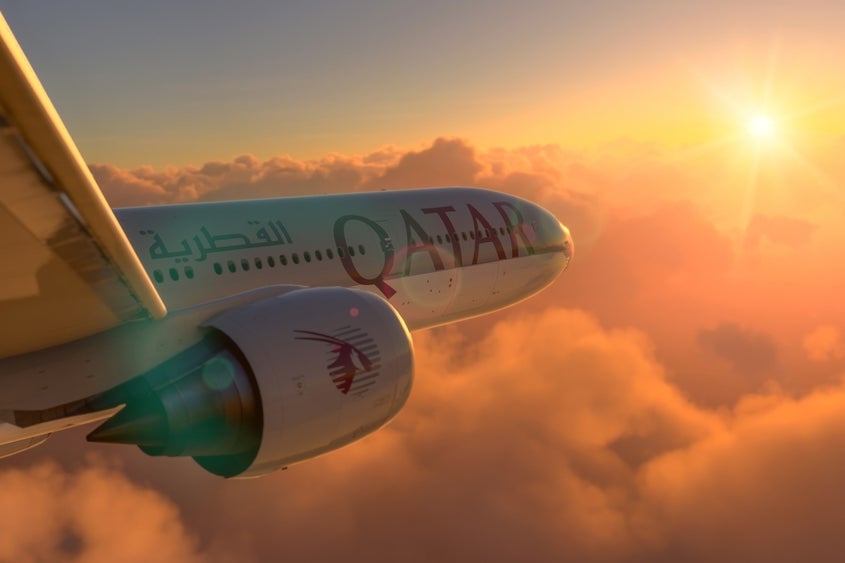
Boeing B-52 Crash Claims Eight Lives at Edwards Air Force Base

- Incident Overview: Boeing confirmed that all eight crew members, including two Boeing employees, perished in the B-52 crash at Edwards Air Force Base, highlighting the severity of the incident and its potential impact on the company's reputation.
- Investigation Status: Colonel James Hayes, deputy commander of the 412th Test Wing at Edwards, stated that the cause of the crash remains unclear, with investigations potentially taking up to six months, which could affect Boeing's future operations and project timelines.
- Technical Context: The crashed B-52 was supporting a radar modernization program featuring a modern Active Electronically Scanned Array (AESA) radar system, and while it is unclear if this was the same aircraft involved in the crash, the technological upgrades are critical for Boeing's military aviation business.
- Base Operations Impact: The crash led to the closure of Edwards Air Force Base for most of the day, with all inbound flights diverted; although access to the base was restored later in the afternoon, this incident may disrupt future testing schedules and operational efficiency at the base.
See More

U.S.-Iran Peace Deal Boosts Stock Market Rally


- Oil Price Decline Impact: The memorandum of understanding between the U.S. and Iran has led to a significant drop in oil prices, improving the inflation outlook and driving bond yields lower, which provides a favorable backdrop for Federal Reserve Chairman Kevin Warsh's first policy meeting, potentially allowing him to avoid a hawkish stance.
- Market Optimism: The Nasdaq's 3% rise reflects market optimism regarding the reopening of the Strait of Hormuz; if oil exports resume, it could further lower crude prices, influencing future inflation and interest rate trajectories.
- Successful SpaceX IPO: SpaceX's initial public offering performed well, alleviating concerns about an oversupply of new stocks, thereby boosting investor confidence in the market's ability to absorb new capital, especially as geopolitical tensions ease.
- Potential Housing Market Recovery: With declining oil prices and bond yields, the housing market may see a revival, as interest rates significantly impact the homebuying process; stocks like Home Depot are gaining attention, although investors remain cautious about a rebound in the housing sector.
See More
U.S. Stocks Surge on U.S.-Iran Agreement

- Market Reaction: Stocks surged significantly after President Trump announced the U.S. and Iran reached an agreement, with the Dow gaining 1.3% to an all-time high, the S&P 500 rising 1.7%, and the Nasdaq increasing by 2.6%, reflecting optimistic market sentiment towards geopolitical easing.
- Oil Price Impact: The agreement is expected to reopen the Strait of Hormuz, driving West Texas Intermediate crude down about 5% to roughly $80 per barrel, the lowest since March, which could help alleviate inflation pressures and reduce the likelihood of Federal Reserve rate hikes.
- Honeywell's Positive Outlook: Honeywell's stock rose 4% as easing tensions in the Middle East improved the outlook for its aerospace and automation businesses, with lower oil prices supporting airline activity and high-margin aftermarket services, and the company is set to separate its businesses on June 29, which could enhance growth prospects.
- Amazon Benefits from Lower Oil Prices: Amazon's stock gained over 3% as investors rotated back into growth stocks amid falling oil prices, with cheaper gasoline expected to leave consumers with more disposable income for online spending, while reduced transportation costs could improve margins across its fulfillment network, creating a favorable market backdrop.
See More

Analysis of Competition in the eVTOL Market


- Market Outlook: According to Eve Air Mobility's Global Market Outlook, by 2045, there could be 30,000 eVTOLs in operation carrying three billion passengers, despite Joby and Archer lacking FAA approval for commercial flights, which has led to depressed stock prices for both companies.
- Technical Comparison: Joby's S4 and Archer's Midnight exhibit significant design differences, with the S4 achieving a maximum range of 150 miles and a speed of 200 mph, while the Midnight has a range of 100 miles and a speed of 150 mph, highlighting Joby's technological advantage.
- Financial Projections: Analysts expect Joby's revenue to grow from $53 million in 2025 to $458 million in 2028, with a net loss narrowing to $722 million, whereas Archer's revenue is projected to surge from under $1 million in 2025 to $482 million in 2028, but its net loss is expected to widen to $868 million.
- Investment Advantages: Joby's market cap stands at $9.2 billion, trading at 20 times its 2028 sales, reflecting its potential in the
See More

Joby and Archer's eVTOL Aircraft Prospects
- Market Outlook: According to Eve Air Mobility's Global Market Outlook, by 2045, there could be 30,000 eVTOLs operating globally, carrying three billion passengers, presenting potential market opportunities for both Joby and Archer.
- FAA Approval Challenges: Both Joby and Archer must navigate the lengthy multi-stage approval process from the Federal Aviation Administration (FAA), with full commercial flight approvals likely not occurring until late 2026 or 2027, contributing to stock pressure this year.
- Financial Projections Comparison: Analysts expect Joby's revenue to grow from $53 million in 2025 to $458 million in 2028, while Archer's revenue is projected to surge from under $1 million to $482 million, although both companies are expected to widen their net losses, indicating differing market expectations.
- Investment Value Assessment: Joby trades at a market cap of $9.2 billion at 20 times its 2028 sales, while Archer's $4.0 billion market cap trades at just eight times its 2028 sales; despite Archer appearing more attractive, Joby's vertically integrated model and stronger liquidity position it as a more compelling long-term investment.
See More
Air India to Defer Delivery of Hundreds of Jets Amid Cost-Cutting
- Delivery Deferral: Air India is looking to defer the delivery of hundreds of jets ordered from Airbus and Boeing as it grapples with rising operational costs and financial pressures, highlighting the challenges faced during its restructuring process.
- Historic Order: In 2023, Air India placed a record order for 470 jets to revitalize its brand, but now must reassess its expansion plans due to mounting operational disruptions and losses.
- Operational Challenges: The airline is experiencing operational disruptions and significant losses linked to the Iran conflict and Pakistan's airspace ban, forcing it to cut flights on several routes in response to soaring jet fuel prices.
- Strategic Shift: Under Tata Group's directive to focus on reducing record losses, Air India is postponing deliveries, cutting flights, and delaying expansion plans, reflecting the company's adaptability in a changing market environment.
See More
Boeing B-52 Crash Claims Eight Lives at Edwards Air Force Base
- Incident Overview: Boeing confirmed that all eight crew members, including two Boeing employees, perished in the B-52 crash at Edwards Air Force Base, highlighting the severity of the incident and its potential impact on the company's reputation.
- Investigation Status: Colonel James Hayes, deputy commander of the 412th Test Wing at Edwards, stated that the cause of the crash remains unclear, with investigations potentially taking up to six months, which could affect Boeing's future operations and project timelines.
- Technical Context: The crashed B-52 was supporting a radar modernization program featuring a modern Active Electronically Scanned Array (AESA) radar system, and while it is unclear if this was the same aircraft involved in the crash, the technological upgrades are critical for Boeing's military aviation business.
- Base Operations Impact: The crash led to the closure of Edwards Air Force Base for most of the day, with all inbound flights diverted; although access to the base was restored later in the afternoon, this incident may disrupt future testing schedules and operational efficiency at the base.
See More
U.S.-Iran Peace Deal Boosts Stock Market Rally
- Oil Price Decline Impact: The memorandum of understanding between the U.S. and Iran has led to a significant drop in oil prices, improving the inflation outlook and driving bond yields lower, which provides a favorable backdrop for Federal Reserve Chairman Kevin Warsh's first policy meeting, potentially allowing him to avoid a hawkish stance.
- Market Optimism: The Nasdaq's 3% rise reflects market optimism regarding the reopening of the Strait of Hormuz; if oil exports resume, it could further lower crude prices, influencing future inflation and interest rate trajectories.
- Successful SpaceX IPO: SpaceX's initial public offering performed well, alleviating concerns about an oversupply of new stocks, thereby boosting investor confidence in the market's ability to absorb new capital, especially as geopolitical tensions ease.
- Potential Housing Market Recovery: With declining oil prices and bond yields, the housing market may see a revival, as interest rates significantly impact the homebuying process; stocks like Home Depot are gaining attention, although investors remain cautious about a rebound in the housing sector.
See More
U.S. Stocks Surge on U.S.-Iran Agreement
- Market Reaction: Stocks surged significantly after President Trump announced the U.S. and Iran reached an agreement, with the Dow gaining 1.3% to an all-time high, the S&P 500 rising 1.7%, and the Nasdaq increasing by 2.6%, reflecting optimistic market sentiment towards geopolitical easing.
- Oil Price Impact: The agreement is expected to reopen the Strait of Hormuz, driving West Texas Intermediate crude down about 5% to roughly $80 per barrel, the lowest since March, which could help alleviate inflation pressures and reduce the likelihood of Federal Reserve rate hikes.
- Honeywell's Positive Outlook: Honeywell's stock rose 4% as easing tensions in the Middle East improved the outlook for its aerospace and automation businesses, with lower oil prices supporting airline activity and high-margin aftermarket services, and the company is set to separate its businesses on June 29, which could enhance growth prospects.
- Amazon Benefits from Lower Oil Prices: Amazon's stock gained over 3% as investors rotated back into growth stocks amid falling oil prices, with cheaper gasoline expected to leave consumers with more disposable income for online spending, while reduced transportation costs could improve margins across its fulfillment network, creating a favorable market backdrop.
See More
Analysis of Competition in the eVTOL Market
- Market Outlook: According to Eve Air Mobility's Global Market Outlook, by 2045, there could be 30,000 eVTOLs in operation carrying three billion passengers, despite Joby and Archer lacking FAA approval for commercial flights, which has led to depressed stock prices for both companies.
- Technical Comparison: Joby's S4 and Archer's Midnight exhibit significant design differences, with the S4 achieving a maximum range of 150 miles and a speed of 200 mph, while the Midnight has a range of 100 miles and a speed of 150 mph, highlighting Joby's technological advantage.
- Financial Projections: Analysts expect Joby's revenue to grow from $53 million in 2025 to $458 million in 2028, with a net loss narrowing to $722 million, whereas Archer's revenue is projected to surge from under $1 million in 2025 to $482 million in 2028, but its net loss is expected to widen to $868 million.
- Investment Advantages: Joby's market cap stands at $9.2 billion, trading at 20 times its 2028 sales, reflecting its potential in the
See More
Joby and Archer's eVTOL Aircraft Prospects
- Market Outlook: According to Eve Air Mobility's Global Market Outlook, by 2045, there could be 30,000 eVTOLs operating globally, carrying three billion passengers, presenting potential market opportunities for both Joby and Archer.
- FAA Approval Challenges: Both Joby and Archer must navigate the lengthy multi-stage approval process from the Federal Aviation Administration (FAA), with full commercial flight approvals likely not occurring until late 2026 or 2027, contributing to stock pressure this year.
- Financial Projections Comparison: Analysts expect Joby's revenue to grow from $53 million in 2025 to $458 million in 2028, while Archer's revenue is projected to surge from under $1 million to $482 million, although both companies are expected to widen their net losses, indicating differing market expectations.
- Investment Value Assessment: Joby trades at a market cap of $9.2 billion at 20 times its 2028 sales, while Archer's $4.0 billion market cap trades at just eight times its 2028 sales; despite Archer appearing more attractive, Joby's vertically integrated model and stronger liquidity position it as a more compelling long-term investment.
See More
Air India to Defer Delivery of Hundreds of Jets Amid Cost-Cutting
- Delivery Deferral: Air India is looking to defer the delivery of hundreds of jets ordered from Airbus and Boeing as it grapples with rising operational costs and financial pressures, highlighting the challenges faced during its restructuring process.
- Historic Order: In 2023, Air India placed a record order for 470 jets to revitalize its brand, but now must reassess its expansion plans due to mounting operational disruptions and losses.
- Operational Challenges: The airline is experiencing operational disruptions and significant losses linked to the Iran conflict and Pakistan's airspace ban, forcing it to cut flights on several routes in response to soaring jet fuel prices.
- Strategic Shift: Under Tata Group's directive to focus on reducing record losses, Air India is postponing deliveries, cutting flights, and delaying expansion plans, reflecting the company's adaptability in a changing market environment.
See More