BMW, Volkswagen, Stellantis Rally As Trump's Japan Trade Pact Fuels Hopes For EU Deal — But Analysts Warn It's 'Impossible To Predict'
Written by Emily J. Thompson, Senior Investment Analyst
Updated: Jul 23 2025
0mins
Should l Buy GM?
Source: Benzinga
Impact of Trump's Tariffs: President Trump announced 15% tariffs on Japanese imports, leading to a surge in shares of European automakers like BMW, Volkswagen, and Mercedes-Benz, with the Stoxx Europe autos index rising by 4.2%.
Challenges for EU Negotiations: Analysts suggest that achieving similar trade breakthroughs with the EU may be difficult, as current proposals do not match Japan's commitments, despite potential negotiations to reduce duties on US car exports.
Trade with 70% Backtested Accuracy
Stop guessing "Should I Buy GM?" and start using high-conviction signals backed by rigorous historical data.
Sign up today to access powerful investing tools and make smarter, data-driven decisions.
Analyst Views on GM
Wall Street analysts forecast GM stock price to rise
19 Analyst Rating
14 Buy
4 Hold
1 Sell
Moderate Buy
Current: 75.040

Low
57.00
Averages
95.06
High
122.00
Current: 75.040
Low
57.00
Averages
95.06
High
122.00
About GM
General Motors Company designs, builds and sells trucks, crossovers, cars and automobile parts and provides software-enabled services and subscriptions worldwide. The Company's segments include GMNA, GMI, Cruise and GM Financial. Its GM North America (GMNA) and GM International (GMI) develop, manufacture and/or markets vehicles under the Buick, Cadillac, Chevrolet and GMC brands. The Company provides automotive financing services through its General Motors Financial Company, Inc. (GM Financial) segment. Its Cruise segment is engaged in the development and commercialization of autonomous vehicle technology. Its software-enabled services and subscriptions, including OnStar, its advanced driver-assistance systems (ADAS), including Super Cruise driver assistance technology, and its end-to-end software platform. The Company is also focused on investing in electric vehicles (EVs) and AVs, software-enabled services and subscriptions and new business opportunities.
About the author

Emily J. Thompson
Emily J. Thompson, a Chartered Financial Analyst (CFA) with 12 years in investment research, graduated with honors from the Wharton School. Specializing in industrial and technology stocks, she provides in-depth analysis for Intellectia’s earnings and market brief reports.

Impact of Trump's Tariffs One Year Later


- Widespread Tariff Impact: Trump's tariff policies have placed significant economic pressure on U.S. businesses over the past year, with approximately 80% to 85% of costs absorbed by companies, leading to reduced profits and increased consumer prices, thereby exacerbating overall economic uncertainty.
- Retail Sector Adaptation: While large retailers like Walmart have emerged relatively unscathed, smaller businesses have been severely impacted, with Home Depot aiming to limit purchases from any single country to 10% to reduce dependency and enhance supply chain flexibility.
- Automotive Industry Cost Surge: Automakers such as General Motors and Toyota are facing tariff impacts estimated at up to $9.5 billion, and although the Trump administration has taken steps to alleviate overlapping tariffs, overall costs remain significant, forcing companies to reassess their supply chain strategies.
- Pharmaceutical Sector Stability: Pharmaceutical companies have secured three-year tariff exemptions through pricing agreements with Trump, although new tariffs impose 100% on companies that do not reach agreements, the overall industry is still striving to increase investments in U.S. manufacturing.
See More
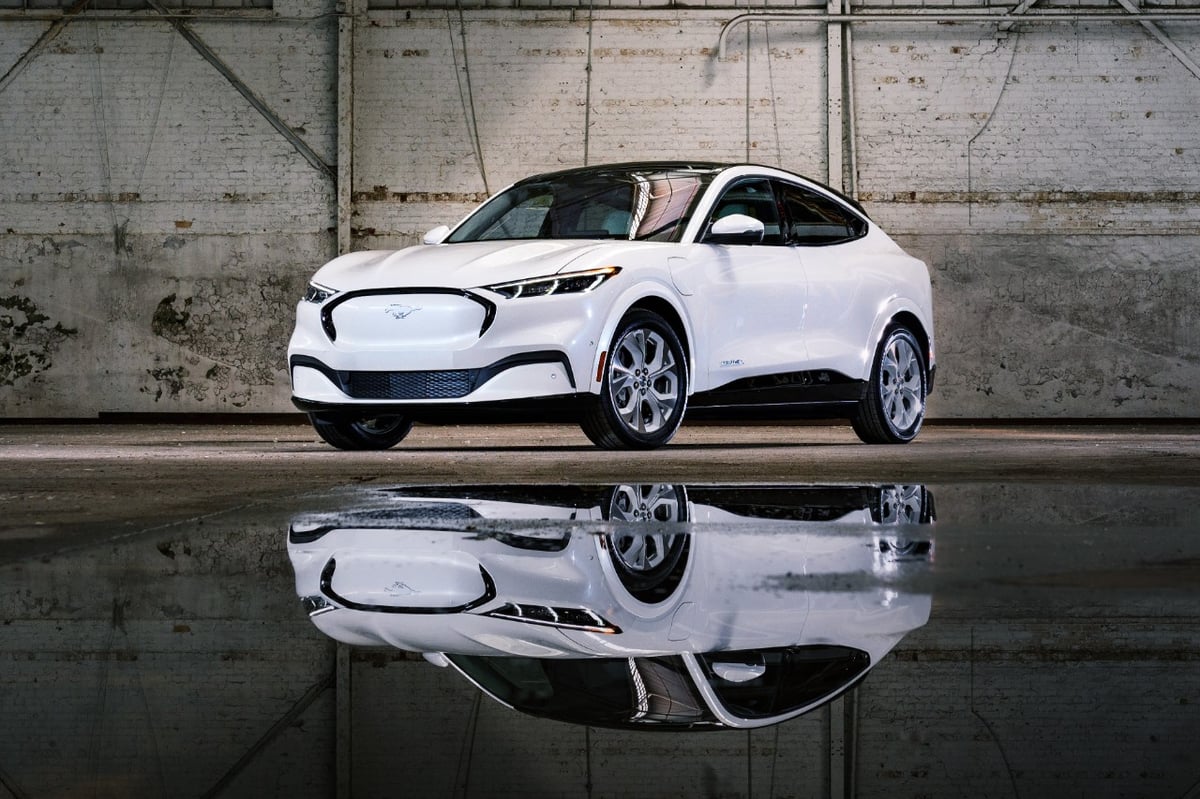
Ford Credit's Profit-Driving Potential


- Profit Source: Ford Credit, while generating only about 5% of the company's revenue annually, contributes 15% to 20% of profits, with last year's earnings before taxes reaching $2.6 billion and returning $1.7 billion in cash to Ford, supporting growth in electric vehicles and other initiatives.
- Leasing Risks: Ford Credit finances customer sales and leases, and is projected to face significant risks from off-lease EVs with residual values lower than expected, potentially crippling profitability, especially with nearly 800,000 EVs expected to come off lease by 2028.
- Market Dynamics: By the end of 2026, EVs are expected to make up 15% of off-lease used vehicles, up from just 7.7% in Q1 2023, indicating rapid changes in the EV market and its potential impact on Ford Credit.
- Industry Loss Estimates: Experts predict that the resale value of off-lease EVs will be around $10,000 less than projected, leading to an estimated industry-wide loss of about $8 billion in 2028, posing challenges for Ford and its competitors Tesla and General Motors.
See More

Ford Credit Faces EV Residual Value Crisis
- Profitability Overview: Ford Credit has recorded only one annual loss in the past two decades, in 2008, and while it typically generates about 5% of the company's revenue, it contributes 15% to 20% of profits, highlighting its significance as a profit engine.
- EV Residual Value Risk: With nearly 800,000 EVs expected to flood the market by 2028, industry experts predict these vehicles will resell for about $10,000 less than projected, potentially leading to an industry-wide loss of approximately $8 billion, posing significant financial pressure on Ford Credit.
- Leasing Market Dynamics: Ford's performance in the EV leasing market is relatively weak, with only 52,000 EV leases last year compared to 228,000 for Tesla and 102,000 for General Motors, which may impact Ford's future profitability due to market share disparities.
- Investor Watchpoint: Although the current situation is less severe than the 2008 crisis, the residual value issues of EVs warrant close attention from investors, as they could unexpectedly affect Ford's financial health in the coming years.
See More
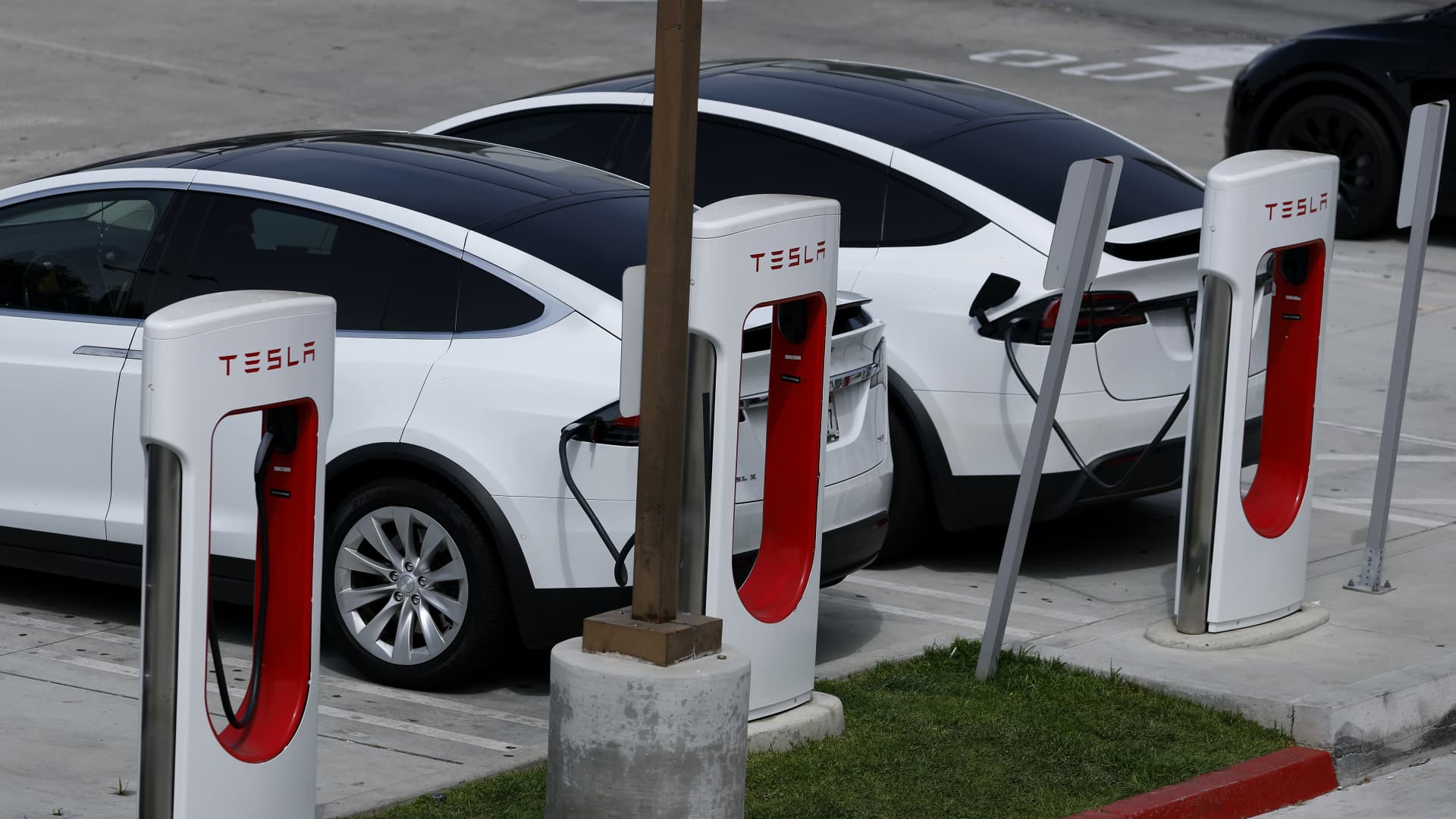
Tesla's Deliveries Fall Short of Expectations, Shares Drop


- Tesla Delivery Decline: Tesla reported first-quarter deliveries of 358,000 vehicles, a 14% drop from the previous quarter and below the expected 370,000, leading to a 4% decline in stock price, indicating market concerns over its growth outlook.
- Nike's Bleak Sales Outlook: Nike anticipates a 20% decline in sales in China for the current quarter, resulting in a more than 2% drop in stock price, highlighting increasing challenges the company faces in the global market that could impact future profitability.
- Globalstar Stock Surge: Globalstar shares rose 9% following reports that Amazon is in talks to acquire the company, although Amazon declined to comment, the optimism surrounding the potential acquisition boosted the stock price significantly.
- Penguin Solutions Earnings Beat: Penguin Solutions reported adjusted earnings of 52 cents per share, exceeding the analyst consensus of 42 cents, with revenue of $343 million surpassing expectations, reflecting strong performance in the computing and memory markets, resulting in a 13% stock price increase.
See More
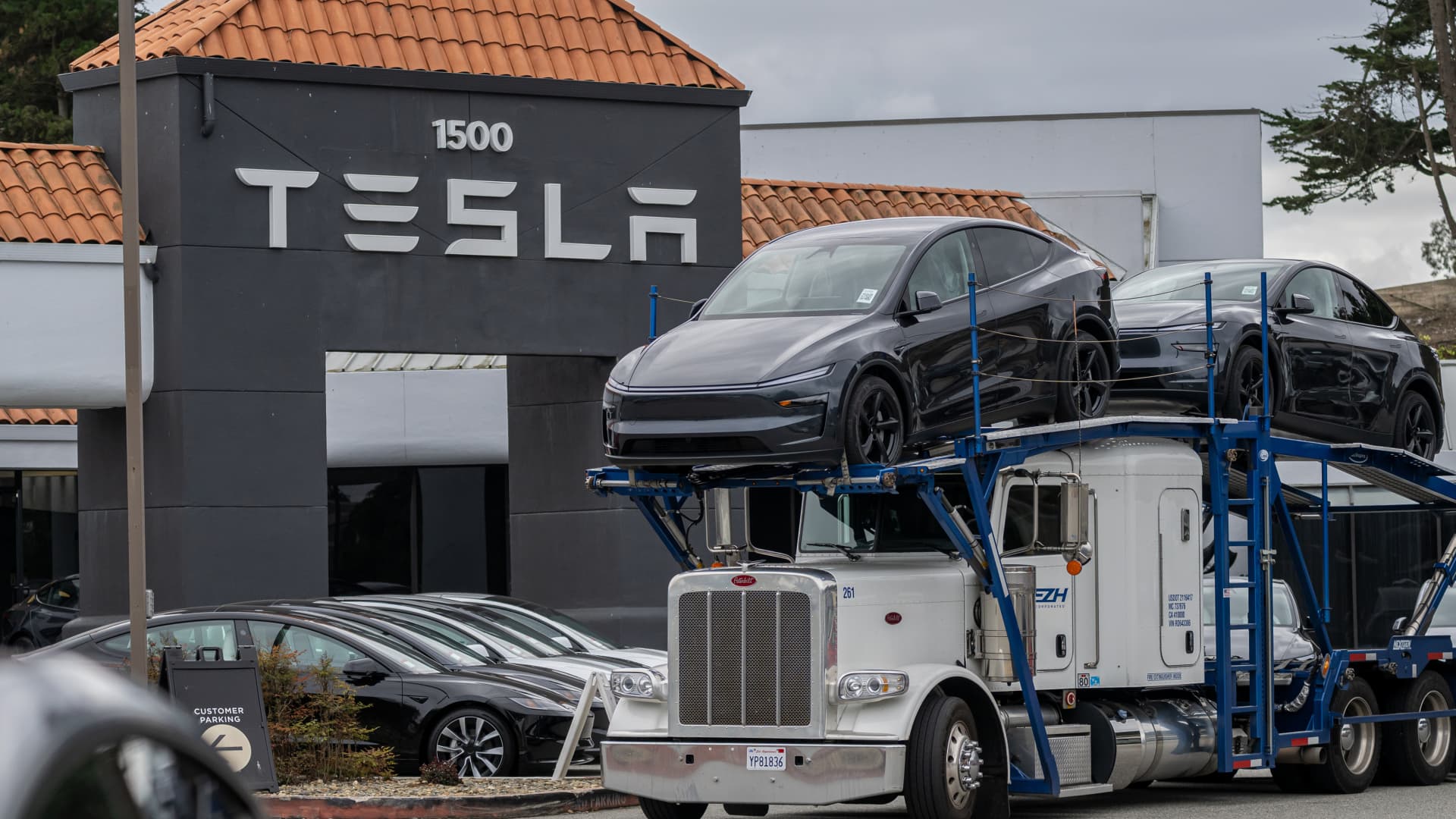
Tesla Reports 14% Drop in Q1 Deliveries Amidst Increased Competition


- Declining Deliveries: Tesla reported Q1 vehicle deliveries of 358,023, a 14% decrease from the previous quarter, although this reflects a 6% year-over-year increase, indicating the need for improved sales strategies amidst fierce competition to maintain market share.
- Production Challenges: The production volume for Q1 was 408,386 vehicles, falling short of analysts' expectations of 370,000, highlighting a gap between production capacity and market demand that could impact future financial performance.
- New Product Strategy: Tesla has ceased production of its flagship Model S and X vehicles, reallocating production lines to develop the Optimus robot, although this shift has yet to yield significant sales, reflecting uncertainty in the company's new business direction.
- Energy Business Performance: The deployment of battery energy storage systems in Q1 was 8.8 GWh, down from 10.4 GWh a year earlier, indicating increased competition in the energy market that may affect Tesla's long-term growth potential in renewable energy.
See More
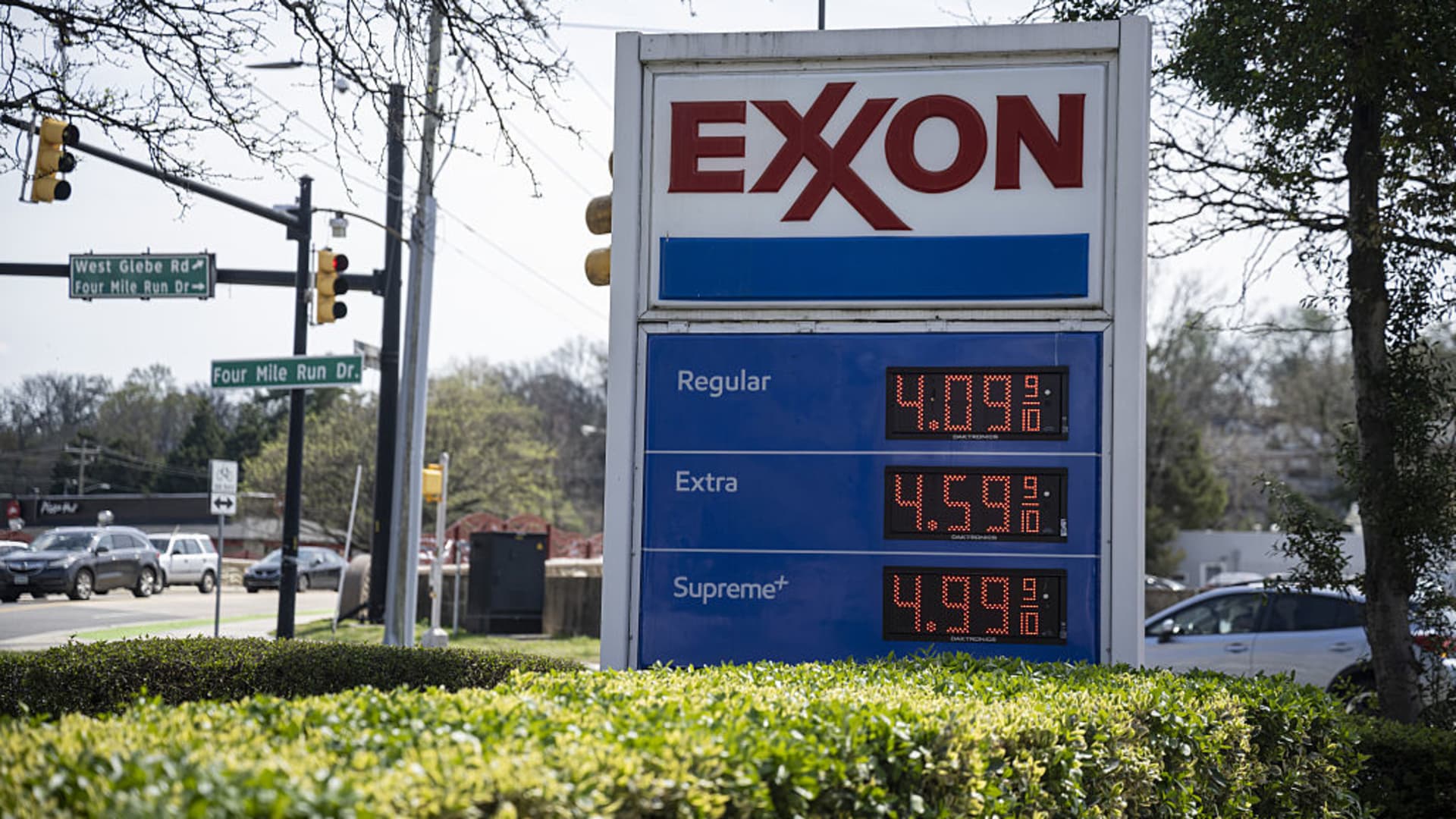
Oil Price Surge Drives Energy Stocks Higher Amid Iran War Concerns


- Energy Stocks Surge: Following President Trump's speech, oil prices surged over 7%, leading to a 4.3% increase in APA shares, while Diamondback Energy, ConocoPhillips, Devon Energy, Exxon Mobil, and Chevron saw about 3% gains, indicating market optimism regarding energy demand.
- Cruise Stocks Decline: Major cruise operators like Carnival, Royal Caribbean, and Norwegian Cruise Line fell about 4% as Trump's speech failed to provide a clear path to end the Iran war, heightening concerns over demand.
- Airlines Under Pressure: Rising oil prices caused airline stocks to tumble, with Delta Air Lines, United Airlines, Southwest Airlines, and Alaska Air all dropping about 4%, reflecting the negative impact of high oil prices on airline profitability.
- Gold Miners Slide: After Trump's speech, gold prices fell 1%, leading to declines of about 5% for Newmont and Kinross Gold, and nearly 6% for Iamgold, indicating a weakening demand for safe-haven assets.
See More
Impact of Trump's Tariffs One Year Later
- Widespread Tariff Impact: Trump's tariff policies have placed significant economic pressure on U.S. businesses over the past year, with approximately 80% to 85% of costs absorbed by companies, leading to reduced profits and increased consumer prices, thereby exacerbating overall economic uncertainty.
- Retail Sector Adaptation: While large retailers like Walmart have emerged relatively unscathed, smaller businesses have been severely impacted, with Home Depot aiming to limit purchases from any single country to 10% to reduce dependency and enhance supply chain flexibility.
- Automotive Industry Cost Surge: Automakers such as General Motors and Toyota are facing tariff impacts estimated at up to $9.5 billion, and although the Trump administration has taken steps to alleviate overlapping tariffs, overall costs remain significant, forcing companies to reassess their supply chain strategies.
- Pharmaceutical Sector Stability: Pharmaceutical companies have secured three-year tariff exemptions through pricing agreements with Trump, although new tariffs impose 100% on companies that do not reach agreements, the overall industry is still striving to increase investments in U.S. manufacturing.
See More
Ford Credit's Profit-Driving Potential
- Profit Source: Ford Credit, while generating only about 5% of the company's revenue annually, contributes 15% to 20% of profits, with last year's earnings before taxes reaching $2.6 billion and returning $1.7 billion in cash to Ford, supporting growth in electric vehicles and other initiatives.
- Leasing Risks: Ford Credit finances customer sales and leases, and is projected to face significant risks from off-lease EVs with residual values lower than expected, potentially crippling profitability, especially with nearly 800,000 EVs expected to come off lease by 2028.
- Market Dynamics: By the end of 2026, EVs are expected to make up 15% of off-lease used vehicles, up from just 7.7% in Q1 2023, indicating rapid changes in the EV market and its potential impact on Ford Credit.
- Industry Loss Estimates: Experts predict that the resale value of off-lease EVs will be around $10,000 less than projected, leading to an estimated industry-wide loss of about $8 billion in 2028, posing challenges for Ford and its competitors Tesla and General Motors.
See More
Ford Credit Faces EV Residual Value Crisis
- Profitability Overview: Ford Credit has recorded only one annual loss in the past two decades, in 2008, and while it typically generates about 5% of the company's revenue, it contributes 15% to 20% of profits, highlighting its significance as a profit engine.
- EV Residual Value Risk: With nearly 800,000 EVs expected to flood the market by 2028, industry experts predict these vehicles will resell for about $10,000 less than projected, potentially leading to an industry-wide loss of approximately $8 billion, posing significant financial pressure on Ford Credit.
- Leasing Market Dynamics: Ford's performance in the EV leasing market is relatively weak, with only 52,000 EV leases last year compared to 228,000 for Tesla and 102,000 for General Motors, which may impact Ford's future profitability due to market share disparities.
- Investor Watchpoint: Although the current situation is less severe than the 2008 crisis, the residual value issues of EVs warrant close attention from investors, as they could unexpectedly affect Ford's financial health in the coming years.
See More
Tesla's Deliveries Fall Short of Expectations, Shares Drop
- Tesla Delivery Decline: Tesla reported first-quarter deliveries of 358,000 vehicles, a 14% drop from the previous quarter and below the expected 370,000, leading to a 4% decline in stock price, indicating market concerns over its growth outlook.
- Nike's Bleak Sales Outlook: Nike anticipates a 20% decline in sales in China for the current quarter, resulting in a more than 2% drop in stock price, highlighting increasing challenges the company faces in the global market that could impact future profitability.
- Globalstar Stock Surge: Globalstar shares rose 9% following reports that Amazon is in talks to acquire the company, although Amazon declined to comment, the optimism surrounding the potential acquisition boosted the stock price significantly.
- Penguin Solutions Earnings Beat: Penguin Solutions reported adjusted earnings of 52 cents per share, exceeding the analyst consensus of 42 cents, with revenue of $343 million surpassing expectations, reflecting strong performance in the computing and memory markets, resulting in a 13% stock price increase.
See More
Tesla Reports 14% Drop in Q1 Deliveries Amidst Increased Competition
- Declining Deliveries: Tesla reported Q1 vehicle deliveries of 358,023, a 14% decrease from the previous quarter, although this reflects a 6% year-over-year increase, indicating the need for improved sales strategies amidst fierce competition to maintain market share.
- Production Challenges: The production volume for Q1 was 408,386 vehicles, falling short of analysts' expectations of 370,000, highlighting a gap between production capacity and market demand that could impact future financial performance.
- New Product Strategy: Tesla has ceased production of its flagship Model S and X vehicles, reallocating production lines to develop the Optimus robot, although this shift has yet to yield significant sales, reflecting uncertainty in the company's new business direction.
- Energy Business Performance: The deployment of battery energy storage systems in Q1 was 8.8 GWh, down from 10.4 GWh a year earlier, indicating increased competition in the energy market that may affect Tesla's long-term growth potential in renewable energy.
See More
Oil Price Surge Drives Energy Stocks Higher Amid Iran War Concerns
- Energy Stocks Surge: Following President Trump's speech, oil prices surged over 7%, leading to a 4.3% increase in APA shares, while Diamondback Energy, ConocoPhillips, Devon Energy, Exxon Mobil, and Chevron saw about 3% gains, indicating market optimism regarding energy demand.
- Cruise Stocks Decline: Major cruise operators like Carnival, Royal Caribbean, and Norwegian Cruise Line fell about 4% as Trump's speech failed to provide a clear path to end the Iran war, heightening concerns over demand.
- Airlines Under Pressure: Rising oil prices caused airline stocks to tumble, with Delta Air Lines, United Airlines, Southwest Airlines, and Alaska Air all dropping about 4%, reflecting the negative impact of high oil prices on airline profitability.
- Gold Miners Slide: After Trump's speech, gold prices fell 1%, leading to declines of about 5% for Newmont and Kinross Gold, and nearly 6% for Iamgold, indicating a weakening demand for safe-haven assets.
See More