Big Tech Continues Billions in AI Data Center Investments
Written by Emily J. Thompson, Senior Investment Analyst
Updated: 19 hours ago
0mins
Should l Buy NVDA?
Source: Fool
- AI Infrastructure Investment Surge: Statista projects that AI infrastructure investment will reach $902 billion by 2029, a significant increase from $334 billion in 2025, indicating sustained demand and enthusiasm for AI technologies in the market.
- Nvidia's Market Dominance: Nvidia's data center business accounted for over 90% of its revenue last quarter, growing 75% year-over-year, with an impressive $120 billion net income on $215 billion total revenue, solidifying its core position in AI infrastructure.
- Iren's Power Assurance: Iren has secured over 4.5 gigawatts of power supply and focuses on designing, building, and operating data centers, expecting to achieve an annualized revenue run rate of $3.4 billion by 2026, showcasing its strong capability to meet tech giants' demands.
- Long-Term Investment Potential: Despite significant stock price increases for both Nvidia and Iren, analysts expect Nvidia's earnings to grow by 38% annually over the next five years, while Iren's market valuation still has room for upside, indicating both companies remain attractive in the AI boom.
Trade with 70% Backtested Accuracy
Stop guessing "Should I Buy NVDA?" and start using high-conviction signals backed by rigorous historical data.
Sign up today to access powerful investing tools and make smarter, data-driven decisions.
Analyst Views on NVDA
Wall Street analysts forecast NVDA stock price to rise
41 Analyst Rating
39 Buy
1 Hold
1 Sell
Strong Buy
Current: 174.400

Low
200.00
Averages
264.97
High
352.00
Current: 174.400
Low
200.00
Averages
264.97
High
352.00
About NVDA
NVIDIA Corporation is an artificial intelligence (AI) infrastructure company. The Company is engaged in accelerated computing to help solve the challenging computational problems. Its segments include Compute & Networking and Graphics. The Compute & Networking segment includes its Data Center accelerated computing and networking platforms and AI solutions and software, and automotive platforms and autonomous and electric vehicle solutions, including software. The Graphics segment includes GeForce GPUs for gaming and personal computers (PCs), and Quadro/NVIDIA RTX GPUs for enterprise workstation graphics. Its technology stack includes the foundational NVIDIA CUDA development platform that runs on all NVIDIA GPUs, as well as hundreds of domain-specific software libraries, frameworks, algorithms, software development kits (SDKs), and application programming interfaces (APIs). Its platforms address four markets, which include Data Center, Gaming, Professional Visualization, and Automotive.
About the author

Emily J. Thompson
Emily J. Thompson, a Chartered Financial Analyst (CFA) with 12 years in investment research, graduated with honors from the Wharton School. Specializing in industrial and technology stocks, she provides in-depth analysis for Intellectia’s earnings and market brief reports.
Nvidia's Earnings Report Shows Strong Growth

- Significant Revenue Growth: Nvidia's revenue in Q4 of fiscal 2026 surged 73% year-over-year to $68.1 billion, primarily driven by its data center segment, which generated $62.3 billion in revenue, up 75% year-over-year.
- Profitability Improvement: The company reported non-GAAP earnings per share of $1.62, an 82% increase year-over-year, while maintaining an impressive adjusted gross margin of 75.2%, showcasing its strong pricing power and production scale within its hardware ecosystem.
- Optimistic Future Outlook: Management anticipates first-quarter revenue for fiscal 2027 to be approximately $78 billion, indicating that the company's growth in the AI sector is still in its early stages, with the data center business expanding nearly 13 times since fiscal 2023.
- Valuation Outlook Analysis: Despite a current price-to-earnings ratio of about 36, the forward P/E ratio is expected to drop to 21 over the next four quarters, and if the company meets Wall Street's earnings expectations, the stock price could appreciate by 12% over the next year, reaching around $197.
See More

Nvidia Reopens Key AI Market in China Amid Risks
- Market Reopening: Nvidia has reopened its operations in China, one of the world's most crucial AI markets, presenting potential for revenue growth despite existing policy risks that complicate the narrative.
- Policy Risks: While the opportunities in the Chinese market are significant, uncertainties surrounding government regulations and market access could impact Nvidia's long-term strategic positioning in the region.
- Investment Opportunities: Analysts suggest that despite the high costs associated with re-entering the market, Nvidia could leverage technological innovation and adaptability to capture growth opportunities in China, enhancing its global competitiveness.
- Future Outlook: As demand for AI technology continues to rise in China, Nvidia's market strategy will need to be agile to navigate the complex policy landscape and maximize returns on its investments in the region.
See More
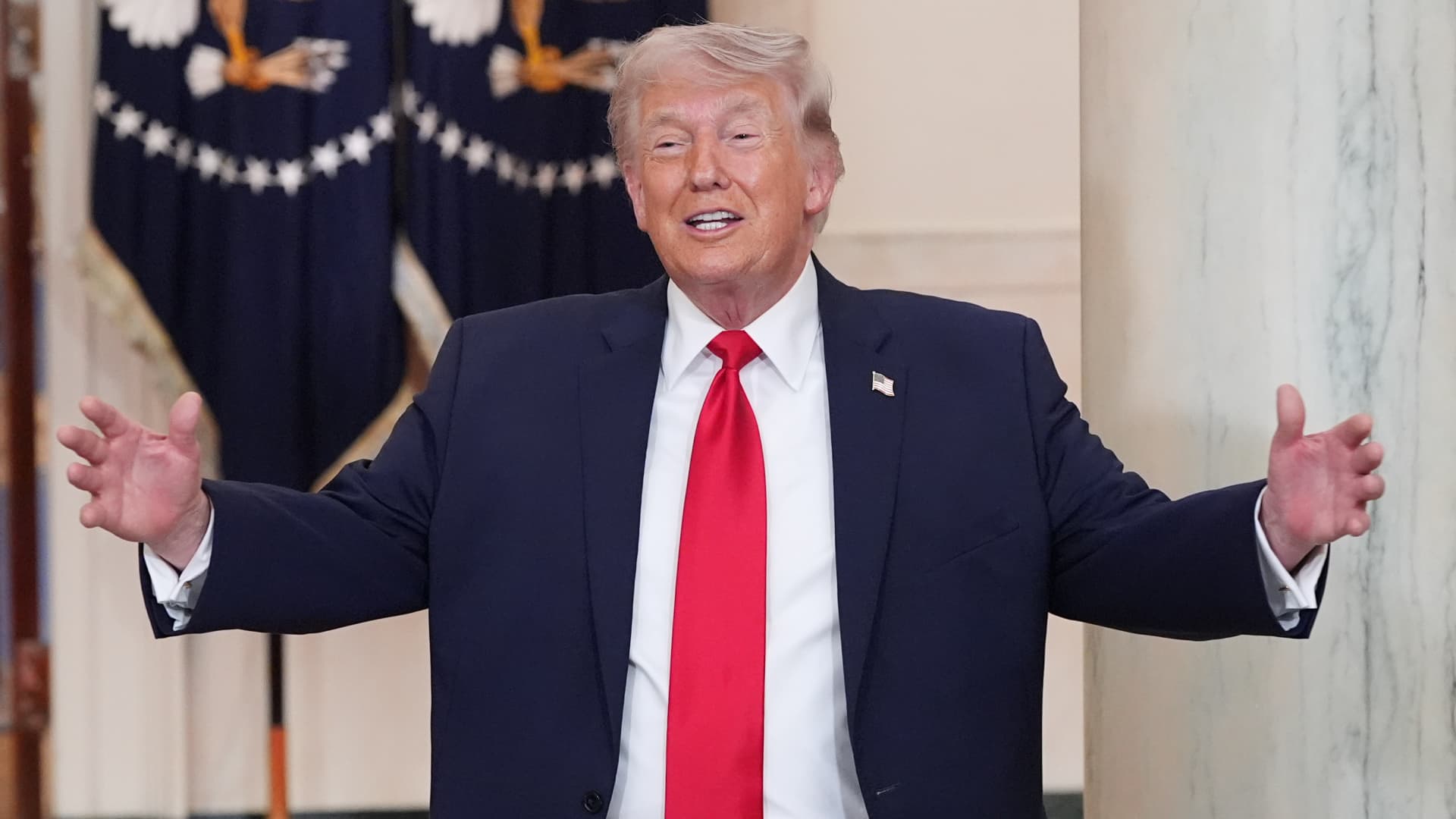
Trump's Address Triggers Market Volatility


- War Progress Update: In his national address, Trump claimed unprecedented victories in the U.S. campaign dubbed 'Operation Epic Fury,' while forecasting the conflict to last another two to three weeks, heightening market concerns about future developments.
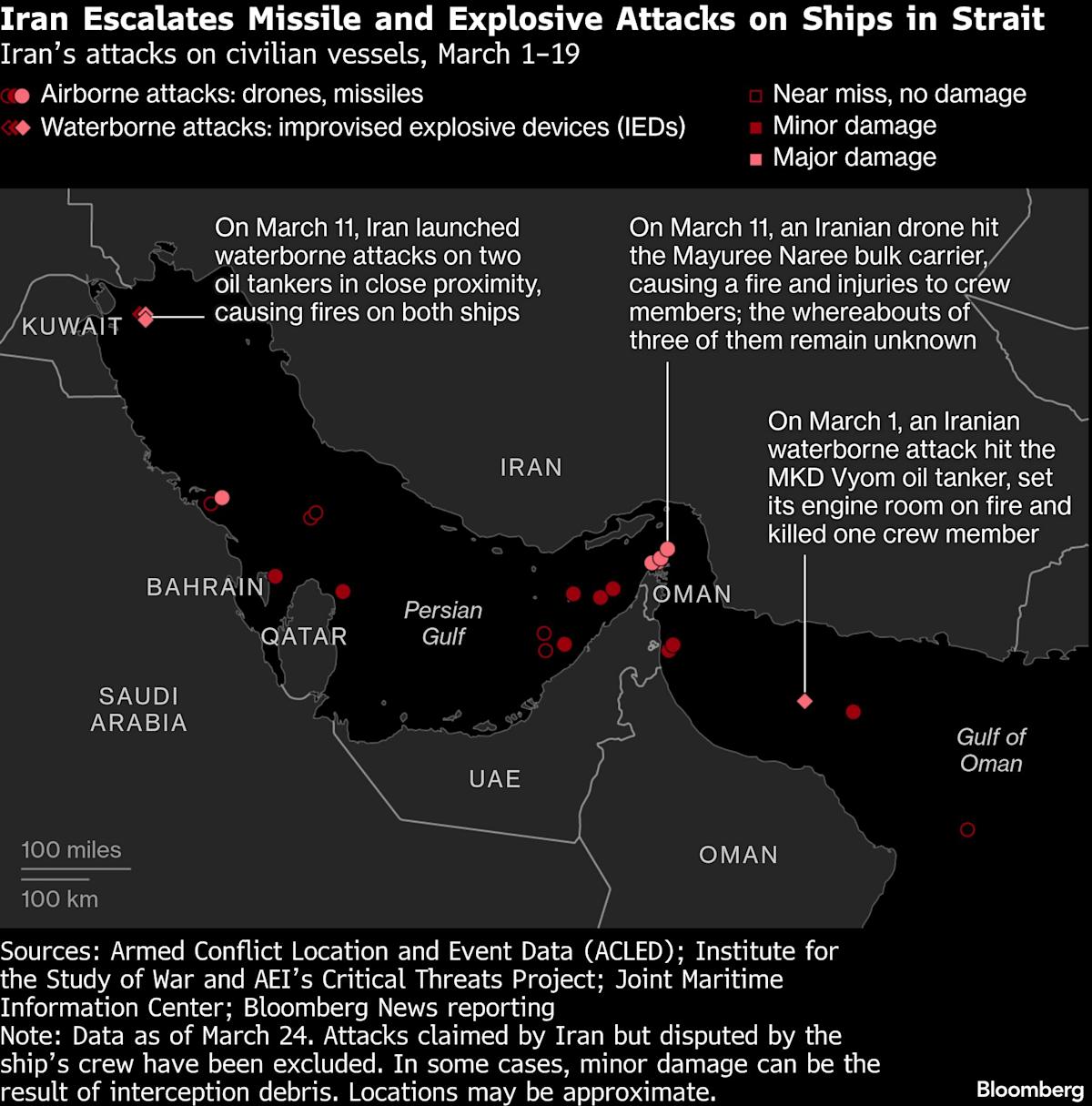
- Oil Price Surge: Following the speech, international benchmark Brent crude futures rose nearly 6%, with Trump attributing the price increase to Iranian attacks on commercial oil tankers, illustrating the direct impact of geopolitical tensions on energy markets.
- Negative Market Reaction: Asia-Pacific markets broadly declined after Trump's address, with major indices such as Hong Kong's Hang Seng, Japan's Nikkei 225, South Korea's Kospi, and Australia's S&P/ASX 200 all retreating, reflecting investor unease about the future situation.
- Escalating Tensions with Iran: Trump threatened that the U.S. would continue to strike Iran hard unless the Strait of Hormuz is 'open, free, and clear,' indicating a worsening relationship between the U.S. and Iran that could affect global energy supplies.
See More
Intel Reacquires Key Manufacturing Site for $14.2 Billion

- Deal Details: Intel is reacquiring a 49% stake in its Fab 34 facility in Ireland for $14.2 billion, having previously sold it to Apollo Global Management for $11.2 billion in 2024, indicating a significant improvement in the company's financial and competitive position.
- Funding and Impact: The repurchase will be financed through Intel's cash reserves and approximately $6.5 billion in new debt, with management expecting a positive impact on earnings per share by 2027, thereby enhancing the company's profitability.
- AI Strategic Positioning: The Fab 34 facility is set to play a central role in Intel's AI-driven growth strategy, particularly in producing chips for AI-enabled personal computers and high-performance data center servers, catering to the increasing market demand.
- Market Competition Landscape: While Intel's outlook in the CPU market is optimistic, it faces fierce competition from Nvidia, AMD, and Arm Holdings, all of which are ramping up their CPU offerings to capture market share in this lucrative segment.
See More
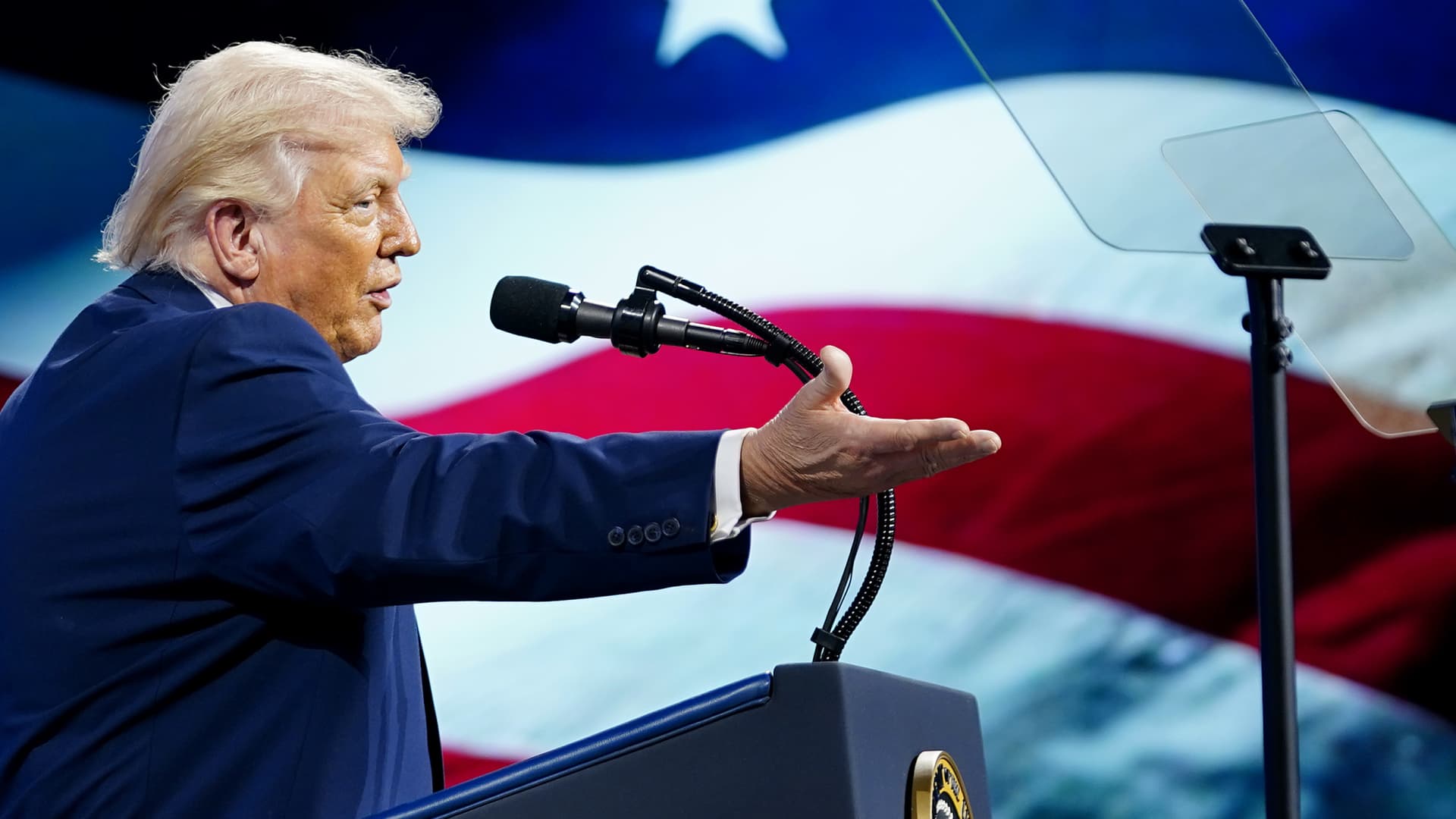
U.S. Markets Rise on Optimism Over Middle East Situation
- Market Optimism: All three major U.S. indexes rose on Wednesday, with the S&P 500 and Nasdaq Composite gaining 0.72% and 1.16%, respectively, while the Dow Jones Industrial Average increased by 224.23 points or 0.48%, reflecting heightened investor optimism regarding a potential end to the U.S.-Iran war.
- Trump's Address Anticipation: President Trump is expected to address the nation at 9 p.m. ET tonight to provide updates on the Iran ceasefire talks, with market participants closely monitoring the speech for potential impacts on stock prices.
- Iran's Response: Despite Trump's claim that Iran's new regime requested a ceasefire, Iranian officials denied this request, stating that there are currently no negotiations, which adds complexity and uncertainty to the situation and could affect market sentiment.
- Tech Company Developments: SpaceX has confidentially filed for an IPO, setting the stage for a record offering, following a significant funding round for OpenAI, indicating strong activity and investor confidence in the tech sector, which may drive related stock prices higher.
See More
Analysis of Market Impact from Iran War

- Surging Oil Prices: The ongoing Iran war has led to a significant increase in global oil prices, with approximately 20% of the world's oil passing through the Strait of Hormuz, resulting in an overall market decline and expected long-term economic impacts.
- Extended Rebuilding Timeline: The reconstruction of LNG assets is projected to take 3-5 years, and if the conflict persists, this timeline may extend further, posing greater challenges to the global economy.
- Supply Chain Complexity: The current issues are more complex than mere supply shortages, particularly with Qatar's LNG facilities damaged, leading to uncertain recovery times that could affect production across multiple industries.
- Investor Sentiment Deterioration: The S&P 500 has dropped about 4% year-to-date, with the fear and greed index falling to 17, indicating a heightened fear among investors regarding future market conditions, which may lead to increased market volatility.
See More
Nvidia's Earnings Report Shows Strong Growth
- Significant Revenue Growth: Nvidia's revenue in Q4 of fiscal 2026 surged 73% year-over-year to $68.1 billion, primarily driven by its data center segment, which generated $62.3 billion in revenue, up 75% year-over-year.
- Profitability Improvement: The company reported non-GAAP earnings per share of $1.62, an 82% increase year-over-year, while maintaining an impressive adjusted gross margin of 75.2%, showcasing its strong pricing power and production scale within its hardware ecosystem.
- Optimistic Future Outlook: Management anticipates first-quarter revenue for fiscal 2027 to be approximately $78 billion, indicating that the company's growth in the AI sector is still in its early stages, with the data center business expanding nearly 13 times since fiscal 2023.
- Valuation Outlook Analysis: Despite a current price-to-earnings ratio of about 36, the forward P/E ratio is expected to drop to 21 over the next four quarters, and if the company meets Wall Street's earnings expectations, the stock price could appreciate by 12% over the next year, reaching around $197.
See More
Nvidia Reopens Key AI Market in China Amid Risks
- Market Reopening: Nvidia has reopened its operations in China, one of the world's most crucial AI markets, presenting potential for revenue growth despite existing policy risks that complicate the narrative.
- Policy Risks: While the opportunities in the Chinese market are significant, uncertainties surrounding government regulations and market access could impact Nvidia's long-term strategic positioning in the region.
- Investment Opportunities: Analysts suggest that despite the high costs associated with re-entering the market, Nvidia could leverage technological innovation and adaptability to capture growth opportunities in China, enhancing its global competitiveness.
- Future Outlook: As demand for AI technology continues to rise in China, Nvidia's market strategy will need to be agile to navigate the complex policy landscape and maximize returns on its investments in the region.
See More
Trump's Address Triggers Market Volatility
- War Progress Update: In his national address, Trump claimed unprecedented victories in the U.S. campaign dubbed 'Operation Epic Fury,' while forecasting the conflict to last another two to three weeks, heightening market concerns about future developments.
- Oil Price Surge: Following the speech, international benchmark Brent crude futures rose nearly 6%, with Trump attributing the price increase to Iranian attacks on commercial oil tankers, illustrating the direct impact of geopolitical tensions on energy markets.
- Negative Market Reaction: Asia-Pacific markets broadly declined after Trump's address, with major indices such as Hong Kong's Hang Seng, Japan's Nikkei 225, South Korea's Kospi, and Australia's S&P/ASX 200 all retreating, reflecting investor unease about the future situation.
- Escalating Tensions with Iran: Trump threatened that the U.S. would continue to strike Iran hard unless the Strait of Hormuz is 'open, free, and clear,' indicating a worsening relationship between the U.S. and Iran that could affect global energy supplies.
See More
Intel Reacquires Key Manufacturing Site for $14.2 Billion
- Deal Details: Intel is reacquiring a 49% stake in its Fab 34 facility in Ireland for $14.2 billion, having previously sold it to Apollo Global Management for $11.2 billion in 2024, indicating a significant improvement in the company's financial and competitive position.
- Funding and Impact: The repurchase will be financed through Intel's cash reserves and approximately $6.5 billion in new debt, with management expecting a positive impact on earnings per share by 2027, thereby enhancing the company's profitability.
- AI Strategic Positioning: The Fab 34 facility is set to play a central role in Intel's AI-driven growth strategy, particularly in producing chips for AI-enabled personal computers and high-performance data center servers, catering to the increasing market demand.
- Market Competition Landscape: While Intel's outlook in the CPU market is optimistic, it faces fierce competition from Nvidia, AMD, and Arm Holdings, all of which are ramping up their CPU offerings to capture market share in this lucrative segment.
See More
U.S. Markets Rise on Optimism Over Middle East Situation
- Market Optimism: All three major U.S. indexes rose on Wednesday, with the S&P 500 and Nasdaq Composite gaining 0.72% and 1.16%, respectively, while the Dow Jones Industrial Average increased by 224.23 points or 0.48%, reflecting heightened investor optimism regarding a potential end to the U.S.-Iran war.
- Trump's Address Anticipation: President Trump is expected to address the nation at 9 p.m. ET tonight to provide updates on the Iran ceasefire talks, with market participants closely monitoring the speech for potential impacts on stock prices.
- Iran's Response: Despite Trump's claim that Iran's new regime requested a ceasefire, Iranian officials denied this request, stating that there are currently no negotiations, which adds complexity and uncertainty to the situation and could affect market sentiment.
- Tech Company Developments: SpaceX has confidentially filed for an IPO, setting the stage for a record offering, following a significant funding round for OpenAI, indicating strong activity and investor confidence in the tech sector, which may drive related stock prices higher.
See More
Analysis of Market Impact from Iran War
- Surging Oil Prices: The ongoing Iran war has led to a significant increase in global oil prices, with approximately 20% of the world's oil passing through the Strait of Hormuz, resulting in an overall market decline and expected long-term economic impacts.
- Extended Rebuilding Timeline: The reconstruction of LNG assets is projected to take 3-5 years, and if the conflict persists, this timeline may extend further, posing greater challenges to the global economy.
- Supply Chain Complexity: The current issues are more complex than mere supply shortages, particularly with Qatar's LNG facilities damaged, leading to uncertain recovery times that could affect production across multiple industries.
- Investor Sentiment Deterioration: The S&P 500 has dropped about 4% year-to-date, with the fear and greed index falling to 17, indicating a heightened fear among investors regarding future market conditions, which may lead to increased market volatility.
See More