Big Boy Steam Locomotive's Historic East Coast Tour
Written by Emily J. Thompson, Senior Investment Analyst
Updated: 1 hour ago
0mins
Should l Buy UNP?
Source: Newsfilter
- Historic Tour Launch: Union Pacific's Big Boy No. 4014 will embark on its first East Coast tour starting May 25 from Cheyenne, Wyoming, featuring over 50 whistle-stops across 10 states, marking a historic collaboration between two major railroads and enhancing public interest in railroad history.
- Major Display Events: The tour will include significant display events in eight cities, notably a Fourth of July celebration in Philadelphia, which is expected to attract numerous rail enthusiasts and the public, further strengthening Union Pacific's influence in railroad culture.
- Far-reaching Economic Impact: This tour not only celebrates America's 250th anniversary but also reaffirms the vital role of railroads in the nation's economic development, promoting local economies and tourism while showcasing the critical role of railroads in connecting communities and commerce.
- Cultural Heritage Legacy: Accompanied by historical passenger cars and commemorative locomotives, Big Boy's tour reflects the shared heritage of American railroads, enhancing public awareness of railroad history and laying the groundwork for future cultural activities related to railroads.
Trade with 70% Backtested Accuracy
Stop guessing "Should I Buy UNP?" and start using high-conviction signals backed by rigorous historical data.
Sign up today to access powerful investing tools and make smarter, data-driven decisions.
Analyst Views on UNP
Wall Street analysts forecast UNP stock price to fall
15 Analyst Rating
9 Buy
6 Hold
0 Sell
Moderate Buy
Current: 268.910

Low
245.00
Averages
265.27
High
289.00
Current: 268.910
Low
245.00
Averages
265.27
High
289.00
About UNP
Union Pacific Corporation, through its principal operating company, Union Pacific Railroad Company, connects over 23 states in the western two-thirds of the country by rail, providing a critical link in the global supply chain. It maintains coordinated schedules with other rail carriers to move freight to and from the Atlantic Coast, the Pacific Coast, the Southeast, the Southwest, Canada, and Mexico. The railroad’s diversified business mix includes bulk, industrial, and premium. Its Bulk shipments consist of grain and grain products, fertilizer, food and refrigerated, and coal and renewables. The Industrial shipments consist of several categories, including construction, industrial chemicals, plastics, forest products, specialized products (primarily waste, salt, and roofing), metals and ores, petroleum, liquid petroleum gases (LPG), soda ash, and sand. Its Premium shipments include finished automobiles, automotive parts, and merchandise in intermodal containers.
About the author

Emily J. Thompson
Emily J. Thompson, a Chartered Financial Analyst (CFA) with 12 years in investment research, graduated with honors from the Wharton School. Specializing in industrial and technology stocks, she provides in-depth analysis for Intellectia’s earnings and market brief reports.

Big Boy Steam Locomotive's Historic East Coast Tour
- Historic Tour Launch: Union Pacific's Big Boy No. 4014 will embark on its first East Coast tour starting May 25 from Cheyenne, Wyoming, featuring over 50 whistle-stops across 10 states, marking a historic collaboration between two major railroads and enhancing public interest in railroad history.
- Major Display Events: The tour will include significant display events in eight cities, notably a Fourth of July celebration in Philadelphia, which is expected to attract numerous rail enthusiasts and the public, further strengthening Union Pacific's influence in railroad culture.
- Far-reaching Economic Impact: This tour not only celebrates America's 250th anniversary but also reaffirms the vital role of railroads in the nation's economic development, promoting local economies and tourism while showcasing the critical role of railroads in connecting communities and commerce.
- Cultural Heritage Legacy: Accompanied by historical passenger cars and commemorative locomotives, Big Boy's tour reflects the shared heritage of American railroads, enhancing public awareness of railroad history and laying the groundwork for future cultural activities related to railroads.
See More

Unlocking Hidden Payouts in Low Dividend Stocks
- Union Pacific's Dividend Growth: Union Pacific (UNP) currently has a 2% yield, but its dividend has grown by 151% over the past decade, resulting in an effective yield of nearly 6.3% for those who invested in 2016, indicating significant potential for shareholder returns.
- Enhanced Shareholder Yield: Over the last 12 months, UNP repurchased $2.7 billion in stock and paid $3.2 billion in dividends, totaling $5.9 billion, which represents 3.7% of its $158.7 billion market cap, showcasing a much stronger return for shareholders compared to its current yield.
- Merger Potential: UNP is pursuing an $85 billion cash and stock merger with Norfolk Southern (NSC), which, if successful, would enhance pricing power and integration capabilities, further boosting the company's future profitability.
- Illinois Tool Works' Dividend Strategy: Illinois Tool Works (ITW) has a current yield of 2.4%, but through buybacks and dividend growth, its shareholder yield is expected to rise quickly to 4.2%, with potential to exceed 6.2% in the future, reflecting its strong financial performance and ongoing commitment to shareholder returns.
See More
Union Pacific Railroad Awards 2025 Pinnacle Award
- Safety Commitment: Union Pacific Railroad recognized 138 companies with the 2025 Pinnacle Award for their dedication to safely transporting chemicals, highlighting the industry's focus on enhancing safety standards in hazardous materials shipping.
- Zero Incident Record: Award recipients implemented release prevention protocols and corrective action plans, achieving zero non-accident releases during regulated hazardous materials shipments, which enhances their market credibility and business sustainability.
- Safety Training Support: Union Pacific's Hazardous Materials Safety team provides joint rail safety training and rail car inspections, ensuring that 99.99% of hazmat shipments arrive safely, thereby improving customer safety awareness and operational capabilities.
- Regional Network Advantage: The company has established hazmat teams across its 23-state network, focusing on prevention, preparedness, response, and recovery, which strengthens its market leadership position in the chemical transportation sector.
See More

Union Pacific Officer Plans to Sell $7.44 Million in Common Stock, According to Form 144
- Stock Sale Announcement: Union Pacific officer Kenyatta Grocker plans to sell 27,387 shares of its common stock on April 24.
- Market Value: The total market value of the shares being sold is approximately $7.44 million.
See More
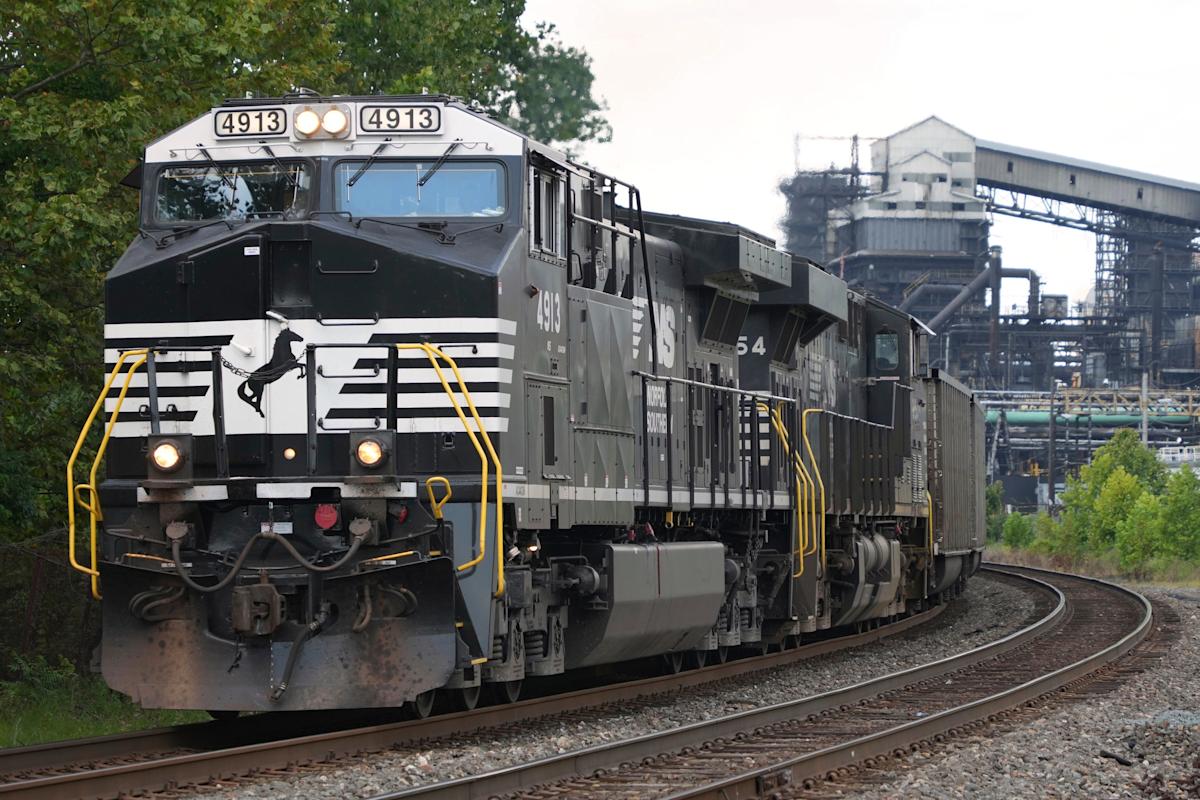
Norfolk Southern's Q1 Profit Falls 27% Amid Merger Costs and Derailment Impact

- Profit Decline Reasons: Norfolk Southern's Q1 profit fell 27% to $547 million, or $2.43 per share, primarily due to the absence of significant insurance payments related to the East Palestine derailment and increased costs associated with its merger plans with Union Pacific.
- Missing Insurance Payments: While the railroad previously benefited from $185 million in insurance payments from the derailment, this quarter saw no such payments, resulting in a 22-cent reduction in earnings per share; without these unusual costs, profits would have exceeded Wall Street's forecast of $2.51 per share.
- Economic Environment Challenges: CEO Mark George highlighted that economic uncertainty led to a 1% decline in shipments, compounded by severe weather and rapidly rising fuel costs; nevertheless, employees successfully delivered solid service and managed costs effectively.
- Merger Application Update: Norfolk Southern is collaborating with Union Pacific to update their merger application, which they plan to submit next Thursday, after the U.S. Surface Transportation Board rejected their initial request, seeking more information and yet to determine if the $85 billion deal will enhance competition.
See More

Norfolk Southern Reports First Quarter Profit Decline Amid Rising Costs
- Profit Decline: Norfolk Southern reported an adjusted profit of $2.65 per share for the first quarter, down from $2.69 a year earlier, indicating a decline in profitability under the pressure of rising operating costs and fuel prices.
- Rising Operating Costs: The company's operating ratio, a key efficiency measure, worsened by 80 basis points to 68.7% year-on-year due to high labor and maintenance expenses, increased safety spending, and disruptions from severe weather.
- Fuel Price Pressure: Fuel prices surged sharply due to the U.S.-Israeli conflict, with U.S. average gasoline prices exceeding $4 per gallon for the first time in over three years in March, putting pressure on margins across energy-intensive sectors like transportation and logistics.
- Decline in Rail Volumes: While railway operating revenue remained flat at $3 billion, rail volumes dropped by 1% year-on-year, reflecting the impact of a rapidly shifting macroeconomic environment on the business.
See More
Big Boy Steam Locomotive's Historic East Coast Tour
- Historic Tour Launch: Union Pacific's Big Boy No. 4014 will embark on its first East Coast tour starting May 25 from Cheyenne, Wyoming, featuring over 50 whistle-stops across 10 states, marking a historic collaboration between two major railroads and enhancing public interest in railroad history.
- Major Display Events: The tour will include significant display events in eight cities, notably a Fourth of July celebration in Philadelphia, which is expected to attract numerous rail enthusiasts and the public, further strengthening Union Pacific's influence in railroad culture.
- Far-reaching Economic Impact: This tour not only celebrates America's 250th anniversary but also reaffirms the vital role of railroads in the nation's economic development, promoting local economies and tourism while showcasing the critical role of railroads in connecting communities and commerce.
- Cultural Heritage Legacy: Accompanied by historical passenger cars and commemorative locomotives, Big Boy's tour reflects the shared heritage of American railroads, enhancing public awareness of railroad history and laying the groundwork for future cultural activities related to railroads.
See More
Unlocking Hidden Payouts in Low Dividend Stocks
- Union Pacific's Dividend Growth: Union Pacific (UNP) currently has a 2% yield, but its dividend has grown by 151% over the past decade, resulting in an effective yield of nearly 6.3% for those who invested in 2016, indicating significant potential for shareholder returns.
- Enhanced Shareholder Yield: Over the last 12 months, UNP repurchased $2.7 billion in stock and paid $3.2 billion in dividends, totaling $5.9 billion, which represents 3.7% of its $158.7 billion market cap, showcasing a much stronger return for shareholders compared to its current yield.
- Merger Potential: UNP is pursuing an $85 billion cash and stock merger with Norfolk Southern (NSC), which, if successful, would enhance pricing power and integration capabilities, further boosting the company's future profitability.
- Illinois Tool Works' Dividend Strategy: Illinois Tool Works (ITW) has a current yield of 2.4%, but through buybacks and dividend growth, its shareholder yield is expected to rise quickly to 4.2%, with potential to exceed 6.2% in the future, reflecting its strong financial performance and ongoing commitment to shareholder returns.
See More
Union Pacific Railroad Awards 2025 Pinnacle Award
- Safety Commitment: Union Pacific Railroad recognized 138 companies with the 2025 Pinnacle Award for their dedication to safely transporting chemicals, highlighting the industry's focus on enhancing safety standards in hazardous materials shipping.
- Zero Incident Record: Award recipients implemented release prevention protocols and corrective action plans, achieving zero non-accident releases during regulated hazardous materials shipments, which enhances their market credibility and business sustainability.
- Safety Training Support: Union Pacific's Hazardous Materials Safety team provides joint rail safety training and rail car inspections, ensuring that 99.99% of hazmat shipments arrive safely, thereby improving customer safety awareness and operational capabilities.
- Regional Network Advantage: The company has established hazmat teams across its 23-state network, focusing on prevention, preparedness, response, and recovery, which strengthens its market leadership position in the chemical transportation sector.
See More
Union Pacific Officer Plans to Sell $7.44 Million in Common Stock, According to Form 144
- Stock Sale Announcement: Union Pacific officer Kenyatta Grocker plans to sell 27,387 shares of its common stock on April 24.
- Market Value: The total market value of the shares being sold is approximately $7.44 million.
See More
Norfolk Southern's Q1 Profit Falls 27% Amid Merger Costs and Derailment Impact
- Profit Decline Reasons: Norfolk Southern's Q1 profit fell 27% to $547 million, or $2.43 per share, primarily due to the absence of significant insurance payments related to the East Palestine derailment and increased costs associated with its merger plans with Union Pacific.
- Missing Insurance Payments: While the railroad previously benefited from $185 million in insurance payments from the derailment, this quarter saw no such payments, resulting in a 22-cent reduction in earnings per share; without these unusual costs, profits would have exceeded Wall Street's forecast of $2.51 per share.
- Economic Environment Challenges: CEO Mark George highlighted that economic uncertainty led to a 1% decline in shipments, compounded by severe weather and rapidly rising fuel costs; nevertheless, employees successfully delivered solid service and managed costs effectively.
- Merger Application Update: Norfolk Southern is collaborating with Union Pacific to update their merger application, which they plan to submit next Thursday, after the U.S. Surface Transportation Board rejected their initial request, seeking more information and yet to determine if the $85 billion deal will enhance competition.
See More
Norfolk Southern Reports First Quarter Profit Decline Amid Rising Costs
- Profit Decline: Norfolk Southern reported an adjusted profit of $2.65 per share for the first quarter, down from $2.69 a year earlier, indicating a decline in profitability under the pressure of rising operating costs and fuel prices.
- Rising Operating Costs: The company's operating ratio, a key efficiency measure, worsened by 80 basis points to 68.7% year-on-year due to high labor and maintenance expenses, increased safety spending, and disruptions from severe weather.
- Fuel Price Pressure: Fuel prices surged sharply due to the U.S.-Israeli conflict, with U.S. average gasoline prices exceeding $4 per gallon for the first time in over three years in March, putting pressure on margins across energy-intensive sectors like transportation and logistics.
- Decline in Rail Volumes: While railway operating revenue remained flat at $3 billion, rail volumes dropped by 1% year-on-year, reflecting the impact of a rapidly shifting macroeconomic environment on the business.
See More