BHP Reports 2% Increase in Q3 Iron Ore Output
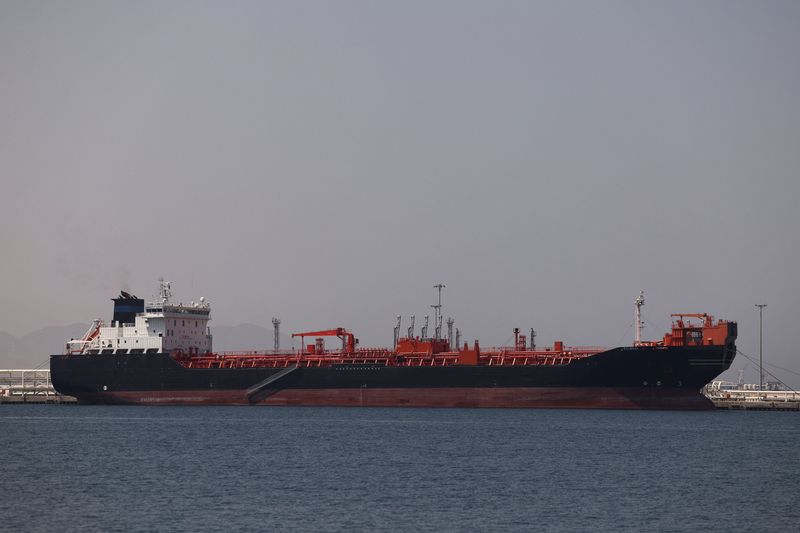
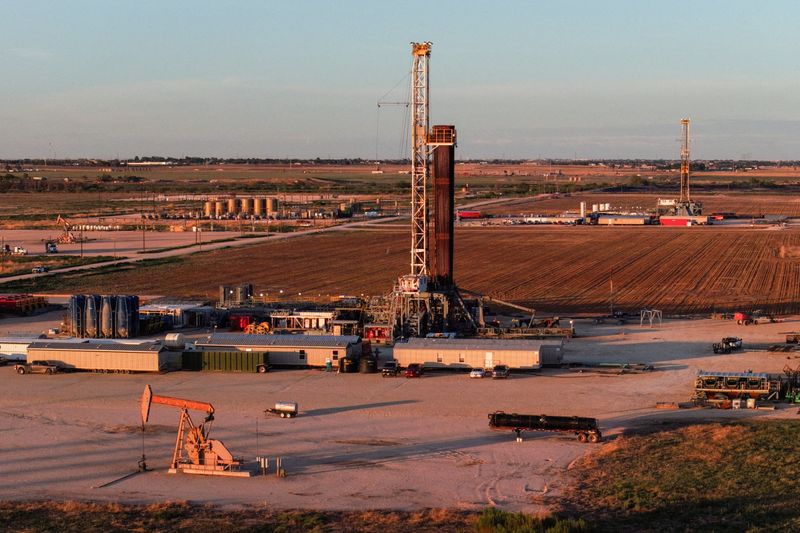
Reports Q3 iron ore output at 62.8Mt, up 2% from last year. Reports Q3 energy coal output of 4.0Mt, up 12% from last year. Keeps FY26 Iron Ore guidance unchanged at 258-269 Mt. Sees FY26 energy coal output in "upper half" of 14-16 Mt prior target range. CEO Mike Henry states: "BHP has delivered strong performance over the past nine months, including record material mined and concentrator throughput at Escondida and record production at WAIO. These results reflect the consistency of our operations and the strength of our high-margin diversified portfolio in an evolving operating environment. In copper, strong performance at Escondida and Antamina supports our expectation of delivering production in the upper half of 2026 BHP Group copper guidance. We continue to make steady progress across our copper growth program, consistent with our focus on long-life, high-quality copper supply and disciplined capital allocation. Our centralized procurement capability and our low-cost operations have positioned us advantageously in the face of industry-wide pressure on the cost of energy and consumables as a result of the conflict in the Middle East."
Trade with 70% Backtested Accuracy
Analyst Views on BHP

About BHP
About the author


Analysis of Investment Prospects in US Rare Earth Mining


- Market Dominance: Research by Motley Fool indicates that China processes 90% of global rare-earth elements, prompting the U.S. to reduce reliance on China, with USA Rare Earth leading efforts to establish a mine-to-magnet supply chain, indicating significant market potential.
- Government Support: The U.S. government launched Project Vault, a $12 billion initiative to create a Strategic Critical Minerals Reserve, while USA Rare Earth secured nearly $1.6 billion in funding, including a $1.3 billion senior secured loan, highlighting strong governmental backing for its growth.
- Acquisition Expansion Strategy: USA Rare Earth has enhanced its production capabilities through acquisitions, spending approximately $220 million on Less Common Metals and $2.8 billion on Serra Verde Group, which strengthens its position in the rare-earth market and accelerates its operational timelines.
- Future Development Challenges: Despite USA Rare Earth's current market capitalization of $5.7 billion, achieving a 100-fold increase to $570 billion to turn a $10,000 investment into $1 million poses significant challenges, necessitating careful risk assessment by investors in the current market landscape.

Far-Right One Nation Party Secures First-Ever Seat in Australia

- Historic Victory: The far-right One Nation party secured its first-ever seat in the lower house during the Farrer by-election, with candidate David Farley capturing nearly 60% of the vote, marking a significant milestone and highlighting a deepening crisis for the traditional center-right Liberal-National coalition.
- Political Turning Point: In his victory speech, Farley emphasized nationalist themes and environmental policies, vowing to target 'damn net-zero programs' and criticizing immigration levels, indicating a shift towards more conservative policy directions that could influence future governance.
- Election Impact: Treasurer Jim Chalmers described the outcome as a 'bloodbath for the Coalition,' noting that it suggests the Liberals and Nationals will find it nearly impossible to govern without One Nation, reflecting the increasing challenges the opposition faces in building a cohesive national platform.
- Economic Pressure: With national debt nearing A$1 trillion and inflation driven by global energy shocks, the government is under pressure to address voter dissatisfaction in the upcoming 2026-27 Federal Budget, specifically targeting the housing market and tax system to alleviate economic frustrations among voters.
Investment Opportunities in Mining Stocks
- BHP's Market Leadership: As the world's largest mining company by market capitalization, BHP focuses on critical resources like copper, iron ore, and potash, projecting global copper demand to rise from 33 million tons today to over 50 million tons by 2050, highlighting its strategic importance in renewable energy and electric vehicles.
- Copper's Profit Contribution: In fiscal year 2025, copper accounted for 45% of BHP's EBITDA, and in the first six months of fiscal year 2026, this figure exceeded 50% for the first time, indicating a growing reliance on copper as the company transforms its portfolio.
- Agnico Eagle's Cost Advantage: Agnico Eagle Mines maintains an all-in sustaining cost of $1,400 to $1,550 per ounce of gold, achieving a realized gold price of $4,861 per ounce in Q1, driving record quarterly operating margins and showcasing its competitive edge in low-risk regions.
- Utilization of Renewable Energy: Agnico Eagle's mines leverage renewable energy sources like hydroelectric power and wind energy, reducing dependence on diesel, which accounts for only about 10% of total operating costs, thus enhancing resilience amid rising fuel prices.

BHP and Agnico Eagle Mining Outlook Analysis
- Rising Copper Demand: BHP projects global copper demand will increase from 33 million tons today to over 50 million tons by 2050, reflecting the company's strategic focus on electrification and renewable energy, which is expected to drive future revenue growth.
- Profitability Enhancement: BHP's copper EBITDA contribution rose from 29% to 45% in fiscal 2025, exceeding 50% for the first time in the first half of fiscal 2026, indicating the increasing importance of copper to the company's overall profitability.
- Cost Advantage: Agnico Eagle's all-in sustaining costs (AISC) range between $1,400 and $1,550 per ounce, with a realized gold price of $4,861 in Q1, driving record quarterly operating margins and showcasing its strong competitive profitability.
- Energy Cost Protection: Agnico Eagle's diesel costs account for only 10% of total operating costs, with half of its diesel exposure hedged, providing relative insulation against rising fuel prices, enhancing its attractiveness to investors.
S&P 500 and Nasdaq Reach New Highs on Iran Deal Hopes


- Market Rally: The S&P 500 and Nasdaq reached new highs fueled by optimistic expectations surrounding an Iran deal, indicating a significant rebound in investor confidence that could lead to increased capital inflows into the stock market.
- Tech Stocks Lead: Nvidia emerged as a market leader, driving a new wave of buying activity, reflecting strong investor confidence in its future growth potential, which may further enhance its market valuation.
- Arm Earnings Impact: Arm's earnings performance has become a focal point for the market, expected to positively influence related tech stocks and potentially trigger M&A activity within the industry, thereby invigorating market dynamics.
- Improved Investor Sentiment: As optimism about economic recovery grows, investors may reassess their allocations to risk assets, propelling the overall market upward and further solidifying the bullish trend in equities.
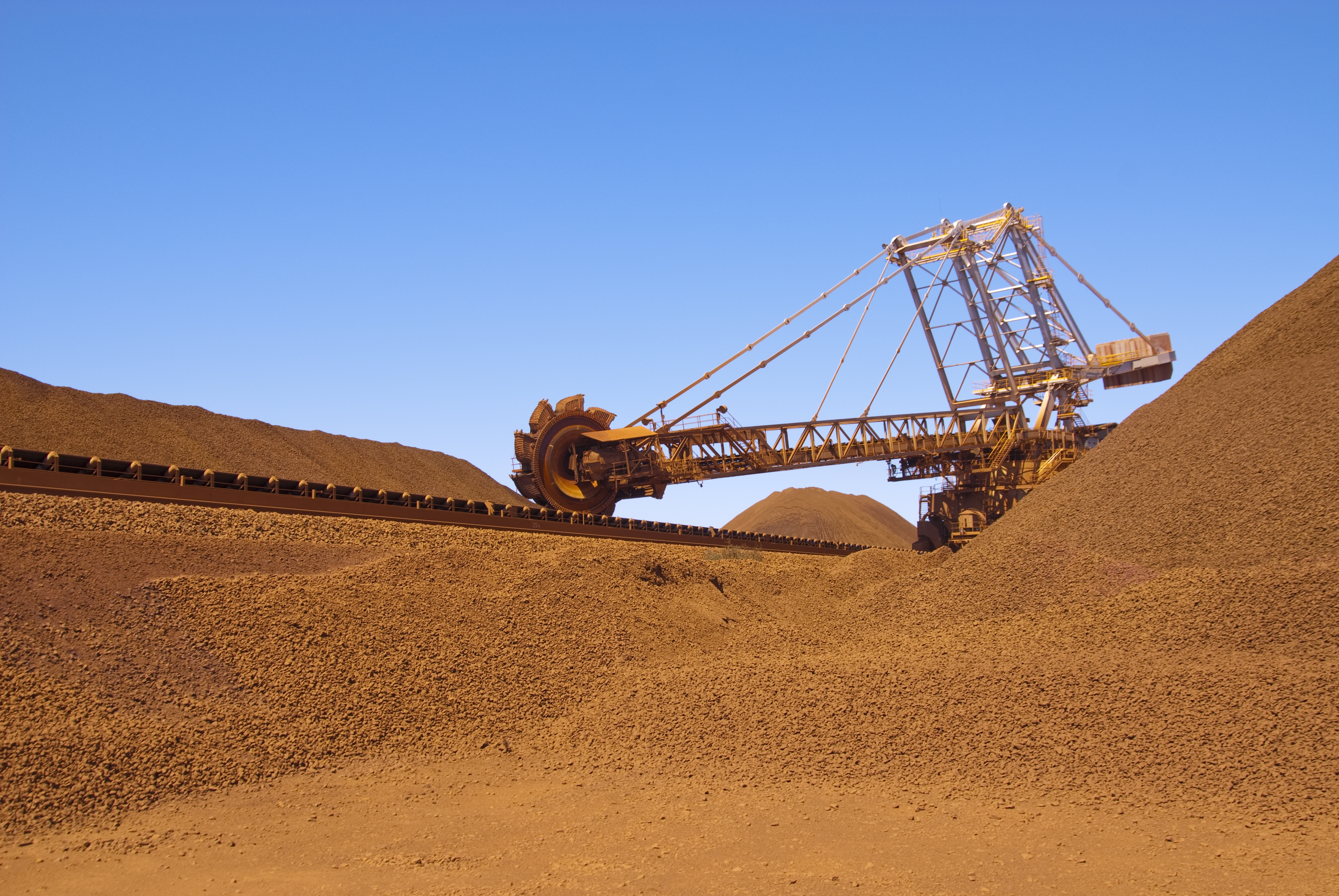
China Lifts Ban on BHP Iron Ore Purchases
- Ban Lifted: China's state iron ore buyer has lifted the ban on certain BHP iron ore products, ending months of procurement freeze, which signifies a thaw in China-Australia trade relations and is expected to boost market activity.
- Inventory Levels: As of April 22, Jimblebar fines stocks at 15 major Chinese ports reached 8.69 million tons, a staggering 382% increase from late September, indicating a rebound in demand for BHP products that may encourage steel producers to increase purchases.
- Successful Contract Negotiation: BHP's contract negotiation with China Mineral Resources Group has concluded successfully, allowing steel producers to buy and take delivery of previously frozen BHP ore products upon submitting a report, further enhancing market liquidity.
- Market Reaction: Although the iron ore contract on the Dalian Commodity Exchange fell by 1% to 779.5 yuan/ton (approximately $114.18), the news of the ban lift may have a positive long-term impact on prices, attracting more investor interest in the iron ore market.
Analysis of Investment Prospects in US Rare Earth Mining
- Market Dominance: Research by Motley Fool indicates that China processes 90% of global rare-earth elements, prompting the U.S. to reduce reliance on China, with USA Rare Earth leading efforts to establish a mine-to-magnet supply chain, indicating significant market potential.
- Government Support: The U.S. government launched Project Vault, a $12 billion initiative to create a Strategic Critical Minerals Reserve, while USA Rare Earth secured nearly $1.6 billion in funding, including a $1.3 billion senior secured loan, highlighting strong governmental backing for its growth.
- Acquisition Expansion Strategy: USA Rare Earth has enhanced its production capabilities through acquisitions, spending approximately $220 million on Less Common Metals and $2.8 billion on Serra Verde Group, which strengthens its position in the rare-earth market and accelerates its operational timelines.
- Future Development Challenges: Despite USA Rare Earth's current market capitalization of $5.7 billion, achieving a 100-fold increase to $570 billion to turn a $10,000 investment into $1 million poses significant challenges, necessitating careful risk assessment by investors in the current market landscape.
Far-Right One Nation Party Secures First-Ever Seat in Australia
- Historic Victory: The far-right One Nation party secured its first-ever seat in the lower house during the Farrer by-election, with candidate David Farley capturing nearly 60% of the vote, marking a significant milestone and highlighting a deepening crisis for the traditional center-right Liberal-National coalition.
- Political Turning Point: In his victory speech, Farley emphasized nationalist themes and environmental policies, vowing to target 'damn net-zero programs' and criticizing immigration levels, indicating a shift towards more conservative policy directions that could influence future governance.
- Election Impact: Treasurer Jim Chalmers described the outcome as a 'bloodbath for the Coalition,' noting that it suggests the Liberals and Nationals will find it nearly impossible to govern without One Nation, reflecting the increasing challenges the opposition faces in building a cohesive national platform.
- Economic Pressure: With national debt nearing A$1 trillion and inflation driven by global energy shocks, the government is under pressure to address voter dissatisfaction in the upcoming 2026-27 Federal Budget, specifically targeting the housing market and tax system to alleviate economic frustrations among voters.
Investment Opportunities in Mining Stocks
- BHP's Market Leadership: As the world's largest mining company by market capitalization, BHP focuses on critical resources like copper, iron ore, and potash, projecting global copper demand to rise from 33 million tons today to over 50 million tons by 2050, highlighting its strategic importance in renewable energy and electric vehicles.
- Copper's Profit Contribution: In fiscal year 2025, copper accounted for 45% of BHP's EBITDA, and in the first six months of fiscal year 2026, this figure exceeded 50% for the first time, indicating a growing reliance on copper as the company transforms its portfolio.
- Agnico Eagle's Cost Advantage: Agnico Eagle Mines maintains an all-in sustaining cost of $1,400 to $1,550 per ounce of gold, achieving a realized gold price of $4,861 per ounce in Q1, driving record quarterly operating margins and showcasing its competitive edge in low-risk regions.
- Utilization of Renewable Energy: Agnico Eagle's mines leverage renewable energy sources like hydroelectric power and wind energy, reducing dependence on diesel, which accounts for only about 10% of total operating costs, thus enhancing resilience amid rising fuel prices.
BHP and Agnico Eagle Mining Outlook Analysis
- Rising Copper Demand: BHP projects global copper demand will increase from 33 million tons today to over 50 million tons by 2050, reflecting the company's strategic focus on electrification and renewable energy, which is expected to drive future revenue growth.
- Profitability Enhancement: BHP's copper EBITDA contribution rose from 29% to 45% in fiscal 2025, exceeding 50% for the first time in the first half of fiscal 2026, indicating the increasing importance of copper to the company's overall profitability.
- Cost Advantage: Agnico Eagle's all-in sustaining costs (AISC) range between $1,400 and $1,550 per ounce, with a realized gold price of $4,861 in Q1, driving record quarterly operating margins and showcasing its strong competitive profitability.
- Energy Cost Protection: Agnico Eagle's diesel costs account for only 10% of total operating costs, with half of its diesel exposure hedged, providing relative insulation against rising fuel prices, enhancing its attractiveness to investors.
S&P 500 and Nasdaq Reach New Highs on Iran Deal Hopes
- Market Rally: The S&P 500 and Nasdaq reached new highs fueled by optimistic expectations surrounding an Iran deal, indicating a significant rebound in investor confidence that could lead to increased capital inflows into the stock market.
- Tech Stocks Lead: Nvidia emerged as a market leader, driving a new wave of buying activity, reflecting strong investor confidence in its future growth potential, which may further enhance its market valuation.
- Arm Earnings Impact: Arm's earnings performance has become a focal point for the market, expected to positively influence related tech stocks and potentially trigger M&A activity within the industry, thereby invigorating market dynamics.
- Improved Investor Sentiment: As optimism about economic recovery grows, investors may reassess their allocations to risk assets, propelling the overall market upward and further solidifying the bullish trend in equities.
China Lifts Ban on BHP Iron Ore Purchases
- Ban Lifted: China's state iron ore buyer has lifted the ban on certain BHP iron ore products, ending months of procurement freeze, which signifies a thaw in China-Australia trade relations and is expected to boost market activity.
- Inventory Levels: As of April 22, Jimblebar fines stocks at 15 major Chinese ports reached 8.69 million tons, a staggering 382% increase from late September, indicating a rebound in demand for BHP products that may encourage steel producers to increase purchases.
- Successful Contract Negotiation: BHP's contract negotiation with China Mineral Resources Group has concluded successfully, allowing steel producers to buy and take delivery of previously frozen BHP ore products upon submitting a report, further enhancing market liquidity.
- Market Reaction: Although the iron ore contract on the Dalian Commodity Exchange fell by 1% to 779.5 yuan/ton (approximately $114.18), the news of the ban lift may have a positive long-term impact on prices, attracting more investor interest in the iron ore market.