

BHP Port Workers to Strike Amid Wage Dispute
Written by Emily J. Thompson, Senior Investment Analyst
Updated: 1 day ago
0mins
Source: seekingalpha
- Strike Action Planned: Workers at BHP's Port Hedland iron ore export terminal in Western Australia are set to strike for eight hours on July 16 due to failed wage negotiations, highlighting worker dissatisfaction with pay and working conditions.
- Union Representation: The strike will involve port operations and maintenance teams represented by the Combined Ports Unions, although a meeting with BHP prior to the strike may avert the stoppage, indicating a strong demand for a transparent and enforceable agreement from workers.
- Significant Economic Impact: The strike could disrupt $80 million in daily revenue for BHP, marking the largest industrial action at Port Hedland in decades and potentially leading to major interruptions in iron ore exports.
- Tense Labor Relations: Last week, workers at other BHP operations in the Pilbara region narrowly approved a new labor agreement, reflecting escalating tensions between the company and workers that could affect future labor negotiations and production stability.
Trade with 70% Backtested Accuracy
Stop guessing "Should I Buy BHP?" and start using high-conviction signals backed by rigorous historical data.
Sign up today to access powerful investing tools and make smarter, data-driven decisions.
Analyst Views on BHP
Wall Street analysts forecast BHP stock price to fall
3 Analyst Rating
1 Buy
1 Hold
1 Sell
Hold
Current: 80.230

Low
49.50
Averages
56.50
High
68.00
Current: 80.230
Low
49.50
Averages
56.50
High
68.00
About BHP
BHP Group Limited is an Australia-based resources company. The Company is a producer of commodities, including iron ore, copper, nickel, potash and metallurgical (steelmaking) coal. It is focused on offering a range of resources, which provides copper for renewable energy; nickel for electric vehicles; potash for sustainable farming, and iron ore and metallurgical coal for the steel needed for global infrastructure and the energy transition. Its segments include Copper, Iron Ore, and Coal. Its Copper segment is engaged in mining of copper, silver, zinc, molybdenum, uranium, and gold. Its Iron Ore segment is engaged in mining of iron ore. Its Coal segment is engaged in mining of metallurgical coal and energy coal. The Company is also focused on operating Olympic Dam, Prominent Hill, and Carrapateena underground copper-gold mines in South Australia. Its operations are situated in Australia, Europe, China, Japan, India, South Korea, rest of Asia, North America, South America, and others.
About the author

Emily J. Thompson
Emily J. Thompson, a Chartered Financial Analyst (CFA) with 12 years in investment research, graduated with honors from the Wharton School. Specializing in industrial and technology stocks, she provides in-depth analysis for Intellectia’s earnings and market brief reports.

BHP Secures Environmental Permit for Escondida Expansion

- Environmental Approval: BHP has secured an initial environmental permit from the Antofagasta Environmental Assessment Commission for the expansion of the Escondida copper mine in Chile, with project values reaching up to $14.7 billion (A$21.16 billion), laying a strong foundation for future growth.
- Initial Investment Plans: The approval covers early works related to sulphide leaching and electricity infrastructure improvements, with an expected initial investment of approximately $1.3 billion, and successful implementation of this phase will support subsequent upgrades to both mining and processing facilities.
- Copper Production Goals: BHP aims to nearly double its global copper output to over 2 million tonnes by the mid-2030s, highlighting the metal's critical role in decarbonization and data center infrastructure development, reflecting the company's commitment to sustainable growth.
- Chilean Investment Strategy: The company anticipates spending between $10.7 billion and $14.7 billion on its Chilean operations over the coming years, indicating BHP's strong focus on Chilean mining, particularly as Escondida faces declining ore grades, making sustained investment crucial for maintaining production rates.
See More

Vanguard's Outlook on International Stock Investments

- International Stock Returns: Vanguard's research indicates that international stocks are expected to deliver average annual returns of 4.9% to 6.9% over the next decade, compared to only 4% to 5% for U.S. stocks, suggesting stronger investment opportunities abroad.
- High Dividend Stock Strategy: The Vanguard International High Dividend Yield ETF (VYMI) has achieved a total return of 188.1% over the past decade, with an annualized return of 11.2%, demonstrating strong performance in global equities and appealing to income-focused investors.
- ETF Comparison Analysis: The Vanguard International Dividend Appreciation ETF (VIGI), while focused on developed markets, has an annualized return of 7.98%, lower than VYMI, and its concentrated portfolio in a few countries may pose higher risks.
- Market Diversification Advantage: VYMI's portfolio includes 1,578 stocks, with 43.7% from Europe and 23.8% from the Pacific region, providing better market diversification to mitigate risks associated with the high valuations of U.S. tech stocks.
See More

Vanguard Research Indicates Positive Outlook for International Stocks
- International Stock Returns Outlook: Vanguard's research predicts that international stocks could deliver average annual returns of 4.9% to 6.9% over the next decade, significantly outperforming U.S. stocks' expected returns of 4% to 5%, suggesting investors may need to reassess their geographic allocation.
- High Dividend ETF Performance: The Vanguard International High Dividend Yield ETF has achieved a total return of 188.1% over the past decade, with a 24% return in the past year, outperforming the S&P 500, indicating its strong performance and appeal in the global market.
- Portfolio Diversification: This ETF holds 1,578 global stocks, with 43.7% from Europe, 23.8% from the Pacific region, and 22.8% from emerging markets, showcasing its broad coverage across different markets and reducing investment risk.
- Relative Valuation Advantage: The Vanguard International High Dividend Yield ETF has a P/E ratio of 14.02, significantly lower than the S&P 500's 25.37, and a trailing 12-month dividend yield of 3.68%, making it an attractive option for investors seeking stable income in the current market environment.
See More
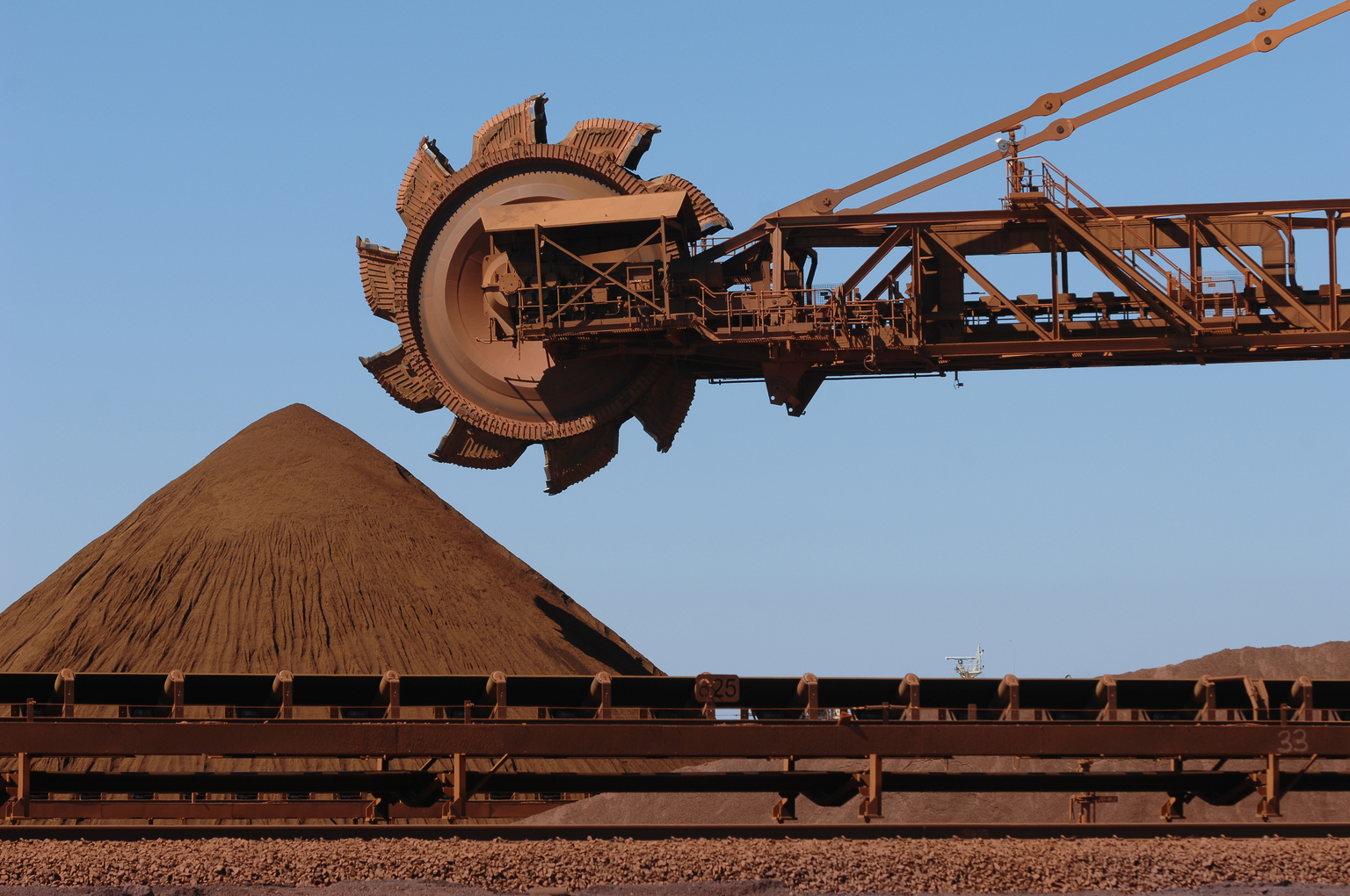
BHP Port Workers to Strike Amid Wage Dispute
- Strike Action Planned: Workers at BHP's Port Hedland iron ore export terminal in Western Australia are set to strike for eight hours on July 16 due to failed wage negotiations, highlighting worker dissatisfaction with pay and working conditions.
- Union Representation: The strike will involve port operations and maintenance teams represented by the Combined Ports Unions, although a meeting with BHP prior to the strike may avert the stoppage, indicating a strong demand for a transparent and enforceable agreement from workers.
- Significant Economic Impact: The strike could disrupt $80 million in daily revenue for BHP, marking the largest industrial action at Port Hedland in decades and potentially leading to major interruptions in iron ore exports.
- Tense Labor Relations: Last week, workers at other BHP operations in the Pilbara region narrowly approved a new labor agreement, reflecting escalating tensions between the company and workers that could affect future labor negotiations and production stability.
See More
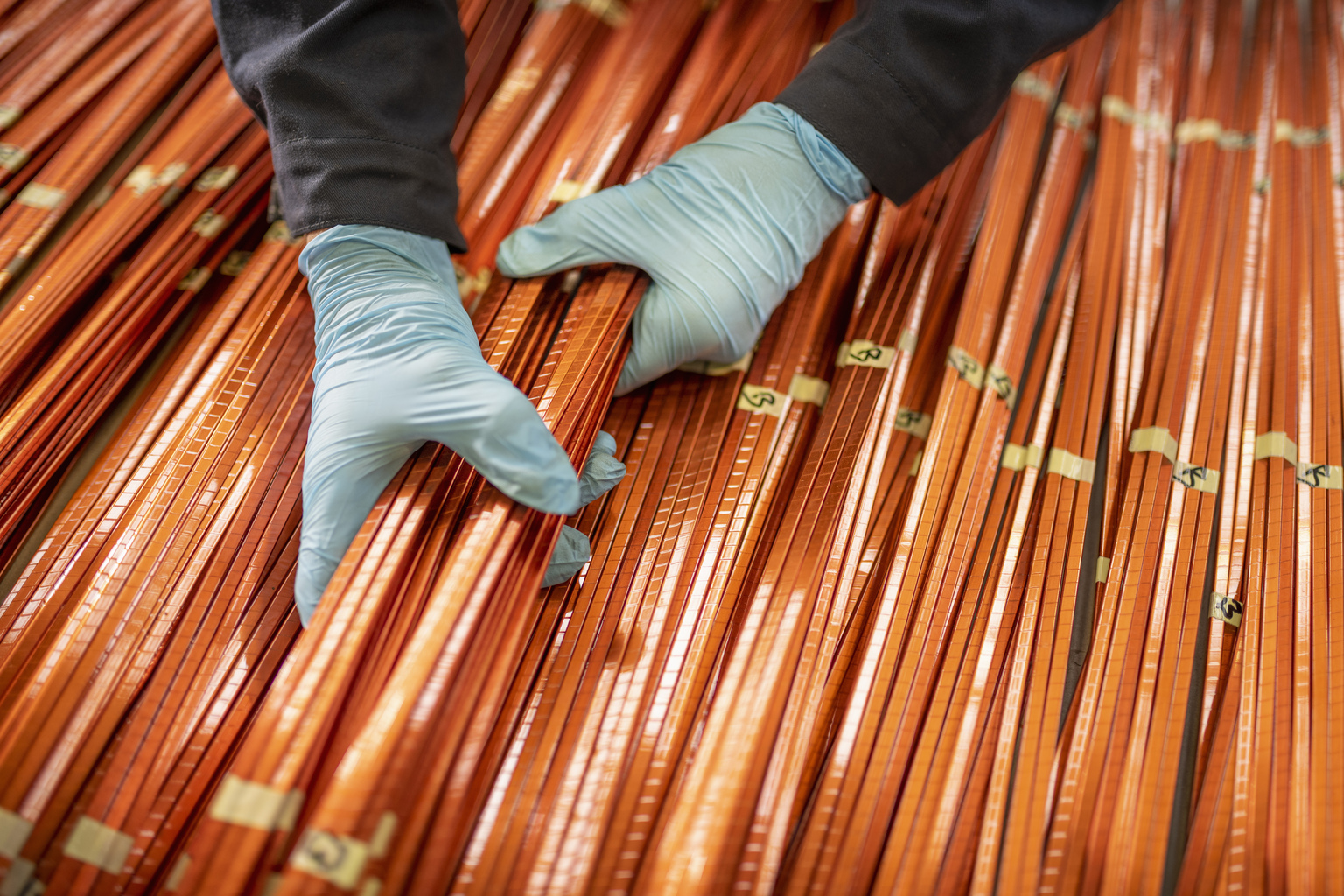
BHP Secures Environmental Approval for Escondida Mine Expansion

- Environmental Approval Secured: BHP has received its first major environmental approval for the expansion of the Escondida copper mine in Chile, allowing a project worth up to $14.7 billion to commence, marking a significant advancement in the company's copper mining operations.
- Project Details Revealed: The approval pertains to early-stage works involving sulfide leaching and electrical upgrades, demonstrating BHP's proactive efforts to enhance mining efficiency and environmental compliance, which is expected to strengthen its competitive position in the global copper market.
- Joint Venture Structure: BHP operates the Escondida mine with a 57.5% stake, in partnership with Rio Tinto and Japan's JECO Corp., ensuring its critical role in the global copper supply chain.
- Market Dynamics Observed: Despite copper prices fluctuating between $13,000 and $14,000 per ton since mid-May, BHP's expansion plans could potentially increase copper supply in the future, thereby impacting market prices and the company's profitability.
See More

BHP Files Environmental Permit for Cerro Colorado Copper Mine in Chile
- Environmental Permit Application: BHP filed an environmental permit application for its $1.5 billion Cerro Colorado copper mine project late Wednesday, aiming to extend operations for an additional 20 years, reflecting the company's long-term confidence in the copper market.
- Water Resource Utilization Plan: The project plans to transport treated wastewater through a ~60-mile pipeline from the municipality of Alto Hospicio to the mine site, aiming to enhance resource efficiency and reduce environmental impact, aligning with sustainability strategies.
- Asset Sale Transaction: BHP announced on Thursday the sale of its San Manuel property in Arizona to Faraday Copper in exchange for shares equivalent to a 30% fully diluted interest, raising its stake in Faraday to 32.5%, indicating a strategic investment in the copper sector.
- New Copper Hub Development: This transaction paves the way for developing a new copper hub in Arizona, combining existing infrastructure and mineral inventory at San Manuel with Faraday’s adjacent Copper Creek project, enhancing regional copper resource integration capabilities.
See More
BHP Secures Environmental Permit for Escondida Expansion
- Environmental Approval: BHP has secured an initial environmental permit from the Antofagasta Environmental Assessment Commission for the expansion of the Escondida copper mine in Chile, with project values reaching up to $14.7 billion (A$21.16 billion), laying a strong foundation for future growth.
- Initial Investment Plans: The approval covers early works related to sulphide leaching and electricity infrastructure improvements, with an expected initial investment of approximately $1.3 billion, and successful implementation of this phase will support subsequent upgrades to both mining and processing facilities.
- Copper Production Goals: BHP aims to nearly double its global copper output to over 2 million tonnes by the mid-2030s, highlighting the metal's critical role in decarbonization and data center infrastructure development, reflecting the company's commitment to sustainable growth.
- Chilean Investment Strategy: The company anticipates spending between $10.7 billion and $14.7 billion on its Chilean operations over the coming years, indicating BHP's strong focus on Chilean mining, particularly as Escondida faces declining ore grades, making sustained investment crucial for maintaining production rates.
See More
Vanguard's Outlook on International Stock Investments
- International Stock Returns: Vanguard's research indicates that international stocks are expected to deliver average annual returns of 4.9% to 6.9% over the next decade, compared to only 4% to 5% for U.S. stocks, suggesting stronger investment opportunities abroad.
- High Dividend Stock Strategy: The Vanguard International High Dividend Yield ETF (VYMI) has achieved a total return of 188.1% over the past decade, with an annualized return of 11.2%, demonstrating strong performance in global equities and appealing to income-focused investors.
- ETF Comparison Analysis: The Vanguard International Dividend Appreciation ETF (VIGI), while focused on developed markets, has an annualized return of 7.98%, lower than VYMI, and its concentrated portfolio in a few countries may pose higher risks.
- Market Diversification Advantage: VYMI's portfolio includes 1,578 stocks, with 43.7% from Europe and 23.8% from the Pacific region, providing better market diversification to mitigate risks associated with the high valuations of U.S. tech stocks.
See More
Vanguard Research Indicates Positive Outlook for International Stocks
- International Stock Returns Outlook: Vanguard's research predicts that international stocks could deliver average annual returns of 4.9% to 6.9% over the next decade, significantly outperforming U.S. stocks' expected returns of 4% to 5%, suggesting investors may need to reassess their geographic allocation.
- High Dividend ETF Performance: The Vanguard International High Dividend Yield ETF has achieved a total return of 188.1% over the past decade, with a 24% return in the past year, outperforming the S&P 500, indicating its strong performance and appeal in the global market.
- Portfolio Diversification: This ETF holds 1,578 global stocks, with 43.7% from Europe, 23.8% from the Pacific region, and 22.8% from emerging markets, showcasing its broad coverage across different markets and reducing investment risk.
- Relative Valuation Advantage: The Vanguard International High Dividend Yield ETF has a P/E ratio of 14.02, significantly lower than the S&P 500's 25.37, and a trailing 12-month dividend yield of 3.68%, making it an attractive option for investors seeking stable income in the current market environment.
See More
BHP Port Workers to Strike Amid Wage Dispute
- Strike Action Planned: Workers at BHP's Port Hedland iron ore export terminal in Western Australia are set to strike for eight hours on July 16 due to failed wage negotiations, highlighting worker dissatisfaction with pay and working conditions.
- Union Representation: The strike will involve port operations and maintenance teams represented by the Combined Ports Unions, although a meeting with BHP prior to the strike may avert the stoppage, indicating a strong demand for a transparent and enforceable agreement from workers.
- Significant Economic Impact: The strike could disrupt $80 million in daily revenue for BHP, marking the largest industrial action at Port Hedland in decades and potentially leading to major interruptions in iron ore exports.
- Tense Labor Relations: Last week, workers at other BHP operations in the Pilbara region narrowly approved a new labor agreement, reflecting escalating tensions between the company and workers that could affect future labor negotiations and production stability.
See More
BHP Secures Environmental Approval for Escondida Mine Expansion
- Environmental Approval Secured: BHP has received its first major environmental approval for the expansion of the Escondida copper mine in Chile, allowing a project worth up to $14.7 billion to commence, marking a significant advancement in the company's copper mining operations.
- Project Details Revealed: The approval pertains to early-stage works involving sulfide leaching and electrical upgrades, demonstrating BHP's proactive efforts to enhance mining efficiency and environmental compliance, which is expected to strengthen its competitive position in the global copper market.
- Joint Venture Structure: BHP operates the Escondida mine with a 57.5% stake, in partnership with Rio Tinto and Japan's JECO Corp., ensuring its critical role in the global copper supply chain.
- Market Dynamics Observed: Despite copper prices fluctuating between $13,000 and $14,000 per ton since mid-May, BHP's expansion plans could potentially increase copper supply in the future, thereby impacting market prices and the company's profitability.
See More
BHP Files Environmental Permit for Cerro Colorado Copper Mine in Chile
- Environmental Permit Application: BHP filed an environmental permit application for its $1.5 billion Cerro Colorado copper mine project late Wednesday, aiming to extend operations for an additional 20 years, reflecting the company's long-term confidence in the copper market.
- Water Resource Utilization Plan: The project plans to transport treated wastewater through a ~60-mile pipeline from the municipality of Alto Hospicio to the mine site, aiming to enhance resource efficiency and reduce environmental impact, aligning with sustainability strategies.
- Asset Sale Transaction: BHP announced on Thursday the sale of its San Manuel property in Arizona to Faraday Copper in exchange for shares equivalent to a 30% fully diluted interest, raising its stake in Faraday to 32.5%, indicating a strategic investment in the copper sector.
- New Copper Hub Development: This transaction paves the way for developing a new copper hub in Arizona, combining existing infrastructure and mineral inventory at San Manuel with Faraday’s adjacent Copper Creek project, enhancing regional copper resource integration capabilities.
See More





