

Bezos: AI Will Lead to Labor Scarcity
Written by Emily J. Thompson, Senior Investment Analyst
Updated: 1 hour ago
0mins
Source: seekingalpha
- Labor Scarcity Prediction: Bezos predicts that artificial intelligence will lead to labor scarcity rather than widespread unemployment, contrasting with common fears and indicating his optimistic view on AI's potential to raise living standards.
- Productivity Gains: He notes that significant productivity gains from AI will provide workers with more flexible employment options, potentially leading to a shift from dual-income households to single-income families, thereby impacting economic structures.
- Historical Parallels: Bezos draws parallels with transformative inventions throughout history, such as the plow, penicillin, and the iPhone, emphasizing how these innovations drive societal progress and benefit a broader population rather than just the wealthy.
- Job Creation Drivers: He stresses that true job creation comes from invention, not companies, suggesting that advancements in AI will lead to more engineering and manufacturing jobs as new industries emerge from technological innovation.
Trade with 70% Backtested Accuracy
Stop guessing "Should I Buy AMZN?" and start using high-conviction signals backed by rigorous historical data.
Sign up today to access powerful investing tools and make smarter, data-driven decisions.
Analyst Views on AMZN
Wall Street analysts forecast AMZN stock price to rise
44 Analyst Rating
41 Buy
3 Hold
0 Sell
Strong Buy
Current: 238.000

Low
175.00
Averages
280.01
High
325.00
Current: 238.000
Low
175.00
Averages
280.01
High
325.00
About AMZN
Amazon.com, Inc. provides a range of products and services to customers. The products offered through its stores include merchandise and content it has purchased for resale and products offered by third-party sellers. The Company’s segments include North America, International and Amazon Web Services (AWS). It serves consumers through its online and physical stores and focuses on selection, price, and convenience. Customers access its offerings through its websites, mobile apps, Alexa, devices, streaming, and physically visiting its stores. It also manufactures and sells electronic devices, including Kindle, Fire tablet, Fire TV, Echo, Ring, Blink, and eero, and develops and produces media content. It serves developers and enterprises of all sizes, including start-ups, government agencies, and academic institutions, through AWS, which offers a set of on-demand technology services, including compute, storage, database, analytics, and machine learning, and other services.
About the author

Emily J. Thompson
Emily J. Thompson, a Chartered Financial Analyst (CFA) with 12 years in investment research, graduated with honors from the Wharton School. Specializing in industrial and technology stocks, she provides in-depth analysis for Intellectia’s earnings and market brief reports.
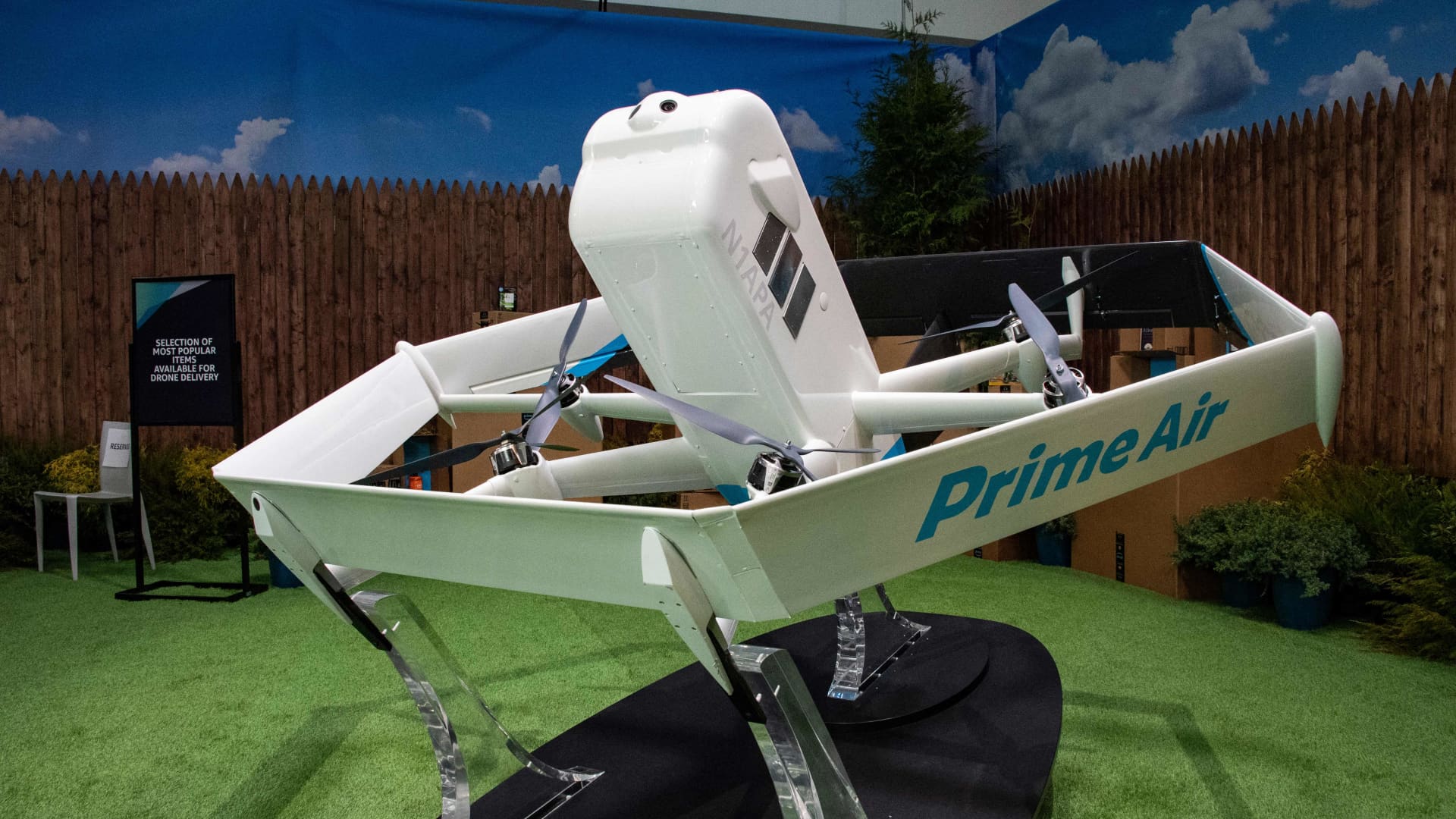
Bezos' AI Startup Prometheus Secures $12B Funding Round

- Funding Achievement: Bezos' startup Prometheus has completed a $12 billion Series B funding round, elevating its valuation to $41 billion, reflecting strong market confidence in its AI-driven engineering solutions.
- Technological Vision: Prometheus focuses on developing AI software that optimizes engineering and manufacturing processes, with Bezos stating that this is a crucial step towards realizing the dream of an artificial general engineer, which is expected to significantly enhance engineers' productivity.
- Investment Background: Bezos has invested $6.2 billion in Prometheus, with other investors including BlackRock, Goldman Sachs, and JPMorgan, indicating the project's attractiveness and potential in the tech investment landscape.
- Industry Regulation: Bezos emphasizes the need for moderate government regulation in the AI sector to ensure safety and product quality, believing this will foster healthy industry development and prevent excessive restrictions on new tools.
See More
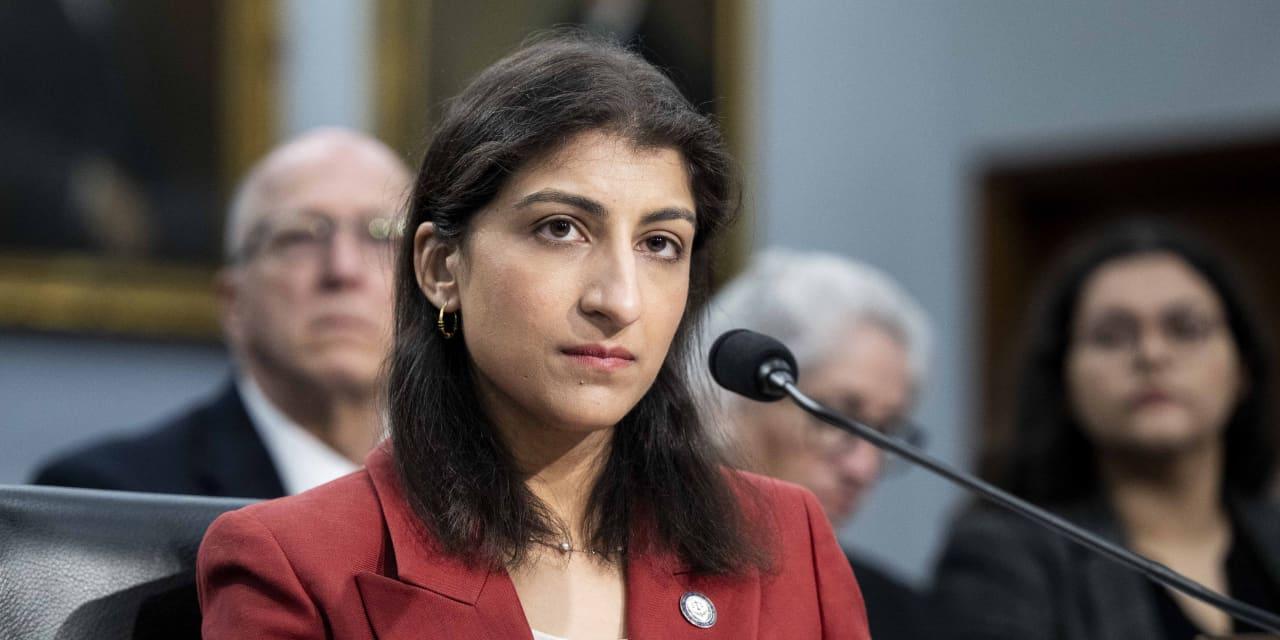
Amazon Data Centers Improve Water Efficiency Amid AI Demand
- Water Usage Reduction: Amazon's global data centers reduced water withdrawal by 2% year-over-year in 2025, extracting 2.5 billion gallons despite ongoing expansion driven by AI demand, showcasing its leadership in water management within the industry.
- Efficiency Comparison: With a water consumption rate of 0.12 liters per kilowatt-hour, Amazon outperforms Microsoft at 0.27 liters and Meta at 0.19 liters, highlighting its competitive edge in water efficiency that enhances corporate reputation and market positioning.
- Future Goals: Amazon Web Services aims to achieve 'water positive' status by 2030, committing to return more than one gallon of water for every gallon used, addressing community concerns over water usage and reinforcing its sustainability strategy through reclaimed water initiatives.
- Industry Opposition: While data centers are seen as beneficial for local jobs and tax revenue, 39% of Americans view them as 'mostly bad' for the environment, indicating public apprehension that could impact future expansion plans and necessitate more community engagement.
See More

The Trade Desk Appoints New CMO Amid Executive Exodus

- Executive Change: The Trade Desk has appointed Sarah Gavin as CMO, succeeding interim CMO Anna Sayre, a move expected to help stabilize the company following significant executive departures; Gavin brings extensive marketing experience from her previous role at Zendesk.
- Internal Frustration: An Adweek report indicates that departing executives have expressed dissatisfaction with the company's rising take rate and internal leadership decisions under CEO Jeff Green, which could impact future leadership stability and employee morale.
- Slowing Growth: The Trade Desk is grappling with slowing growth, as its revenue for Q1 2026 rose only 10%, a stark contrast to the 25% increase seen in the same period last year, primarily due to fierce competition from Amazon and macroeconomic uncertainties.
- Market Sentiment: Despite the stock losing nearly 75% of its value over the past year, retail sentiment around TTD stock remains bullish on Stocktwits, with some users optimistic that the new CMO will help stabilize the company's situation.
See More
Rivian Begins Deliveries of R2 Electric SUV Amid Stock Pullback


- R2 Model Launch: Rivian's R2 electric SUV starts at $57,990, with a base version expected in summer 2027 at $44,990, marking the company's entry into the mid-luxury market and significantly enhancing revenue potential.
- Positive Market Reception: The R2 has received rave reviews from automotive publications, with Ars Technica stating it “changes the electric vehicle game,” which is likely to enhance Rivian's brand image and attract more consumers.
- Cost Control Strategy: Rivian aims to improve gross margins by lowering production costs through better sourcing and manufacturing efficiencies, alongside developing zonal architecture to reduce the number of electronic control units, which is crucial for future profitability.
- Autonomous Driving Software Progress: Rivian is making good strides in autonomous driving software through a joint venture with Volkswagen, planning to offer point-to-point driving capabilities by the end of 2026, which will further enhance the company's market competitiveness and profit margins.
See More
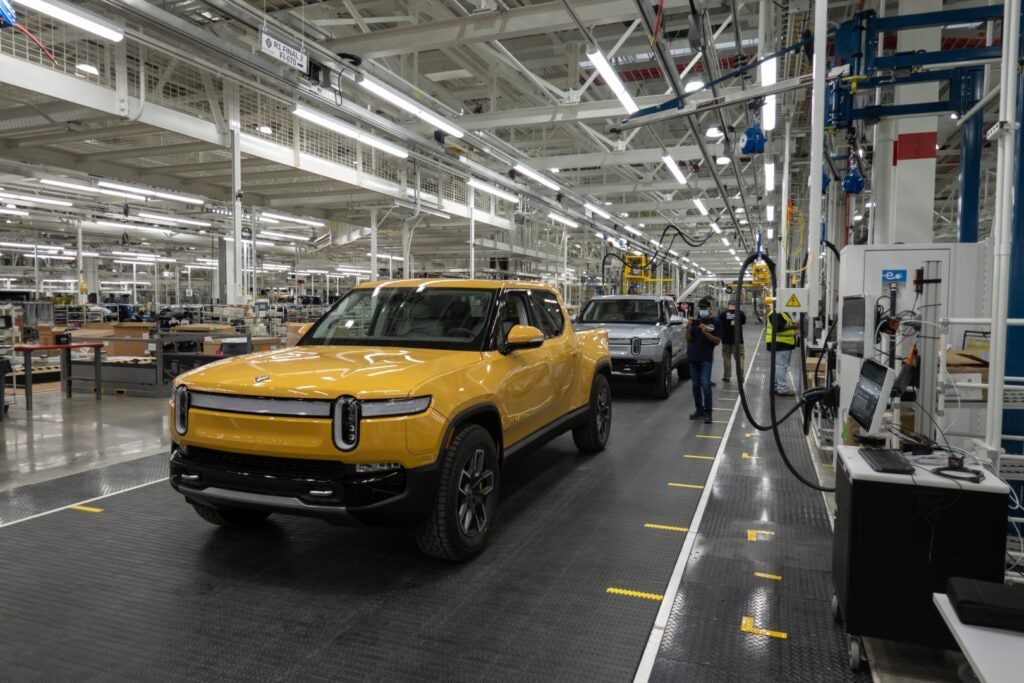
Rivian's R2 SUV Launch Sparks Enthusiasm
- Market Reception: Rivian's new R2 electric SUV has received high praise from automotive publications, with Ars Technica stating it “changes the electric vehicle game,” indicating its potential to attract more consumers in the mid-luxury market.
- Pricing and Variants: The first version of the R2 is priced starting at $57,990, with the R2 Premium and R2 Standard Long Range versions set to follow at $53,900 and $48,490 respectively in early 2027, while the base version will launch in summer 2027 starting at $44,990, showcasing Rivian's pricing strategy aimed at a broader market.
- Cost Optimization: Rivian has successfully lowered production costs through better sourcing and manufacturing efficiencies, and by developing a zonal architecture that significantly reduces the number of electronic control units and wiring, which will help improve gross margins and support future profitability.
- Autonomous Driving Progress: Rivian is making good progress in autonomous driving software through a joint venture with Volkswagen, planning to offer point-to-point driving capabilities by the end of 2026, and its software will be included in Uber's robotaxi pilots in Miami and San Francisco later this year, aiming for full autonomy by 2028, thereby enhancing the company's competitive edge.
See More
Bezos: AI Will Lead to Labor Scarcity
- Labor Scarcity Prediction: Bezos predicts that artificial intelligence will lead to labor scarcity rather than widespread unemployment, contrasting with common fears and indicating his optimistic view on AI's potential to raise living standards.
- Productivity Gains: He notes that significant productivity gains from AI will provide workers with more flexible employment options, potentially leading to a shift from dual-income households to single-income families, thereby impacting economic structures.
- Historical Parallels: Bezos draws parallels with transformative inventions throughout history, such as the plow, penicillin, and the iPhone, emphasizing how these innovations drive societal progress and benefit a broader population rather than just the wealthy.
- Job Creation Drivers: He stresses that true job creation comes from invention, not companies, suggesting that advancements in AI will lead to more engineering and manufacturing jobs as new industries emerge from technological innovation.
See More
Bezos' AI Startup Prometheus Secures $12B Funding Round
- Funding Achievement: Bezos' startup Prometheus has completed a $12 billion Series B funding round, elevating its valuation to $41 billion, reflecting strong market confidence in its AI-driven engineering solutions.
- Technological Vision: Prometheus focuses on developing AI software that optimizes engineering and manufacturing processes, with Bezos stating that this is a crucial step towards realizing the dream of an artificial general engineer, which is expected to significantly enhance engineers' productivity.
- Investment Background: Bezos has invested $6.2 billion in Prometheus, with other investors including BlackRock, Goldman Sachs, and JPMorgan, indicating the project's attractiveness and potential in the tech investment landscape.
- Industry Regulation: Bezos emphasizes the need for moderate government regulation in the AI sector to ensure safety and product quality, believing this will foster healthy industry development and prevent excessive restrictions on new tools.
See More
Amazon Data Centers Improve Water Efficiency Amid AI Demand
- Water Usage Reduction: Amazon's global data centers reduced water withdrawal by 2% year-over-year in 2025, extracting 2.5 billion gallons despite ongoing expansion driven by AI demand, showcasing its leadership in water management within the industry.
- Efficiency Comparison: With a water consumption rate of 0.12 liters per kilowatt-hour, Amazon outperforms Microsoft at 0.27 liters and Meta at 0.19 liters, highlighting its competitive edge in water efficiency that enhances corporate reputation and market positioning.
- Future Goals: Amazon Web Services aims to achieve 'water positive' status by 2030, committing to return more than one gallon of water for every gallon used, addressing community concerns over water usage and reinforcing its sustainability strategy through reclaimed water initiatives.
- Industry Opposition: While data centers are seen as beneficial for local jobs and tax revenue, 39% of Americans view them as 'mostly bad' for the environment, indicating public apprehension that could impact future expansion plans and necessitate more community engagement.
See More
The Trade Desk Appoints New CMO Amid Executive Exodus
- Executive Change: The Trade Desk has appointed Sarah Gavin as CMO, succeeding interim CMO Anna Sayre, a move expected to help stabilize the company following significant executive departures; Gavin brings extensive marketing experience from her previous role at Zendesk.
- Internal Frustration: An Adweek report indicates that departing executives have expressed dissatisfaction with the company's rising take rate and internal leadership decisions under CEO Jeff Green, which could impact future leadership stability and employee morale.
- Slowing Growth: The Trade Desk is grappling with slowing growth, as its revenue for Q1 2026 rose only 10%, a stark contrast to the 25% increase seen in the same period last year, primarily due to fierce competition from Amazon and macroeconomic uncertainties.
- Market Sentiment: Despite the stock losing nearly 75% of its value over the past year, retail sentiment around TTD stock remains bullish on Stocktwits, with some users optimistic that the new CMO will help stabilize the company's situation.
See More
Rivian Begins Deliveries of R2 Electric SUV Amid Stock Pullback
- R2 Model Launch: Rivian's R2 electric SUV starts at $57,990, with a base version expected in summer 2027 at $44,990, marking the company's entry into the mid-luxury market and significantly enhancing revenue potential.
- Positive Market Reception: The R2 has received rave reviews from automotive publications, with Ars Technica stating it “changes the electric vehicle game,” which is likely to enhance Rivian's brand image and attract more consumers.
- Cost Control Strategy: Rivian aims to improve gross margins by lowering production costs through better sourcing and manufacturing efficiencies, alongside developing zonal architecture to reduce the number of electronic control units, which is crucial for future profitability.
- Autonomous Driving Software Progress: Rivian is making good strides in autonomous driving software through a joint venture with Volkswagen, planning to offer point-to-point driving capabilities by the end of 2026, which will further enhance the company's market competitiveness and profit margins.
See More
Rivian's R2 SUV Launch Sparks Enthusiasm
- Market Reception: Rivian's new R2 electric SUV has received high praise from automotive publications, with Ars Technica stating it “changes the electric vehicle game,” indicating its potential to attract more consumers in the mid-luxury market.
- Pricing and Variants: The first version of the R2 is priced starting at $57,990, with the R2 Premium and R2 Standard Long Range versions set to follow at $53,900 and $48,490 respectively in early 2027, while the base version will launch in summer 2027 starting at $44,990, showcasing Rivian's pricing strategy aimed at a broader market.
- Cost Optimization: Rivian has successfully lowered production costs through better sourcing and manufacturing efficiencies, and by developing a zonal architecture that significantly reduces the number of electronic control units and wiring, which will help improve gross margins and support future profitability.
- Autonomous Driving Progress: Rivian is making good progress in autonomous driving software through a joint venture with Volkswagen, planning to offer point-to-point driving capabilities by the end of 2026, and its software will be included in Uber's robotaxi pilots in Miami and San Francisco later this year, aiming for full autonomy by 2028, thereby enhancing the company's competitive edge.
See More
Bezos: AI Will Lead to Labor Scarcity
- Labor Scarcity Prediction: Bezos predicts that artificial intelligence will lead to labor scarcity rather than widespread unemployment, contrasting with common fears and indicating his optimistic view on AI's potential to raise living standards.
- Productivity Gains: He notes that significant productivity gains from AI will provide workers with more flexible employment options, potentially leading to a shift from dual-income households to single-income families, thereby impacting economic structures.
- Historical Parallels: Bezos draws parallels with transformative inventions throughout history, such as the plow, penicillin, and the iPhone, emphasizing how these innovations drive societal progress and benefit a broader population rather than just the wealthy.
- Job Creation Drivers: He stresses that true job creation comes from invention, not companies, suggesting that advancements in AI will lead to more engineering and manufacturing jobs as new industries emerge from technological innovation.
See More




