Berkshire Hathaway's Opportunity: Kraft Heinz
Written by Emily J. Thompson, Senior Investment Analyst
Updated: 3 days ago
0mins
Should l Buy KHC?
Source: Fool
- Investment Return Analysis: By the end of 2025, Berkshire Hathaway holds a 27.5% stake in Kraft Heinz, valued at approximately $7.8 billion against an investment cost of $9.8 billion, indicating a potential investment opportunity for new investors.
- Market Performance Volatility: Kraft Heinz's stock has seen significant declines over the past decade, initially due to aggressive cost-cutting measures that led to underinvestment in brands, impacting growth and profitability, reflecting changing market preferences for branded products.
- Strategic Adjustments and Outlook: Although Kraft Heinz considered a business split, the plan was shelved under Berkshire's influence, and the company is currently executing a $600 million brand revitalization plan aimed at improving financial performance and enhancing market competitiveness.
- Dividend Yield Appeal: With a forward dividend yield of 6.6%, Kraft Heinz remains competitive among peers, and if earnings rebound, the stock price could rise, presenting a potentially lucrative opportunity for long-term investors.
Trade with 70% Backtested Accuracy
Stop guessing "Should I Buy KHC?" and start using high-conviction signals backed by rigorous historical data.
Sign up today to access powerful investing tools and make smarter, data-driven decisions.
Analyst Views on KHC
Wall Street analysts forecast KHC stock price to rise
15 Analyst Rating
0 Buy
14 Hold
1 Sell
Hold
Current: 24.540

Low
24.00
Averages
25.86
High
28.00
Current: 24.540
Low
24.00
Averages
25.86
High
28.00
About KHC
The Kraft Heinz Company manufactures and markets food and beverage products around the world through its eight consumer-driven product platforms: Taste Elevation, Easy Ready Meals, Substantial Snacking, Desserts, Hydration, Cheese, Coffee, and Meats. The Company has two reportable segments defined by geographic region: North America and International Developed Markets. Its other segments, consisting of West and East Emerging Markets (WEEM) and Asia Emerging Markets (AEM), are combined and disclosed as Emerging Markets. It manufactures its products from a wide variety of raw materials. Its brands include Kraft, Oscar Mayer, Heinz, Philadelphia, Lunchables, Velveeta, Ore-Ida, Capri Sun, Maxwell Apartment, Kool-Aid, Jell-O, Heinz, Golden Circle, Wattie’s, Plasmon, Heinz, ABC, Master, Quero, Kraft, and Pudliszki, among others. The Company’s products are sold through its own sales organizations and through independent brokers, agents, and distributors.
About the author

Emily J. Thompson
Emily J. Thompson, a Chartered Financial Analyst (CFA) with 12 years in investment research, graduated with honors from the Wharton School. Specializing in industrial and technology stocks, she provides in-depth analysis for Intellectia’s earnings and market brief reports.
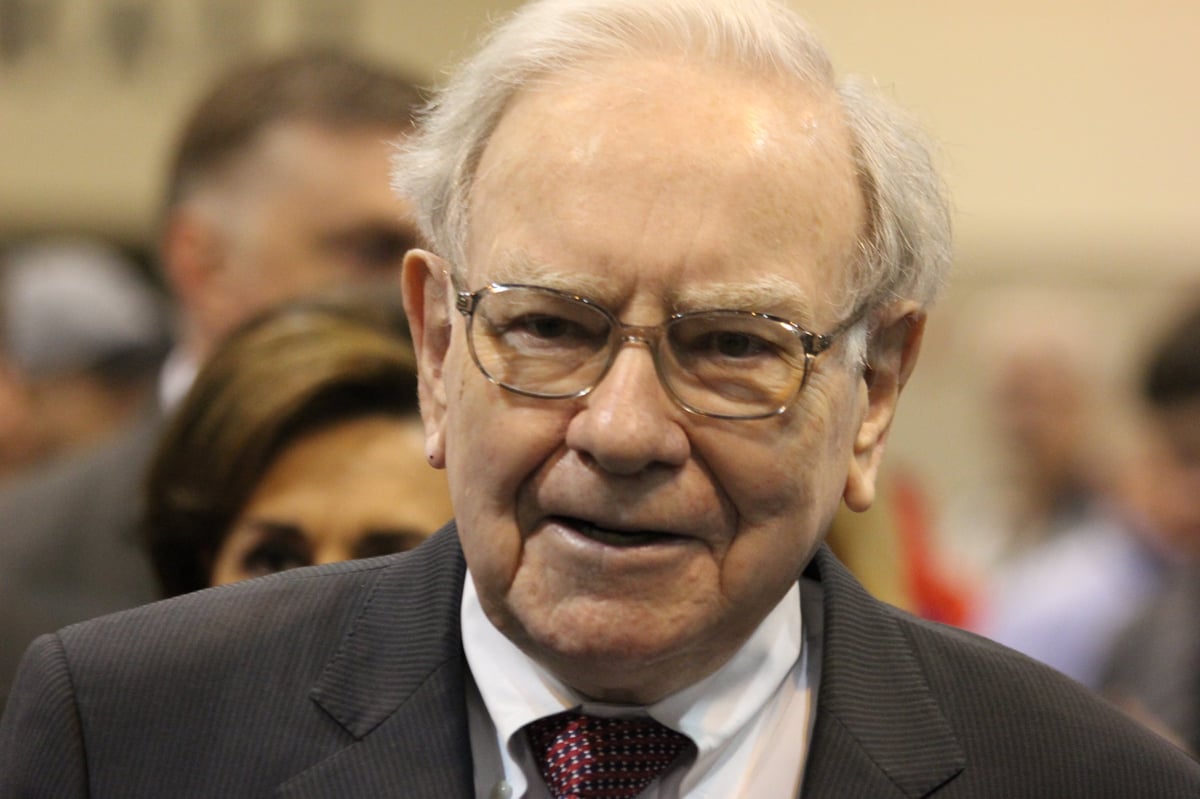
Warren Buffett to Step Down as CEO of Berkshire Hathaway by End of 2025

- Portfolio Overview: As of now, Berkshire Hathaway's stock portfolio is valued at $307 billion, and although Buffett is set to step down as CEO, his investment philosophy will continue to provide valuable insights for new investors.
- Strength of Apple and American Express: Apple and American Express account for 19.1% and 14.6% of Berkshire's portfolio, respectively, both regarded as reliable long-term investments, with analysts projecting revenue and EPS growth rates of 8% and 11% from 2025 to 2028 for Apple.
- American Express's Resilience: American Express's business model insulates it from interest rate fluctuations, with expected revenue and EPS growth rates of 9% and 15% respectively over the next few years, highlighting its potential as a quality investment.
- Challenges for Kraft Heinz: Despite Kraft Heinz accounting for 2.6% of Berkshire's portfolio, its poor performance amid health food trends has led analysts to predict continued revenue decline, indicating significant investment risks through 2028.
See More

Berkshire's Heinz Investment Faces Significant Challenges

- Poor Investment Returns: Since 2015, Berkshire's investment in Heinz has plummeted nearly 67%, and despite holding a 27.5% stake, new CEO Greg Abel acknowledged that returns have fallen well short of expectations, indicating ongoing investment struggles.
- Strategic Adjustments Stalled: Heinz's plan to split into two companies to enhance shareholder value has been paused by new CEO Steve Cahillane, who believes the company's issues are fixable; however, analysts express skepticism about this approach, especially after a $600 million investment announcement aimed at boosting marketing and R&D.
- Weak Financial Performance: Facing significant debt and declining financial performance amid increasing competition and shifting consumer preferences towards healthier options, Heinz has seen Berkshire write down nearly $7 billion of its investment on two occasions, highlighting the company's financial distress.
- Unrealized Shareholder Value: While Heinz boasts a dividend yield of 6.62% and a free cash flow yield of 12.75%, attracting passive income seekers, the company's failure to create shareholder value over the past decade positions it as a value trap, with potential for further stock price declines.
See More

Kraft Heinz Faces Major Challenges and Transformation
- Poor Investment Returns: Since the merger in 2015, Kraft Heinz's stock has plummeted nearly 67%, with Berkshire Hathaway retaining a 27.5% stake, indicating a lack of confidence from investors that could lead to further shareholder attrition.
- Strategic Restructuring Plan: Kraft Heinz announced plans to split into two companies focusing on growth brands and more established brands, although this plan faced opposition from Berkshire, reflecting the company's struggles to adapt to market competition and shifting consumer preferences.
- New CEO's Challenges: New CEO Steve Cahillane's announcement to pause the split plan and commit $600 million to enhance marketing, sales, and R&D has raised skepticism among analysts, who believe the company lacks the capability to operate independently.
- Shareholder Value Creation Dilemma: Despite Kraft Heinz's dividend yield of 6.62% and free cash flow yield of 12.75% attracting passive income seekers, the company's failure to create shareholder value over the past decade still positions it as a value trap, with significant risks to future performance.
See More
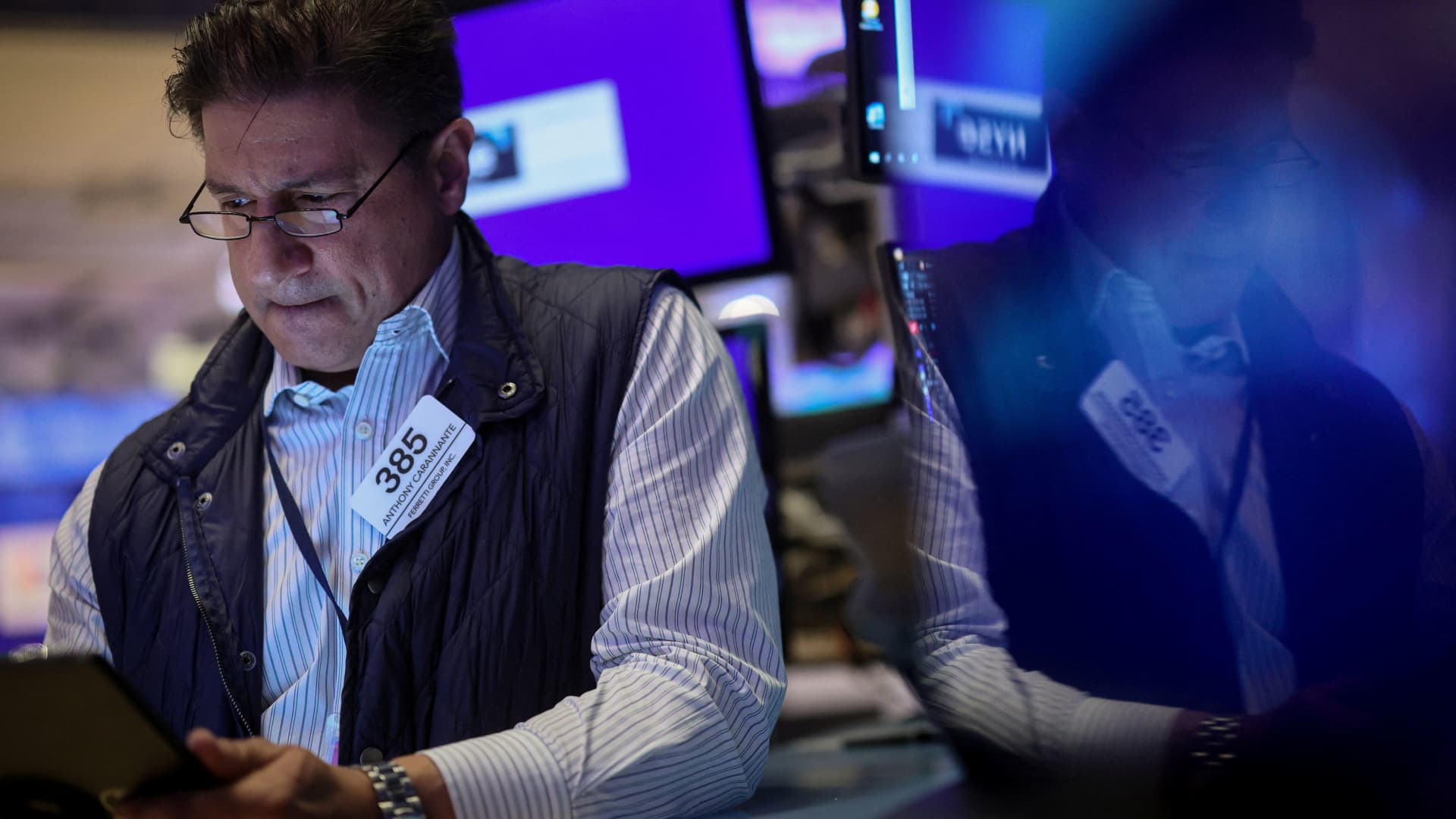
Berkshire's CEO Abel Resumes Stock Buyback Program
- Stock Buyback Resumption: Berkshire Hathaway has resumed its stock buyback program for the first time since May 2024, with CEO Abel stating that this move is intended to maintain transparency during the leadership transition, although specific repurchase numbers were not disclosed, reflecting confidence in the current market value.
- Personal Investment Commitment: Abel announced his commitment to use his entire after-tax salary to purchase Berkshire stock annually, with his first transaction being $15.3 million for 21 Class A shares, indicating a strong alignment with shareholder interests and boosting market confidence in the company's future.
- Kraft Heinz Investment Strategy: Abel supported Kraft Heinz's new CEO's decision to pause the split plan, arguing against breaking up the company amid challenges, which demonstrates Berkshire's long-term commitment to its investment, despite previous considerations to reduce its stake.
- Financial Performance and Market Reaction: Despite a 29% drop in operating income for the fourth quarter, Abel's stock buyback and personal investment commitment are viewed as positive signals, helping to bolster shareholder confidence, although overall financial challenges remain.
See More
Berkshire Hathaway's Opportunity: Kraft Heinz
- Investment Return Analysis: By the end of 2025, Berkshire Hathaway holds a 27.5% stake in Kraft Heinz, valued at approximately $7.8 billion against an investment cost of $9.8 billion, indicating a potential investment opportunity for new investors.
- Market Performance Volatility: Kraft Heinz's stock has seen significant declines over the past decade, initially due to aggressive cost-cutting measures that led to underinvestment in brands, impacting growth and profitability, reflecting changing market preferences for branded products.
- Strategic Adjustments and Outlook: Although Kraft Heinz considered a business split, the plan was shelved under Berkshire's influence, and the company is currently executing a $600 million brand revitalization plan aimed at improving financial performance and enhancing market competitiveness.
- Dividend Yield Appeal: With a forward dividend yield of 6.6%, Kraft Heinz remains competitive among peers, and if earnings rebound, the stock price could rise, presenting a potentially lucrative opportunity for long-term investors.
See More
Kraft Heinz Options Trading Analysis
- Put Option Appeal: The current bid for the $22.50 put option is $2.13, and if an investor sells this option, they commit to buying the stock at $22.50, effectively lowering their cost basis to $20.37, which is about a 6% discount from the current price of $23.82, making it attractive for those interested in KHC.
- Yield Potential Analysis: Should the put option expire worthless, the premium would yield a 9.47% return on the cash commitment, or an annualized rate of 7.38%, referred to as YieldBoost, highlighting the potential profitability of this options strategy.
- Call Option Returns: The $25.00 call option has a current bid of $2.13, and if an investor buys KHC shares at $23.82 and sells this call option, they could achieve a total return of 13.90% if the stock is called away at the June 2027 expiration, showcasing the potential upside of this strategy.
- Risk Assessment: Current analytics suggest a 56% chance that the put option will expire worthless, while the call option has a 53% chance, indicating that investors should carefully consider market volatility and potential returns when selecting their options strategies.
See More
Warren Buffett to Step Down as CEO of Berkshire Hathaway by End of 2025
- Portfolio Overview: As of now, Berkshire Hathaway's stock portfolio is valued at $307 billion, and although Buffett is set to step down as CEO, his investment philosophy will continue to provide valuable insights for new investors.
- Strength of Apple and American Express: Apple and American Express account for 19.1% and 14.6% of Berkshire's portfolio, respectively, both regarded as reliable long-term investments, with analysts projecting revenue and EPS growth rates of 8% and 11% from 2025 to 2028 for Apple.
- American Express's Resilience: American Express's business model insulates it from interest rate fluctuations, with expected revenue and EPS growth rates of 9% and 15% respectively over the next few years, highlighting its potential as a quality investment.
- Challenges for Kraft Heinz: Despite Kraft Heinz accounting for 2.6% of Berkshire's portfolio, its poor performance amid health food trends has led analysts to predict continued revenue decline, indicating significant investment risks through 2028.
See More
Berkshire's Heinz Investment Faces Significant Challenges
- Poor Investment Returns: Since 2015, Berkshire's investment in Heinz has plummeted nearly 67%, and despite holding a 27.5% stake, new CEO Greg Abel acknowledged that returns have fallen well short of expectations, indicating ongoing investment struggles.
- Strategic Adjustments Stalled: Heinz's plan to split into two companies to enhance shareholder value has been paused by new CEO Steve Cahillane, who believes the company's issues are fixable; however, analysts express skepticism about this approach, especially after a $600 million investment announcement aimed at boosting marketing and R&D.
- Weak Financial Performance: Facing significant debt and declining financial performance amid increasing competition and shifting consumer preferences towards healthier options, Heinz has seen Berkshire write down nearly $7 billion of its investment on two occasions, highlighting the company's financial distress.
- Unrealized Shareholder Value: While Heinz boasts a dividend yield of 6.62% and a free cash flow yield of 12.75%, attracting passive income seekers, the company's failure to create shareholder value over the past decade positions it as a value trap, with potential for further stock price declines.
See More
Kraft Heinz Faces Major Challenges and Transformation
- Poor Investment Returns: Since the merger in 2015, Kraft Heinz's stock has plummeted nearly 67%, with Berkshire Hathaway retaining a 27.5% stake, indicating a lack of confidence from investors that could lead to further shareholder attrition.
- Strategic Restructuring Plan: Kraft Heinz announced plans to split into two companies focusing on growth brands and more established brands, although this plan faced opposition from Berkshire, reflecting the company's struggles to adapt to market competition and shifting consumer preferences.
- New CEO's Challenges: New CEO Steve Cahillane's announcement to pause the split plan and commit $600 million to enhance marketing, sales, and R&D has raised skepticism among analysts, who believe the company lacks the capability to operate independently.
- Shareholder Value Creation Dilemma: Despite Kraft Heinz's dividend yield of 6.62% and free cash flow yield of 12.75% attracting passive income seekers, the company's failure to create shareholder value over the past decade still positions it as a value trap, with significant risks to future performance.
See More
Berkshire's CEO Abel Resumes Stock Buyback Program
- Stock Buyback Resumption: Berkshire Hathaway has resumed its stock buyback program for the first time since May 2024, with CEO Abel stating that this move is intended to maintain transparency during the leadership transition, although specific repurchase numbers were not disclosed, reflecting confidence in the current market value.
- Personal Investment Commitment: Abel announced his commitment to use his entire after-tax salary to purchase Berkshire stock annually, with his first transaction being $15.3 million for 21 Class A shares, indicating a strong alignment with shareholder interests and boosting market confidence in the company's future.
- Kraft Heinz Investment Strategy: Abel supported Kraft Heinz's new CEO's decision to pause the split plan, arguing against breaking up the company amid challenges, which demonstrates Berkshire's long-term commitment to its investment, despite previous considerations to reduce its stake.
- Financial Performance and Market Reaction: Despite a 29% drop in operating income for the fourth quarter, Abel's stock buyback and personal investment commitment are viewed as positive signals, helping to bolster shareholder confidence, although overall financial challenges remain.
See More
Berkshire Hathaway's Opportunity: Kraft Heinz
- Investment Return Analysis: By the end of 2025, Berkshire Hathaway holds a 27.5% stake in Kraft Heinz, valued at approximately $7.8 billion against an investment cost of $9.8 billion, indicating a potential investment opportunity for new investors.
- Market Performance Volatility: Kraft Heinz's stock has seen significant declines over the past decade, initially due to aggressive cost-cutting measures that led to underinvestment in brands, impacting growth and profitability, reflecting changing market preferences for branded products.
- Strategic Adjustments and Outlook: Although Kraft Heinz considered a business split, the plan was shelved under Berkshire's influence, and the company is currently executing a $600 million brand revitalization plan aimed at improving financial performance and enhancing market competitiveness.
- Dividend Yield Appeal: With a forward dividend yield of 6.6%, Kraft Heinz remains competitive among peers, and if earnings rebound, the stock price could rise, presenting a potentially lucrative opportunity for long-term investors.
See More
Kraft Heinz Options Trading Analysis
- Put Option Appeal: The current bid for the $22.50 put option is $2.13, and if an investor sells this option, they commit to buying the stock at $22.50, effectively lowering their cost basis to $20.37, which is about a 6% discount from the current price of $23.82, making it attractive for those interested in KHC.
- Yield Potential Analysis: Should the put option expire worthless, the premium would yield a 9.47% return on the cash commitment, or an annualized rate of 7.38%, referred to as YieldBoost, highlighting the potential profitability of this options strategy.
- Call Option Returns: The $25.00 call option has a current bid of $2.13, and if an investor buys KHC shares at $23.82 and sells this call option, they could achieve a total return of 13.90% if the stock is called away at the June 2027 expiration, showcasing the potential upside of this strategy.
- Risk Assessment: Current analytics suggest a 56% chance that the put option will expire worthless, while the call option has a 53% chance, indicating that investors should carefully consider market volatility and potential returns when selecting their options strategies.
See More