Benzinga Bulls And Bears: Intel, UNH, Rigetti — And All Eyes On Powell
Written by Emily J. Thompson, Senior Investment Analyst
Updated: Aug 16 2025
0mins


Source: Benzinga
Economic Indicators and Federal Reserve Outlook: July's inflation data showed mixed results, with the consumer price index steady at 2.7% year-over-year while the Producer Price Index rose sharply by 0.9%, complicating the Federal Reserve's decision on potential rate cuts, which investors still expect to be around 25 basis points in September.
Stock Market Highlights: Intel's stock surged over 25% following speculation of a U.S. government stake linked to the CHIPS Act, marking its best week since 2000, while other notable movements included bullish positions in UnitedHealth by prominent investors and bearish trends for companies like Rigetti Computing and Coherent Corp after disappointing earnings reports.
Trade with 70% Backtested Accuracy
Stop guessing "Should I Buy INTC?" and start using high-conviction signals backed by rigorous historical data.
Sign up today to access powerful investing tools and make smarter, data-driven decisions.
Analyst Views on INTC
Wall Street analysts forecast INTC stock price to fall
29 Analyst Rating
5 Buy
19 Hold
5 Sell
Hold
Current: 120.890

Low
20.00
Averages
39.30
High
52.00
Current: 120.890
Low
20.00
Averages
39.30
High
52.00
About INTC
Intel Corporation is a global designer and manufacturer of semiconductor products. The Company's segments include Intel Products, Intel Foundry, and All Other. Its Intel Products comprise Client Computing Group (CCG) and Data Center and AI (DCAI). CCG delivers platforms and processors that power PCs and edge devices, enabling enhanced performance, connectivity and user experience for consumer and commercial markets with capabilities that also support retail, industrial robotics and AI ecosystems at the edge. DCAI delivers workload-optimized solutions based upon its x86 architecture for data centers, including CPUs, AI accelerators, NICs, IPUs and custom ASICs, enabling performance and scalability for cloud, enterprise, telecommunication and HPC environments. The Intel Foundry segment comprises technology development, manufacturing and foundry services, developing new semiconductor process technologies and advanced packaging technologies. All Other segments include Mobileye and Other.
About the author

Emily J. Thompson
Emily J. Thompson, a Chartered Financial Analyst (CFA) with 12 years in investment research, graduated with honors from the Wharton School. Specializing in industrial and technology stocks, she provides in-depth analysis for Intellectia’s earnings and market brief reports.
Intel and 3DGS to Invest $3.3 Billion in Odisha Plant

- Massive Investment: Intel and 3DGS Inc. USA are set to invest approximately $3.3 billion in a substrate manufacturing plant in Odisha, reflecting strong confidence in the Indian semiconductor market and expected to drive local economic growth.
- Manufacturing Base Development: The new facility will focus on substrate manufacturing, aiming to enhance India's position in the global semiconductor supply chain while creating numerous job opportunities and facilitating technology transfer to the region.
- Government Support: The Indian government has expressed support for the project, viewing it as a step towards achieving national self-sufficiency in semiconductors, further attracting foreign investment and promoting the development of related industries.
- Strategic Implications: This investment will not only bolster Intel's manufacturing capabilities in the Asia-Pacific region but also position India as a significant player in the global semiconductor industry, enhancing its competitiveness in international markets.
See More
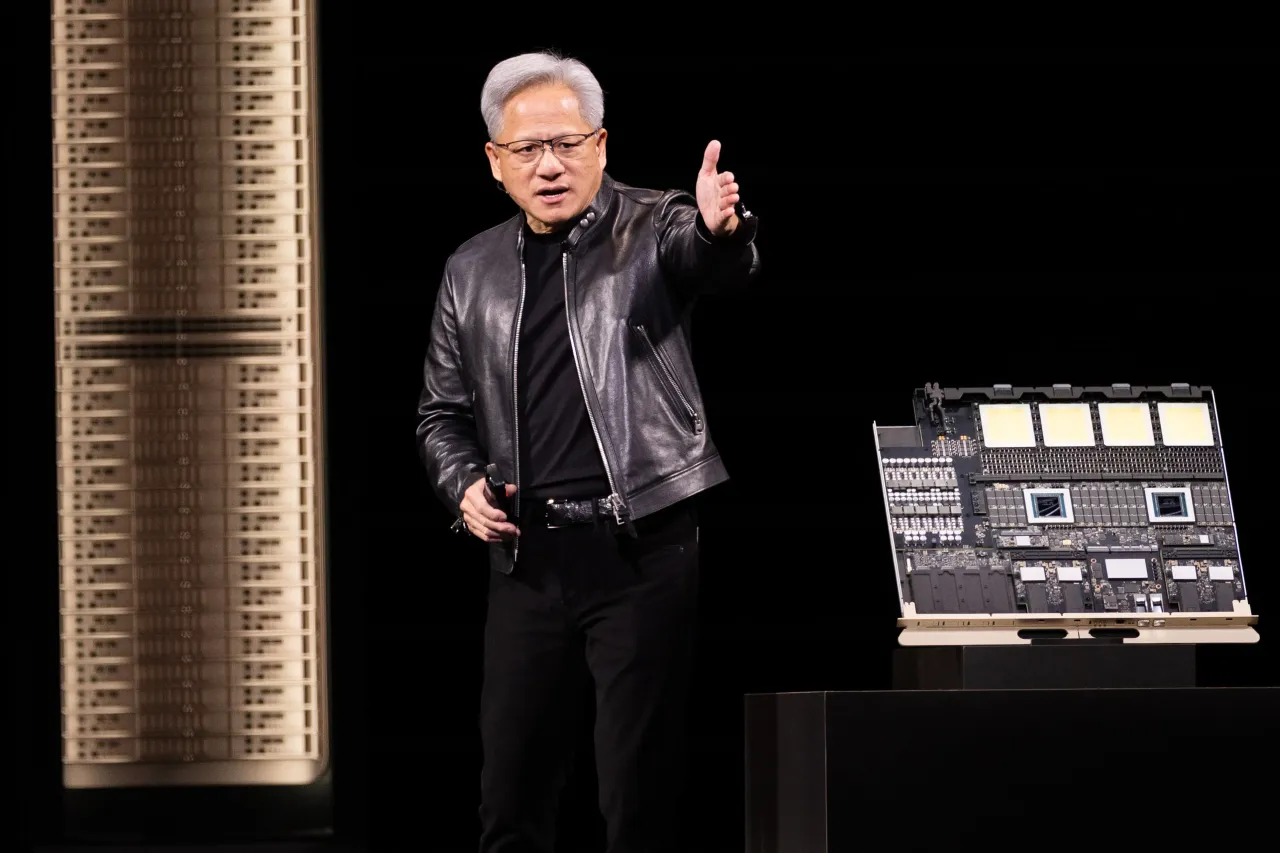
Nvidia and Microsoft Launch N1X Processor for Windows Laptops


- Market Entry Milestone: The co-developed N1X processor by Nvidia and Microsoft is set to ship in Windows laptops from major brands this fall, marking a significant breakthrough for Nvidia in a market long dominated by Intel and AMD, which is expected to enhance its market share.
- Positive Stock Reaction: Following the announcement, shares of Nvidia and Microsoft rose by 2.3%, while Intel and AMD stocks declined slightly, indicating investor optimism towards the new product, which may further bolster both companies' competitiveness in the AI hardware sector.
- Leading Technological Innovation: The N1X processor integrates Nvidia's top-tier chip architectures with 128GB of unified memory and an Arm-based CPU developed in collaboration with MediaTek, expected to provide powerful AI capabilities for the next generation of PCs, driving significant transformation in the computing industry.
- Expanding Customer Base: Nvidia's Vera Rubin chips have entered full production, with the first systems expected to ship in the fall, and early customers including notable companies like Anthropic, OpenAI, and SpaceX, showcasing Nvidia's strong influence and market demand in the AI sector.
See More
Trump Backs Micron Technology's Expansion Plans

- Massive Investment: Micron Technology plans to invest approximately $200 billion over the next few years to expand its domestic chip manufacturing capabilities, a move that will not only enhance the competitiveness of the U.S. semiconductor industry but also revitalize domestic manufacturing.
- Government Funding Support: Micron has secured $6.1 billion from the CHIPS Act to support the construction of new memory fabs in Idaho and New York, as well as modernization efforts at existing facilities, which will accelerate the production of its next-generation HBM4E chips to meet the growing demand for AI workloads.
- National Security Considerations: Supporting Micron will enhance U.S. supply chain security and reduce reliance on external suppliers, particularly given that memory chips in AI processors are dominated by a few players, thereby reinforcing national security.
- Urgent Competitive Timing: With China's rapid advancements in the memory sector and significant investments in HBM3 chips, timely government investment in Micron is crucial to ensure the U.S. maintains its lead in AI memory and storage, preventing potential competitive disadvantages.
See More

U.S. Government Support for Micron Technology
- Funding Background: Micron Technology secured $6.1 billion from the CHIPS Act in 2024, which will be used to build new memory fabs in Idaho and New York, as well as modernize existing facilities in Virginia, thereby accelerating the production of its next-generation HBM4E chips to meet the growing demand for AI workloads.
- Policy Continuity Impact: The Trump administration's investment in Micron could send a strong signal of long-term policy continuity, as semiconductor projects require billions in investment and years of construction, ensuring that the U.S. commitment to the chip sector remains steadfast and bolstering market confidence.
- National Security and Supply Chain: Supporting Micron not only enhances the resilience of domestic supply chains and reduces geopolitical risks but also accelerates fab construction timelines and lowers capital costs, creating favorable contract opportunities for U.S. tech giants and defense contractors to increase domestic sourcing.
- Countering Chinese Competition: With Chinese firms rapidly advancing in AI memory, investing in Micron will help ensure that U.S. chipmaking capacity scales up ahead of Chinese competition, preventing a loss of leadership in critical technology areas, particularly in HBM production, and maintaining American competitiveness in the global market.
See More
Analysis of the Pros and Cons of a Tesla-SpaceX Merger

- Potential Merger Benefits: A merger between Tesla and SpaceX could enhance supply chain security by jointly developing the Terafab semiconductor manufacturing plant, thereby reducing reliance on Asian foundries and strengthening both companies' competitiveness in the EV and AI sectors.
- Investor Concerns: The merger may contradict current industrial trends where many large companies opt to split for market focus, and Tesla investors prefer the company to concentrate on long-term gains from robotaxis and full self-driving software.
- Independence in Financing: Tesla does not need to rely on a merger with SpaceX for funding, as future robotaxi revenues are expected to sufficiently support its investment plans, and a merger could tie shareholders to SpaceX's massive capital expenditures.
- Future Development Outlook: Tesla investors are more likely to prefer the company to execute on plans for scaling up robotaxi rollouts and commercial production of Optimus in 2026, rather than diluting the impact of these significant events through a merger.
See More

Nvidia Launches N1X Processor to Enter PC Market

- Processor Launch: Nvidia unveiled the N1X processor at the Computex conference in Taipei, marking its entry into the PC market with plans to collaborate with Microsoft, Dell, HP, and others to launch over 30 laptops and 10 desktops, showcasing Nvidia's strong influence in the AI chip sector.
- Technological Innovation: The N1X processor combines Nvidia's Blackwell GPU with an Arm-based CPU designed by MediaTek, featuring 128GB of unified memory and manufactured using TSMC's 3-nanometer technology, which is expected to significantly enhance PC performance, particularly in AI applications.
- Market Potential: Nvidia anticipates the PC market will reach $200 billion, and the launch of the N1X could disrupt Intel and AMD's dominance in the traditional x86 processor market, promoting the widespread adoption of Arm architecture to meet the needs of creators and AI developers.
- Vera CPU Production: Nvidia's Vera CPU is now in full production and set to launch in the fall, with early customers including OpenAI and SpaceX, boasting performance 1.8 times that of current x86 processors, indicating Nvidia's strong growth potential in the data center market.
See More
Intel and 3DGS to Invest $3.3 Billion in Odisha Plant
- Massive Investment: Intel and 3DGS Inc. USA are set to invest approximately $3.3 billion in a substrate manufacturing plant in Odisha, reflecting strong confidence in the Indian semiconductor market and expected to drive local economic growth.
- Manufacturing Base Development: The new facility will focus on substrate manufacturing, aiming to enhance India's position in the global semiconductor supply chain while creating numerous job opportunities and facilitating technology transfer to the region.
- Government Support: The Indian government has expressed support for the project, viewing it as a step towards achieving national self-sufficiency in semiconductors, further attracting foreign investment and promoting the development of related industries.
- Strategic Implications: This investment will not only bolster Intel's manufacturing capabilities in the Asia-Pacific region but also position India as a significant player in the global semiconductor industry, enhancing its competitiveness in international markets.
See More
Nvidia and Microsoft Launch N1X Processor for Windows Laptops
- Market Entry Milestone: The co-developed N1X processor by Nvidia and Microsoft is set to ship in Windows laptops from major brands this fall, marking a significant breakthrough for Nvidia in a market long dominated by Intel and AMD, which is expected to enhance its market share.
- Positive Stock Reaction: Following the announcement, shares of Nvidia and Microsoft rose by 2.3%, while Intel and AMD stocks declined slightly, indicating investor optimism towards the new product, which may further bolster both companies' competitiveness in the AI hardware sector.
- Leading Technological Innovation: The N1X processor integrates Nvidia's top-tier chip architectures with 128GB of unified memory and an Arm-based CPU developed in collaboration with MediaTek, expected to provide powerful AI capabilities for the next generation of PCs, driving significant transformation in the computing industry.
- Expanding Customer Base: Nvidia's Vera Rubin chips have entered full production, with the first systems expected to ship in the fall, and early customers including notable companies like Anthropic, OpenAI, and SpaceX, showcasing Nvidia's strong influence and market demand in the AI sector.
See More
Trump Backs Micron Technology's Expansion Plans
- Massive Investment: Micron Technology plans to invest approximately $200 billion over the next few years to expand its domestic chip manufacturing capabilities, a move that will not only enhance the competitiveness of the U.S. semiconductor industry but also revitalize domestic manufacturing.
- Government Funding Support: Micron has secured $6.1 billion from the CHIPS Act to support the construction of new memory fabs in Idaho and New York, as well as modernization efforts at existing facilities, which will accelerate the production of its next-generation HBM4E chips to meet the growing demand for AI workloads.
- National Security Considerations: Supporting Micron will enhance U.S. supply chain security and reduce reliance on external suppliers, particularly given that memory chips in AI processors are dominated by a few players, thereby reinforcing national security.
- Urgent Competitive Timing: With China's rapid advancements in the memory sector and significant investments in HBM3 chips, timely government investment in Micron is crucial to ensure the U.S. maintains its lead in AI memory and storage, preventing potential competitive disadvantages.
See More
U.S. Government Support for Micron Technology
- Funding Background: Micron Technology secured $6.1 billion from the CHIPS Act in 2024, which will be used to build new memory fabs in Idaho and New York, as well as modernize existing facilities in Virginia, thereby accelerating the production of its next-generation HBM4E chips to meet the growing demand for AI workloads.
- Policy Continuity Impact: The Trump administration's investment in Micron could send a strong signal of long-term policy continuity, as semiconductor projects require billions in investment and years of construction, ensuring that the U.S. commitment to the chip sector remains steadfast and bolstering market confidence.
- National Security and Supply Chain: Supporting Micron not only enhances the resilience of domestic supply chains and reduces geopolitical risks but also accelerates fab construction timelines and lowers capital costs, creating favorable contract opportunities for U.S. tech giants and defense contractors to increase domestic sourcing.
- Countering Chinese Competition: With Chinese firms rapidly advancing in AI memory, investing in Micron will help ensure that U.S. chipmaking capacity scales up ahead of Chinese competition, preventing a loss of leadership in critical technology areas, particularly in HBM production, and maintaining American competitiveness in the global market.
See More
Analysis of the Pros and Cons of a Tesla-SpaceX Merger
- Potential Merger Benefits: A merger between Tesla and SpaceX could enhance supply chain security by jointly developing the Terafab semiconductor manufacturing plant, thereby reducing reliance on Asian foundries and strengthening both companies' competitiveness in the EV and AI sectors.
- Investor Concerns: The merger may contradict current industrial trends where many large companies opt to split for market focus, and Tesla investors prefer the company to concentrate on long-term gains from robotaxis and full self-driving software.
- Independence in Financing: Tesla does not need to rely on a merger with SpaceX for funding, as future robotaxi revenues are expected to sufficiently support its investment plans, and a merger could tie shareholders to SpaceX's massive capital expenditures.
- Future Development Outlook: Tesla investors are more likely to prefer the company to execute on plans for scaling up robotaxi rollouts and commercial production of Optimus in 2026, rather than diluting the impact of these significant events through a merger.
See More
Nvidia Launches N1X Processor to Enter PC Market
- Processor Launch: Nvidia unveiled the N1X processor at the Computex conference in Taipei, marking its entry into the PC market with plans to collaborate with Microsoft, Dell, HP, and others to launch over 30 laptops and 10 desktops, showcasing Nvidia's strong influence in the AI chip sector.
- Technological Innovation: The N1X processor combines Nvidia's Blackwell GPU with an Arm-based CPU designed by MediaTek, featuring 128GB of unified memory and manufactured using TSMC's 3-nanometer technology, which is expected to significantly enhance PC performance, particularly in AI applications.
- Market Potential: Nvidia anticipates the PC market will reach $200 billion, and the launch of the N1X could disrupt Intel and AMD's dominance in the traditional x86 processor market, promoting the widespread adoption of Arm architecture to meet the needs of creators and AI developers.
- Vera CPU Production: Nvidia's Vera CPU is now in full production and set to launch in the fall, with early customers including OpenAI and SpaceX, boasting performance 1.8 times that of current x86 processors, indicating Nvidia's strong growth potential in the data center market.
See More