

Barron’s Stock Recommendations: Current Status of S&P Global, Boeing, and MSG Sports.
Written by Emily J. Thompson, Senior Investment Analyst
Updated: Feb 25 2026
0mins


Source: Barron's
- Revisiting Stock Picks: Analyzing past stock recommendations can uncover new investment opportunities rather than just assessing their historical performance.
- Investment Insights: Old stock calls may provide valuable insights into current market trends and potential future gains.
- Strategic Analysis: Investors can benefit from a strategic review of previous picks to inform their current investment strategies.
- Market Dynamics: Understanding how past selections performed can help investors navigate changing market conditions effectively.
Trade with 70% Backtested Accuracy
Stop guessing "Should I Buy BA?" and start using high-conviction signals backed by rigorous historical data.
Sign up today to access powerful investing tools and make smarter, data-driven decisions.
Analyst Views on BA
Wall Street analysts forecast BA stock price to rise
16 Analyst Rating
14 Buy
1 Hold
1 Sell
Strong Buy
Current: 226.490

Low
150.00
Averages
269.14
High
298.00
Current: 226.490
Low
150.00
Averages
269.14
High
298.00
About BA
The Boeing Company is an aerospace company. Its segments include Commercial Airplanes (BCA), Defense, Space & Security (BDS), and Global Services (BGS). Its BCA segment develops, produces and markets commercial jet aircraft principally for the commercial airline industry worldwide. Its family of commercial jet aircraft in production includes the 737 narrow-body model and the 767, 777 and 787 wide-body models. Its BDS segment is engaged in the research, development, production and modification of manned and unmanned military aircraft and weapons systems for strike, surveillance and mobility. Its BGS segment provides services to its commercial and defense customers worldwide. It sustains aerospace platforms and systems with a range of products and services, including supply chain and logistics management, engineering, maintenance and modifications, upgrades and conversions, spare parts, pilot and maintenance training systems and services, technical and maintenance documents, and others.
About the author

Emily J. Thompson
Emily J. Thompson, a Chartered Financial Analyst (CFA) with 12 years in investment research, graduated with honors from the Wharton School. Specializing in industrial and technology stocks, she provides in-depth analysis for Intellectia’s earnings and market brief reports.

Boeing Opens Fourth 737 MAX Assembly Line in Washington

- Production Line Expansion: Boeing has launched a fourth 737 MAX assembly line at its Everett, Washington factory to meet strong global demand for jets, which is expected to significantly enhance production capacity.
- Output Increase Plan: Boeing plans to ramp up its monthly 737 production from 42 to 47 jets, although the new assembly line is not expected to contribute to output increases until 2027, laying the groundwork for future growth.
- Factory Scale Advantage: The Everett plant, the largest building in the world by volume, previously housed production for the 747, 767, 777, and 787 models, and the available factory space provides a favorable condition for the expansion of 737 production.
- Long-term Strategic Layout: Boeing CEO Kelly Ortberg stated that the new North Line is a replication of the existing three final assembly lines for the 737, reflecting the company's strategic intent to continuously enhance production capabilities in the coming years.
See More
NATO Summit Looms with High Tensions as Trump Pressures Allies

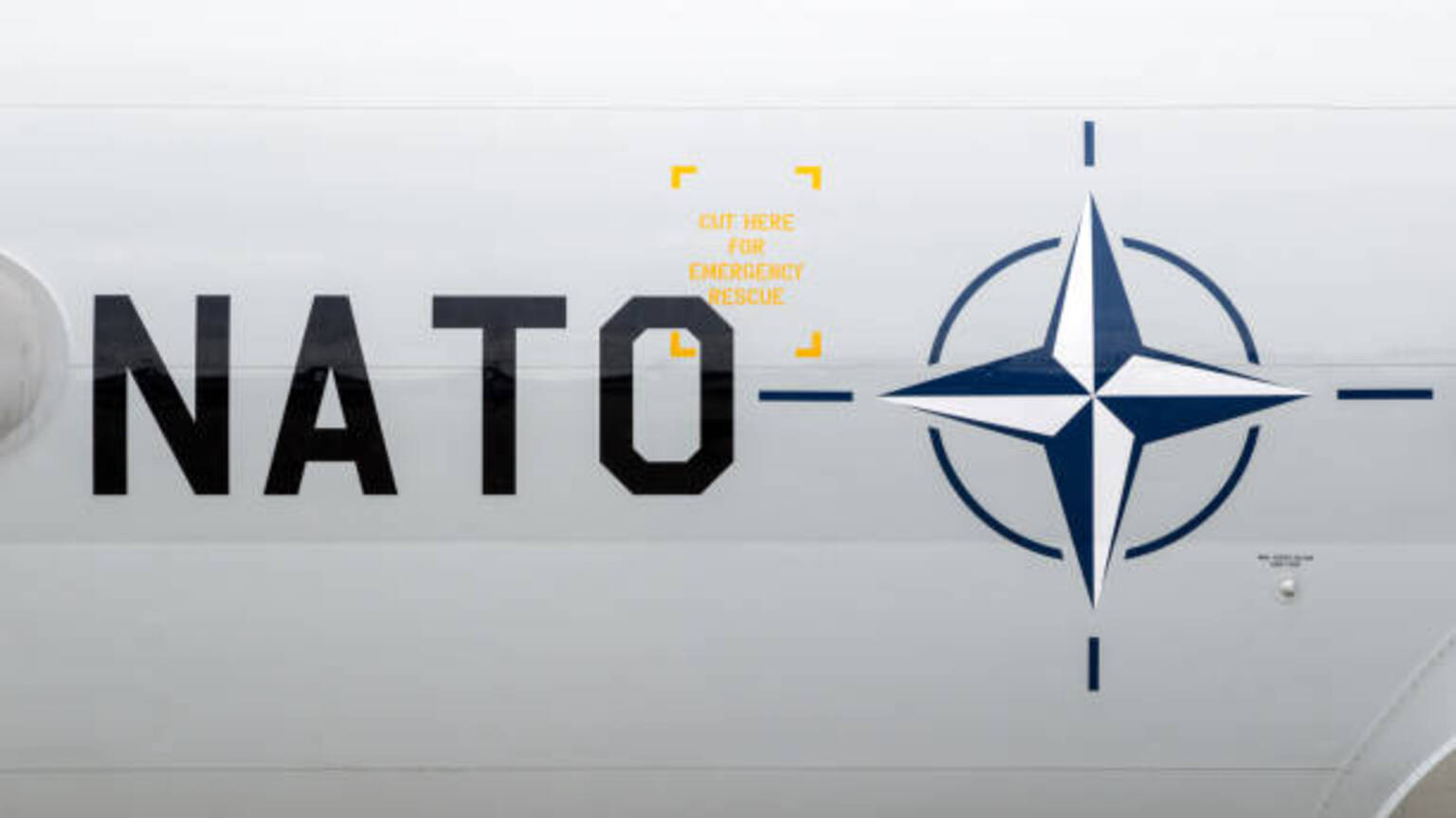
- NATO Summit Context: Leaders of NATO nations are set to meet in Ankara, Turkey, on Tuesday and Wednesday, amidst unprecedented tensions under President Trump, which include disputes over defense spending quotas and military commitments.
- U.S. Military Adjustments: The U.S. has announced the withdrawal of 5,000 active-duty troops from Germany and the cancellation of scheduled air and naval deployments, indicating a potential reduction in support for NATO and impacting European security dynamics.
- Defense Investment Commitments: Should the summit proceed positively, a joint declaration from European nations and Canada is expected to emphasize increased core defense investments and greater responsibility for NATO security, ensuring a fair deal for the U.S.
- Turkey's F-35 Program Status: Turkey may finally gain U.S. approval to rejoin the F-35 stealth fighter program, although negotiations regarding its Russian S-400 air defense system will be crucial, affecting NATO's overall military capabilities.
See More
Defense Stocks Surge from New US Government Contracts
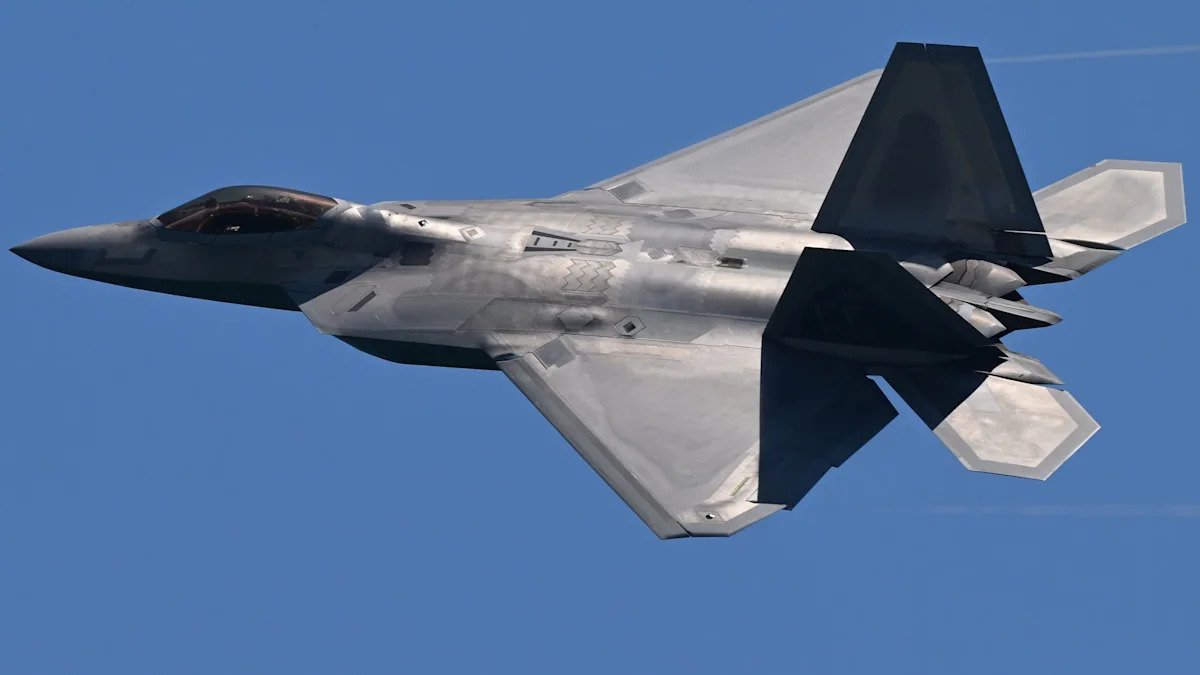
- Surge in Defense Contracts: The US government is increasing contracts with defense manufacturers due to depleted stockpiles, which is expected to boost defense stocks significantly, especially after President Trump urged defense CEOs to ramp up production, enhancing market confidence in these companies.
- AI Technology Integration: As AI's critical role on the battlefield becomes more pronounced, defense companies are accelerating the development of AI-powered drones and autonomous weapon systems, which not only enhance decision-making speed but could also reshape the future of warfare, presenting new growth opportunities for related firms.
- Involvement of Major Manufacturers: Traditional automakers like GM and Ford are also engaging in defense agreements with the US and Europe, indicating a trend of cross-industry collaboration that will further drive the overall growth of the defense sector.
- Emerging Companies in Focus: Beyond traditional defense giants, emerging firms like Anduril, recently valued at $61 billion and focused on autonomous weapon systems, are attracting investor interest, signaling that innovation and competition in the defense sector will intensify.
See More

New Investment Trends in Defense Sector

- Valuation Restructuring: Panmure Liberum strategist Joachim Klement highlights that the rapid evolution of modern warfare prompts investors to rethink valuations in the defense sector, particularly regarding the choice between government spending commitments and the flow of funds into emerging technologies.
- Procurement Risks and Fiscal Pressures: Klement emphasizes that while the geopolitical environment supports a long-term bull case for defense, procurement risks and fiscal pressures are making investors more selective, especially in their investments between legacy platforms and AI-enabled systems.
- Rise of Electronic Warfare Technology: Klement notes that electronic warfare is a tech phenomenon, suggesting that companies in this space should be traded like tech firms, which implies that some defense stocks could warrant much higher valuations than conventional arms manufacturers.
- Shifts in Investor Liquidity: Despite massive gains in defense stocks over the past five years, Klement points out that recent weakness reflects a rotation into AI trades rather than a deterioration in defense fundamentals, particularly as Germany and Poland continue to ramp up defense spending.
See More

Airlines Adjust Seasonal Flights to Meet Demand

- Extended Flight Seasons: American Airlines has initiated flights from New York to Edinburgh starting in March, while United Airlines will extend its nonstop service to Palermo through December, reflecting airlines' proactive response to off-peak demand aimed at boosting overall revenue.
- High-End Market Appeal: International flights typically offer more premium seating, with some business-class fares reaching $10,000, and airlines plan to expand these options further to attract high-spending customers and enhance profit margins.
- Maintenance Schedule Adjustments: With the increase in shoulder season and off-peak travel, Delta Airlines is rethinking its maintenance and crew scheduling to ensure aircraft availability during the peak fall season, thereby optimizing operational efficiency.
- Shifting Market Demand: Flexible work policies among younger generations are leading more consumers to travel during non-traditional seasons, prompting airlines to adjust flight schedules to accommodate this trend and capture spending opportunities from high-net-worth travelers.
See More

Vertical Aerospace Secures Key Supplier Agreement for Valo eVTOL
- Supply Chain Risk Mitigation: Vertical Aerospace's long-term agreement with Astronics for power distribution systems significantly reduces supply chain risks for its Valo eVTOL, although substantial dilution risk remains due to ongoing cash needs.
- Production Capacity Enhancement: This deal is expected to accelerate development and production, bolstering the company's competitive position in the eVTOL market, despite projections indicating earnings won't materialize until 2032, leading to cautious optimism from the market.
- Enhanced Financing Capability: The company has secured access to up to $850 million in financing, which, while requiring equity issuance to raise cash, provides at least 12 months of financial runway for its operations.
- Shareholder Dilution Risk: Projections indicate that Vertical's share count will rise from 157 million in 2026 to 373 million by 2032, highlighting significant dilution risks for existing shareholders as the company executes its orders.
See More
Boeing Opens Fourth 737 MAX Assembly Line in Washington
- Production Line Expansion: Boeing has launched a fourth 737 MAX assembly line at its Everett, Washington factory to meet strong global demand for jets, which is expected to significantly enhance production capacity.
- Output Increase Plan: Boeing plans to ramp up its monthly 737 production from 42 to 47 jets, although the new assembly line is not expected to contribute to output increases until 2027, laying the groundwork for future growth.
- Factory Scale Advantage: The Everett plant, the largest building in the world by volume, previously housed production for the 747, 767, 777, and 787 models, and the available factory space provides a favorable condition for the expansion of 737 production.
- Long-term Strategic Layout: Boeing CEO Kelly Ortberg stated that the new North Line is a replication of the existing three final assembly lines for the 737, reflecting the company's strategic intent to continuously enhance production capabilities in the coming years.
See More
NATO Summit Looms with High Tensions as Trump Pressures Allies
- NATO Summit Context: Leaders of NATO nations are set to meet in Ankara, Turkey, on Tuesday and Wednesday, amidst unprecedented tensions under President Trump, which include disputes over defense spending quotas and military commitments.
- U.S. Military Adjustments: The U.S. has announced the withdrawal of 5,000 active-duty troops from Germany and the cancellation of scheduled air and naval deployments, indicating a potential reduction in support for NATO and impacting European security dynamics.
- Defense Investment Commitments: Should the summit proceed positively, a joint declaration from European nations and Canada is expected to emphasize increased core defense investments and greater responsibility for NATO security, ensuring a fair deal for the U.S.
- Turkey's F-35 Program Status: Turkey may finally gain U.S. approval to rejoin the F-35 stealth fighter program, although negotiations regarding its Russian S-400 air defense system will be crucial, affecting NATO's overall military capabilities.
See More
Defense Stocks Surge from New US Government Contracts
- Surge in Defense Contracts: The US government is increasing contracts with defense manufacturers due to depleted stockpiles, which is expected to boost defense stocks significantly, especially after President Trump urged defense CEOs to ramp up production, enhancing market confidence in these companies.
- AI Technology Integration: As AI's critical role on the battlefield becomes more pronounced, defense companies are accelerating the development of AI-powered drones and autonomous weapon systems, which not only enhance decision-making speed but could also reshape the future of warfare, presenting new growth opportunities for related firms.
- Involvement of Major Manufacturers: Traditional automakers like GM and Ford are also engaging in defense agreements with the US and Europe, indicating a trend of cross-industry collaboration that will further drive the overall growth of the defense sector.
- Emerging Companies in Focus: Beyond traditional defense giants, emerging firms like Anduril, recently valued at $61 billion and focused on autonomous weapon systems, are attracting investor interest, signaling that innovation and competition in the defense sector will intensify.
See More
New Investment Trends in Defense Sector
- Valuation Restructuring: Panmure Liberum strategist Joachim Klement highlights that the rapid evolution of modern warfare prompts investors to rethink valuations in the defense sector, particularly regarding the choice between government spending commitments and the flow of funds into emerging technologies.
- Procurement Risks and Fiscal Pressures: Klement emphasizes that while the geopolitical environment supports a long-term bull case for defense, procurement risks and fiscal pressures are making investors more selective, especially in their investments between legacy platforms and AI-enabled systems.
- Rise of Electronic Warfare Technology: Klement notes that electronic warfare is a tech phenomenon, suggesting that companies in this space should be traded like tech firms, which implies that some defense stocks could warrant much higher valuations than conventional arms manufacturers.
- Shifts in Investor Liquidity: Despite massive gains in defense stocks over the past five years, Klement points out that recent weakness reflects a rotation into AI trades rather than a deterioration in defense fundamentals, particularly as Germany and Poland continue to ramp up defense spending.
See More
Airlines Adjust Seasonal Flights to Meet Demand
- Extended Flight Seasons: American Airlines has initiated flights from New York to Edinburgh starting in March, while United Airlines will extend its nonstop service to Palermo through December, reflecting airlines' proactive response to off-peak demand aimed at boosting overall revenue.
- High-End Market Appeal: International flights typically offer more premium seating, with some business-class fares reaching $10,000, and airlines plan to expand these options further to attract high-spending customers and enhance profit margins.
- Maintenance Schedule Adjustments: With the increase in shoulder season and off-peak travel, Delta Airlines is rethinking its maintenance and crew scheduling to ensure aircraft availability during the peak fall season, thereby optimizing operational efficiency.
- Shifting Market Demand: Flexible work policies among younger generations are leading more consumers to travel during non-traditional seasons, prompting airlines to adjust flight schedules to accommodate this trend and capture spending opportunities from high-net-worth travelers.
See More
Vertical Aerospace Secures Key Supplier Agreement for Valo eVTOL
- Supply Chain Risk Mitigation: Vertical Aerospace's long-term agreement with Astronics for power distribution systems significantly reduces supply chain risks for its Valo eVTOL, although substantial dilution risk remains due to ongoing cash needs.
- Production Capacity Enhancement: This deal is expected to accelerate development and production, bolstering the company's competitive position in the eVTOL market, despite projections indicating earnings won't materialize until 2032, leading to cautious optimism from the market.
- Enhanced Financing Capability: The company has secured access to up to $850 million in financing, which, while requiring equity issuance to raise cash, provides at least 12 months of financial runway for its operations.
- Shareholder Dilution Risk: Projections indicate that Vertical's share count will rise from 157 million in 2026 to 373 million by 2032, highlighting significant dilution risks for existing shareholders as the company executes its orders.
See More





