Bank of America's Technological Edge and Growth Potential
Written by Emily J. Thompson, Senior Investment Analyst
Updated: 10 hours ago
0mins


Should l Buy BAC?
Source: Fool
- Leadership Transformation: Under CEO Brian Moynihan, Bank of America has successfully navigated the aftermath of the financial crisis by improving asset quality and enhancing its deposit base, which has attracted investors like Warren Buffett, showcasing a strong recovery capability.
- Technological Investment: Over the past decade, Bank of America has invested more than $100 billion in building its technology capabilities, including $13 billion last year alone, demonstrating its commitment to technology as a strategic enabler that provides a significant competitive edge.
- Digital Transformation: Currently, over 70% of sales occur through digital channels, and despite a nearly 50% reduction in consumer segment headcount, the bank has experienced substantial growth in deposits and transactions, indicating that technology has enhanced operational efficiency and driven business growth.
- AI Patent Advantage: With approximately 1,400 AI patents and over 250 AI and machine learning models deployed, Bank of America holds a first-mover advantage in AI, which is expected to further enhance efficiency and solidify its market position in the coming years.
Trade with 70% Backtested Accuracy
Stop guessing "Should I Buy BAC?" and start using high-conviction signals backed by rigorous historical data.
Sign up today to access powerful investing tools and make smarter, data-driven decisions.
Analyst Views on BAC
Wall Street analysts forecast BAC stock price to rise
19 Analyst Rating
15 Buy
4 Hold
0 Sell
Strong Buy
Current: 52.750

Low
55.00
Averages
61.64
High
71.00
Current: 52.750
Low
55.00
Averages
61.64
High
71.00
About BAC
Bank of America Corporation is a bank holding company and a financial holding company. Its segments include Consumer Banking, Global Wealth & Investment Management (GWIM), Global Banking and Global Markets. Consumer Banking segment offers a range of credit, banking and investment products and services to consumers and small businesses. The GWIM includes two businesses: Merrill Wealth Management, which provides tailored solutions to meet clients' needs through a full set of investment management, brokerage, banking and retirement products and Bank of America Private Bank, which provides comprehensive wealth management solutions. Global Banking segment provides a range of lending-related products and services, integrated working capital management and treasury solutions, and underwriting and advisory services. Global Markets segment offers sales and trading services and research services to institutional clients across fixed-income, credit, currency, commodity, and equity businesses.
About the author

Emily J. Thompson
Emily J. Thompson, a Chartered Financial Analyst (CFA) with 12 years in investment research, graduated with honors from the Wharton School. Specializing in industrial and technology stocks, she provides in-depth analysis for Intellectia’s earnings and market brief reports.

Best Balance Transfer Credit Cards for May 2026

- Bank of America Customized Cash Rewards Card: This card offers a $200 cash rewards bonus after spending $1,000 in the first 90 days, along with a 0% introductory APR for 15 billing cycles on balance transfers made within the first 60 days, effectively aiding users in reducing their debt burden.
- Blue Cash Everyday Card: With a 0% introductory APR for 15 months, this card is ideal for everyday spending, allowing users to earn 3% cash back at U.S. supermarkets and gas stations, up to $6,000 spent per year, enhancing consumer rewards.
- Citi Double Cash Card: This card features a 0% introductory APR for the first 18 months, enabling users to earn up to 5% cash back in their top eligible spend category each billing cycle, encouraging spending while paying down debt and increasing long-term value.
- Discover it Cash Back Card: Offering a 0% introductory APR for 15 months, this card allows users to earn 5% cash back on everyday purchases at various merchants each quarter, with an automatic match on all cash back earned in the first year, further boosting user reward potential.
See More
SpaceX and Anthropic IPOs May Signal Market Concerns
- Market Warning Signals: Bank of America suggests that the IPOs of SpaceX and Anthropic could lead to an oversupply in the market, creating downward pressure on stock prices, particularly as the current bull market approaches its end, prompting investors to be wary of potential market corrections.
- End of Investment Cycle: The influx of IPOs may push the market into a highly speculative phase where retail investors ramp up buying, while institutional investors quietly offload shares, creating downward pressure on prices and affecting market stability.
- Declining Number of Investable Stocks: According to the Center for Research in Security Prices, the number of publicly traded securities has decreased from over 8,000 in the 1990s to about 4,000 last year, and the impending IPOs could disrupt this trend and alter market dynamics.
- Pressure on Passive Investors: With approximately 60% of U.S. assets being passively managed and heavily skewed towards megacap tech, the emergence of new IPOs may force passive funds to sell existing holdings to free up capital, thereby exerting downward pressure on current stock prices.
See More
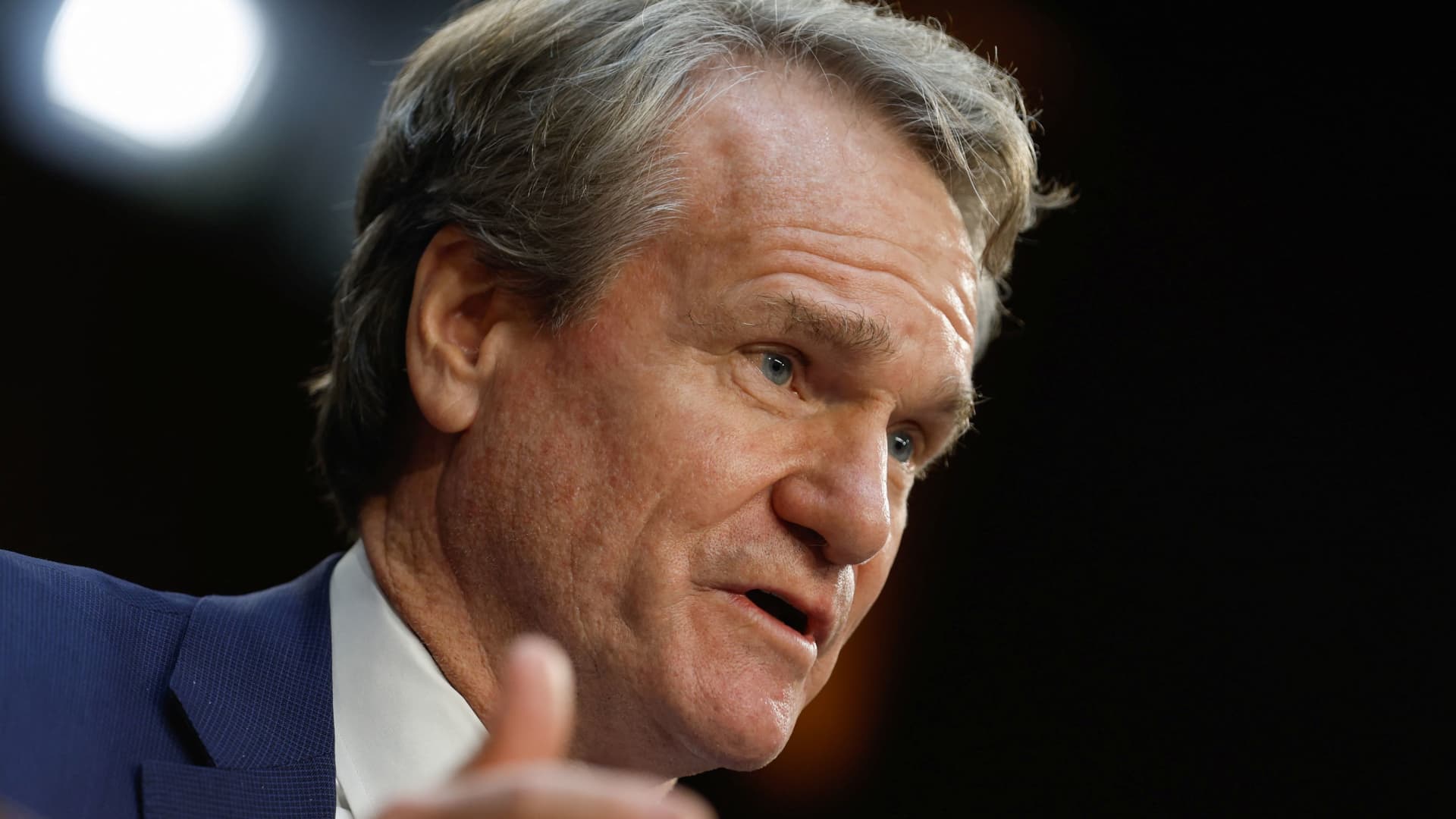
Bank of America Appoints UBS Banker as Vice Chair of M&A
- Executive Appointment: Bank of America has appointed UBS investment banker Richard Hardegree as vice chair of mergers and acquisitions, set to join in August and based in Palo Alto, California, aiming to enhance its M&A capabilities in the semiconductor sector.
- Extensive Experience: Hardegree brings over 30 years of M&A investment banking experience, having most recently served as vice chair of technology investment banking at UBS, where he advised on major deals including Broadcom's acquisition of VMware, which is expected to provide valuable industry insights to BofA.
- Market Expansion: BofA is ramping up hiring in the M&A sector, having previously recruited four veteran bankers from competitors this year, reflecting its commitment to expanding market share in tech dealmaking, particularly as deal activity rebounds.
- Optimistic Outlook: M&A activity is expected to accelerate through 2026, supported by a more balanced regulatory environment in the U.S. and investments in artificial intelligence technologies, with approximately $2 trillion in deals announced this year, marking a 32% increase from the same period last year.
See More
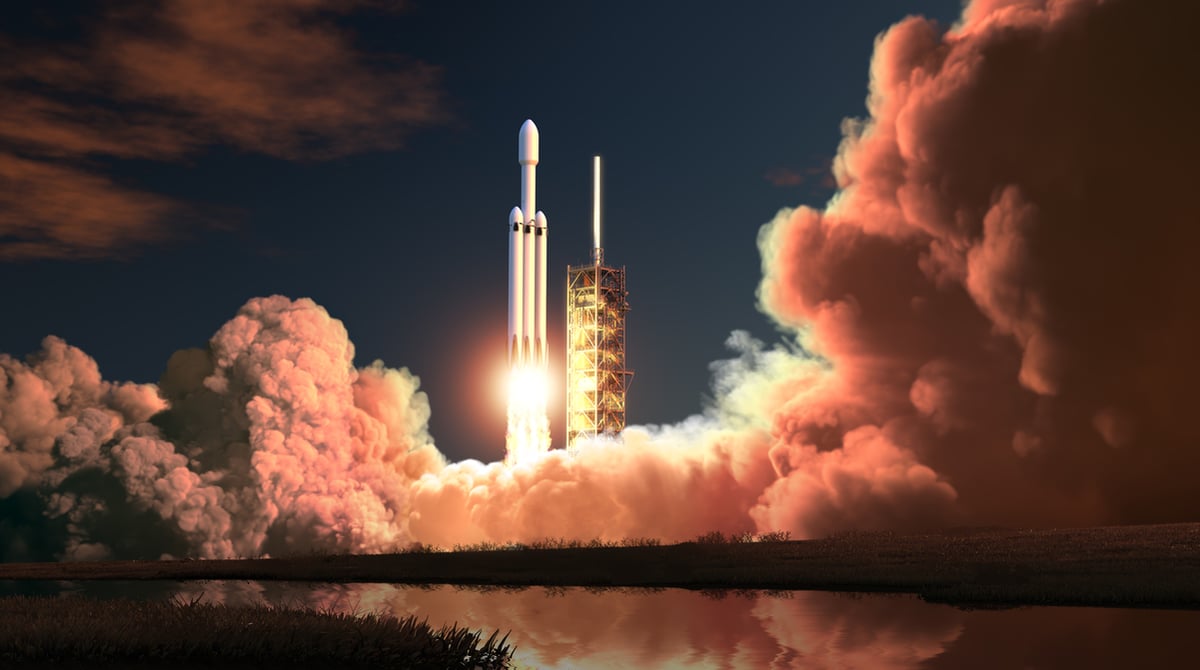
SpaceX Plans Initial Public Offering After Years of Anticipation

- IPO Plans: After years of anticipation, SpaceX has filed for an initial public offering (IPO) with the SEC, expected to launch in early June, marking a significant step towards public market entry for the company.
- Retail Investor Allocation: A large portion of the IPO is allocated to retail investors, allowing everyday investors to gain exposure to SpaceX's equity, which enhances market interest and participation in the company's growth.
- Alphabet's Investment Returns: Alphabet invested $900 million in SpaceX in 2015 for a 7% stake, which has since reduced to 6% by the end of last year, while also forming an infrastructure partnership with SpaceX's Starlink, solidifying its strategic position in the space sector.
- EchoStar's Potential Gains: EchoStar has a deal with SpaceX that, pending regulatory approval, will allow it to sell spectrum and receive SpaceX shares, potentially holding a 2.8% stake; if SpaceX reaches a $2 trillion valuation, EchoStar's stake could be worth $56 billion, highlighting its significant potential in the space market.
See More

SpaceX Plans IPO Valued at Up to $2 Trillion
- IPO Plans: SpaceX is set to launch its initial public offering (IPO) in early June, potentially valuing the company at $2 trillion, which would position it as one of the most valuable private companies globally, attracting significant investor interest.
- Investor Participation: While retail investors may find it challenging to participate before the listing, companies like Alphabet, Bank of America, and EchoStar already hold stakes in SpaceX, providing indirect exposure to the burgeoning space exploration sector.
- Alphabet's Investment Returns: Alphabet invested $900 million in SpaceX in 2015 for a 7% stake, which has reportedly decreased to 6% by the end of last year, while also forming an infrastructure partnership with SpaceX's Starlink, enhancing its competitive edge in the tech market.
- EchoStar's Potential Gains: EchoStar has a deal with SpaceX that could grant it a 2.8% stake pending regulatory approval, which, if SpaceX reaches a $2 trillion valuation, would make EchoStar's position worth approximately $56 billion, highlighting its growth potential in the space industry.
See More
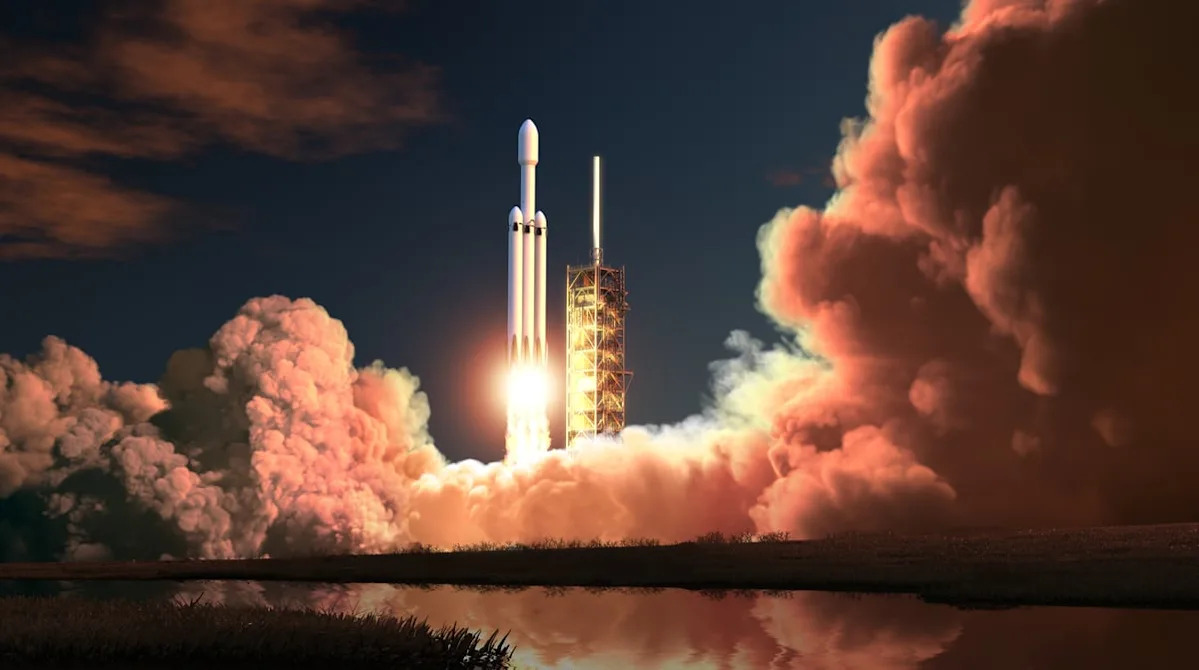
SpaceX Plans Initial Public Offering After Years of Anticipation


- IPO Plans: After years of anticipation, SpaceX filed for its initial public offering (IPO) with the SEC last month, with expectations to launch in early June, marking a significant step towards public market entry for the company.
- Investor Access: While SpaceX plans to allocate a large portion of its offering to retail investors, everyday investors can already gain exposure through shares of related companies, indicating strong market interest in SpaceX's future performance.
- Alphabet's Investment Returns: Alphabet invested $900 million in SpaceX in 2015 for a 7% stake, which has reportedly decreased to 6% by the end of last year, while also forming an infrastructure partnership with SpaceX's Starlink, enhancing its competitive position in the space communications sector.
- EchoStar's Potential Gains: EchoStar has a deal with SpaceX to sell spectrum and receive shares, potentially acquiring a 2.8% stake; if SpaceX reaches a $2 trillion valuation, EchoStar's stake could be worth around $56 billion, highlighting its significant potential in the space industry.
See More
Best Balance Transfer Credit Cards for May 2026
- Bank of America Customized Cash Rewards Card: This card offers a $200 cash rewards bonus after spending $1,000 in the first 90 days, along with a 0% introductory APR for 15 billing cycles on balance transfers made within the first 60 days, effectively aiding users in reducing their debt burden.
- Blue Cash Everyday Card: With a 0% introductory APR for 15 months, this card is ideal for everyday spending, allowing users to earn 3% cash back at U.S. supermarkets and gas stations, up to $6,000 spent per year, enhancing consumer rewards.
- Citi Double Cash Card: This card features a 0% introductory APR for the first 18 months, enabling users to earn up to 5% cash back in their top eligible spend category each billing cycle, encouraging spending while paying down debt and increasing long-term value.
- Discover it Cash Back Card: Offering a 0% introductory APR for 15 months, this card allows users to earn 5% cash back on everyday purchases at various merchants each quarter, with an automatic match on all cash back earned in the first year, further boosting user reward potential.
See More
SpaceX and Anthropic IPOs May Signal Market Concerns
- Market Warning Signals: Bank of America suggests that the IPOs of SpaceX and Anthropic could lead to an oversupply in the market, creating downward pressure on stock prices, particularly as the current bull market approaches its end, prompting investors to be wary of potential market corrections.
- End of Investment Cycle: The influx of IPOs may push the market into a highly speculative phase where retail investors ramp up buying, while institutional investors quietly offload shares, creating downward pressure on prices and affecting market stability.
- Declining Number of Investable Stocks: According to the Center for Research in Security Prices, the number of publicly traded securities has decreased from over 8,000 in the 1990s to about 4,000 last year, and the impending IPOs could disrupt this trend and alter market dynamics.
- Pressure on Passive Investors: With approximately 60% of U.S. assets being passively managed and heavily skewed towards megacap tech, the emergence of new IPOs may force passive funds to sell existing holdings to free up capital, thereby exerting downward pressure on current stock prices.
See More
Bank of America Appoints UBS Banker as Vice Chair of M&A
- Executive Appointment: Bank of America has appointed UBS investment banker Richard Hardegree as vice chair of mergers and acquisitions, set to join in August and based in Palo Alto, California, aiming to enhance its M&A capabilities in the semiconductor sector.
- Extensive Experience: Hardegree brings over 30 years of M&A investment banking experience, having most recently served as vice chair of technology investment banking at UBS, where he advised on major deals including Broadcom's acquisition of VMware, which is expected to provide valuable industry insights to BofA.
- Market Expansion: BofA is ramping up hiring in the M&A sector, having previously recruited four veteran bankers from competitors this year, reflecting its commitment to expanding market share in tech dealmaking, particularly as deal activity rebounds.
- Optimistic Outlook: M&A activity is expected to accelerate through 2026, supported by a more balanced regulatory environment in the U.S. and investments in artificial intelligence technologies, with approximately $2 trillion in deals announced this year, marking a 32% increase from the same period last year.
See More
SpaceX Plans Initial Public Offering After Years of Anticipation
- IPO Plans: After years of anticipation, SpaceX has filed for an initial public offering (IPO) with the SEC, expected to launch in early June, marking a significant step towards public market entry for the company.
- Retail Investor Allocation: A large portion of the IPO is allocated to retail investors, allowing everyday investors to gain exposure to SpaceX's equity, which enhances market interest and participation in the company's growth.
- Alphabet's Investment Returns: Alphabet invested $900 million in SpaceX in 2015 for a 7% stake, which has since reduced to 6% by the end of last year, while also forming an infrastructure partnership with SpaceX's Starlink, solidifying its strategic position in the space sector.
- EchoStar's Potential Gains: EchoStar has a deal with SpaceX that, pending regulatory approval, will allow it to sell spectrum and receive SpaceX shares, potentially holding a 2.8% stake; if SpaceX reaches a $2 trillion valuation, EchoStar's stake could be worth $56 billion, highlighting its significant potential in the space market.
See More
SpaceX Plans IPO Valued at Up to $2 Trillion
- IPO Plans: SpaceX is set to launch its initial public offering (IPO) in early June, potentially valuing the company at $2 trillion, which would position it as one of the most valuable private companies globally, attracting significant investor interest.
- Investor Participation: While retail investors may find it challenging to participate before the listing, companies like Alphabet, Bank of America, and EchoStar already hold stakes in SpaceX, providing indirect exposure to the burgeoning space exploration sector.
- Alphabet's Investment Returns: Alphabet invested $900 million in SpaceX in 2015 for a 7% stake, which has reportedly decreased to 6% by the end of last year, while also forming an infrastructure partnership with SpaceX's Starlink, enhancing its competitive edge in the tech market.
- EchoStar's Potential Gains: EchoStar has a deal with SpaceX that could grant it a 2.8% stake pending regulatory approval, which, if SpaceX reaches a $2 trillion valuation, would make EchoStar's position worth approximately $56 billion, highlighting its growth potential in the space industry.
See More
SpaceX Plans Initial Public Offering After Years of Anticipation
- IPO Plans: After years of anticipation, SpaceX filed for its initial public offering (IPO) with the SEC last month, with expectations to launch in early June, marking a significant step towards public market entry for the company.
- Investor Access: While SpaceX plans to allocate a large portion of its offering to retail investors, everyday investors can already gain exposure through shares of related companies, indicating strong market interest in SpaceX's future performance.
- Alphabet's Investment Returns: Alphabet invested $900 million in SpaceX in 2015 for a 7% stake, which has reportedly decreased to 6% by the end of last year, while also forming an infrastructure partnership with SpaceX's Starlink, enhancing its competitive position in the space communications sector.
- EchoStar's Potential Gains: EchoStar has a deal with SpaceX to sell spectrum and receive shares, potentially acquiring a 2.8% stake; if SpaceX reaches a $2 trillion valuation, EchoStar's stake could be worth around $56 billion, highlighting its significant potential in the space industry.
See More