Bank of America Five-Year Return Outlook
Written by Emily J. Thompson, Senior Investment Analyst
Updated: Apr 12 2026
0mins
Source: Fool
- Return Comparison: Over the past five years, the S&P 500 index posted a total return of 78%, while Bank of America achieved only 48%, indicating a relative underperformance that may affect investor confidence.
- Stability Advantage: As a major holding of Berkshire Hathaway, Bank of America demonstrates significant stability, with its products and services spanning consumer and corporate banking, wealth management, and capital markets, ensuring its essential role in the economy.
- Interest Rate Impact: The bank's financial performance is influenced by changing interest rates, where lower rates may boost lending but reduce yields, while higher rates could deter borrowing but enhance yields, with future rate movements remaining uncertain.
- Valuation and Earnings Growth: Currently, Bank of America trades at a price-to-earnings ratio of 14.2, with consensus estimates projecting a compound annual growth rate of 13.2% for earnings per share from 2025 to 2028, suggesting a potential stock price of around $98 in five years if valuation remains constant.
Trade with 70% Backtested Accuracy
Stop guessing "Should I Buy BAC?" and start using high-conviction signals backed by rigorous historical data.
Sign up today to access powerful investing tools and make smarter, data-driven decisions.
Analyst Views on BAC
Wall Street analysts forecast BAC stock price to rise
19 Analyst Rating
15 Buy
4 Hold
0 Sell
Strong Buy
Current: 52.480

Low
55.00
Averages
61.64
High
71.00
Current: 52.480
Low
55.00
Averages
61.64
High
71.00
About BAC
Bank of America Corporation is a bank holding company and a financial holding company. Its segments include Consumer Banking, Global Wealth & Investment Management (GWIM), Global Banking and Global Markets. Consumer Banking segment offers a range of credit, banking and investment products and services to consumers and small businesses. The GWIM includes two businesses: Merrill Wealth Management, which provides tailored solutions to meet clients' needs through a full set of investment management, brokerage, banking and retirement products and Bank of America Private Bank, which provides comprehensive wealth management solutions. Global Banking segment provides a range of lending-related products and services, integrated working capital management and treasury solutions, and underwriting and advisory services. Global Markets segment offers sales and trading services and research services to institutional clients across fixed-income, credit, currency, commodity, and equity businesses.
About the author

Emily J. Thompson
Emily J. Thompson, a Chartered Financial Analyst (CFA) with 12 years in investment research, graduated with honors from the Wharton School. Specializing in industrial and technology stocks, she provides in-depth analysis for Intellectia’s earnings and market brief reports.
Bank of America Provides Free Tickets for World Cup 2026 to Veterans
- Veteran Support: Bank of America partners with Vet Tix to donate $2 million, providing 4,547 free World Cup tickets to veterans, active military, and first responders, showcasing appreciation for those who serve.
- Nationwide Coverage: The tickets will cover all stages of the tournament across 11 U.S. host cities, ensuring that eligible military families can participate in this global event, thereby enhancing community cohesion.
- Celebrating America's 250th: As part of the America 250 celebration, Bank of America will host a BofA Fan Experience on the National Mall in Washington, D.C., offering family-friendly activities and live match viewing, further enhancing brand visibility.
- Long-term Commitment: With over a century of providing specialized financial services to military personnel, Bank of America aims to continue supporting veterans and their families through this initiative, demonstrating its ongoing commitment to social responsibility.
See More

Bank of America Partners with Vet Tix to Provide Free World Cup Tickets
- Ticket Giveaway Program: Bank of America partners with Vet Tix to provide $2.25 million in World Cup 2026 tickets, aiming to distribute 4,547 tickets to military personnel, veterans, and first responders' families, showcasing gratitude for their service.
- Financial Contribution: The bank will donate $2 million to Vet Tix for ticket purchasing and distribution, alongside an additional $250,000 from Vet Tix, ensuring participation from service members across all 11 host cities.
- Eligibility Criteria: Eligible military members and veterans can register at vettix.org, while first responders can sign up at 1sttix.org, with secure verification through ID.me to facilitate ticket access.
- Celebration Activities: As part of America's 250th anniversary celebration, Bank of America will host the BofA Fan Experience on the National Mall in Washington, D.C., offering family-friendly activities including live match viewing and interactive exhibits to enhance community engagement.
See More
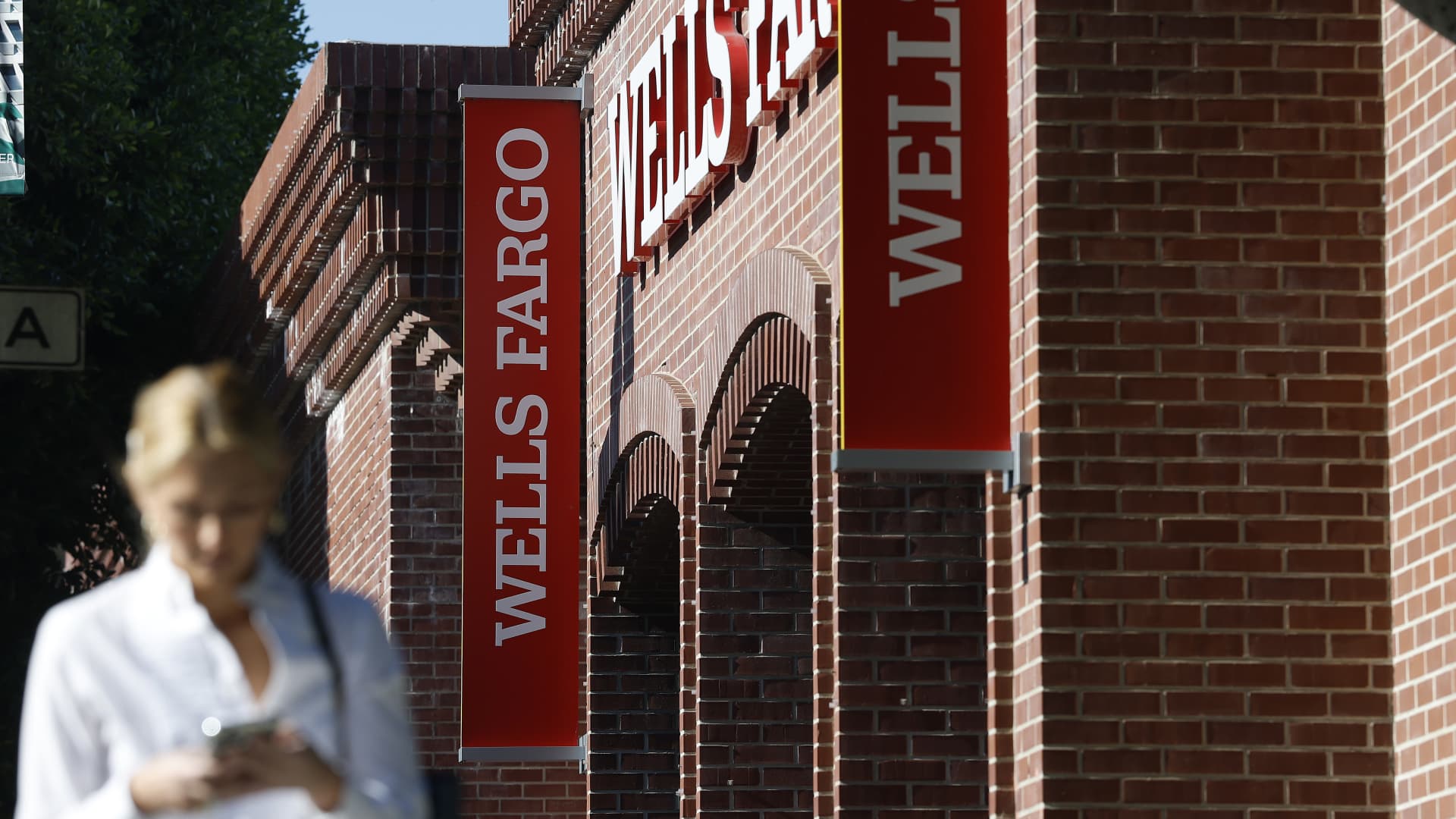
Bank of America Sees Rebound Opportunity for Wells Fargo Shares

- Buy Rating: Bank of America has assigned a buy rating to Wells Fargo with a price target of $95, indicating a potential 20% upside from Tuesday's close, reflecting optimism about the stock's future performance.
- Stock Price Decline: Wells Fargo shares have fallen nearly 16% in 2026, primarily due to market concerns regarding its exposure to private credit and leveraged loan markets, which have faced significant pressure this year.
- Profitability Outlook: Analysts suggest that achieving an 18% return on tangible common equity by 2028 is more feasible than current market sentiment implies, indicating that the degree of de-rating appears disproportionate to the underlying fundamentals.
- Market Confidence Rebuilding: Although recent credit concerns are tied to a few larger exposures, Bank of America believes this does not represent systemic risk, and expects market confidence to gradually rebuild after a few clean quarters.
See More

ServiceNow Stock Soars 41%, Signaling Strong Future Potential

- Stock Surge: ServiceNow's stock surged 41% in May, indicating a recovery in market confidence regarding its future, despite previous declines due to concerns over SaaS stocks.
- AI Market Adaptation: While the SaaS sector faces challenges, ServiceNow's management asserts that its Control Tower service is designed to address the rise of agentic AI, effectively integrating AI agents and services within organizations.
- Strong Customer Base: With over 8,800 clients deeply embedded in their workflows, ServiceNow's long-term commitments from top companies make it difficult for clients to replace its services, thereby strengthening its market position.
- Robust Financial Performance: ServiceNow reported a 23% year-over-year revenue increase, a 25% rise in remaining performance obligations (RPO), an adjusted operating margin of 33%, and a free cash flow margin of 44%, with management forecasting similar growth trends ahead.
See More

Federal Reserve Stress Tests Impact on Bank Stocks


- Stress Test Context: The Federal Reserve conducts annual stress tests to assess the capital strength of large banks during economic downturns, with the Dodd-Frank Act establishing minimum capital requirements to ensure banks can withstand financial crises.
- Capital Buffer Changes: Last year, major banks saw significant reductions in their stress capital buffers, with JPMorgan Chase and Bank of America dropping to the minimum of 2.5%, indicating strong bank health and freeing up funds for shareholder returns.
- Increased Shareholder Returns: The reduction in capital buffers allowed banks to boost dividends and engage in share buybacks, with the six largest banks posting stock price returns exceeding 25% in 2025, and Citigroup leading with a remarkable 66% increase.
- Future Outlook: Although this year's stress test is considered tougher, the Fed's decision to freeze capital buffers for 2026 means banks won't need to raise their capital cushions, thus continuing to support shareholder returns; however, poor test results could dampen future dividends and buyback plans.
See More

Major Banks Show Significant Improvement in Stress Test Results
- Stress Test Results: Last year, major banks excelled in stress tests, leading to significant reductions in capital buffers, with JPMorgan Chase, Bank of America, and Wells Fargo dropping to the minimum of 2.5%, allowing them to free up more funds for shareholder returns.
- Dividends and Buybacks: All major banks raised their dividends in Q3 2025, except JPMorgan Chase, which did so in Q4, and several banks executed share buybacks following the stress tests, making these actions highly favorable for investors.
- Market Performance: The six largest banks posted stock price returns exceeding 25% in 2025, with Citigroup leading at 66%, indicating a positive impact of stress test results on stock prices, despite this year's tests being considered tougher.
- Future Outlook: While this year's stress tests may pose higher risks for some banks, the Fed's decision to freeze capital buffers for 2026 means banks won't need to increase their capital cushions, allowing them to continue rewarding shareholders through dividends and buybacks.
See More
Bank of America Provides Free Tickets for World Cup 2026 to Veterans
- Veteran Support: Bank of America partners with Vet Tix to donate $2 million, providing 4,547 free World Cup tickets to veterans, active military, and first responders, showcasing appreciation for those who serve.
- Nationwide Coverage: The tickets will cover all stages of the tournament across 11 U.S. host cities, ensuring that eligible military families can participate in this global event, thereby enhancing community cohesion.
- Celebrating America's 250th: As part of the America 250 celebration, Bank of America will host a BofA Fan Experience on the National Mall in Washington, D.C., offering family-friendly activities and live match viewing, further enhancing brand visibility.
- Long-term Commitment: With over a century of providing specialized financial services to military personnel, Bank of America aims to continue supporting veterans and their families through this initiative, demonstrating its ongoing commitment to social responsibility.
See More
Bank of America Partners with Vet Tix to Provide Free World Cup Tickets
- Ticket Giveaway Program: Bank of America partners with Vet Tix to provide $2.25 million in World Cup 2026 tickets, aiming to distribute 4,547 tickets to military personnel, veterans, and first responders' families, showcasing gratitude for their service.
- Financial Contribution: The bank will donate $2 million to Vet Tix for ticket purchasing and distribution, alongside an additional $250,000 from Vet Tix, ensuring participation from service members across all 11 host cities.
- Eligibility Criteria: Eligible military members and veterans can register at vettix.org, while first responders can sign up at 1sttix.org, with secure verification through ID.me to facilitate ticket access.
- Celebration Activities: As part of America's 250th anniversary celebration, Bank of America will host the BofA Fan Experience on the National Mall in Washington, D.C., offering family-friendly activities including live match viewing and interactive exhibits to enhance community engagement.
See More
Bank of America Sees Rebound Opportunity for Wells Fargo Shares
- Buy Rating: Bank of America has assigned a buy rating to Wells Fargo with a price target of $95, indicating a potential 20% upside from Tuesday's close, reflecting optimism about the stock's future performance.
- Stock Price Decline: Wells Fargo shares have fallen nearly 16% in 2026, primarily due to market concerns regarding its exposure to private credit and leveraged loan markets, which have faced significant pressure this year.
- Profitability Outlook: Analysts suggest that achieving an 18% return on tangible common equity by 2028 is more feasible than current market sentiment implies, indicating that the degree of de-rating appears disproportionate to the underlying fundamentals.
- Market Confidence Rebuilding: Although recent credit concerns are tied to a few larger exposures, Bank of America believes this does not represent systemic risk, and expects market confidence to gradually rebuild after a few clean quarters.
See More
ServiceNow Stock Soars 41%, Signaling Strong Future Potential
- Stock Surge: ServiceNow's stock surged 41% in May, indicating a recovery in market confidence regarding its future, despite previous declines due to concerns over SaaS stocks.
- AI Market Adaptation: While the SaaS sector faces challenges, ServiceNow's management asserts that its Control Tower service is designed to address the rise of agentic AI, effectively integrating AI agents and services within organizations.
- Strong Customer Base: With over 8,800 clients deeply embedded in their workflows, ServiceNow's long-term commitments from top companies make it difficult for clients to replace its services, thereby strengthening its market position.
- Robust Financial Performance: ServiceNow reported a 23% year-over-year revenue increase, a 25% rise in remaining performance obligations (RPO), an adjusted operating margin of 33%, and a free cash flow margin of 44%, with management forecasting similar growth trends ahead.
See More
Federal Reserve Stress Tests Impact on Bank Stocks
- Stress Test Context: The Federal Reserve conducts annual stress tests to assess the capital strength of large banks during economic downturns, with the Dodd-Frank Act establishing minimum capital requirements to ensure banks can withstand financial crises.
- Capital Buffer Changes: Last year, major banks saw significant reductions in their stress capital buffers, with JPMorgan Chase and Bank of America dropping to the minimum of 2.5%, indicating strong bank health and freeing up funds for shareholder returns.
- Increased Shareholder Returns: The reduction in capital buffers allowed banks to boost dividends and engage in share buybacks, with the six largest banks posting stock price returns exceeding 25% in 2025, and Citigroup leading with a remarkable 66% increase.
- Future Outlook: Although this year's stress test is considered tougher, the Fed's decision to freeze capital buffers for 2026 means banks won't need to raise their capital cushions, thus continuing to support shareholder returns; however, poor test results could dampen future dividends and buyback plans.
See More
Major Banks Show Significant Improvement in Stress Test Results
- Stress Test Results: Last year, major banks excelled in stress tests, leading to significant reductions in capital buffers, with JPMorgan Chase, Bank of America, and Wells Fargo dropping to the minimum of 2.5%, allowing them to free up more funds for shareholder returns.
- Dividends and Buybacks: All major banks raised their dividends in Q3 2025, except JPMorgan Chase, which did so in Q4, and several banks executed share buybacks following the stress tests, making these actions highly favorable for investors.
- Market Performance: The six largest banks posted stock price returns exceeding 25% in 2025, with Citigroup leading at 66%, indicating a positive impact of stress test results on stock prices, despite this year's tests being considered tougher.
- Future Outlook: While this year's stress tests may pose higher risks for some banks, the Fed's decision to freeze capital buffers for 2026 means banks won't need to increase their capital cushions, allowing them to continue rewarding shareholders through dividends and buybacks.
See More