Atlanta Braves Holdings Q4 Earnings Analysis
Written by Emily J. Thompson, Senior Investment Analyst
Updated: Feb 25 2026
0mins


Source: seekingalpha
- Earnings Report: Atlanta Braves Holdings reported a Q4 GAAP EPS of -$0.66, missing expectations by $0.11, indicating challenges in profitability despite revenue growth.
- Revenue Growth: The Q4 revenue reached $61.3 million, reflecting a 17.6% year-over-year increase and exceeding market expectations by $6.37 million, showcasing strong performance in revenue generation.
- Home Game Situation: There were no home games played in Q4 2025, compared to 81 home games in the same period of 2024, which may impact future revenue expectations and fan engagement.
- Mixed-Use Development Revenue: Mixed-use development revenue increased by 45% for the full year and 48% for Q4, indicating success in non-event-related income streams, potentially providing financial stability for the future.
Trade with 70% Backtested Accuracy
Stop guessing "Should I Buy BATRK?" and start using high-conviction signals backed by rigorous historical data.
Sign up today to access powerful investing tools and make smarter, data-driven decisions.
Analyst Views on BATRK
Wall Street analysts forecast BATRK stock price to rise
0 Analyst Rating
0 Buy
0 Hold
0 Sell
Current: 51.100

Low
Averages
High
Current: 51.100
Low
Averages
High
About BATRK
Atlanta Braves Holdings Inc is a holding company. It operates through its wholly-owned subsidiary, which is the owner and operator of the Atlanta Braves Major League Baseball Club and the mixed-use real estate development, The Battery Atlanta, and is the operator of the Atlanta Braves Major League Baseball Club's stadium, Truist Park. The company predominantly derives revenue related to the Braves baseball franchise and Truist Park from ticket sales, concessions, local broadcasting rights, advertising sponsorships, suites and premium seat fees, retail and licensing revenue, shared MLB revenue streams, including national broadcasting rights and licensing, and other sources. The company's reportable segments include, baseball which generates key revenue, and mixed-use development.
About the author

Emily J. Thompson
Emily J. Thompson, a Chartered Financial Analyst (CFA) with 12 years in investment research, graduated with honors from the Wharton School. Specializing in industrial and technology stocks, she provides in-depth analysis for Intellectia’s earnings and market brief reports.

Greg Abel's First Quarter Report Reveals Investment Strategy


- Portfolio Adjustments: In his first quarterly report, Abel adjusted the $330 billion equity portfolio by adding positions in Delta Airlines and Macy's, while tripling the stake in Alphabet, indicating his proactive approach to high-conviction stocks while maintaining Buffett's investment style.
- Small Position Sell-Off: In the first quarter, Abel and his team sold out of 16 smaller positions, including Visa and Mastercard, which accounted for about a third of Berkshire's total holdings, demonstrating decisive action in optimizing the investment portfolio.
- Core Holdings Retained: Despite the significant sell-off, Abel retained core holdings such as Apple, American Express, and Coca-Cola, reflecting his respect for and continuation of the company's traditional investment strategies established by Buffett.
- Positive Market Reaction: Following the announcement of Abel's investment strategy, Berkshire Hathaway's stock ticked higher, reflecting market confidence in his management capabilities and further solidifying the company's position in the investment community.
See More

Berkshire Hathaway's Abel Restructures Equity Portfolio
- Portfolio Restructuring: Greg Abel cut 16 small positions in the first quarter, including long-held Visa and Mastercard, demonstrating a strategic focus on concentrated high-conviction stocks while maintaining Buffett's traditional investment style.
- New Investment Directions: Abel added positions in Delta Airlines and Macy's, and tripled the investment in Alphabet, indicating a strategy aligned with Buffett's tech stock preferences, which may attract younger investors.
- Increased Concentration: Excluding investments in Japan, Berkshire now holds only 29 positions, retaining Buffett favorites like Apple, American Express, and Coca-Cola, reflecting ongoing confidence in classic quality assets.
- Positive Market Reaction: Despite the reduction of about one-third of the portfolio, Berkshire's stock price rose following the announcement, indicating market approval of Abel's investment strategy and suggesting optimistic expectations for future performance.
See More

Abel Exits 16 Positions in Q1 2026, Surprising Market


- Portfolio Adjustment: In Q1 2026, Abel exited 16 positions, a move rarely seen during Buffett's tenure, indicating a potential preference for shorter holding periods, despite Buffett's claim that his 'favorite holding period is forever.'
- Surprising Sales: Abel sold unexpected stocks like Amazon and UnitedHealth Group, both of which still have solid prospects, suggesting that he may be cleaning up the portfolio, particularly positions managed by former investment manager Todd Combs.
- Market Reaction: While Abel's sales have drawn market attention, Amazon and UnitedHealth Group are still considered excellent investment choices, especially given their ongoing growth potential in AI and healthcare, which may attract interest from other investors.
- Long-Term Value: Abel's decisions may be viewed as short-term clean-up, but the fundamentals of Amazon and UnitedHealth Group remain strong, particularly with Amazon's upcoming satellite internet service and UnitedHealth's cash flow performance, potentially yielding substantial returns for long-term investors.
See More

Buffett's Successor Sells Off 16 Stocks in Major Portfolio Shift
- Major Portfolio Shift: In Q1 2026, Berkshire Hathaway, under new CEO Greg Abel, completely exited 16 positions, indicating a stark departure from Buffett's investment strategy, which may impact the company's future investment direction.
- Surprising Stock Exits: Abel's sale of Amazon and UnitedHealth Group, both considered quality assets under Buffett's philosophy, could shake market confidence in Berkshire's future investment decisions, raising questions about the company's strategic focus.
- Exit from Financial Stocks: Berkshire also fully divested from several financial stocks, including Mastercard and Visa, reflecting a cautious stance towards the financial sector, which may indicate concerns over market volatility and affect investor sentiment towards financial equities.
- Investor Reactions: Despite the market's focus on Abel's sell-off, analysts believe that Amazon and UnitedHealth Group remain strong investment candidates, particularly due to their long-term growth potential in artificial intelligence and healthcare, which could yield substantial returns for investors.
See More
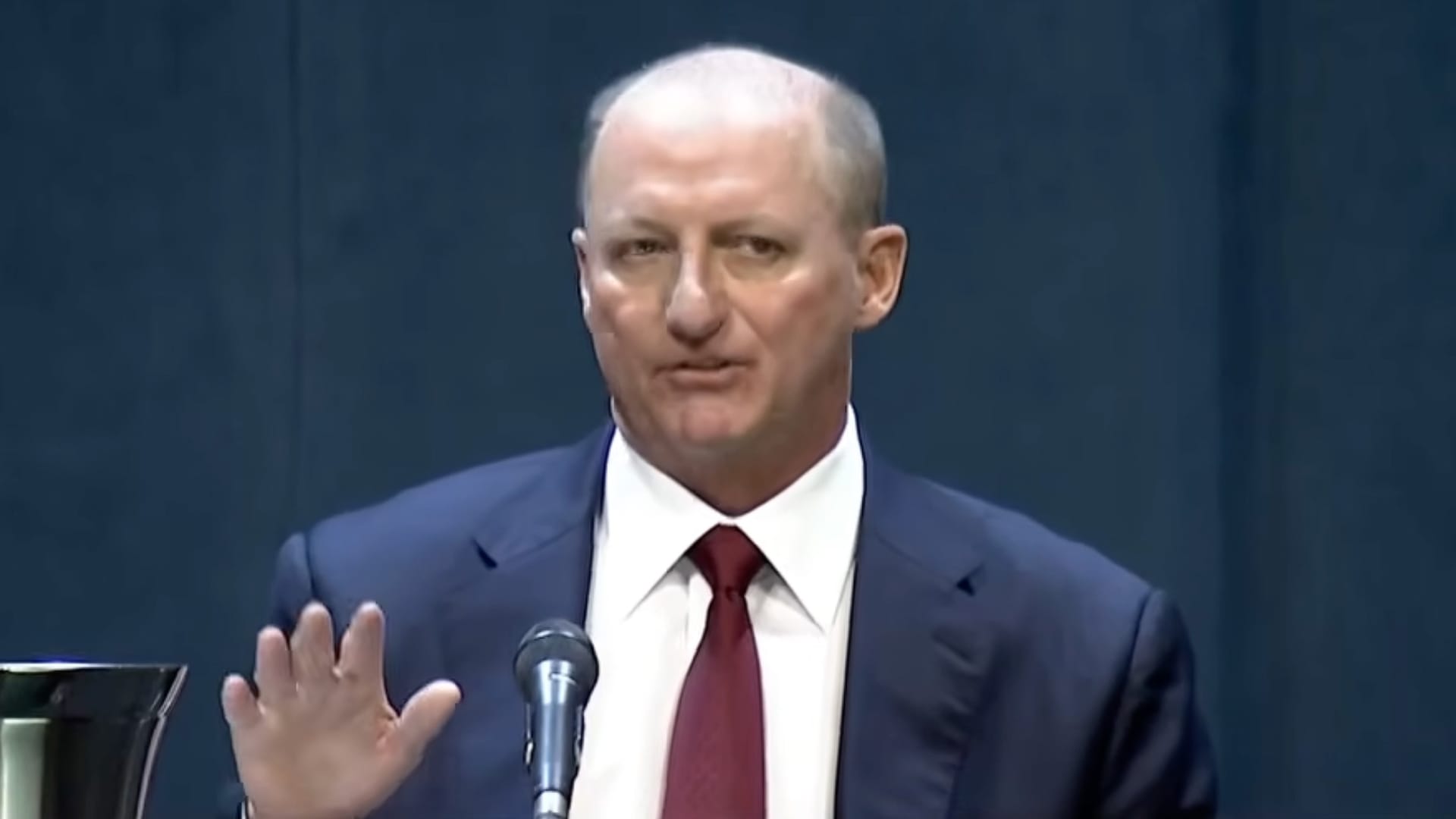
Berkshire Hathaway's Major Portfolio Overhaul Under Greg Abel

- Portfolio Restructuring: Under Greg Abel's leadership, Berkshire Hathaway's equity portfolio underwent significant changes in the first three months, adding Delta Air Lines and Macy's, indicating a renewed focus on the airline and retail sectors.
- Massive Alphabet Stake Increase: Berkshire increased its stake in Google's parent company Alphabet by 224% in Q1, making it the company's seventh-largest holding with a market value of $16.6 billion, and the stock has rallied 38% since, showcasing the success of this decision.
- Reduction in Holdings: Abel dramatically cut the number of companies in the portfolio, selling off major stakes including Amazon and Visa, with Amazon's shares reduced from 10 million to 2.3 million, reflecting a significant strategic shift in investment focus.
- Return to Delta Airlines: Berkshire purchased 39.8 million shares of Delta Air Lines in Q1, currently valued at $2.8 billion, marking the company's first return to airline stocks since 2020, demonstrating confidence in the recovery of the airline industry.
See More
Berkshire Hathaway Faces Changes After Buffett's Departure

- Leadership Change: Warren Buffett's resignation as CEO marks a significant shift for Berkshire Hathaway, with new CEO Greg Abel taking the helm for the first time in sixty years, potentially impacting the company's investment strategy and market confidence.
- Portfolio Adjustment: Abel has reportedly sold all stocks managed by former investment lieutenant Todd Combs, amounting to approximately $15 billion, indicating a decisive move by the new CEO that may lead to a shift in the company's investment style.
- Core Holdings Strategy: In his letter to shareholders, Abel identified nine 'core holdings' that he implied would see limited activity unless there are fundamental changes in their long-term economic prospects, suggesting a potential reduction in Berkshire's investment activity.
- Market Reaction Anticipation: Investors will gain insights into Berkshire's stock transactions for Q1 in the upcoming 10-Q filing due by May 2, which will provide crucial clues about Abel's future investment direction, although it may take several quarters to fully divest Combs' investments.
See More
Greg Abel's First Quarter Report Reveals Investment Strategy
- Portfolio Adjustments: In his first quarterly report, Abel adjusted the $330 billion equity portfolio by adding positions in Delta Airlines and Macy's, while tripling the stake in Alphabet, indicating his proactive approach to high-conviction stocks while maintaining Buffett's investment style.
- Small Position Sell-Off: In the first quarter, Abel and his team sold out of 16 smaller positions, including Visa and Mastercard, which accounted for about a third of Berkshire's total holdings, demonstrating decisive action in optimizing the investment portfolio.
- Core Holdings Retained: Despite the significant sell-off, Abel retained core holdings such as Apple, American Express, and Coca-Cola, reflecting his respect for and continuation of the company's traditional investment strategies established by Buffett.
- Positive Market Reaction: Following the announcement of Abel's investment strategy, Berkshire Hathaway's stock ticked higher, reflecting market confidence in his management capabilities and further solidifying the company's position in the investment community.
See More
Berkshire Hathaway's Abel Restructures Equity Portfolio
- Portfolio Restructuring: Greg Abel cut 16 small positions in the first quarter, including long-held Visa and Mastercard, demonstrating a strategic focus on concentrated high-conviction stocks while maintaining Buffett's traditional investment style.
- New Investment Directions: Abel added positions in Delta Airlines and Macy's, and tripled the investment in Alphabet, indicating a strategy aligned with Buffett's tech stock preferences, which may attract younger investors.
- Increased Concentration: Excluding investments in Japan, Berkshire now holds only 29 positions, retaining Buffett favorites like Apple, American Express, and Coca-Cola, reflecting ongoing confidence in classic quality assets.
- Positive Market Reaction: Despite the reduction of about one-third of the portfolio, Berkshire's stock price rose following the announcement, indicating market approval of Abel's investment strategy and suggesting optimistic expectations for future performance.
See More
Abel Exits 16 Positions in Q1 2026, Surprising Market
- Portfolio Adjustment: In Q1 2026, Abel exited 16 positions, a move rarely seen during Buffett's tenure, indicating a potential preference for shorter holding periods, despite Buffett's claim that his 'favorite holding period is forever.'
- Surprising Sales: Abel sold unexpected stocks like Amazon and UnitedHealth Group, both of which still have solid prospects, suggesting that he may be cleaning up the portfolio, particularly positions managed by former investment manager Todd Combs.
- Market Reaction: While Abel's sales have drawn market attention, Amazon and UnitedHealth Group are still considered excellent investment choices, especially given their ongoing growth potential in AI and healthcare, which may attract interest from other investors.
- Long-Term Value: Abel's decisions may be viewed as short-term clean-up, but the fundamentals of Amazon and UnitedHealth Group remain strong, particularly with Amazon's upcoming satellite internet service and UnitedHealth's cash flow performance, potentially yielding substantial returns for long-term investors.
See More
Buffett's Successor Sells Off 16 Stocks in Major Portfolio Shift
- Major Portfolio Shift: In Q1 2026, Berkshire Hathaway, under new CEO Greg Abel, completely exited 16 positions, indicating a stark departure from Buffett's investment strategy, which may impact the company's future investment direction.
- Surprising Stock Exits: Abel's sale of Amazon and UnitedHealth Group, both considered quality assets under Buffett's philosophy, could shake market confidence in Berkshire's future investment decisions, raising questions about the company's strategic focus.
- Exit from Financial Stocks: Berkshire also fully divested from several financial stocks, including Mastercard and Visa, reflecting a cautious stance towards the financial sector, which may indicate concerns over market volatility and affect investor sentiment towards financial equities.
- Investor Reactions: Despite the market's focus on Abel's sell-off, analysts believe that Amazon and UnitedHealth Group remain strong investment candidates, particularly due to their long-term growth potential in artificial intelligence and healthcare, which could yield substantial returns for investors.
See More
Berkshire Hathaway's Major Portfolio Overhaul Under Greg Abel
- Portfolio Restructuring: Under Greg Abel's leadership, Berkshire Hathaway's equity portfolio underwent significant changes in the first three months, adding Delta Air Lines and Macy's, indicating a renewed focus on the airline and retail sectors.
- Massive Alphabet Stake Increase: Berkshire increased its stake in Google's parent company Alphabet by 224% in Q1, making it the company's seventh-largest holding with a market value of $16.6 billion, and the stock has rallied 38% since, showcasing the success of this decision.
- Reduction in Holdings: Abel dramatically cut the number of companies in the portfolio, selling off major stakes including Amazon and Visa, with Amazon's shares reduced from 10 million to 2.3 million, reflecting a significant strategic shift in investment focus.
- Return to Delta Airlines: Berkshire purchased 39.8 million shares of Delta Air Lines in Q1, currently valued at $2.8 billion, marking the company's first return to airline stocks since 2020, demonstrating confidence in the recovery of the airline industry.
See More
Berkshire Hathaway Faces Changes After Buffett's Departure
- Leadership Change: Warren Buffett's resignation as CEO marks a significant shift for Berkshire Hathaway, with new CEO Greg Abel taking the helm for the first time in sixty years, potentially impacting the company's investment strategy and market confidence.
- Portfolio Adjustment: Abel has reportedly sold all stocks managed by former investment lieutenant Todd Combs, amounting to approximately $15 billion, indicating a decisive move by the new CEO that may lead to a shift in the company's investment style.
- Core Holdings Strategy: In his letter to shareholders, Abel identified nine 'core holdings' that he implied would see limited activity unless there are fundamental changes in their long-term economic prospects, suggesting a potential reduction in Berkshire's investment activity.
- Market Reaction Anticipation: Investors will gain insights into Berkshire's stock transactions for Q1 in the upcoming 10-Q filing due by May 2, which will provide crucial clues about Abel's future investment direction, although it may take several quarters to fully divest Combs' investments.
See More