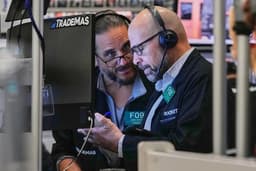
Asia stocks skittish after Wall St slumps on Trump-Fed feud; tariff jitters remain By Investing.com

Market Reactions to Trade Tensions: Most Asian stocks remained flat as investors reacted to U.S. President Trump's trade tariffs and criticism of Federal Reserve Chair Powell, leading to losses in Wall Street that affected Asian markets. China's e-commerce sector faced declines due to increased competition, while Japan's markets were pressured by concerns over U.S. tariffs on automobiles.
Economic Indicators and Future Outlook: U.S. stock index futures showed signs of recovery amid upcoming earnings reports, particularly from Tesla, while broader Asian markets fluctuated with mixed performances. Key economic data, including Japan's purchasing managers index and South Korea's GDP, are anticipated later this week, influencing market sentiment.
Trade with 70% Backtested Accuracy
Analyst Views on TSLA

About TSLA
About the author

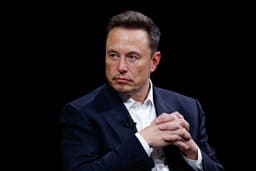
Tesla's Cybertruck Price Cut Strategy to Boost Sales

- Price Cut Strategy: Tesla's Cybertruck dual motor all-wheel drive version is currently priced at $59,990, with CEO Elon Musk indicating this promotion lasts only 10 days, aimed at reviving sales that have declined due to the end of federal EV tax credits, although a price increase may follow.
- Significant Sales Decline: Cybertruck sales dropped from 39,965 units in 2024 to 20,237 units in 2025, marking a 48% year-over-year decrease, indicating weak market demand and necessitating a reassessment of production plans to address lower-than-expected demand.
- Production Capacity Adjustments: Musk initially planned for an annual production of 250,000 Cybertrucks, but current demand is less than 10% of that target, and Tesla faces challenges in balancing resources between producing the Optimus Bot humanoid robot and the Cybertruck.
- International Market Expansion: The Cybertruck has recently begun sales in international markets, yet Tesla must closely monitor actual demand growth and consider whether to publicly share sales figures to bolster market confidence.

Nvidia's Optimistic Outlook Ahead of 2026 Earnings Report


- Stock Performance: As of Monday, Nvidia's stock has risen 2.7%, showcasing its strong performance amidst a broader tech market decline, which is likely to attract more investor interest.
- Capital Expenditure Growth: Analysts project that the combined capital expenditures of Alphabet, Microsoft, Meta, and Amazon will approach $700 billion this year for AI expansion, with a forecasted increase of over 60% from historic levels in 2025, directly boosting Nvidia's revenue.
- Revenue Expectations: Analysts generally expect Nvidia to report a 68% revenue increase to $66 billion in its upcoming earnings report, with a projected 63% year-over-year growth for the next quarter, indicating sustained strong demand in the AI market.
- Acquisition Impact: Nvidia's acquisition of Groq assets is expected to significantly influence its strategic plans, with analysts looking for management to provide specifics on leveraging Groq's technology to compete against custom ASIC manufacturers, addressing investor concerns about increasing competition.

Nvidia Stands Alone in AI Spending Amid Caution

- Strong Market Performance: As of Monday's close, Nvidia's stock is up 2.7%, standing out among eight trillion-dollar tech companies, while the Nasdaq has dropped over 2.5%, reflecting investor confidence in its AI infrastructure spending.
- Capital Expenditure Growth: Alphabet, Microsoft, Meta, and Amazon are projected to spend nearly $700 billion combined this year, with capital expenditures expected to increase over 60% from historic levels in 2025, further driving Nvidia's revenue growth.
- Optimistic Earnings Expectations: Analysts anticipate Nvidia will report a 68% year-over-year revenue increase to $66 billion for the fiscal fourth quarter, with a 63% growth forecast for the April quarter, indicating strong market demand and company performance potential.
- Acquisition Impact Analysis: Nvidia's acquisition of Groq assets will be discussed for the first time in the earnings call, with analysts focusing on the deal's implications for the company's finances and strategic plans, particularly how Groq's technology may enhance Nvidia's competitive position against custom ASIC manufacturers.
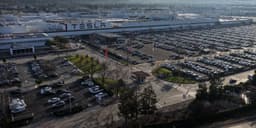
Tesla Shares Decline Following News of Lawsuit Against California: Implications for Investors.


- Tesla Stock Performance: Tesla's stock experienced a decline at the start of Tuesday trading.
- Ongoing Challenges: The company is facing ongoing issues with its home state of California.
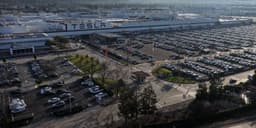
Tesla Allegedly Files Lawsuit Against California: Implications for Stock Performance.
- Tesla Stock Performance: Tesla's stock experienced a decline at the start of Tuesday's trading session.
- Ongoing Challenges: The company is facing ongoing challenges in its original home state of California.

James Chanos Critiques Musk's Orbital Data Center Vision

- Electricity Cost Insight: Chanos highlighted that electricity costs account for only 6-7% of CPU/GPU rental revenues, indicating that power is not a long-term bottleneck for AI computing, with regulatory frameworks and infrastructure needing more attention.
- High Costs of Orbital Data Centers: He emphasized that all costs other than power will be higher in space, including launch and redundancy costs, raising doubts about the economic viability of orbital data centers.
- Musk's Optimistic Projections: Despite Chanos's criticisms, Musk stated that SpaceX's Starship aims to achieve a launch every hour within three years, reflecting his confidence in the company's developmental trajectory.
- Starlink's Market Expansion: Musk confirmed that SpaceX's Starlink is offering subsidized plans and free hardware to broaden its customer base and target developing nations, showcasing a strategic move to enhance market penetration.
Tesla's Cybertruck Price Cut Strategy to Boost Sales
- Price Cut Strategy: Tesla's Cybertruck dual motor all-wheel drive version is currently priced at $59,990, with CEO Elon Musk indicating this promotion lasts only 10 days, aimed at reviving sales that have declined due to the end of federal EV tax credits, although a price increase may follow.
- Significant Sales Decline: Cybertruck sales dropped from 39,965 units in 2024 to 20,237 units in 2025, marking a 48% year-over-year decrease, indicating weak market demand and necessitating a reassessment of production plans to address lower-than-expected demand.
- Production Capacity Adjustments: Musk initially planned for an annual production of 250,000 Cybertrucks, but current demand is less than 10% of that target, and Tesla faces challenges in balancing resources between producing the Optimus Bot humanoid robot and the Cybertruck.
- International Market Expansion: The Cybertruck has recently begun sales in international markets, yet Tesla must closely monitor actual demand growth and consider whether to publicly share sales figures to bolster market confidence.
Nvidia's Optimistic Outlook Ahead of 2026 Earnings Report
- Stock Performance: As of Monday, Nvidia's stock has risen 2.7%, showcasing its strong performance amidst a broader tech market decline, which is likely to attract more investor interest.
- Capital Expenditure Growth: Analysts project that the combined capital expenditures of Alphabet, Microsoft, Meta, and Amazon will approach $700 billion this year for AI expansion, with a forecasted increase of over 60% from historic levels in 2025, directly boosting Nvidia's revenue.
- Revenue Expectations: Analysts generally expect Nvidia to report a 68% revenue increase to $66 billion in its upcoming earnings report, with a projected 63% year-over-year growth for the next quarter, indicating sustained strong demand in the AI market.
- Acquisition Impact: Nvidia's acquisition of Groq assets is expected to significantly influence its strategic plans, with analysts looking for management to provide specifics on leveraging Groq's technology to compete against custom ASIC manufacturers, addressing investor concerns about increasing competition.
Nvidia Stands Alone in AI Spending Amid Caution
- Strong Market Performance: As of Monday's close, Nvidia's stock is up 2.7%, standing out among eight trillion-dollar tech companies, while the Nasdaq has dropped over 2.5%, reflecting investor confidence in its AI infrastructure spending.
- Capital Expenditure Growth: Alphabet, Microsoft, Meta, and Amazon are projected to spend nearly $700 billion combined this year, with capital expenditures expected to increase over 60% from historic levels in 2025, further driving Nvidia's revenue growth.
- Optimistic Earnings Expectations: Analysts anticipate Nvidia will report a 68% year-over-year revenue increase to $66 billion for the fiscal fourth quarter, with a 63% growth forecast for the April quarter, indicating strong market demand and company performance potential.
- Acquisition Impact Analysis: Nvidia's acquisition of Groq assets will be discussed for the first time in the earnings call, with analysts focusing on the deal's implications for the company's finances and strategic plans, particularly how Groq's technology may enhance Nvidia's competitive position against custom ASIC manufacturers.
Tesla Shares Decline Following News of Lawsuit Against California: Implications for Investors.
- Tesla Stock Performance: Tesla's stock experienced a decline at the start of Tuesday trading.
- Ongoing Challenges: The company is facing ongoing issues with its home state of California.
Tesla Allegedly Files Lawsuit Against California: Implications for Stock Performance.
- Tesla Stock Performance: Tesla's stock experienced a decline at the start of Tuesday's trading session.
- Ongoing Challenges: The company is facing ongoing challenges in its original home state of California.
James Chanos Critiques Musk's Orbital Data Center Vision
- Electricity Cost Insight: Chanos highlighted that electricity costs account for only 6-7% of CPU/GPU rental revenues, indicating that power is not a long-term bottleneck for AI computing, with regulatory frameworks and infrastructure needing more attention.
- High Costs of Orbital Data Centers: He emphasized that all costs other than power will be higher in space, including launch and redundancy costs, raising doubts about the economic viability of orbital data centers.
- Musk's Optimistic Projections: Despite Chanos's criticisms, Musk stated that SpaceX's Starship aims to achieve a launch every hour within three years, reflecting his confidence in the company's developmental trajectory.
- Starlink's Market Expansion: Musk confirmed that SpaceX's Starlink is offering subsidized plans and free hardware to broaden its customer base and target developing nations, showcasing a strategic move to enhance market penetration.